
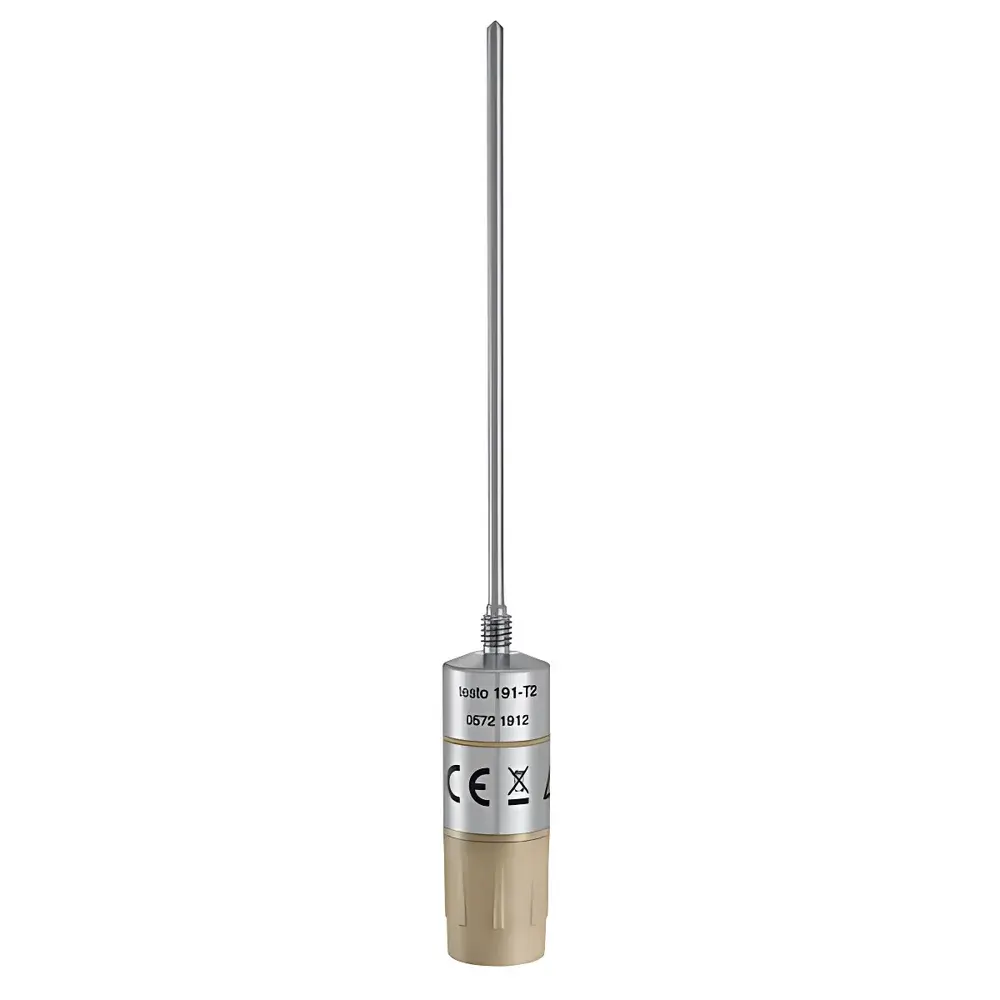
testo 191-T2 HACCP Temperature Data Logger
| Brand | testo |
|---|---|
| Origin | Germany |
| Model | 191-T2 HACCP |
| Measurement Range | −50 to +140 °C |
| Accuracy | ±0.2 °C (−50 to −40 °C), ±0.1 °C (−40 to +140 °C) |
| Resolution | 0.01 °C |
| Probe Length | 115 mm |
| Probe Diameter | 3 mm |
| Housing Diameter × Height | 20 × 59 mm |
| IP Rating | IP68 |
| Sensor Type | Pt1000 |
| Response Time t₉₀ | 6 s |
| Memory Capacity | 60,000 readings |
| Battery | 1/2 AA lithium |
| Battery Life | 2,500 h (10 s interval at +121 °C) |
| Operating Temperature | −50 to +140 °C |
| Storage Temperature | −20 to +50 °C |
| Measurement Interval | 1 s to 24 h |
| Certifications | CE |
Overview
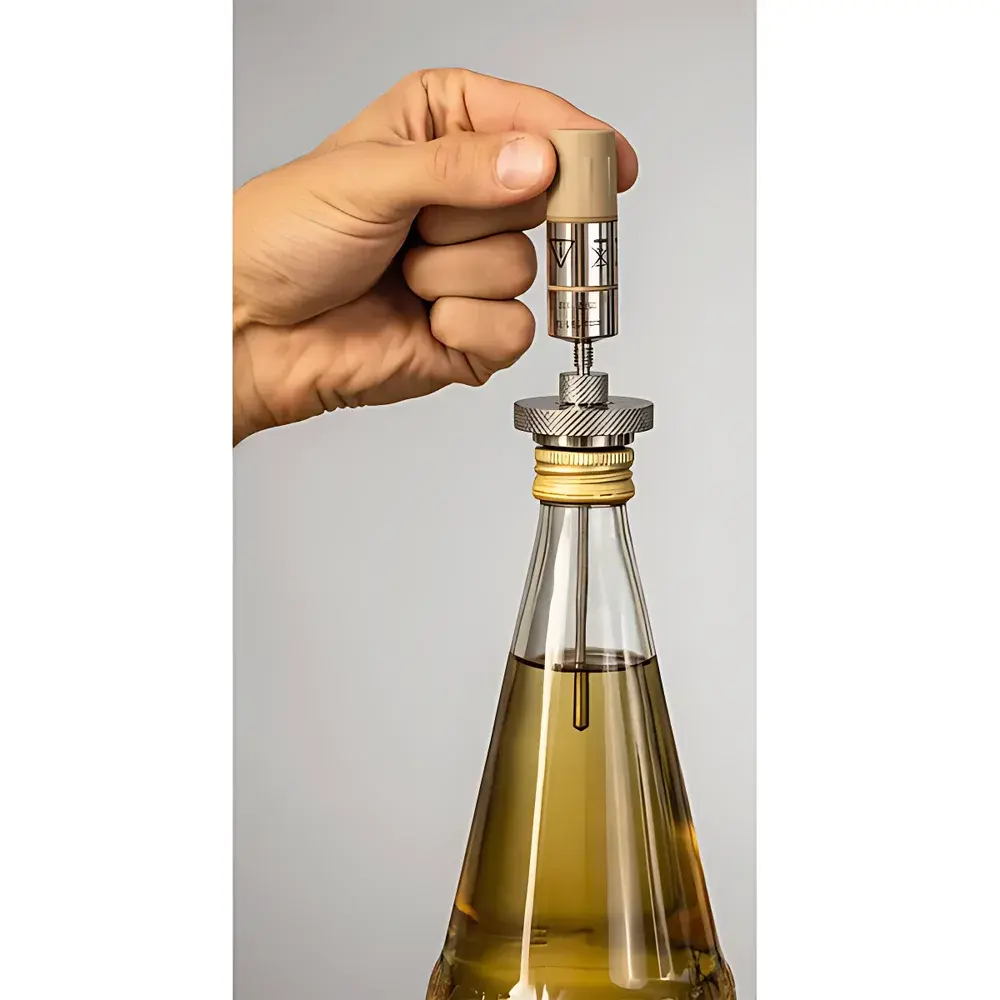
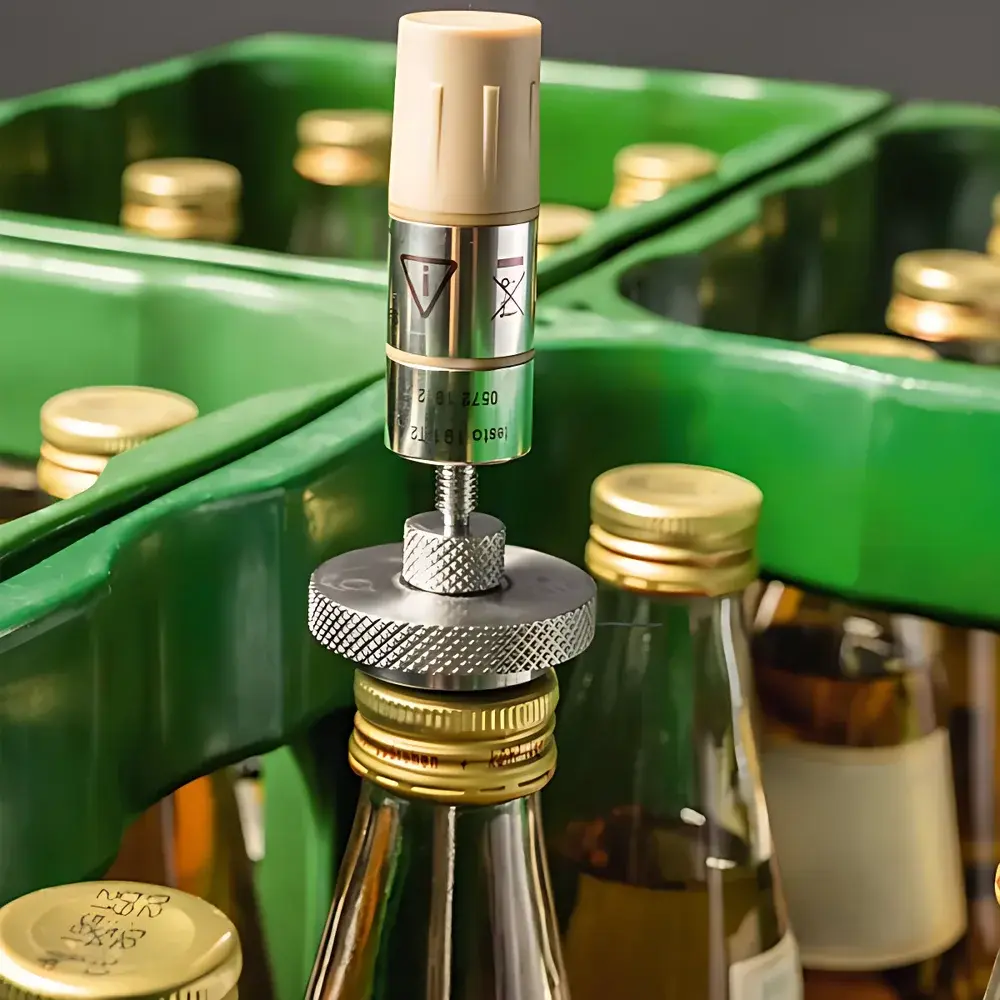
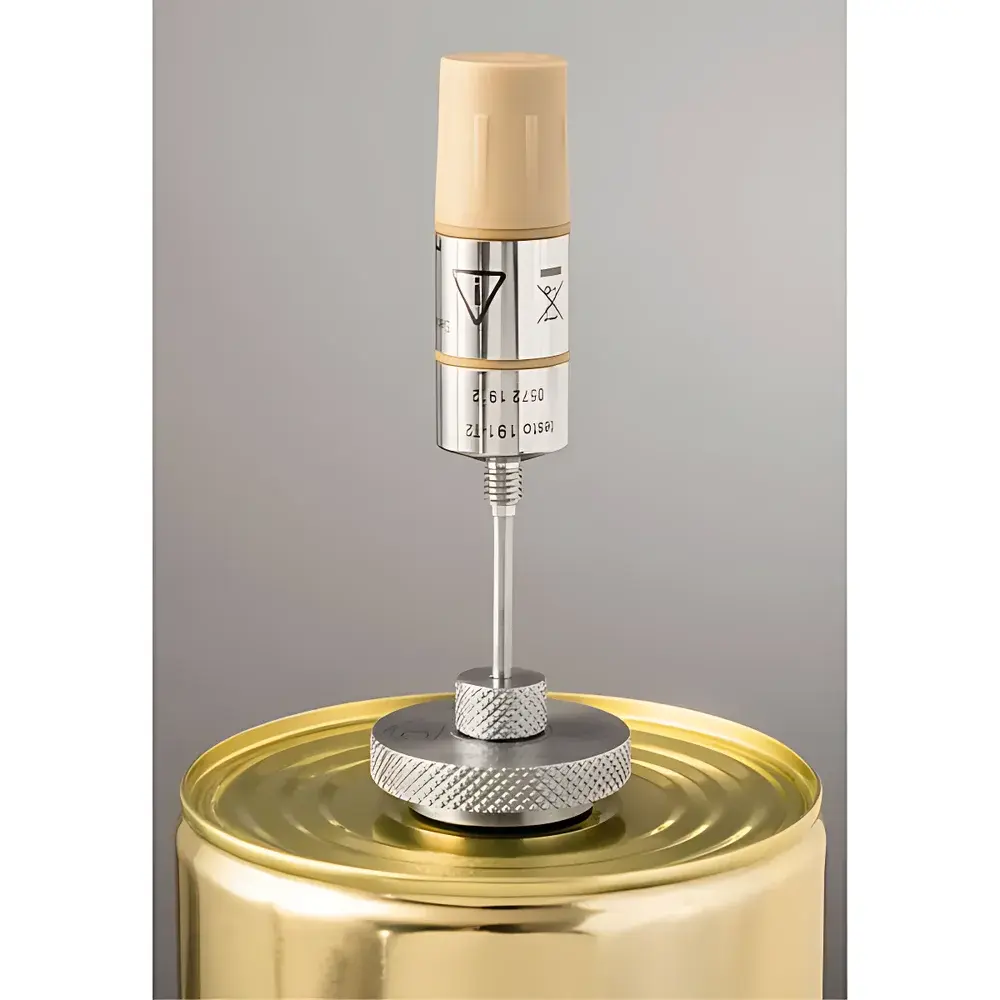
The testo 191-T2 HACCP Temperature Data Logger is a purpose-built, certified instrumentation solution for continuous, high-integrity thermal monitoring in food production environments governed by Hazard Analysis and Critical Control Point (HACCP) principles. Engineered to meet the stringent requirements of pasteurization, sterilization, retorting, and cold chain validation, this logger employs a precision Pt1000 resistance temperature detector (RTD) embedded within a rigid, stainless-steel probe sheath (Ø3 mm × 115 mm). Its measurement architecture adheres to fundamental thermodynamic traceability protocols—calibration is performed against NIST-traceable reference standards, and thermal response is characterized per IEC 60751 for Class A RTDs. The device operates across an extended range of −50 °C to +140 °C, with accuracy validated to ±0.1 °C from −40 °C onward—a specification aligned with critical control point (CCP) verification thresholds defined in Codex Alimentarius CAC/RCP 1-1969 and EU Regulation (EC) No 852/2004. Its compact cylindrical form factor (Ø20 × 59 mm) enables unobtrusive placement inside sealed containers, cans, bottles, or retort baskets without compromising process integrity.
Key Features
- High-precision Pt1000 sensor with documented metrological traceability to national standards; accuracy of ±0.1 °C over −40 °C to +140 °C ensures compliance with HACCP validation criteria for thermal lethality (e.g., F₀ calculations).
- Rigid stainless-steel probe (115 mm length, 3 mm diameter) designed for direct insertion into product mass—minimizing air-gap error and enabling representative core temperature measurement during heat penetration studies.
- IP68-rated hermetic enclosure constructed from medical-grade stainless steel (AISI 316L) and high-performance PEEK (polyether ether ketone) housing—resistant to steam sterilization (121 °C, 20 min), caustic cleaning agents, and repeated thermal cycling.
- Tool-free, rotation-threaded battery compartment enabling sub-10-second battery replacement while maintaining full 100% sealing integrity—validated per ISO 11607-1 for sterile barrier systems.
- Dual-battery configuration support: compact 1/2 AA lithium cell for space-constrained deployments; extended-capacity variant included for low-temperature applications (e.g., blast freezing at −40 °C), sustaining operation down to −50 °C.
- 60,000-measurement non-volatile memory with configurable logging intervals (1 second to 24 hours); timestamped data stored with microsecond-resolution real-time clock (RTC) backed by integrated capacitor.
Sample Compatibility & Compliance
The testo 191-T2 HACCP is validated for direct immersion in liquid, semi-solid, and solid food matrices—including dairy products, meat emulsions, canned vegetables, and ready-to-eat meals—during thermal processing. Its probe geometry and thermal mass are optimized to match typical food thermal diffusivity (α ≈ 1–2 × 10⁻⁷ m²/s), ensuring t₉₀ response ≤6 seconds under standard conditions (per EN 13485:2019 Annex C). The device complies with multiple regulatory frameworks: CE marking per Directive 2014/30/EU (EMC) and 2014/53/EU (RED); conformity with IEC 61000-6-2/6-3 for industrial electromagnetic environments; and design alignment with FDA 21 CFR Part 11 requirements for electronic records (when used with testo 191 Professional Software v3.0+ featuring audit trail, user access control, and electronic signature support). It supports GLP/GMP-aligned workflows through factory calibration certificates (including uncertainty budgets) and optional UKAS-accredited calibration services.
Software & Data Management
Data retrieval, configuration, and analysis are executed via the testo 191 Professional Software (sold separately), a Windows-based application validated for regulated environments. The software enables batch programming of up to eight loggers simultaneously using the testo multifunctional docking station (available in two configurations: 8-slot and 16-slot). All configuration parameters—including start trigger (time/date/manual), sampling interval, alarm thresholds, and custom labeling—are cryptographically signed and stored on-device to prevent unauthorized modification. Raw CSV and PDF report exports include full metadata: sensor ID, calibration date, operator ID, environmental timestamps, and statistical summaries (min/max/mean/std dev). Audit trails record every configuration change, data readout event, and user login—retained for ≥10 years per internal retention policy and compatible with enterprise document management systems (EDMS) via standardized ODBC drivers.
Applications
- Pasteurization validation in dairy processing (HTST, UHT) and juice production—monitoring hold-tube exit temperatures and dwell time compliance.
- Sterilization cycle verification in retort operations (still-air, steam-air mix, water-immersion) per ASTM F1980 and ISO 11137-1.
- Cold chain monitoring during frozen storage (-40 °C) and refrigerated transport (0–4 °C), supporting IFS Logistics and BRCGS Food Safety Issue 9 requirements.
- Thermal mapping of ovens, chillers, and blast freezers—used in IQ/OQ/PQ protocol execution for equipment qualification.
- HACCP plan verification for CCPs related to cooking, cooling, and reheating steps in RTE meal production facilities.
FAQ
Is the testo 191-T2 HACCP suitable for autoclave cycles at 134 °C?
No—the maximum rated operating temperature is +140 °C for short-duration exposure (≤30 minutes); sustained operation above +121 °C requires validation per EN 285 and may reduce long-term sensor stability.
Can the logger be recalibrated in-house?
Field recalibration is not supported; however, the device accepts external reference probe input during verification runs, and full recalibration must be performed by an accredited testo service laboratory or third-party ISO/IEC 17025 lab.
Does the IP68 rating apply after battery replacement?
Yes—mechanical sealing integrity is verified post-replacement using helium leak testing per ISO 10648-2, and the PEEK-coated thread interface maintains waterproof performance up to 10 bar static pressure.
What file formats does the software export?
CSV (with UTF-8 encoding and tabular metadata headers), PDF (print-ready validation reports with digital signatures), and XML (for integration with LIMS or MES platforms via REST API extension).
Is firmware update capability available remotely?
Firmware updates require physical connection via the docking station and must be initiated manually using the testo 191 Professional Software; no over-the-air (OTA) functionality is implemented for security and regulatory compliance reasons.




