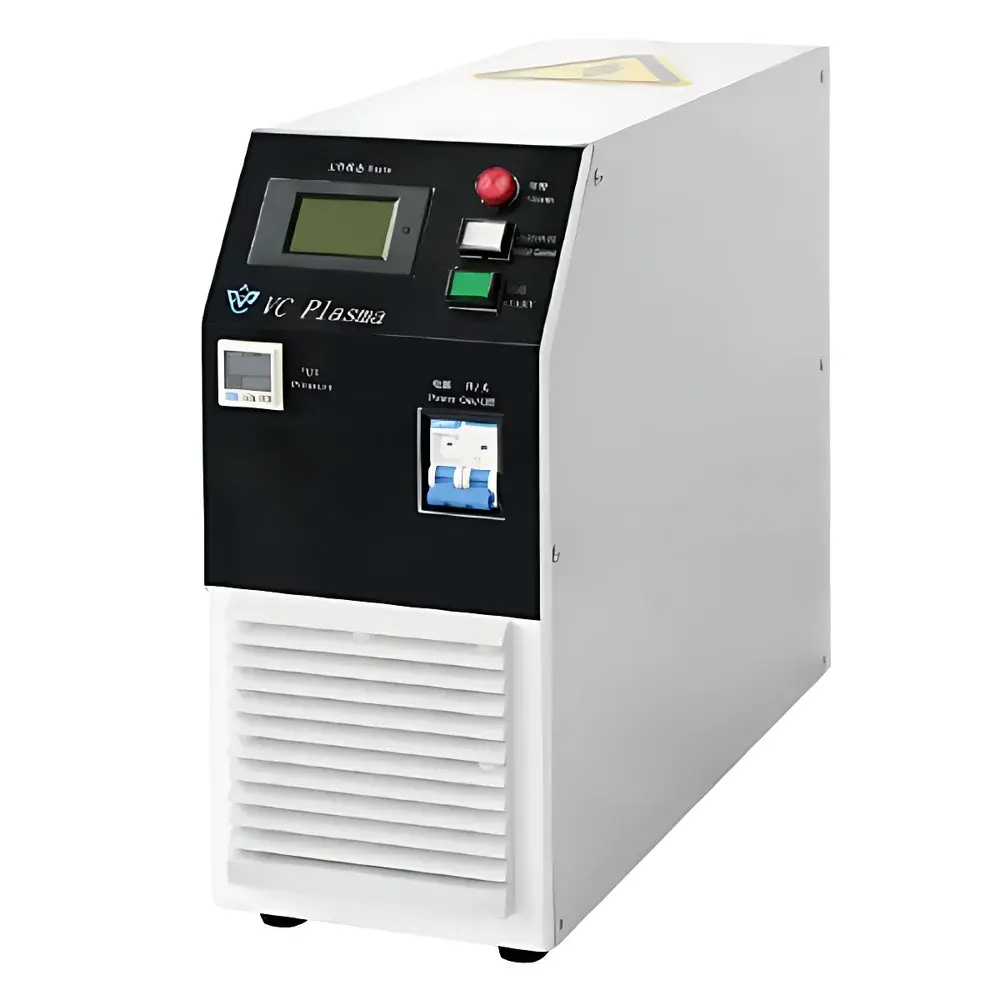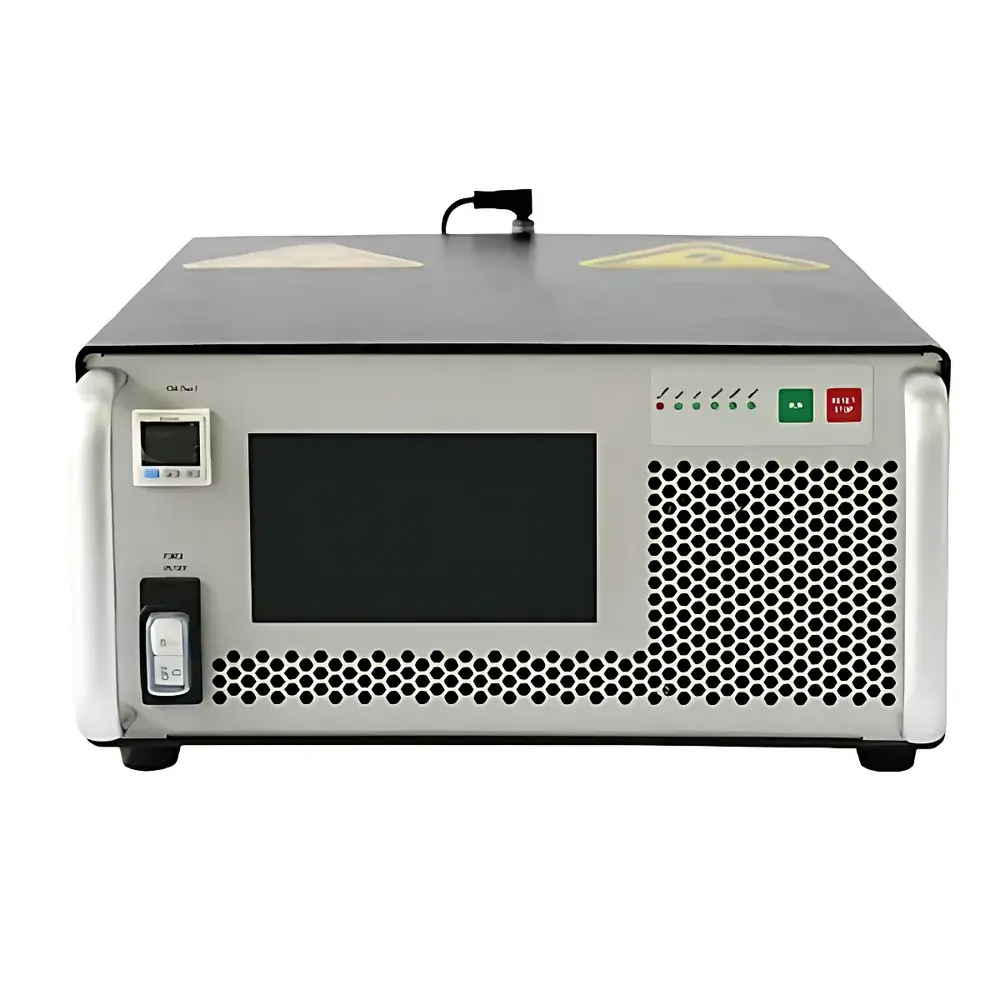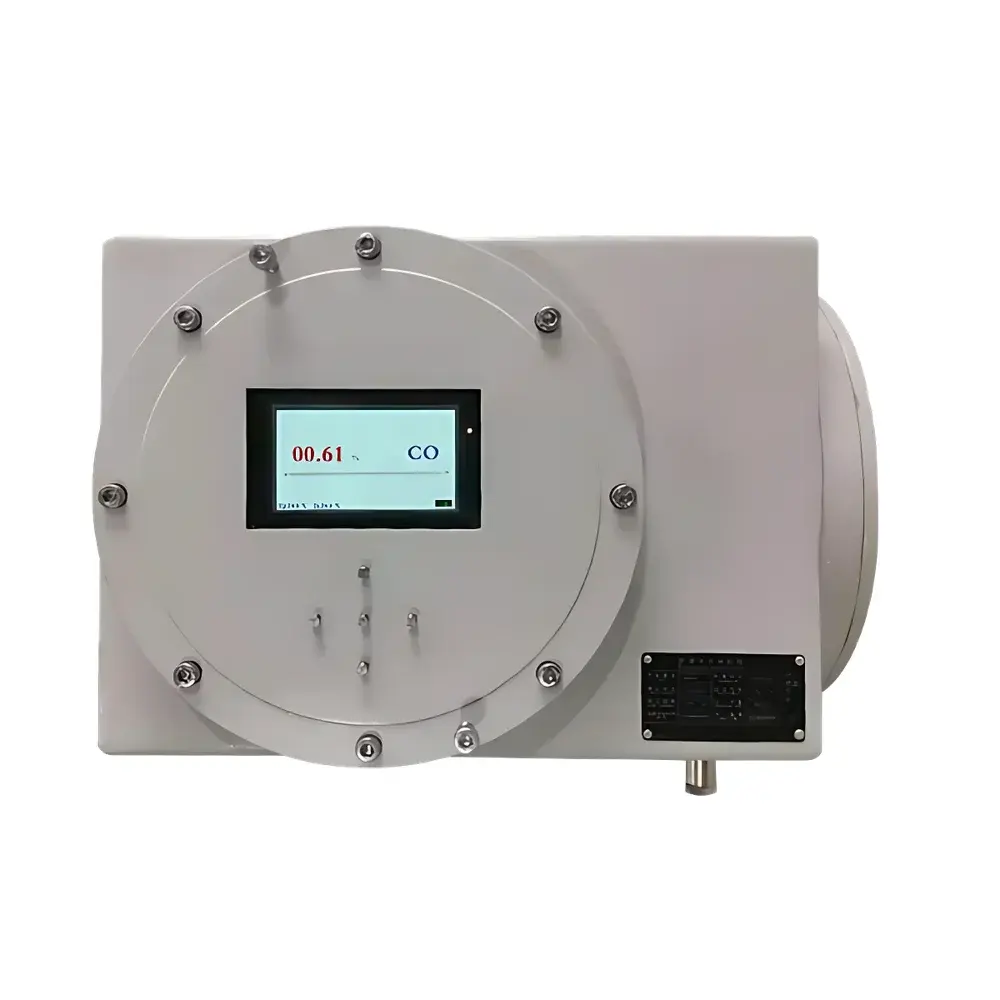
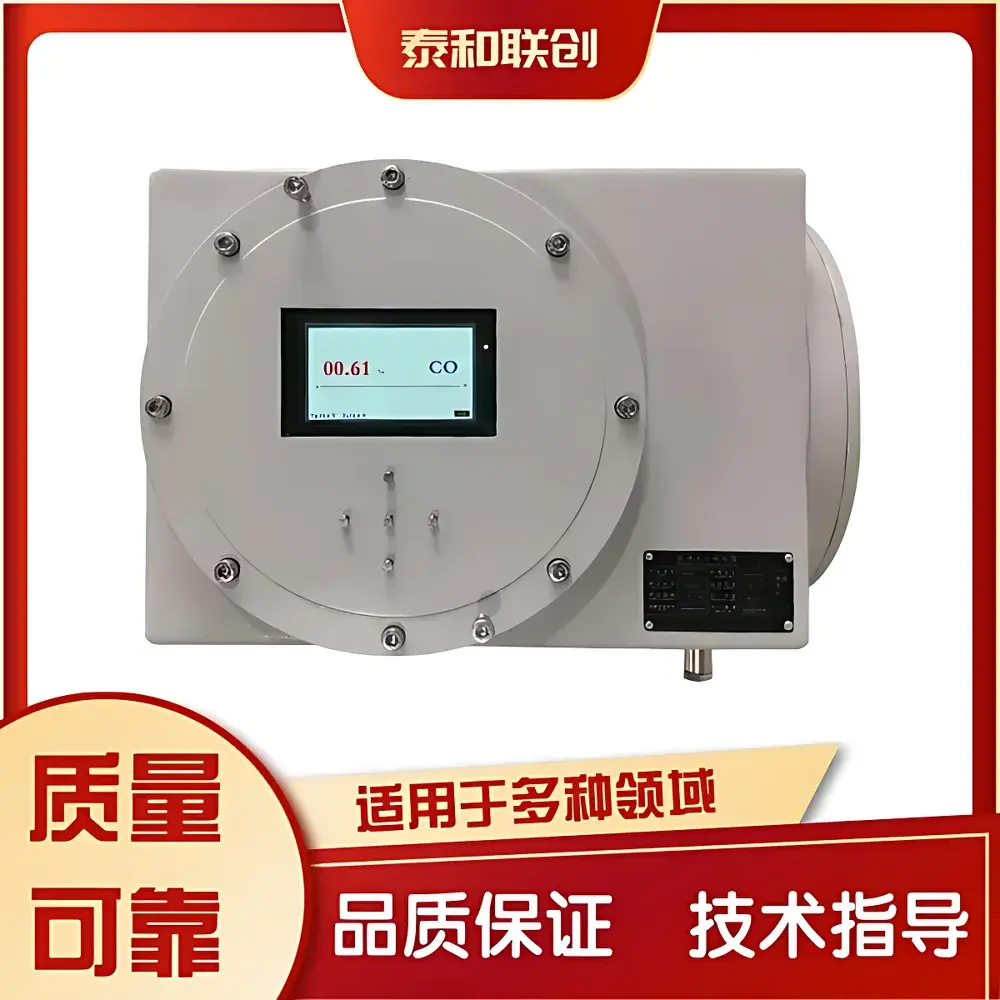
TH-analyzer THA-IEX-1 Intrinsically Safe Online Gas Analyzer
| Brand | TH-analyzer |
|---|---|
| Origin | Beijing, China |
| Manufacturer | TH-analyzer |
| Model | THA-IEX-1 |
| Linearity Error | ±2% FS |
| Repeatability | 1% |
| Response Time (T90) | ≤25 s |
| Explosion Protection Rating | Ex d IIC T6 Gb |
| Operating Temperature | 5–45 °C |
| Stability | ±2% FS / 7 days |
| Ambient Temperature Effect | ±2% FS (5–45 °C) |
| Measurement Principle | NDIR (Non-Dispersive Infrared) Absorption |
| Detectable Gases | CO, CO₂, CH₄, SO₂, NO, NO₂, N₂O, SF₆, NH₃, O₂ (optional) |
Overview
The TH-analyzer THA-IEX-1 Intrinsically Safe Online Gas Analyzer is an industrial-grade, continuous emission monitoring (CEM) system engineered for reliable, real-time quantification of multiple gas species in hazardous environments. Based on the fundamental principle of non-dispersive infrared (NDIR) absorption spectroscopy, the analyzer leverages the unique vibrational-rotational absorption bands of target gases in the mid-infrared region (typically 2–14 µm). According to the Lambert–Beer law, the intensity of absorbed IR radiation is directly proportional to the concentration and path length of the analyte gas—enabling precise, interference-resistant measurement without chemical reagents or consumables. Designed specifically for Zone 1 and Zone 2 explosive atmospheres, the THA-IEX-1 complies with IEC 60079-1 (flameproof enclosure “d”) and carries the Ex d IIC T6 Gb certification, ensuring safe operation in environments where flammable vapors such as hydrocarbons, hydrogen sulfide, or ammonia may be present. Its robust mechanical architecture, integrated thermal stabilization, and pressure-compensated optical path make it suitable for unattended, long-term deployment in refinery off-gas streams, syngas purification loops, fertilizer plant tail gas ducts, and biogas upgrading facilities.
Key Features
- Triple-channel NDIR optical module supporting simultaneous analysis of up to three gas components—two via dual-beam infrared channels and one via electrochemical or paramagnetic O₂ sensor (optional)
- High-stability, high-output micro-filament IR source with extended lifetime (>20,000 h) and low thermal drift
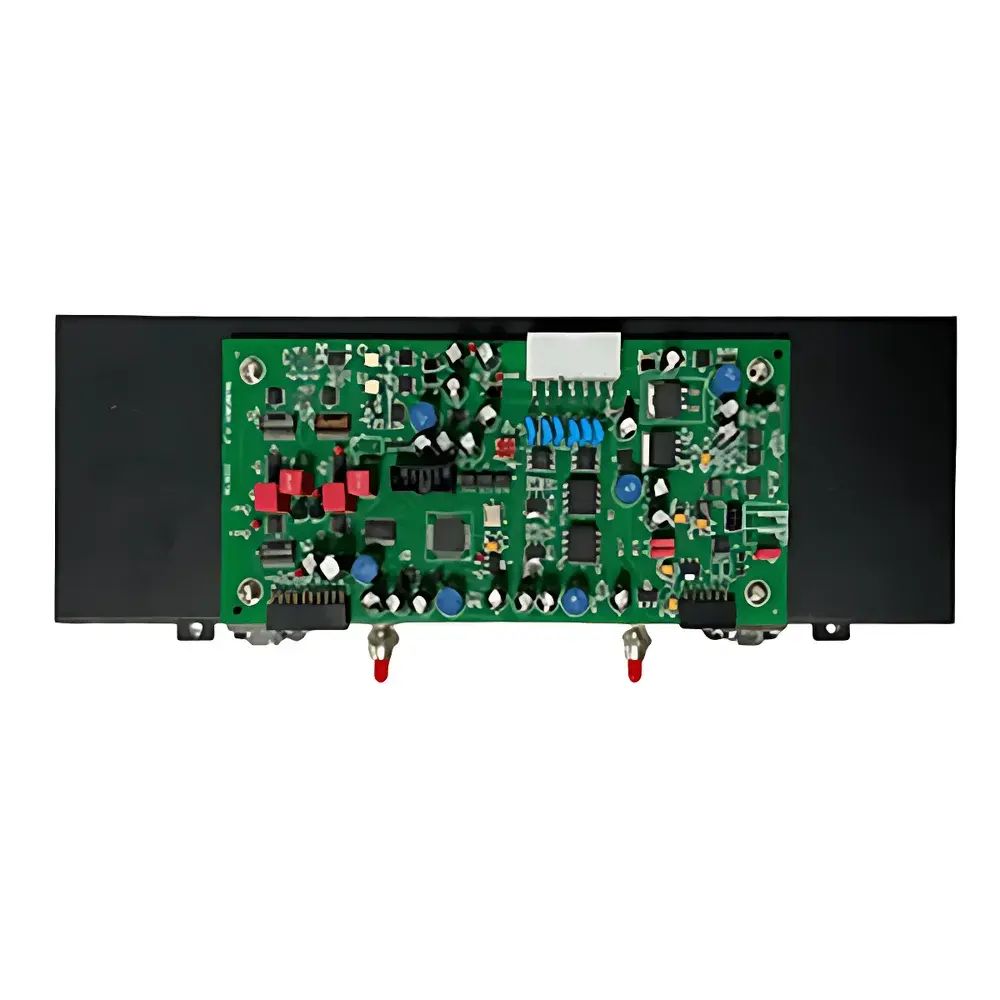
- Dual-channel pyroelectric detector configuration with active reference compensation, minimizing zero drift and enhancing signal-to-noise ratio
- Integrated Peltier-based temperature control maintaining optical block at ±0.1 °C stability, reducing ambient temperature influence to ±2% FS over 5–45 °C range
- Real-time atmospheric pressure compensation using built-in barometric sensor (range: 80–110 kPa), correcting for density-dependent absorption effects
- Galvanically isolated 4–20 mA analog outputs (up to 3 channels) with HART protocol support for field device integration
- Eight programmable relay outputs (SPDT, 250 VAC/3 A) for alarm staging, valve control, or shutdown interlocks
- RS232 serial interface (standard); optional RS485 Modbus RTU implementation for SCADA and DCS connectivity
- Backlit 5.7-inch TFT LCD with full Chinese GUI, touch-enabled navigation, auto-dimming, and screen-saver mode
Sample Compatibility & Compliance
The THA-IEX-1 accommodates a wide dynamic range for critical process gases: CO (0–100 ppm / 0–100%), CO₂ (0–10 ppm / 0–100%), CH₄ (0–200 ppm / 0–100%), SO₂ (0–300 mg/m³ / 0–100%), NO (0–500 mg/m³ / 0–50%), NO₂ (0–100 mg/m³), N₂O (0–50 ppm / 0–100%), SF₆ (0–100 ppm), NH₃ (0–300 ppm / 0–100%), and O₂ (0–25% vol, optional). Sample inlet operates at standard pressure (±10 kPa) with heated sampling line compatibility (up to 180 °C). The analyzer meets EN 61000-6-2/-6-4 (EMC immunity/emission), RoHS Directive 2011/65/EU, and conforms to functional safety principles aligned with IEC 61508 SIL 2 for safety-related subsystems. While not certified to EPA Method 3A or EN 15267, its performance characteristics—including ±2% FS linearity, ≤25 s T90 response, and 1% repeatability—are consistent with ISO 14001-compliant emissions reporting requirements when deployed with validated calibration protocols and documented maintenance records.
Software & Data Management
The embedded firmware supports comprehensive data logging (internal SD card, ≥1 year at 1-min intervals), time-stamped event recording (alarms, calibrations, power cycles), and audit-trail functionality compliant with GLP/GMP traceability expectations. Calibration routines include zero/span verification, multi-point linearity checks, and automatic baseline correction. All configuration parameters—including gas ranges, alarm thresholds, relay logic, and communication settings—are stored in non-volatile memory with password-protected access levels (operator, engineer, administrator). Remote diagnostics are enabled via Modbus TCP gateway modules; raw spectral data export (CSV format) is available for third-party validation software. The system supports scheduled auto-calibration using external gas standards and integrates with asset management platforms through OPC UA or MQTT brokers.
Applications
- Continuous monitoring of CO and CO₂ in ammonia synthesis purge gas and urea plant off-gas streams
- In-situ analysis of CH₄ and SO₂ in fluid catalytic cracking (FCC) regenerator flue gas
- Real-time NOₓ (NO + NO₂) tracking in selective non-catalytic reduction (SNCR) zones of coal-fired boilers
- Biogas quality assurance: CH₄/CO₂ ratio monitoring prior to CHP or grid injection
- Safety-critical O₂ deficiency detection in confined-space inerting systems (e.g., LNG tank purging)
- Leak detection and composition verification in SF₆-insulated switchgear maintenance workflows
- Ammonia slip monitoring downstream of SCR catalysts in nitric acid production
FAQ
What explosion protection standard does the THA-IEX-1 meet?
It is certified to IEC 60079-1 as Ex d IIC T6 Gb, suitable for Group IIC gases (e.g., hydrogen, acetylene) and surface temperatures not exceeding 85 °C under fault conditions.
Can the analyzer measure oxygen simultaneously with infrared gases?
Yes—oxygen is measured via an optional electrochemical or paramagnetic sensor, independent of the NDIR optical path, enabling true multi-component analysis.
Is pressure compensation mandatory for accurate readings?
Yes—built-in barometric compensation is active by default and essential for applications experiencing >±5 kPa ambient pressure variation, particularly at elevation or in enclosed process vessels.
How often should calibration be performed?
Zero calibration is recommended daily or before each shift; span calibration every 7–30 days depending on process severity, per ISO 14644-1 and internal QA procedures.
Does the THA-IEX-1 support digital communication protocols beyond RS232?
Standard RS232 is provided; RS485 Modbus RTU and optional Ethernet (Modbus TCP) interfaces are available via factory-configurable hardware modules.
Related Products