
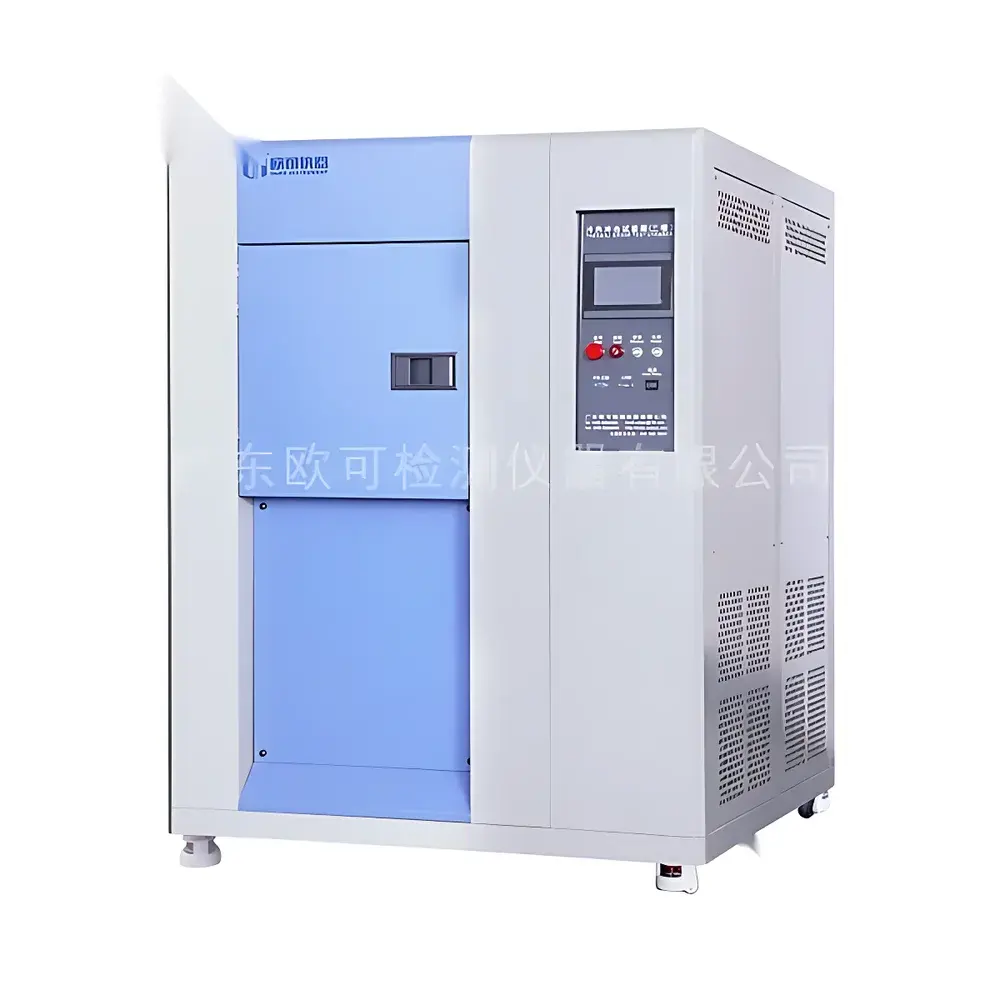
Thermal Shock Test Chamber – OK-TS Series (Imported, General Distributor Supply)
| Key | Brand – Other Brands |
|---|
Overview
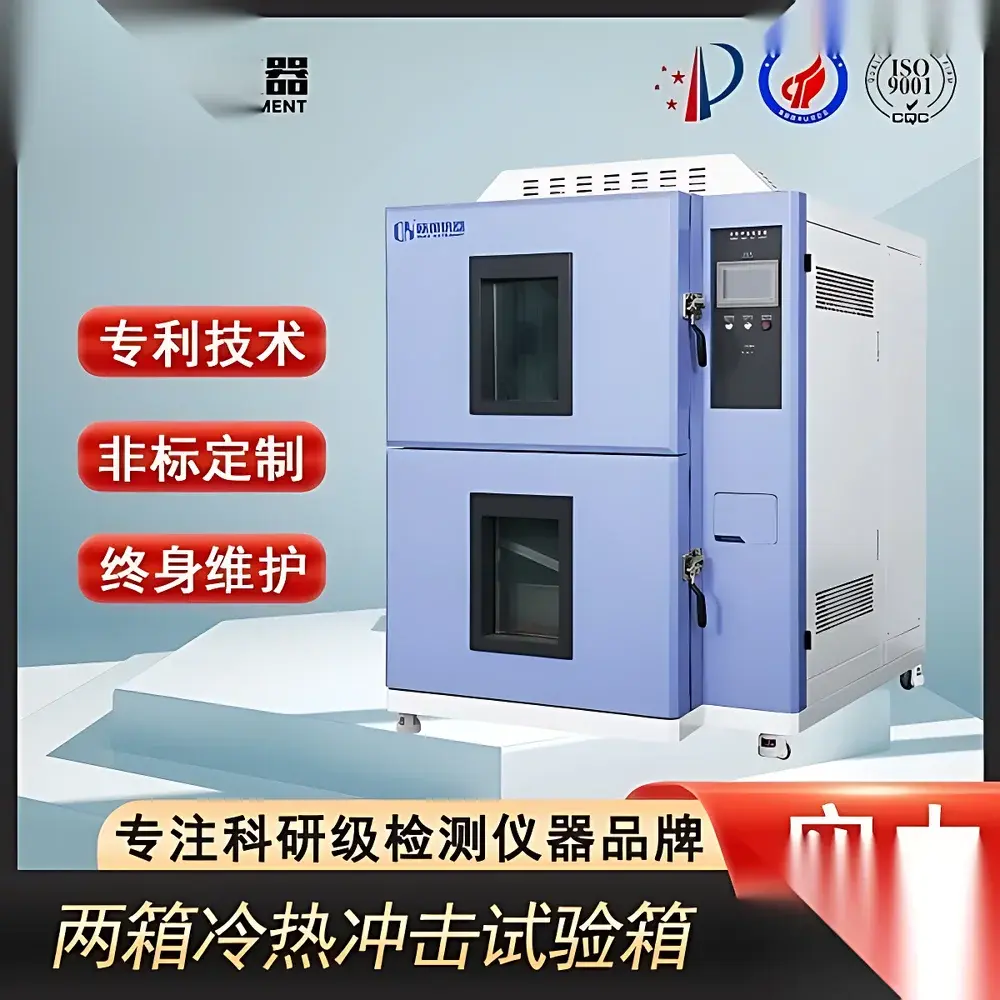
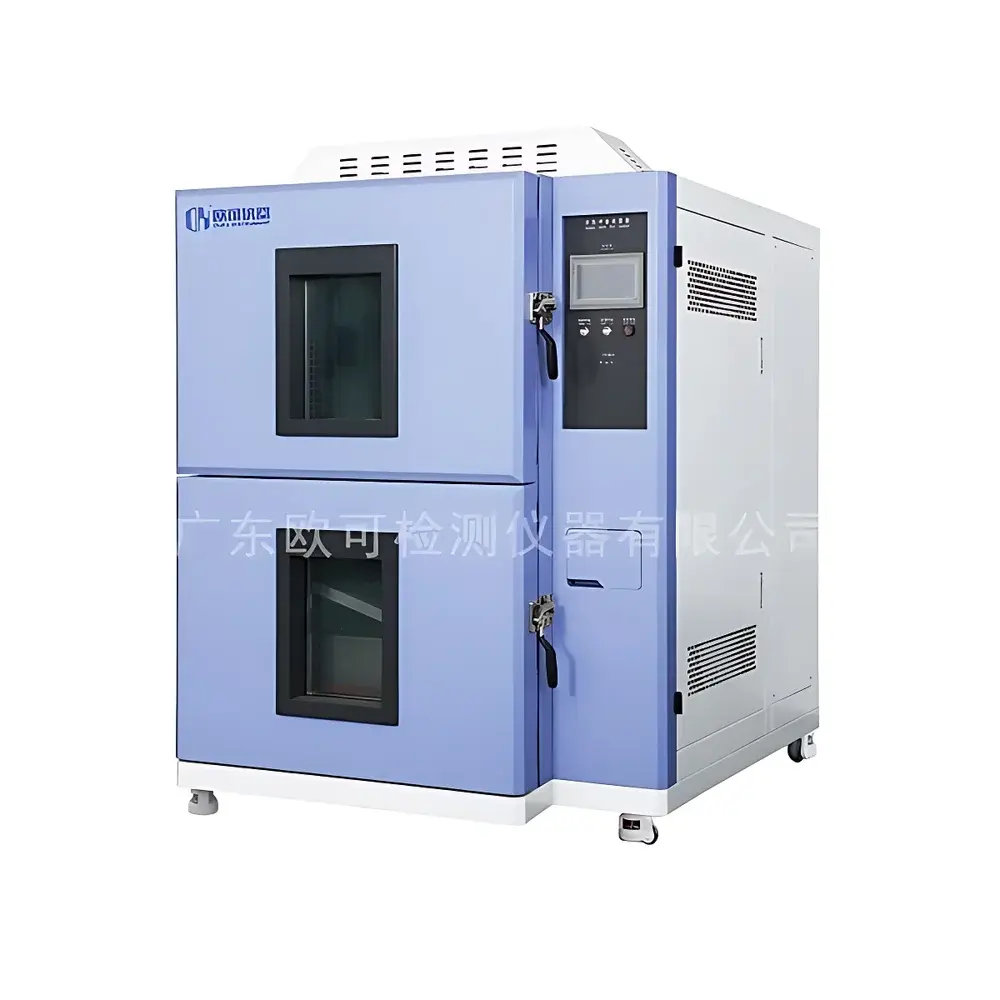
The OK-TS Series Thermal Shock Test Chamber is an engineered environmental simulation system designed to evaluate material and component reliability under rapid, repetitive transitions between extreme temperature extremes. Based on a dual-chamber (hot/cold) or single-chamber with cryogenic/hot gas injection architecture, it subjects test specimens to controlled thermal shock profiles in accordance with international standards including IEC 60068-2-14, MIL-STD-810H Method 503.7, JIS C 60068-2-14, and GB/T 2423.22. Its core function is to accelerate failure mechanisms—such as solder joint fatigue, delamination, interfacial cracking, coefficient of thermal expansion (CTE) mismatch stress, and seal integrity degradation—by inducing abrupt thermal gradients across heterogeneous materials. The chamber is not intended for steady-state conditioning but specifically for dynamic thermal cycling where dwell time, transition rate, and cycle count are precisely programmable and repeatable.
Key Features
- Modular dual-zone design with independent hot and cold chambers, enabling fast temperature transition times (typically < 10 seconds between –65°C and +200°C, per standard configuration)
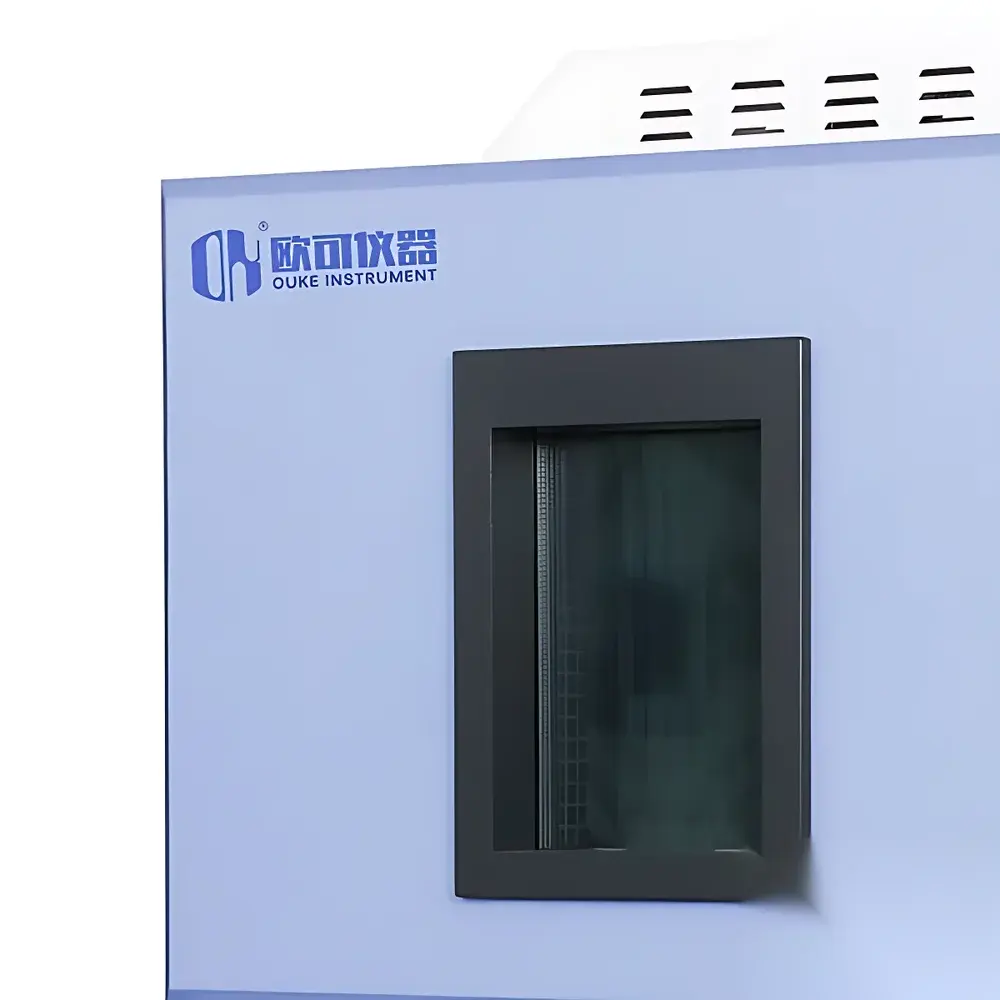
- Stainless steel SUS304 mirror-finish interior chamber walls, corrosion-resistant and non-outgassing—critical for electronics and cleanroom-compatible applications
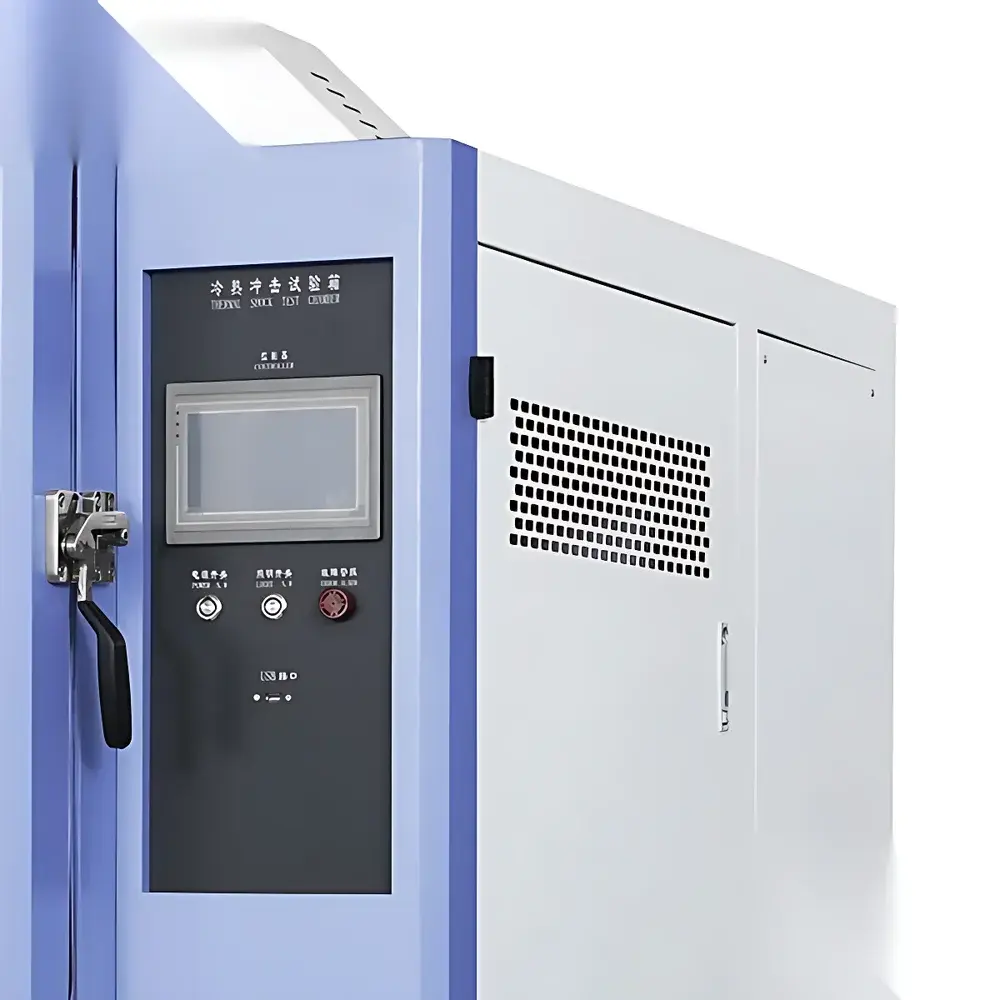
- PID-controlled intelligent temperature regulator with digital LCD interface and SSR/SSR+SCR solid-state output for stable setpoint maintenance and minimal overshoot
- Optimized airflow network and uniform heating/cooling distribution ensures ±1.5°C temperature uniformity across the working volume (per IEC 60068-3-5)
- Low external surface temperature (< 45°C at ambient 25°C) achieved via multi-layer insulation and high-efficiency silicone rubber gasket sealing
- Customizable internal dimensions (from 80 L to 800 L working volume) and electrical configurations (220 V / 380 V, 3–9 kVA) to match facility infrastructure and test specimen scale
- Compliance-ready construction: supports optional audit trails, user access levels, and calibration traceability documentation for GLP/GMP environments
Sample Compatibility & Compliance
The OK-TS series accommodates a broad range of sample types—including PCB assemblies, IC packages, MEMS devices, ceramic substrates, battery cells, optical lenses, and polymer encapsulants—without requiring fixture modification. Specimens up to 30 kg may be mounted on standard stainless steel trays or custom fixtures. All models meet electromagnetic compatibility (EMC) requirements per EN 61326-1 and safety standards per EN 61010-1. For regulated industries (e.g., automotive AEC-Q200, aerospace AS9100), optional validation packages—including IQ/OQ/PQ protocols, uncertainty budgets, and temperature mapping reports—are available upon request. The system supports test profiles defined in JEDEC JESD22-A104 (Temperature Cycling) and IPC-9701 (Performance Classes for Interconnect Systems).
Software & Data Management
Equipped with embedded controller firmware supporting up to 99 programmable test cycles, each with independent hot/cold dwell times (1 min–999 h), transition rates (programmable ramp control), and cycle repetition counts. Optional PC-based software (Windows-compatible) provides real-time graphing, data export in CSV/Excel format, alarm logging with timestamps, and electronic signature support aligned with FDA 21 CFR Part 11 requirements. Audit trail functionality records all parameter changes, user logins, and system events—enabling full traceability during regulatory inspections. Calibration data can be stored and recalled per sensor channel (PT100 class A sensors used throughout).
Applications
This thermal shock chamber is routinely deployed in R&D labs and quality assurance departments for qualification testing of components destined for automotive ECUs, avionics modules, medical electronics, 5G RF front-end devices, and power semiconductor packaging. It supports failure analysis root cause identification in accelerated life testing (ALT), process robustness verification (e.g., reflow soldering validation), and supplier qualification per AEC-Q100/Q200. In academic research, it facilitates studies on thermo-mechanical fatigue modeling, intermetallic growth kinetics, and glass transition behavior in polymeric underfills. Its versatility extends to non-electronic sectors such as precision optics, aerospace composites, and high-reliability ceramic insulators.
FAQ
What temperature ranges are supported?
Standard operation spans –65°C to +200°C; optional high-temperature configurations extend upper limits to +300°C using upgraded heating elements and insulation.
Is this chamber suitable for humidity-enabled thermal shock testing?
No—the OK-TS series is strictly dry thermal shock; for combined temperature/humidity shock, a separate thermal-hygrothermal shock chamber (e.g., OK-THS series) is required.
Can test profiles be exported and shared across multiple units?
Yes—profile files (.prf) are cross-compatible and can be loaded via USB or RS-485 interface.
Does the system include factory calibration certification?
Each unit ships with a NIST-traceable calibration certificate covering chamber air sensors at three points (–65°C, 25°C, +200°C), valid for 12 months.
What maintenance intervals are recommended?
Compressor oil and refrigerant filter replacement every 24 months; door gasket inspection and cleaning every 6 months; annual temperature uniformity mapping recommended for ISO/IEC 17025 accredited labs.



