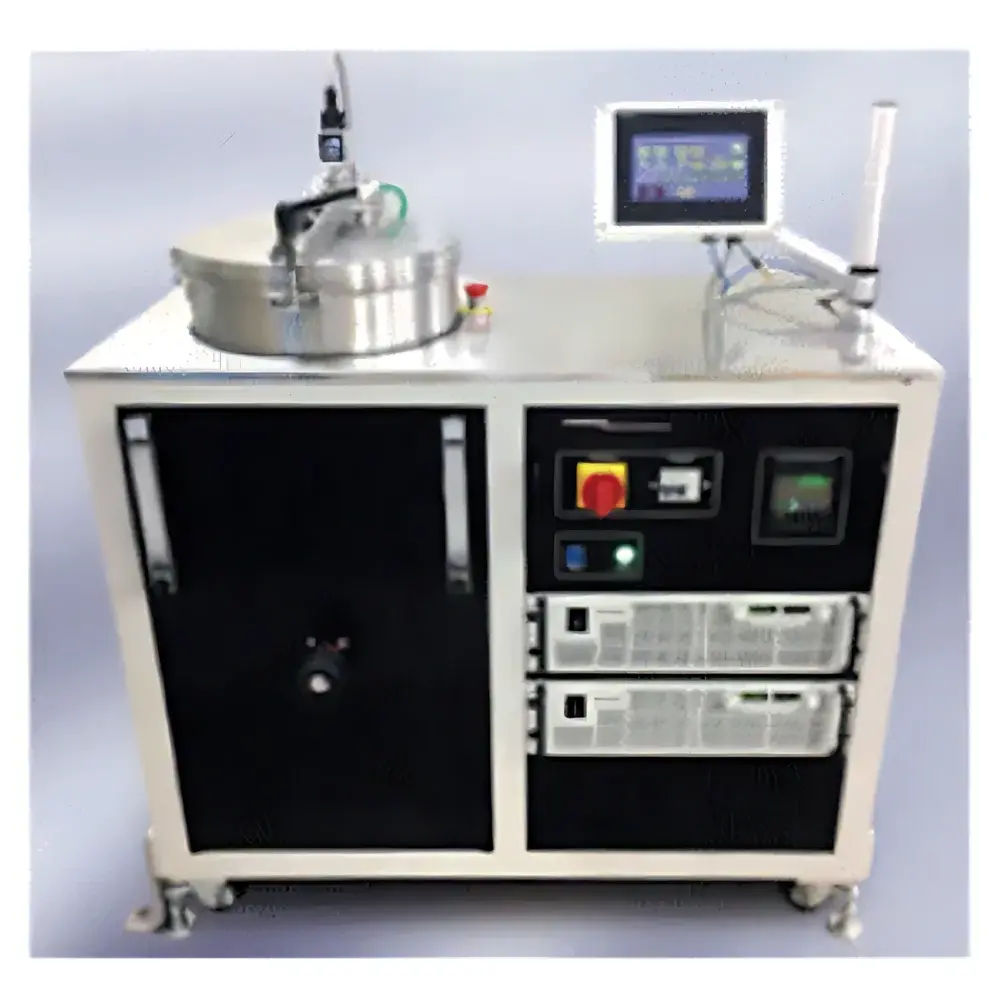
Thermic Edge TE2000 & TE3000 High-Vacuum Rapid Thermal Annealing Furnaces
| Brand | Thermic Edge |
|---|---|
| Origin | United Kingdom |
| Model | TE2000, TE3000 |
| Instrument Type | High-Vacuum Rapid Thermal Annealing Furnace |
| Maximum Operating Temperature | 2100 °C (vacuum), 2600 °C (inert atmosphere with tungsten heating zone), 3000 °C (graphite heating zone) |
| Vacuum Level | Down to 5 × 10⁻⁸ mbar (with Edwards EXT75DX turbomolecular pump) |
| Sample Capacity | Up to 200 mm (8-inch) wafers |
| Temperature Uniformity | < ±1% across heating zone |
| Temperature Accuracy | Better than ±1% of setpoint |
| Ramp Rate | ≥100 °C/min (heating), up to 200 °C/s (controlled cooling) |
| Pressure Control Precision | < ±0.5 bar |
| Heating Zone Materials | Graphite or tungsten |
| Vacuum Interface Standard | ISO-KF63 or KF25 |
| Cooling System | Integrated water-cooling circuit |
| Safety Systems | Interlocked electronic door lock, real-time O₂ purge logic, over-temperature and over-pressure alarms, LED status indicators |
Overview
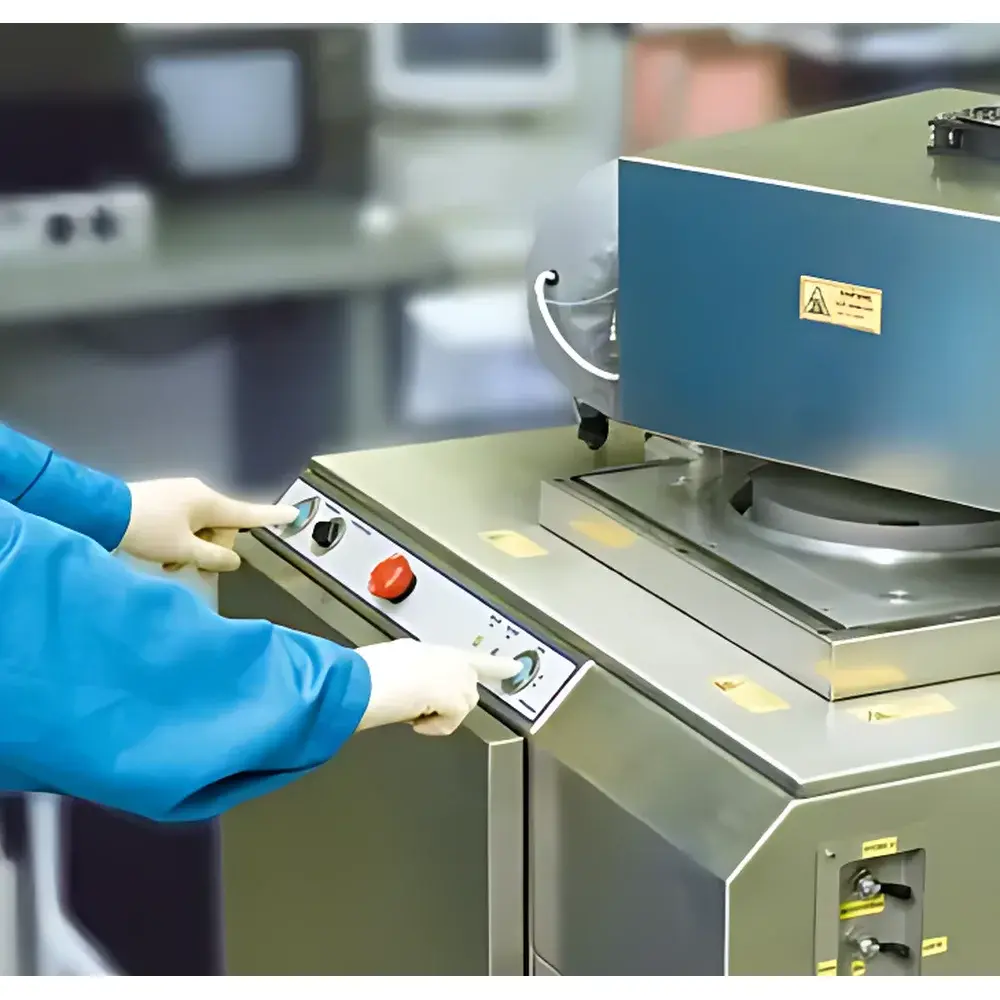
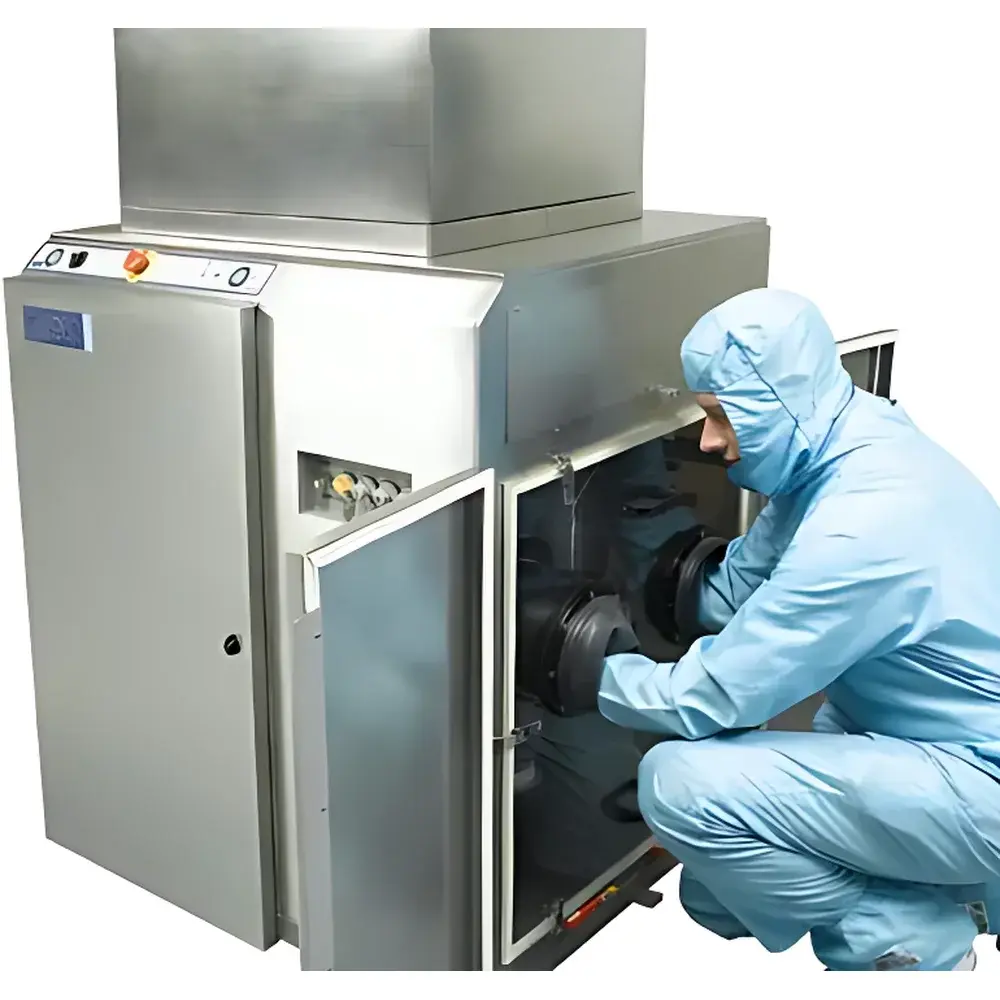
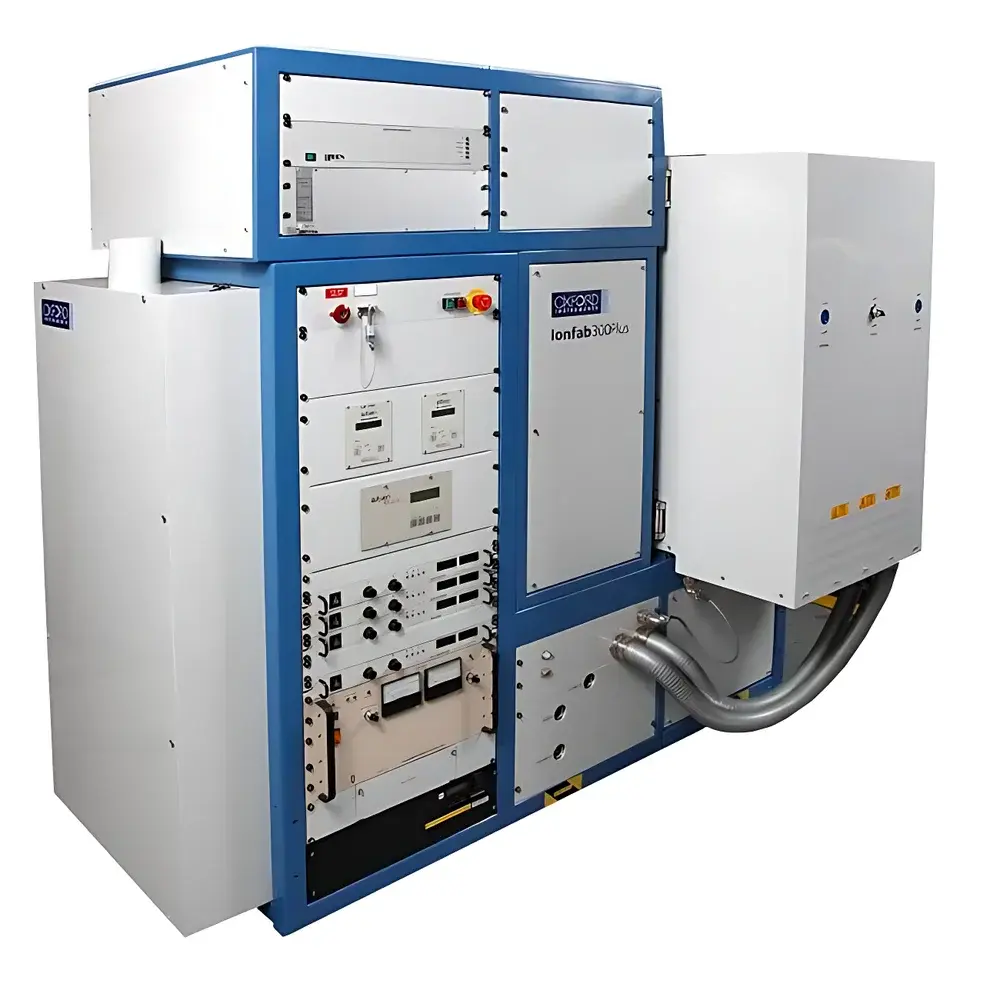
The Thermic Edge TE2000 and TE3000 series are high-vacuum rapid thermal annealing (RTA) furnaces engineered for precision semiconductor process development, advanced materials research, and small-batch thermal processing under ultra-clean conditions. These systems operate on resistive heating principles using either high-purity graphite or refractory tungsten heating elements, enabling stable, repeatable thermal cycles in vacuum or controlled inert/hydrogen atmospheres. Designed for integration into Class 100–1000 cleanroom environments, the furnaces support critical thermal steps including dopant activation, silicide formation, oxide densification, and epitaxial layer stabilization. Their architecture complies with fundamental requirements of semiconductor fabrication workflows—namely, sub-1% temperature uniformity, sub-second thermal response, and full traceability of process parameters under vacuum conditions down to 5 × 10⁻⁸ mbar.
Key Features
- Multi-zone configurable heating architecture supporting both localized and uniform thermal profiles across 200 mm (8-inch) substrates.
- Graphite or tungsten heating zones rated for continuous operation at 2100 °C (vacuum), 2600 °C (Ar/N₂), or 3000 °C (graphite + H₂), with thermal stability maintained within ±1 °C over 4-hour dwell periods.
- Integrated high-speed ramp control enabling programmable heating rates from 1 °C/s to >100 °C/min and active quenching up to 200 °C/s via forced convection and water-cooled chamber walls.
- Full vacuum automation: auto-purge sequences eliminate residual oxygen prior to heating above 500 °C; pressure ramping and hold functions maintain gas partial pressures within ±0.5 bar tolerance.
- Electromechanical safety interlock system with dual-redundant electronic door locking, real-time fault logging, and visual/audible alarm escalation per IEC 61508 SIL2 guidelines.
- Modular pumping configuration: compatible with Edwards RV8 rotary vane pumps (base vacuum: 2 × 10⁻⁷ MPa), diffusion pumps (5 × 10⁻¹¹ MPa), or EXT75DX turbomolecular pumps (5 × 10⁻¹² MPa).
- ISO-KF63 or KF25 standardized vacuum flanges enable seamless integration with residual gas analyzers (RGA), mass spectrometers, or in-situ optical pyrometry systems.
Sample Compatibility & Compliance
The TE2000/TE3000 accommodates planar substrates up to 200 mm diameter—including silicon, SiC, GaN, sapphire, quartz, and metallic thin-film stacks—as well as crucibles for powder-based annealing. Chamber geometry supports both horizontal top-loading and vertical bottom-pumping configurations, minimizing particulate generation during wafer insertion. All wetted surfaces are electropolished stainless steel (316L) with metal-sealed CF or ISO-KF connections. The system meets ISO 14644-1 Class 5 cleanroom compatibility standards and is fully compliant with SEMI S2-0215 (safety) and SEMI E10-0719 (equipment reliability). Optional documentation packages include IQ/OQ protocols aligned with FDA 21 CFR Part 11 and EU Annex 11 requirements for GMP-regulated R&D labs.
Software & Data Management
Operation is managed via a Windows-based HMI running Thermic Edge’s proprietary RTAControl™ software, which provides full recipe-driven control, real-time thermal mapping visualization, and synchronized data logging at 100 Hz resolution. Each thermal cycle generates an immutable audit trail containing timestamped temperature, pressure, gas flow, power input, and alarm events—exportable in CSV, XML, or ASTM E2754-compliant format. Optional add-ons include remote monitoring via OPC UA, integration with MES platforms (e.g., Siemens Opcenter, Applied Materials EnduraLink), and GLP/GMP-compliant electronic signatures with role-based access control.
Applications
- Dopant activation annealing for ultra-shallow junctions in sub-10 nm CMOS nodes.
- Metal–semiconductor contact formation (e.g., NiSi, CoSi₂, TiSi₂) with minimal interdiffusion.
- Post-deposition annealing of high-k dielectrics (HfO₂, Al₂O₃) and ferroelectric oxides (HfZrO₄, PZT).
- Graphene and transition metal dichalcogenide (TMD) substrate pre-treatment and defect healing.
- Sintering and crystallization of transparent conductive oxides (ITO, AZO) and perovskite precursors.
- High-temperature calibration of thermocouples and radiation thermometers per ISO/IEC 17025.
FAQ
What vacuum level is required for carbon-free annealing of silicon wafers?
For oxide-free surface preparation and suppression of graphitization on Si, a base pressure ≤1 × 10⁻⁷ mbar is recommended prior to heating above 1000 °C.
Can hydrogen be used safely with the tungsten heating zone?
Yes—the tungsten configuration is explicitly rated for H₂ atmospheres up to 2600 °C; all internal components are passivated and leak-tested to ASTM E499 standards.
Is the system compatible with in-situ ellipsometry or reflectance monitoring?
Standard viewport configurations include CaF₂ or sapphire windows (200–2000 nm transmission); custom optical ports with UHV-compatible feedthroughs are available upon request.
How is temperature uniformity validated across the heating zone?
Uniformity is certified using a 9-point NIST-traceable thermocouple array per ASTM F1852, with results documented in the factory acceptance test report.
What maintenance intervals are recommended for the turbomolecular pump?
Edwards EXT75DX requires annual bearing inspection and rotor balancing; full service is advised every 12,000 operating hours or biannually—whichever occurs first.