Tianhe GWF-A2 High-Precision Automated Insoluble Particle Detector for Medical Devices
| Brand | Tianhe |
|---|---|
| Origin | Tianjin, China |
| Manufacturer Type | Authorized Distributor |
| Country of Origin | China |
| Model | GWF-A2 |
| Pricing | Available Upon Request |
Overview
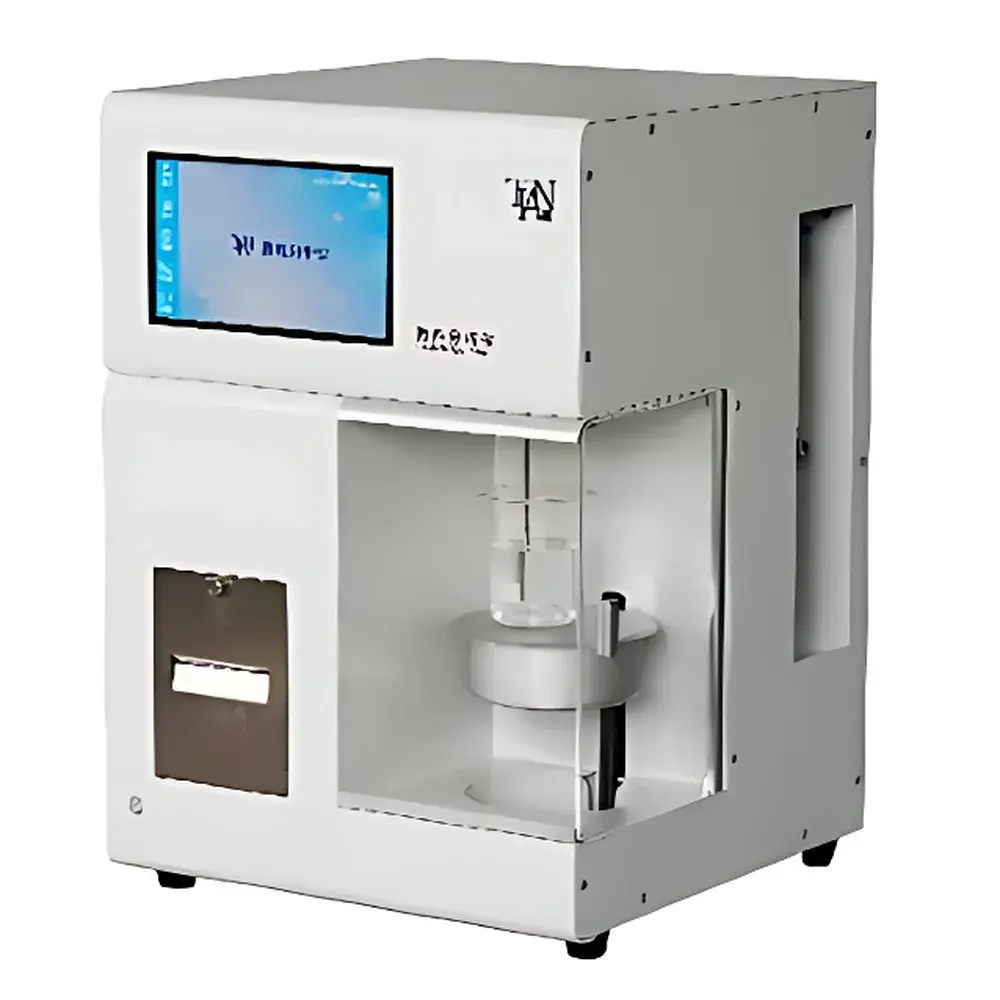
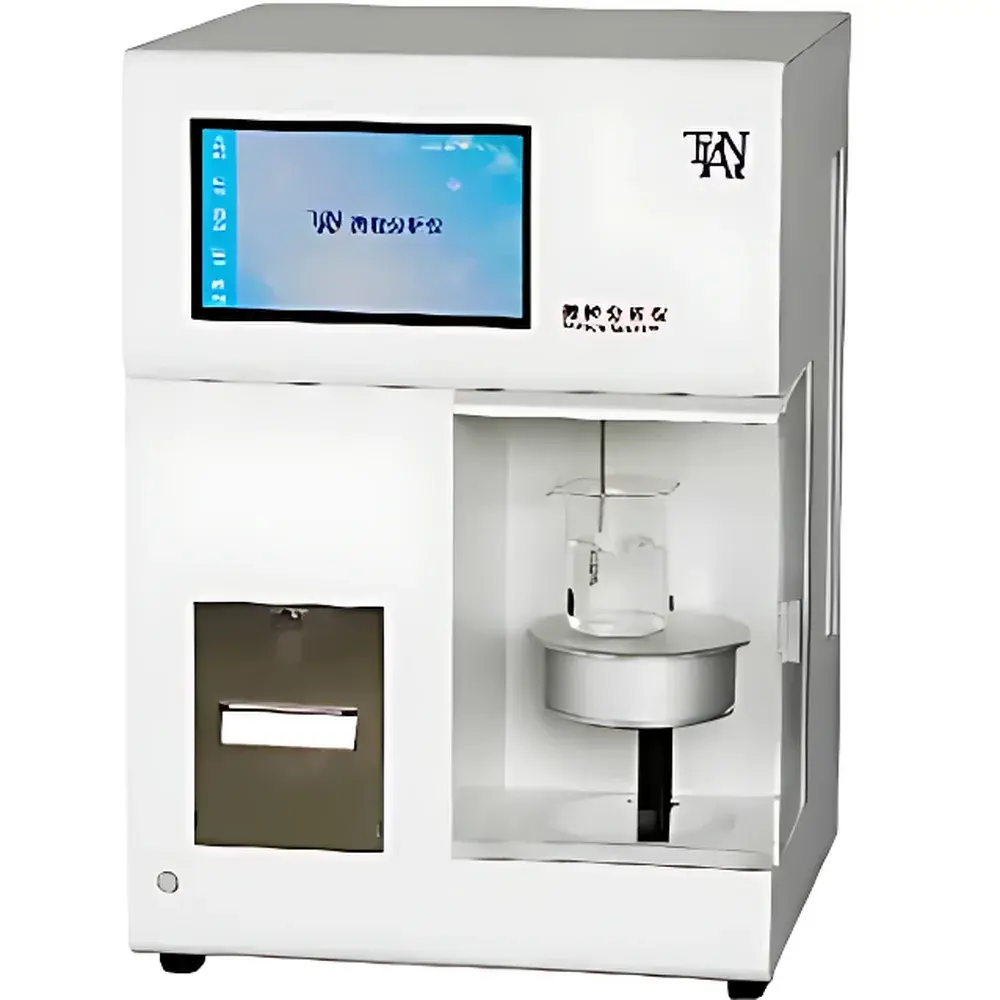
The Tianhe GWF-A2 is a high-precision, fully automated insoluble particle detector engineered for rigorous quality control in medical device manufacturing and pharmaceutical packaging validation. It operates on the principle of light obscuration (also known as single-particle optical sensing, SPOS), where particles suspended in a liquid medium pass through a precisely defined laser beam, generating transient shadows proportional to their cross-sectional area. This enables real-time, quantitative detection and sizing of non-viable particulate matter in clear or colored parenteral solutions, infusion sets, anesthesia equipment extracts, and pharmaceutical packaging leachates. Designed to meet the stringent physical testing requirements of regulatory-grade environments, the GWF-A2 supports compliance-driven workflows across R&D, QC release testing, and stability studies—particularly for devices governed by GB 8368 (infusion sets), YY/T 0977 (precision infusion sets), and ISO 21510 (particulate contamination in medical devices).
Key Features
- Laser-based optical detection system with dynamic energy compensation, ensuring consistent sensitivity across colorless, amber, and lightly tinted transparent samples without manual gain adjustment.
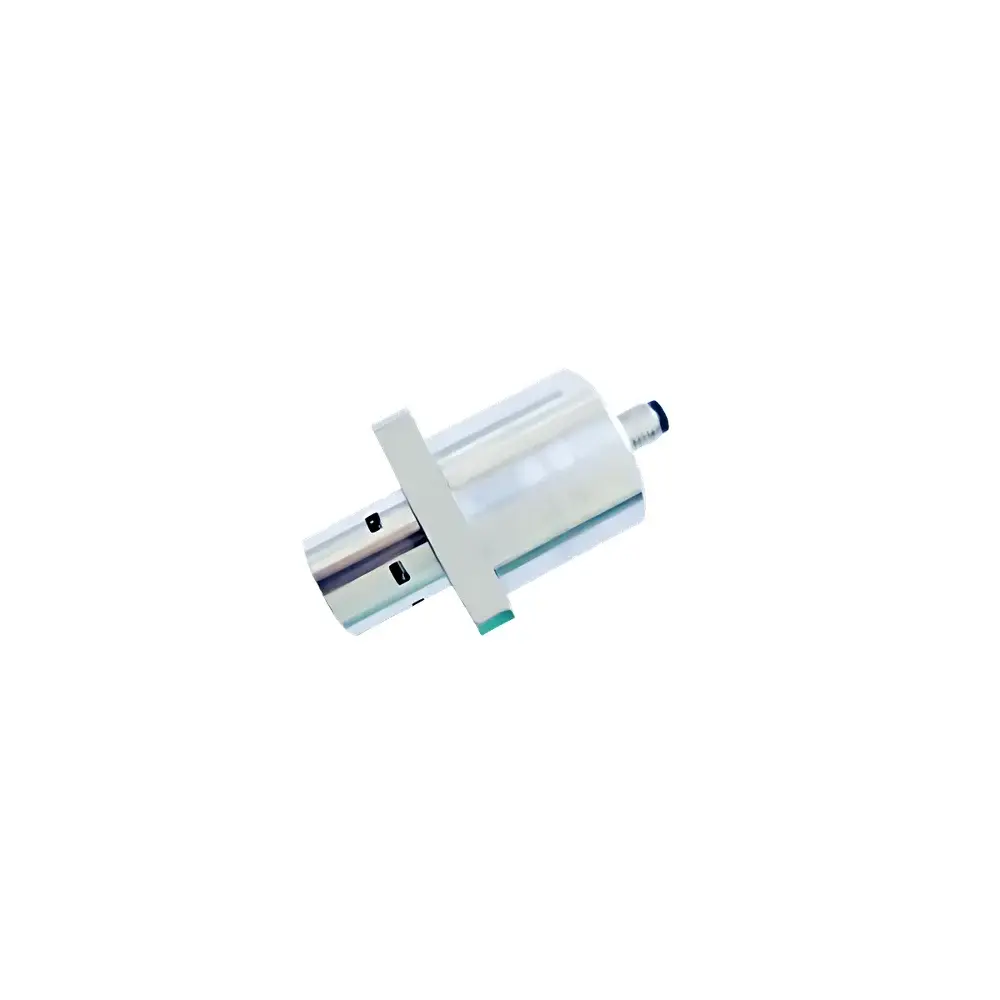
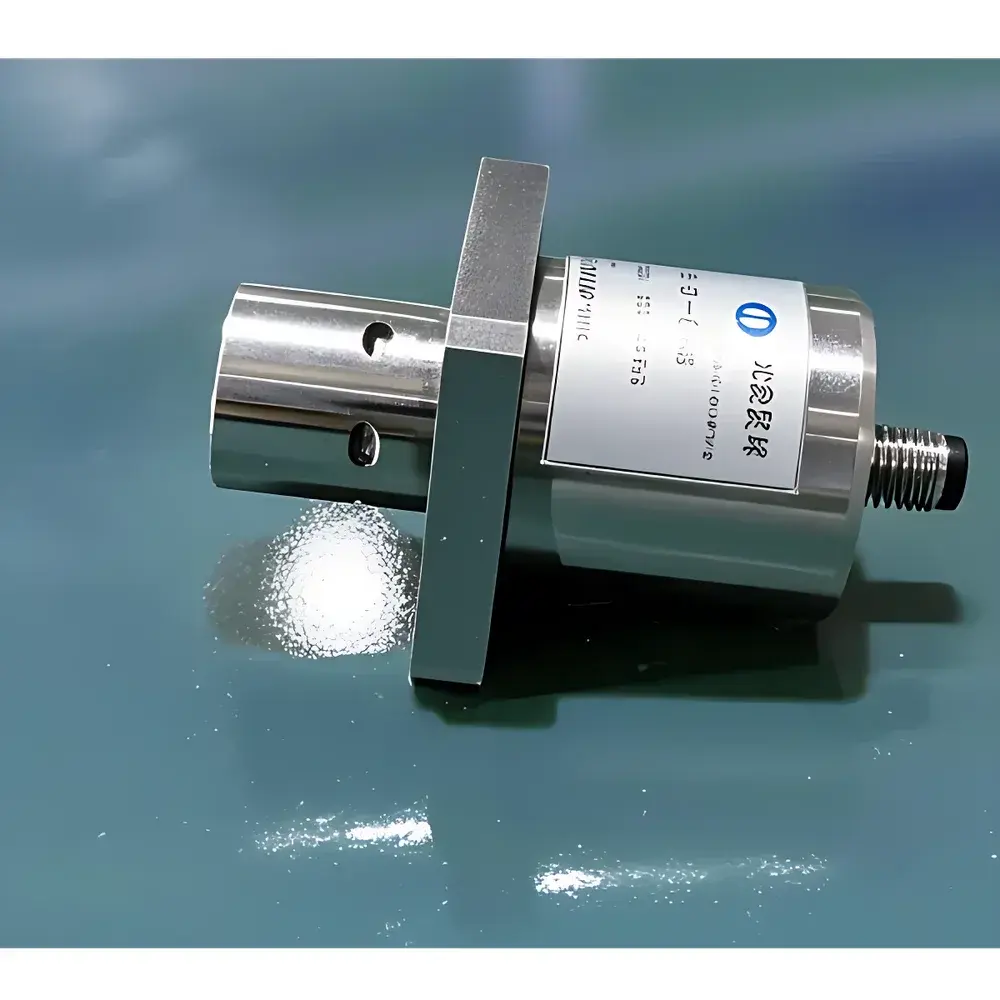
- Chemically inert fluid path constructed from imported 316L stainless steel and PTFE—validated for compatibility with organic solvents (e.g., ethanol, isopropanol), oil-based formulations, and mildly acidic or alkaline extraction media used in packaging extractables testing.
- Motorized vertical sample stage with programmable lift range, accommodating irregularly shaped containers (e.g., PVC bags, glass ampoules, polyolefin vials) without manual repositioning.
- Dedicated ARM-based processing unit with ≥10,000 independent counting bins, enabling high-fidelity histogram generation and sub-micron resolution in multi-channel analysis.
- Automated calibration routine compliant with Chinese Pharmacopoeia (ChP), United States Pharmacopeia (USP , ), and ISO 21510—supports NIST-traceable polystyrene latex (PSL) standards and user-defined reference suspensions.
- Role-based access control (RBAC) architecture with audit trail logging, supporting ALCOA+ data integrity principles and facilitating GLP/GMP-aligned documentation practices.
- Embedded Android 9.0 OS with capacitive touchscreen interface, intuitive icon-driven navigation, and context-sensitive help overlays—designed for operation by technicians with minimal instrument-specific training.
Sample Compatibility & Compliance
The GWF-A2 accommodates aqueous, alcoholic, and low-viscosity oily matrices commonly encountered in medical device extractables testing and container-closure system evaluation. Its validated operating range covers particle sizes from 1 µm to 500 µm, segmented into 48 factory-default channels—with user-configurable binning down to 0.1 µm increments. The system meets critical national and international standards including GB 8368–2018 (infusion sets), YY/T 0977–2015 (precision infusion sets), ChP Volume IV (General Chapter 0903), USP and , and ISO 21510:2017. All firmware and software modules are designed to support 21 CFR Part 11-compliant electronic records when paired with external LIMS or validated PC-based data acquisition systems.
Software & Data Management
Data acquisition, visualization, and reporting are managed via an integrated SQLite database capable of storing >100,000 test records locally. Statistical functions include batch-wise mean particle count, cumulative distribution plots, pass/fail flagging per channel thresholds, and trend analysis over time. Export options include CSV, PDF reports with embedded metadata (operator ID, timestamp, calibration status), and raw histogram files. RS232 serial and USB 2.0 host interfaces enable direct connection to laboratory PCs or networked storage devices; no proprietary drivers required. Audit trails record all parameter changes, calibration events, and user logins with immutable timestamps.
Applications
- Particulate load assessment of sterile medical devices (IV sets, syringes, catheters) following extraction protocols per ISO 10993-12.
- Filter integrity verification and pore size distribution validation for sterilizing-grade membranes used in pharmaceutical manufacturing.
- Leachables screening of primary packaging components (glass vials, rubber stoppers, plastic cartridges) under accelerated aging conditions.
- QC release testing of ophthalmic solutions, injectables, and large-volume parenterals per pharmacopoeial monographs.
- Process validation support for cleaning-in-place (CIP) and sterilization-in-place (SIP) cycles in biomanufacturing facilities.
FAQ
Does the GWF-A2 comply with FDA requirements for particle testing in medical device submissions?
Yes—the instrument’s measurement principle, calibration traceability, and data handling architecture align with FDA expectations outlined in guidance documents for particulate matter in medical devices (e.g., “Guidance for Industry: Container Closure Systems for Packaging Human Drugs and Biologics”). When operated within documented SOPs and paired with appropriate reference standards, it supports regulatory submission packages.
Can the system detect particles in opaque or highly viscous samples?
No—the GWF-A2 requires optically transparent or semi-transparent suspensions. Samples with turbidity >100 NTU or kinematic viscosity exceeding 20 cSt at test temperature must be diluted or filtered prior to analysis.
Is remote monitoring or integration with a central LIMS possible?
Yes—via RS232 or USB CDC mode, the device supports ASCII command protocol for external triggering and real-time data streaming. Integration with major LIMS platforms (e.g., LabWare, Thermo Fisher SampleManager) is achievable using standard middleware or custom Python/Node.js adapters.
What maintenance is required to sustain measurement accuracy?
Daily flow-path rinsing with purified water, quarterly optical alignment verification using certified reference particles, and annual recalibration against NIST-traceable standards are recommended per the manufacturer’s maintenance schedule.
Related Products