
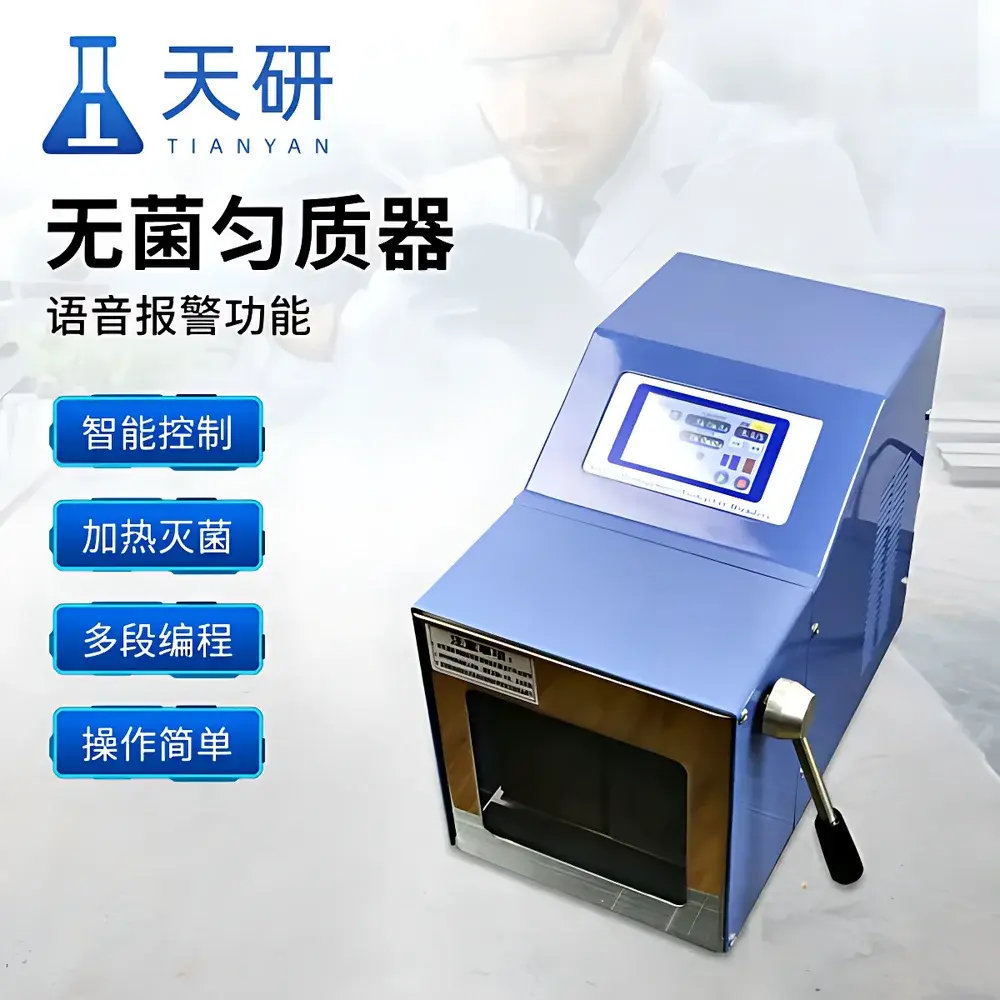
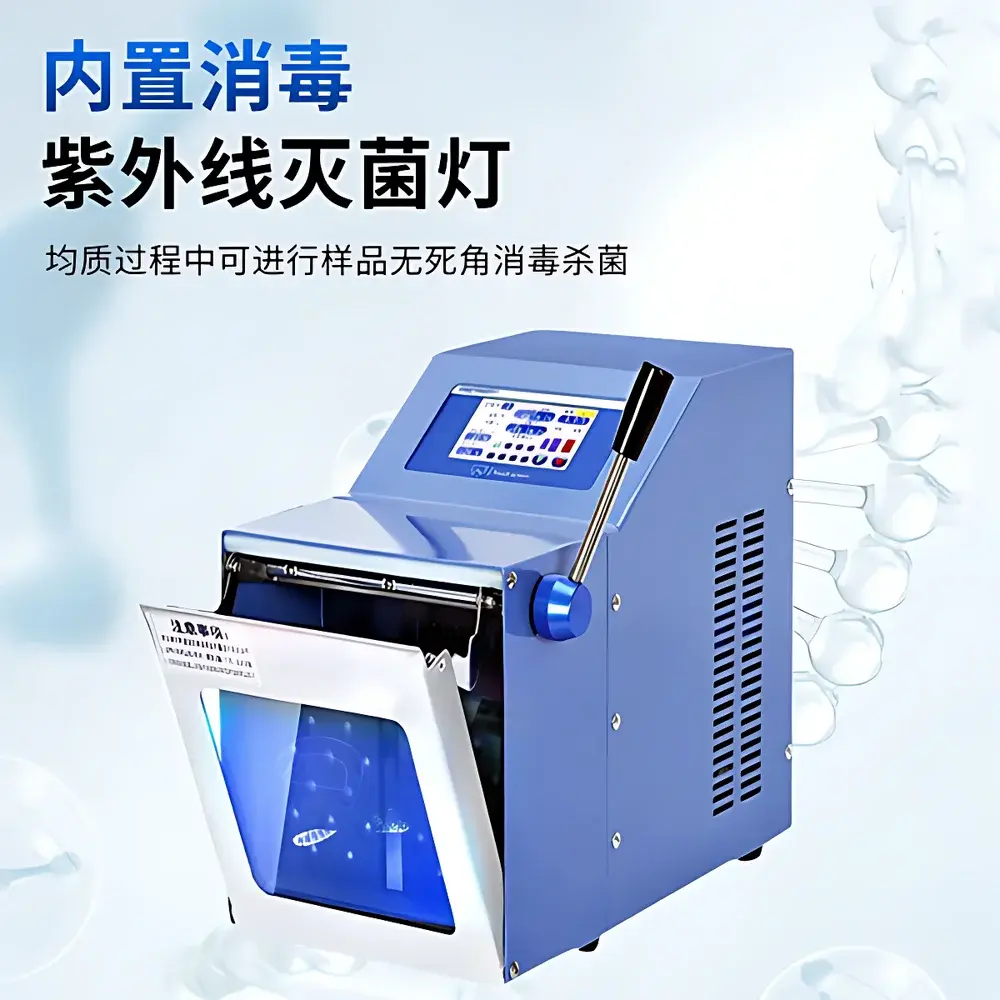
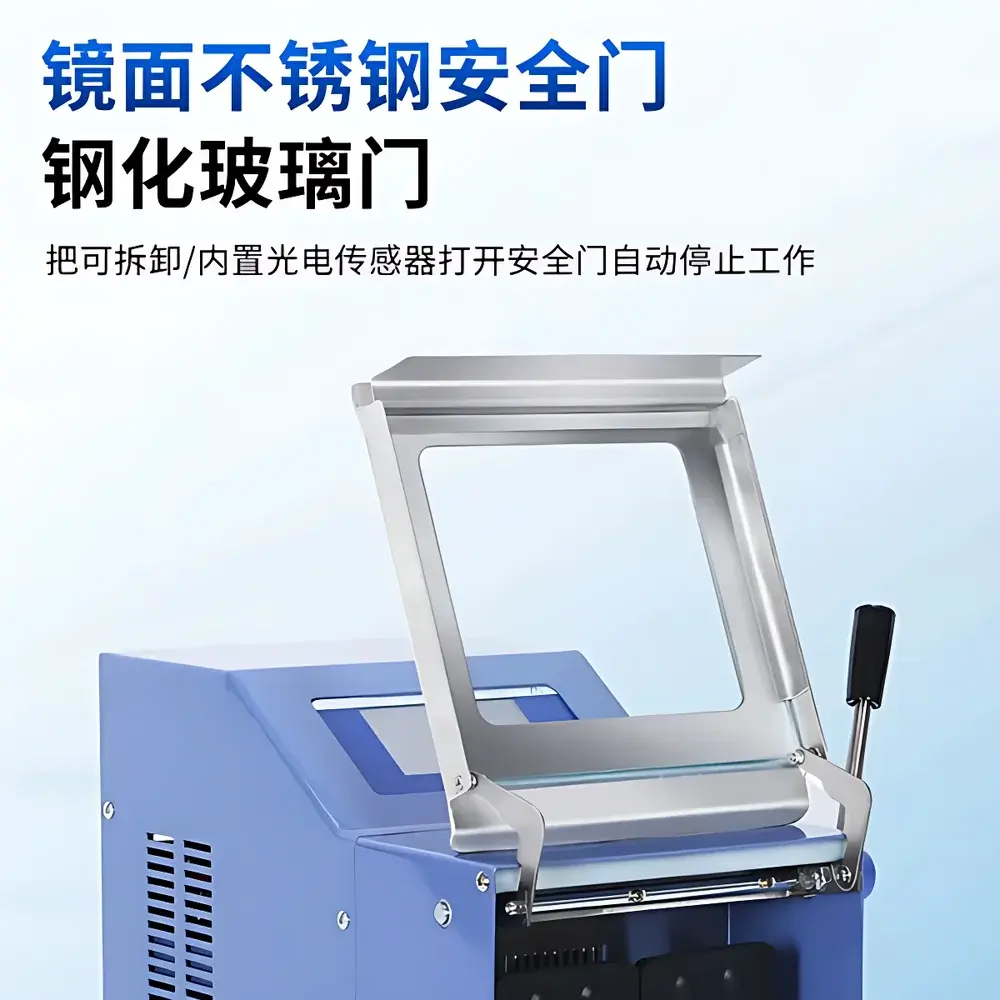
Tianyan TY-08W Pulsed-Action Homogenizer
| Brand | Tianyan |
|---|---|
| Origin | Shandong, China |
| Manufacturer Type | Direct Manufacturer |
| Country of Origin | China |
| Model | TY-08W |
| Price | USD 765 (based on ¥5500 at 1 USD ≈ ¥7.2) |
| Capacity | 3–400 mL |
| Timer Range | 1 s to 100 min (or continuous mode) |
| Pulsing Frequency | 3–12 strokes/sec |
| Adjustable Stroke Gap | 0–50 mm |
| Dimensions (W×D×H) | 420 × 230 × 330 mm |
| Net Weight | 19 kg |
| Operating Temperature | 0–35 °C |
| Power Supply | 220 V AC / 50 Hz, 200 W |
| Sterile Stomacher Bag Size | 17 × 30 cm |
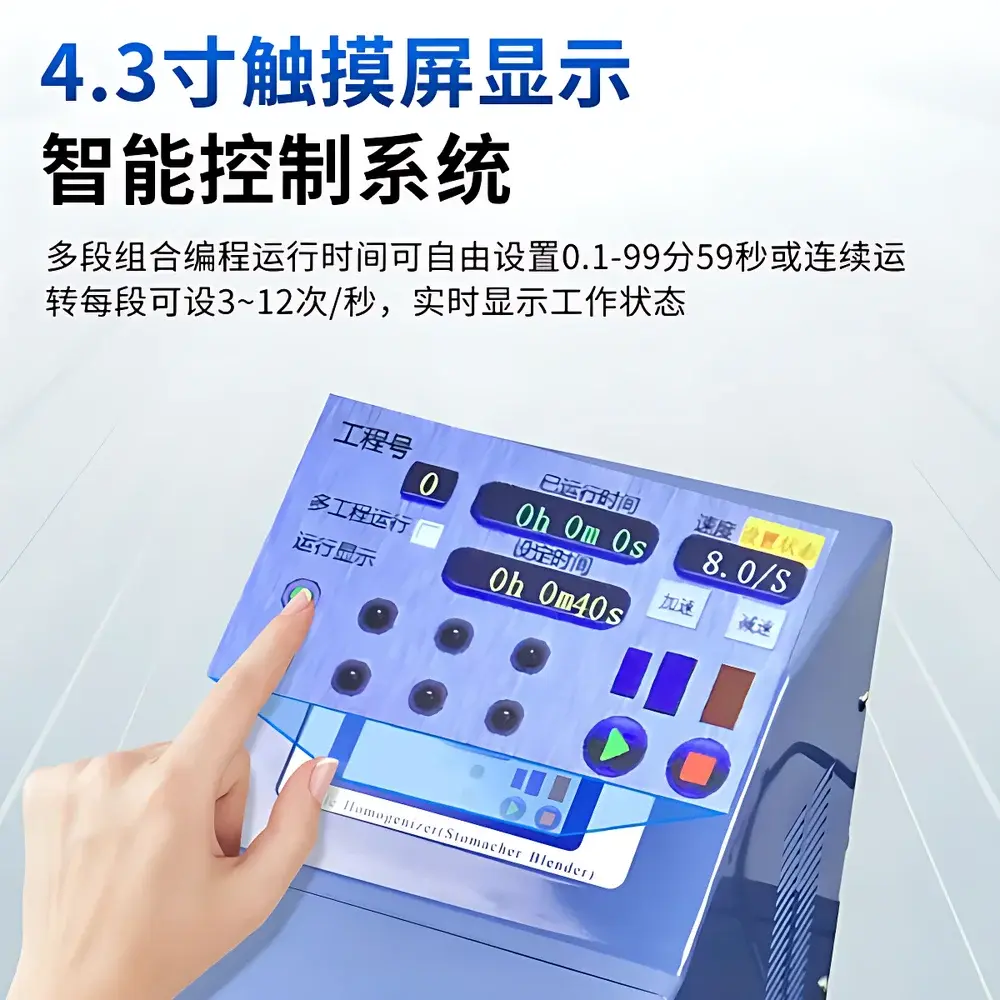
| Display | 4.3-inch capacitive touch screen |
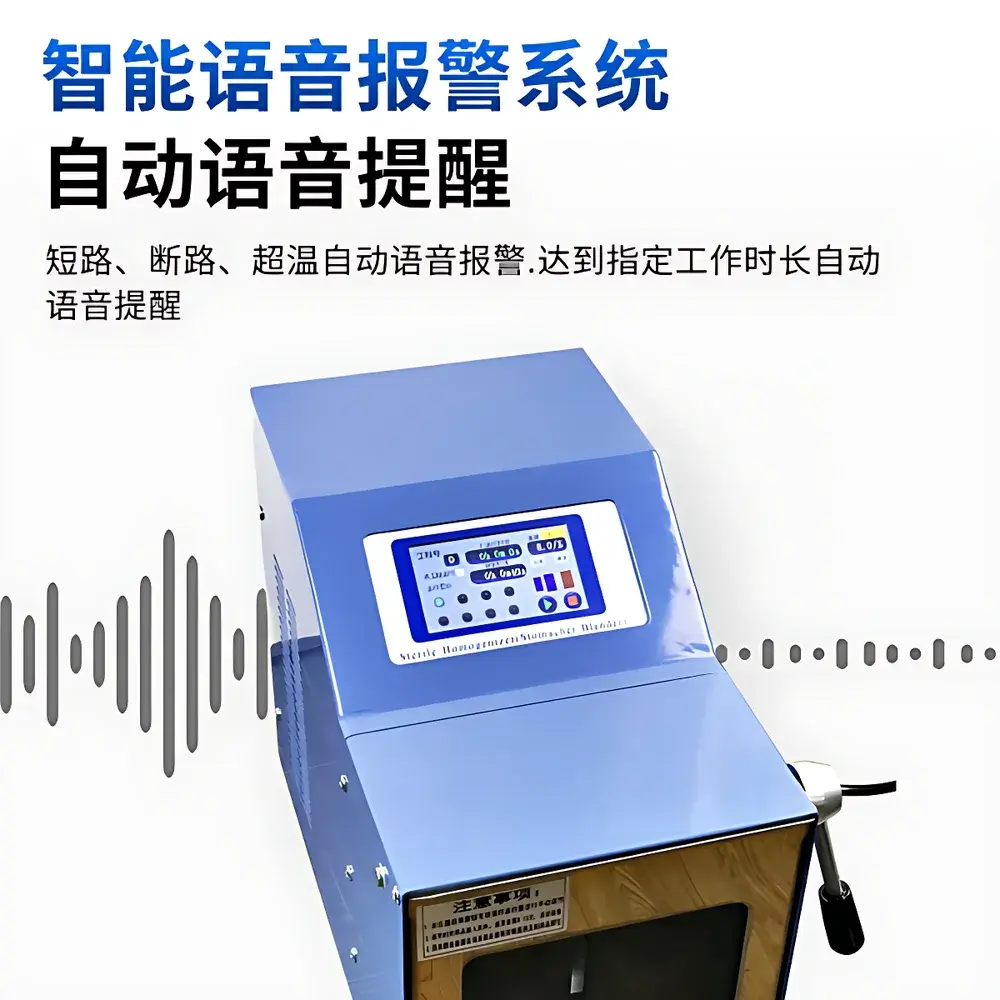
| Audio Alarm | Yes |
Overview
The Tianyan TY-08W Pulsed-Action Homogenizer is a laboratory-grade mechanical homogenization system engineered for reproducible, aseptic disruption of solid and semi-solid biological specimens. It operates on the principle of controlled, rhythmic mechanical pulsation—where two opposing paddles apply calibrated compressive force against a sterile, sealed sample bag containing specimen and diluent. This action generates transient shear stress, cavitation, and turbulent mixing within the bag, effectively liberating microorganisms (e.g., bacteria, yeasts, spores), cellular components, or particulate analytes from complex matrices such as animal tissues (brain, liver, spleen, kidney), food products, pharmaceutical dosage forms, and clinical swab eluates. Unlike rotor-stator or bead-beating systems, the TY-08W avoids heat generation, metal contamination, or aerosol formation—making it compliant with ISO 6887-1:2017 (microbiological examination of food and animal feeding stuffs) and suitable for GLP- and GMP-aligned workflows where sample integrity and operator biosafety are critical.
Key Features
- Programmable dual-parameter control: Independent configuration of pulsing frequency (3–12 strokes/sec) and duration (1 sec–100 min or continuous), with up to eight user-defined protocols stored in non-volatile memory.
- Adjustable stroke gap mechanism: A rear-mounted precision knob enables fine-tuning of paddle proximity (0–50 mm), allowing optimization of mechanical energy transfer for low-volume viscous samples or high-volume heterogeneous suspensions.
- Integrated 4.3-inch capacitive touchscreen interface: Provides real-time feedback of active parameters, elapsed time, remaining cycle duration, and fault diagnostics—including overtemperature, door-open, or motor stall detection.
- Aseptic workflow architecture: All sample contact occurs exclusively within certified sterile stomacher bags (17 × 30 cm); no internal chamber surfaces require cleaning or sterilization between runs.
- Acoustic safety alert system: Audible tone signals protocol completion, error conditions (e.g., lid not fully latched), or abnormal motor load—enhancing operational awareness in shared lab environments.
- Robust mechanical design: Cast-aluminum housing, reinforced hinge assembly, and brushless DC motor ensure long-term stability under repeated daily use in QC microbiology labs and contract testing facilities.
Sample Compatibility & Compliance
The TY-08W accommodates a broad spectrum of sample types without modification: soft tissues (≤5 g), powdered pharmaceuticals, cheese and meat composites, soil suspensions, and environmental filter eluates. Its performance meets the mechanical homogenization requirements specified in AOAC Official Method 990.12 (for aerobic plate count in foods), USP <61> Microbiological Examination of Nonsterile Products, and EN ISO 11290-1:2017 (Listeria monocytogenes detection). The instrument’s closed-bag operation inherently satisfies containment Level 2 (BSL-2) biosafety guidelines per CDC/NIH recommendations, minimizing exposure risk during handling of pathogenic isolates. All electrical components comply with IEC 61010-1:2010 for laboratory equipment safety.
Software & Data Management
While the TY-08W operates as a standalone benchtop unit without PC connectivity, its embedded firmware supports full audit-trail functionality via timestamped event logging (start/stop, parameter changes, alarm triggers) stored internally for ≥10,000 cycles. Protocol data—including speed, time, and gap setting—is retained even after power loss. For regulated environments, optional RS-232 output (available upon request) enables integration with LIMS platforms supporting ASTM E1384-compliant data exchange. All user interactions conform to ALCOA+ principles (Attributable, Legible, Contemporaneous, Original, Accurate, Complete, Consistent, Enduring, Available) to support FDA 21 CFR Part 11 readiness when paired with validated electronic record systems.
Applications
- Pre-analytical preparation for colony-forming unit (CFU) enumeration in food safety testing (e.g., Salmonella, E. coli O157:H7).
- Homogenization of tissue biopsies prior to DNA/RNA extraction in molecular diagnostics laboratories.
- Recovery of viable but non-culturable (VBNC) bacteria from biofilm-laden medical devices.
- Standardized dispersion of probiotic powders and lyophilized cultures for viability assessment.
- Extraction of endotoxins or mycotoxins from grain and feed matrices prior to HPLC or ELISA analysis.
- Preparation of suspension standards for antimicrobial susceptibility testing (AST) according to CLSI M07-A11 guidelines.
FAQ
Is the TY-08W compatible with internationally certified sterile stomacher bags?
Yes—it accepts standard 17 × 30 cm polyethylene/polyamide laminated bags meeting ISO 7405 and ASTM F1608 specifications. Third-party validation reports for bag integrity under maximum stroke settings are available upon request.
Can the instrument be validated for use in GMP manufacturing environments?
The TY-08W supports IQ/OQ documentation packages, including factory calibration certificates traceable to NIST standards, mechanical tolerance verification reports, and electrical safety test records. PQ protocols must be developed in-house per process-specific acceptance criteria.
What maintenance is required beyond routine visual inspection?
No scheduled lubrication or consumable replacement is necessary. Users should inspect the door seal integrity quarterly and verify paddle alignment annually using the included gap gauge tool.
Does the audio alarm meet occupational noise exposure limits per OSHA 1910.95?
The alarm emits a 3 kHz tone at ≤65 dB(A) at 1 m distance—well below the 85 dB(A) permissible exposure limit for an 8-hour TWA.
How does the adjustable stroke gap affect microbial recovery efficiency?
Empirical studies show optimal recovery (≥92% vs. mortar-and-pestle reference) occurs at 25–35 mm gap for 25 g tissue + 225 mL diluent; narrower gaps increase shear but risk bag rupture, while wider gaps reduce particle disintegration efficacy.
Related Products





