
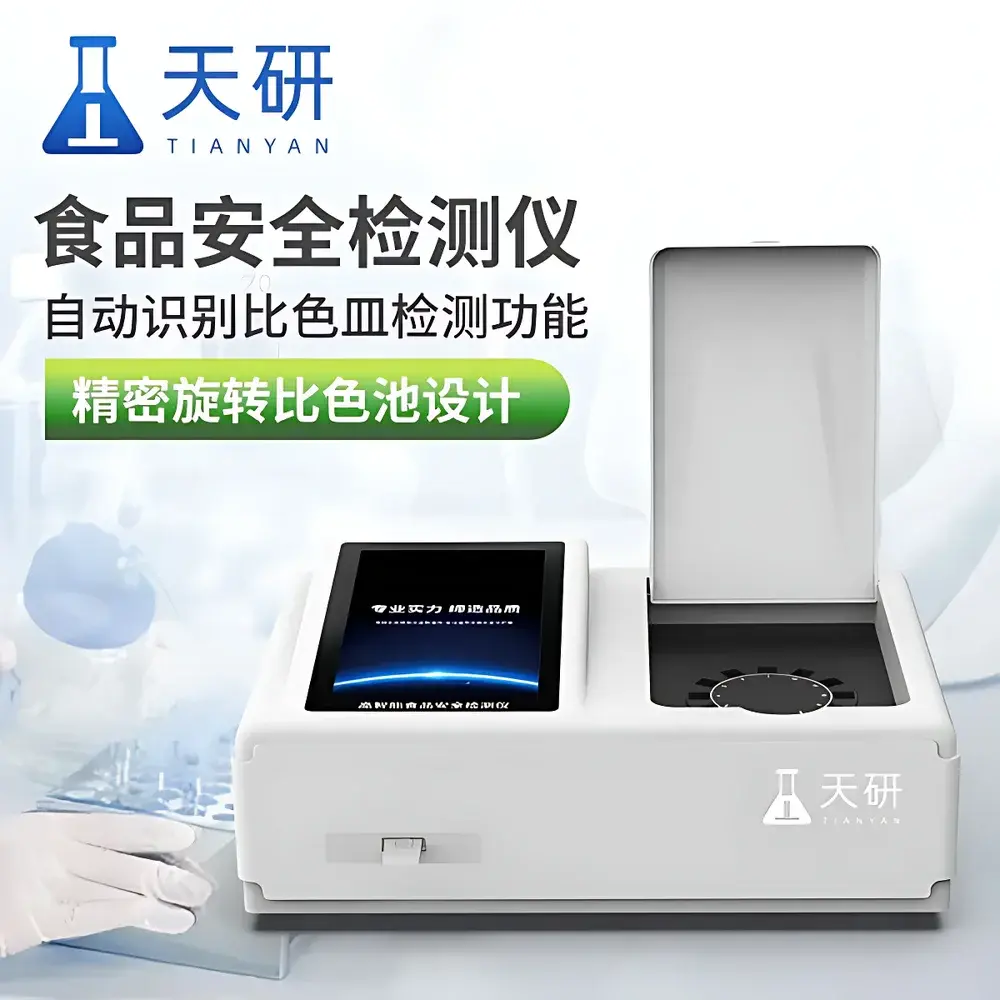

Tianyan TY-GA1. Multi-Parameter Food Safety Analyzer
| Brand | Tianyan (Shandong Tianyan Instrument Co., Ltd.) |
|---|---|
| Origin | Shandong, China |
| Manufacturer Type | Direct Manufacturer |
| Country of Origin | China |
| Model | TY-GA1. |
| Function Type | Multi-parameter (simultaneous detection of up to 200 food safety analytes) |
| Sample Compatibility | Universal for liquid, extract, and homogenized solid food matrices |
| Detection Time | ≤3 minutes per batch |
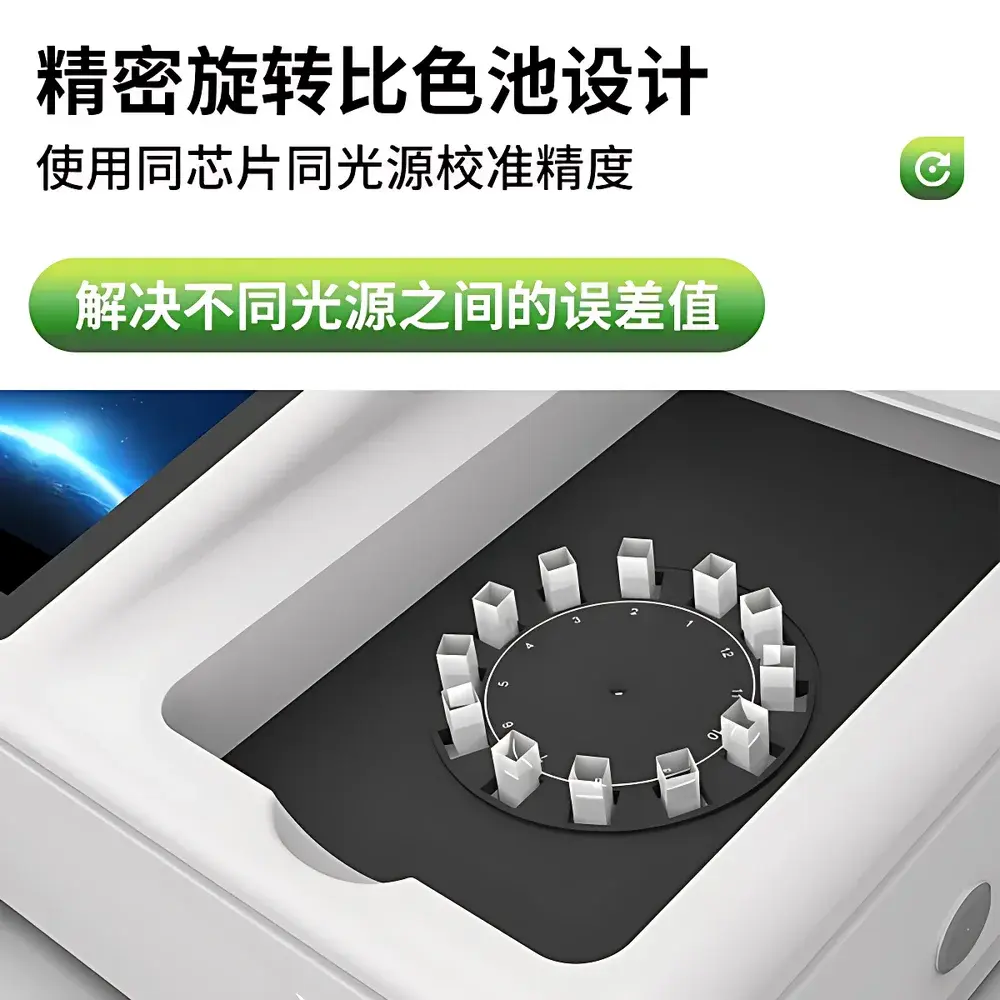
| Detection Channels | 12 independent optical channels |
| Display | 10.1-inch vertical capacitive touch LCD (Android OS) |
| Main Controller | ARM Cortex-A7 + RK3288 quad-core CPU (1.88 GHz) |
| Light Source | Imported precision cold LED source with four fixed wavelengths (410 nm, 520 nm, 590 nm, 630 nm) |
| Optical Design | Precision rotating cuvette holder with inter-channel calibration uniformity ≤0.1% |
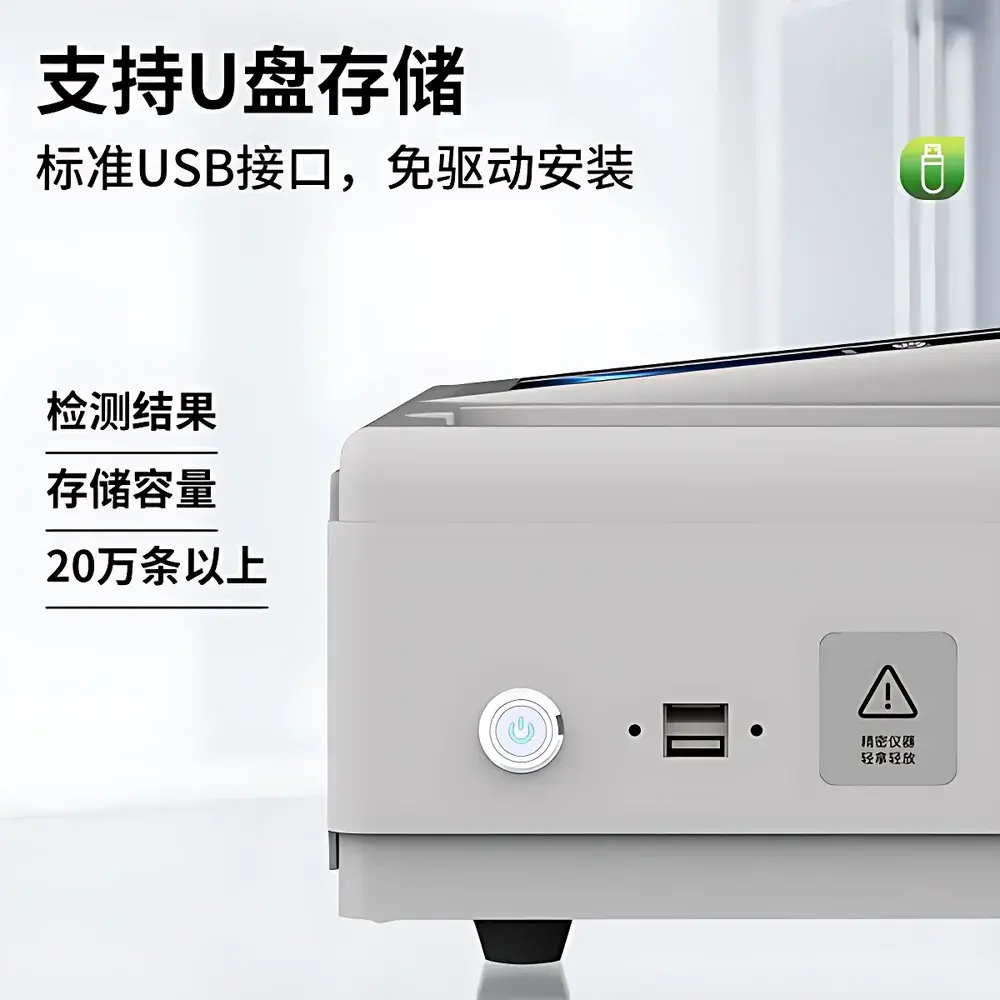
| Connectivity | Dual-band Wi-Fi (2.4/5 GHz), optional 4G LTE (APN-enabled), Bluetooth 4.2, dual USB 2.0 ports, RJ45 Ethernet |
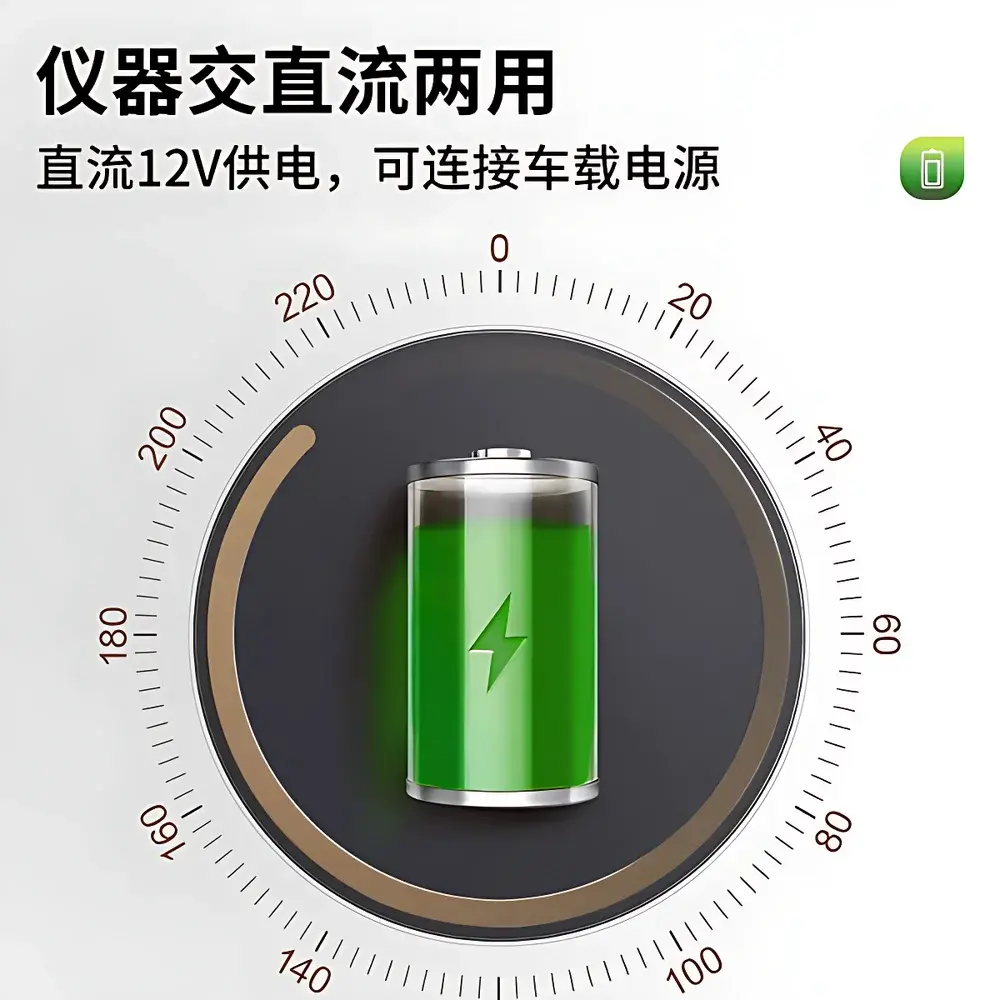
| Power Supply | AC/DC dual-mode |
| Data Storage | Internal flash ≥16 GB + USB mass storage support |
| Dimensions (L×W×H) | 440 × 300 × 180 mm |
| Compliance | Designed to support ISO/IEC 17025 laboratory practices, aligned with GB 5009.x series, GB/T 5009.x, and SN/T standards for food testing |
Overview
The Tianyan TY-GA1. Multi-Parameter Food Safety Analyzer is a benchtop, integrated photometric detection platform engineered for rapid, quantitative analysis of foodborne contaminants and quality indicators in regulatory, academic, and industrial laboratories. It operates on the principle of absorbance-based spectrophotometry using precisely controlled multi-wavelength LED illumination and high-stability optical path architecture. Unlike conventional single-analyte or limited-panel instruments, the TY-GA1. implements a modular, software-defined assay framework—enabling concurrent quantification of up to 200 distinct food safety parameters—including pesticide residues (e.g., organophosphates, carbamates), veterinary drug residues (e.g., sulfonamides, tetracyclines), mycotoxins (e.g., aflatoxin B1, ochratoxin A), heavy metals (via colorimetric chelation), food additives (e.g., nitrites, formaldehyde), and adulterants (e.g., melamine, Sudan dyes). Its core design prioritizes analytical reproducibility, operational traceability, and regulatory readiness—making it suitable for use in GLP-compliant environments and routine monitoring under national food safety surveillance programs.
Key Features
- 12-channel parallel detection architecture with rotating precision cuvette holder—ensuring <0.1% inter-channel photometric deviation through unified light-source and chip-level calibration.
- Four-wavelength cold LED source (410 / 520 / 590 / 630 nm) with patented optical path switching, supporting up to 64 programmable wavelength combinations per channel without mechanical filter wheels.
- Embedded Android-based operating system powered by RK3288 quad-core processor (1.88 GHz) and ARM Cortex-A7 architecture—delivering responsive multitouch UI, real-time data visualization, and local database management.
- Comprehensive data governance stack: triple-mode storage (SQLite database + SP binary logs + flat-file archives), audit-trail enabled user login, role-based access control, and automatic timestamped record generation compliant with ALCOA+ principles.
- Integrated regulatory decision engine: auto-matched limit comparison against embedded GB, NY/T, and SN/T reference standards; pass/fail flagging with uncertainty-aware threshold reporting.
- Field-deployable power architecture: DC 12 V operation with optional 6 Ah Li-ion battery (SOC-displayed), vehicle power compatibility, and continuous runtime >8 hours—validated for mobile inspection units and rural surveillance missions.
Sample Compatibility & Compliance
The TY-GA1. accepts clarified extracts from diverse food matrices—including dairy products, meat and poultry homogenates, grain milling fractions, vegetable juices, aquatic product tissues, and processed food suspensions—following standardized sample preparation protocols (e.g., QuEChERS, dilution, centrifugation, filtration). All optical modules are factory-calibrated against NIST-traceable photometric standards, and the instrument’s firmware supports periodic self-diagnostic routines for lamp intensity drift, dark current stability, and baseline noise profiling. While not certified to ISO/IEC 17025 as a standalone testing body, the system is engineered to meet technical requirements for method validation per ISO 17025 Clause 7.2.2 and supports full documentation capture required for internal method verification. It aligns with Chinese national food safety standards (GB 5009.x series), agricultural industry standards (NY/T), and entry-exit inspection protocols (SN/T), and its data export structure (CSV/Excel) facilitates integration into LIMS environments compliant with FDA 21 CFR Part 11 when deployed with appropriate procedural controls.
Software & Data Management
The TY-GA1. runs a purpose-built Android application featuring a hierarchical database schema with 14 interlinked modules: assay parameter library, calibration history, sample metadata registry, detection curve archive, regulatory limit repository, sampling event log, reviewer audit trail, report template manager, and remote synchronization queue. All test records include immutable fields: operator ID, instrument serial number, timestamp (UTC-synced), environmental temperature/humidity (if external sensor connected), and raw absorbance values per wavelength. Data can be exported in ISO/IEC 2022-compliant CSV format or printed via built-in thermal printer with customizable templates—including Ministry of Agriculture–mandated food safety certificates containing QR-coded traceability links. Optional cloud gateway enables encrypted HTTPS transmission to provincial food safety supervision platforms (e.g., China Food Safety Cloud), supporting regional trend analytics, outlier detection, and risk-based sampling optimization.
Applications
This analyzer serves as a primary screening tool across multiple operational tiers: at port-of-entry inspection stations for rapid triage of imported commodities; within municipal CDC and market supervision bureaus for routine surveillance of street food, school canteens, and wet markets; in university food science departments for student-led method development and validation studies; and inside QA/QC labs of meat processors, dairy cooperatives, and grain millers for in-process control of raw material acceptability. Validated use cases include quantitative detection of chlorpyrifos in apples (LOD: 0.02 mg/kg), aflatoxin M1 in milk (LOD: 0.05 µg/L), nitrite in cured meats (LOD: 0.1 mg/kg), and formaldehyde in tofu (LOD: 0.5 mg/kg)—all within ≤3 minutes per 12-sample batch. Its open architecture allows certified third-party developers to deploy validated assay plugins via secure OTA update channels, extending functionality without hardware modification.
FAQ
Does the TY-GA1. support method validation documentation per ISO/IEC 17025?
Yes—the instrument generates complete electronic records including calibration logs, blank/control measurements, repeatability reports, and uncertainty estimates per test run. When used within an accredited lab’s documented SOPs, these outputs satisfy evidence requirements for Clause 7.2.2 (Method Validation) and 7.7 (Ensuring Validity of Results).
Can assay methods be added post-purchase without sending the unit back to the factory?
Yes—through secure over-the-air (OTA) firmware updates. Tianyan provides version-controlled assay packages verified against reference materials; updates are pushed selectively by instrument serial number and require no user intervention beyond network connectivity.
Is raw spectral data accessible for independent reprocessing?
Yes—each test record stores full wavelength-resolved absorbance vectors (Aλ) alongside processed concentration values. Exported CSV files contain all raw photometric readings, enabling retrospective recalibration or alternative algorithm application.
What cybersecurity measures protect data during 4G transmission?
All 4G/APN transmissions use TLS 1.2 encryption with certificate pinning. Device authentication employs X.509 client certificates issued by Tianyan’s private PKI infrastructure, preventing man-in-the-middle interception.
How is long-term photometric stability maintained across field deployments?
The system performs automatic zero-point correction before each measurement cycle using integrated dark-reference LEDs and temperature-compensated gain adjustment. Factory calibration coefficients are stored in write-protected memory and cannot be overwritten without authenticated service credentials.





