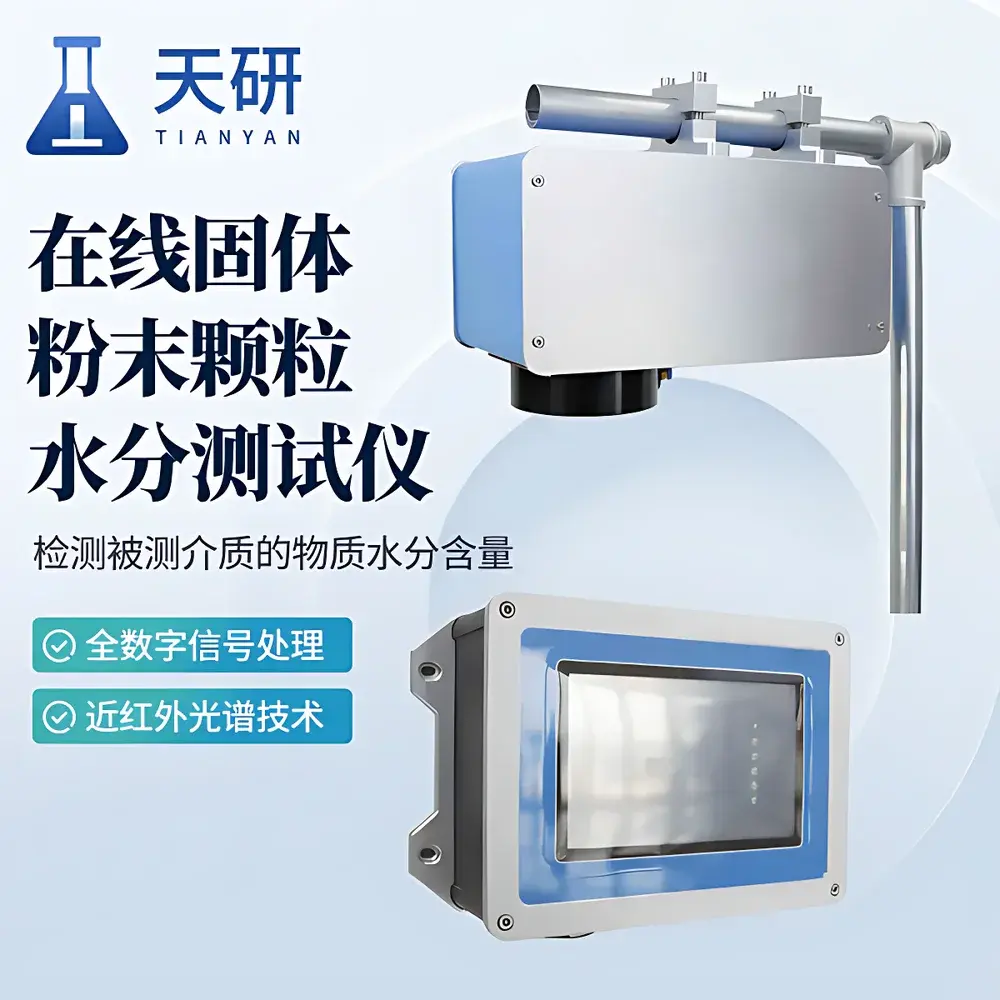
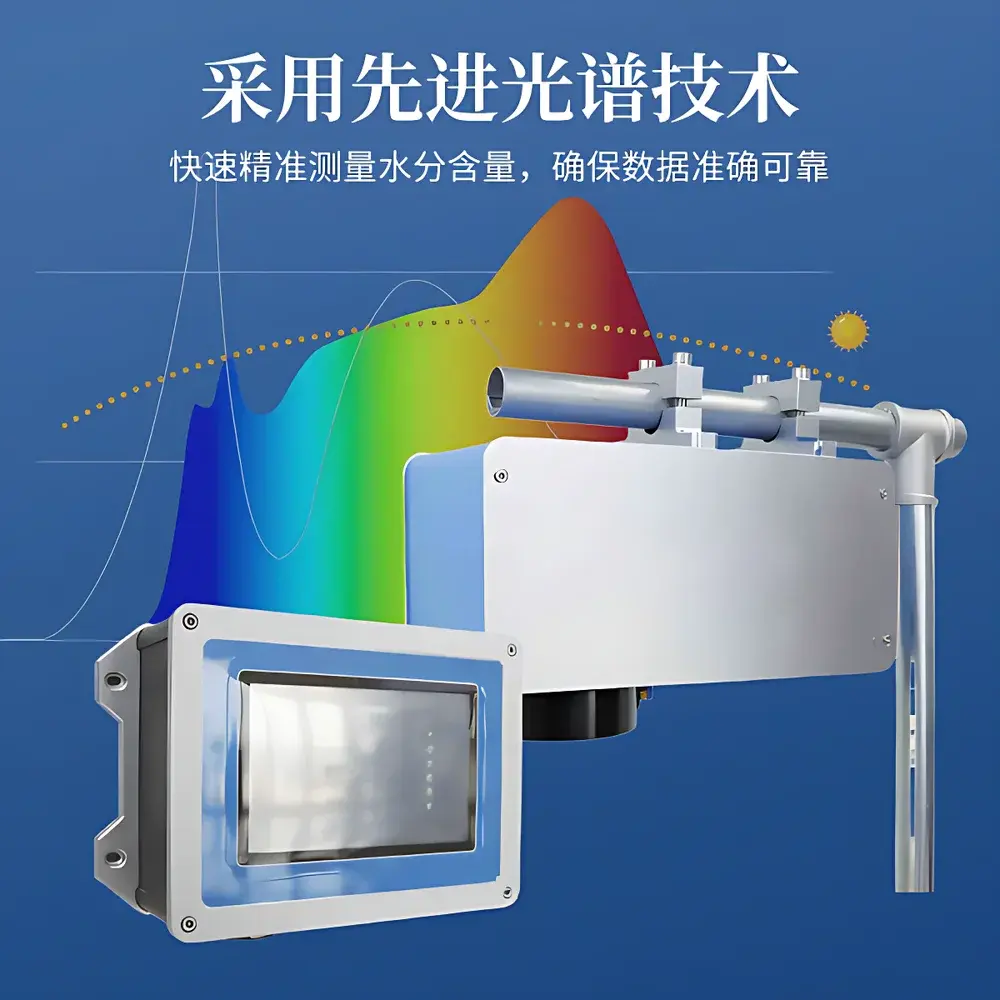
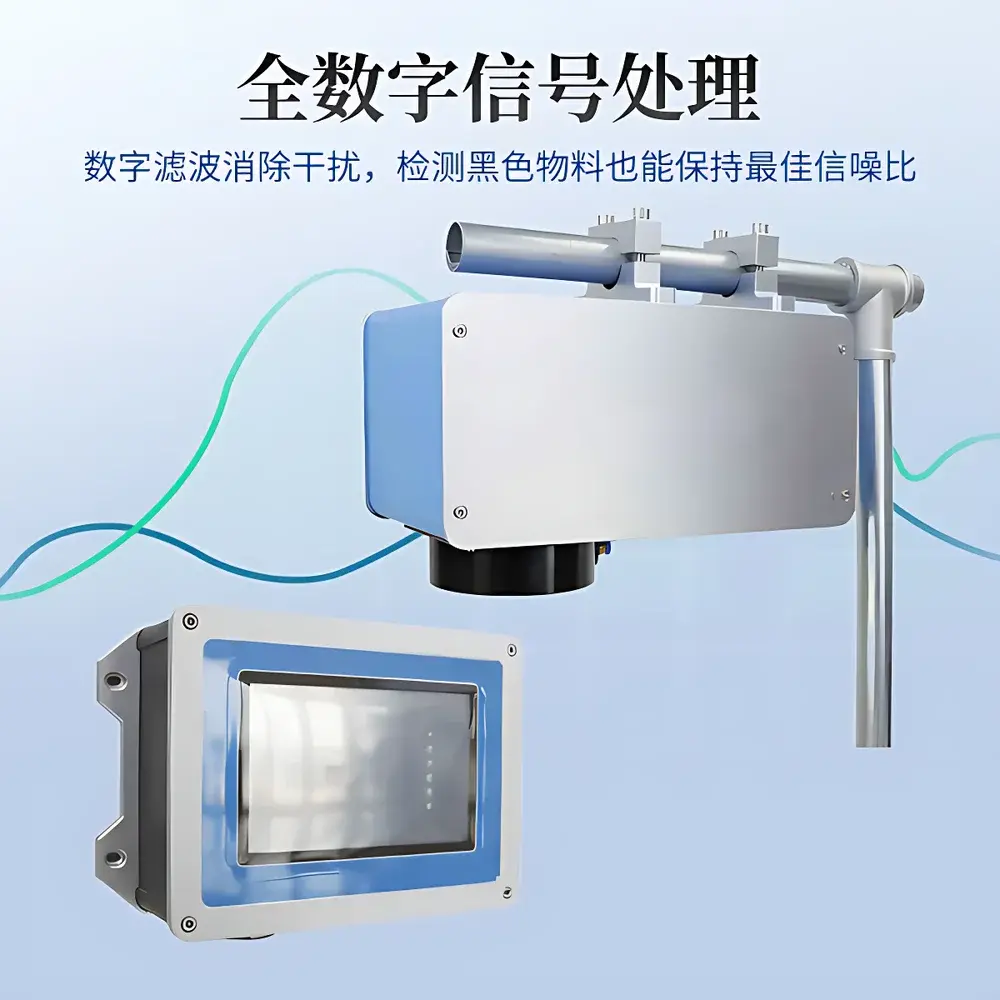
Tianyan TY-NIR-T Online Near-Infrared Moisture Analyzer (Universal Type)
| Brand | Tianyan |
|---|---|
| Origin | Shandong, China |
| Manufacturer | Tianyan Instrument Co., Ltd. |
| Model | TY-NIR-T |
| Measurement Principle | Near-Infrared Reflectance Spectroscopy (NIRS) |
| Measurement Range | 0–100% w/w (water content by weight) |
| Accuracy | ±0.2% w/w (dependent on material homogeneity and spectral stability) |
| Light Source | Imported high-stability NIR LED array |
| Optical Spot Diameter | 60–75 mm |
| Working Distance | 350 mm ± 100 mm |
| Spectral Channels | 50 discrete wavelength bands |
| Filter Integration Time | 1–60 s adjustable |
| Probe Window Material | High-borosilicate quartz glass |
| Operating Temperature | −40 °C to +70 °C |
| Relative Humidity | 5–95% RH (non-condensing) |
| Enclosure Rating | IP65 |
| Power Supply | 220 VAC, 50 Hz |
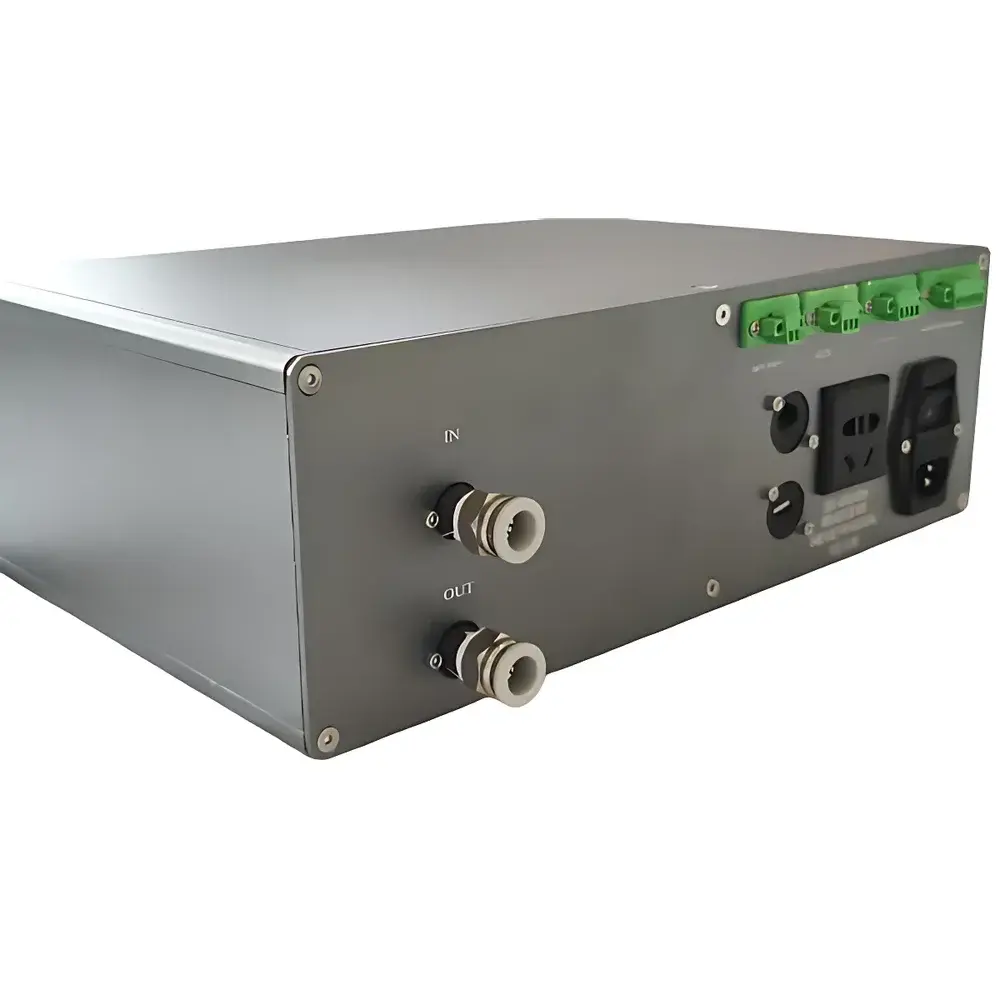
| Output Interfaces | RS485, 4–20 mA analog, RS232, Ethernet (LAN), LoRa wireless |
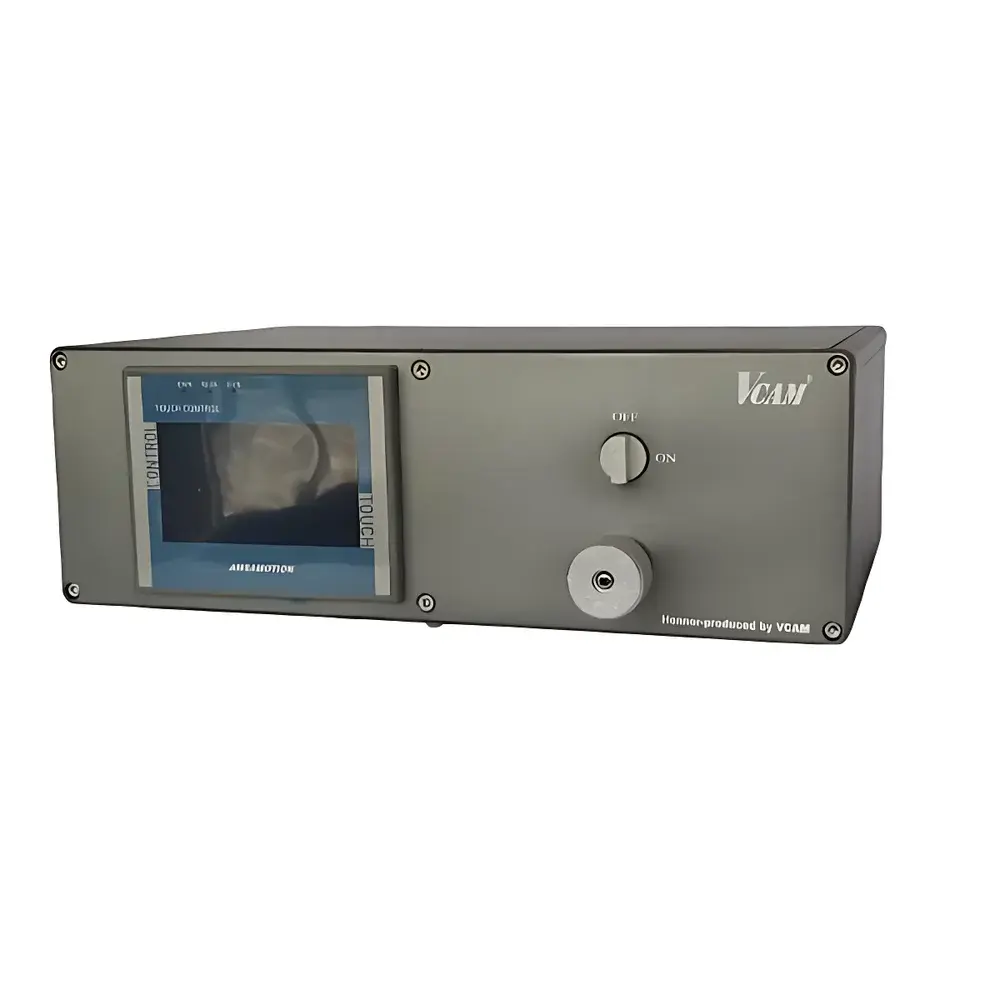
| Display | Integrated industrial-grade capacitive touchscreen |
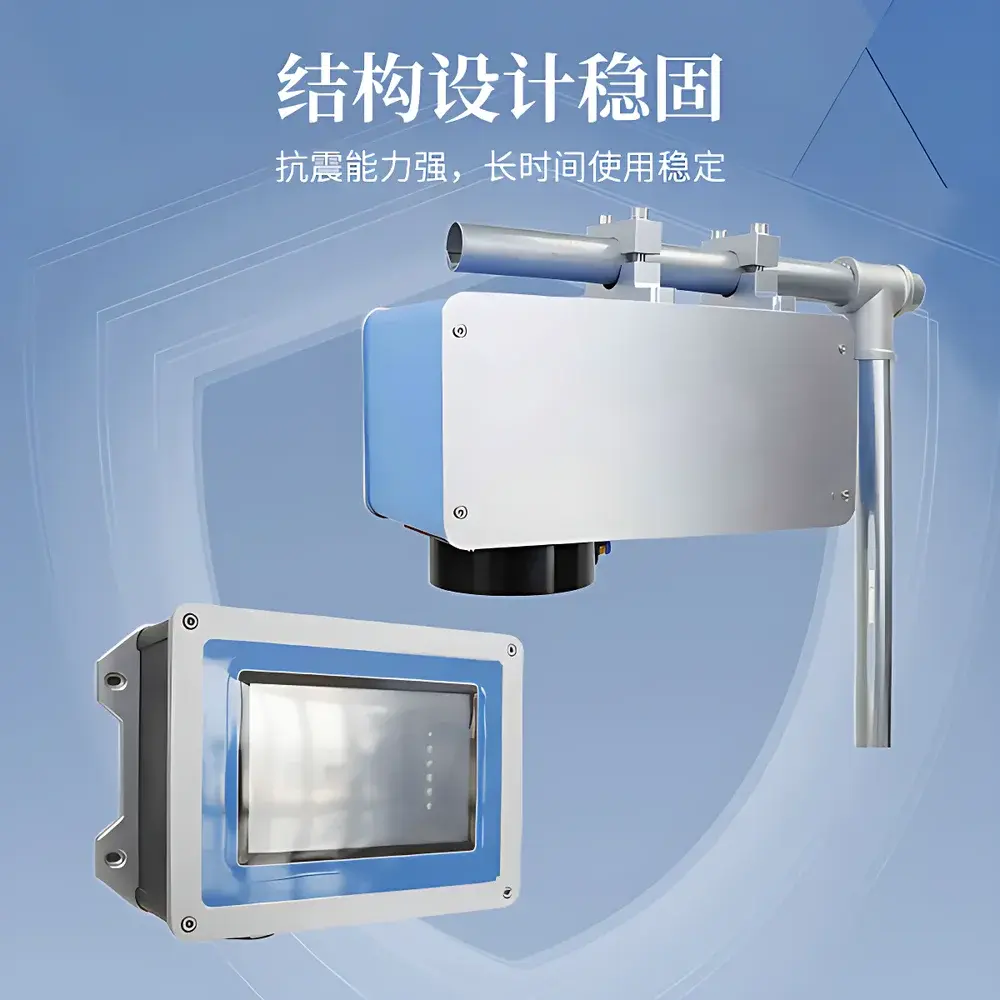
| Probe Housing | Anodized aluminum alloy (ASTM B557-19 compliant) |
| Signal Processing | Full digital signal chain with adaptive noise filtering and baseline correction |
Overview
The Tianyan TY-NIR-T Online Near-Infrared Moisture Analyzer (Universal Type) is an industrial-grade, non-contact process analyzer engineered for real-time, in-line moisture quantification in bulk solid and particulate materials. It operates on the principle of near-infrared reflectance spectroscopy (NIRS), leveraging the strong and characteristic absorption bands of water molecules in the 1,450 nm and 1,940 nm regions of the NIR spectrum. When broadband NIR light illuminates a moving or static material stream—such as powder, granules, flakes, or fibrous solids—the intensity of reflected radiation at water-sensitive wavelengths is attenuated proportionally to the volumetric and surface-bound water concentration. By measuring differential reflectance across 50 precisely defined spectral channels and applying chemometric calibration models (e.g., PLS regression), the analyzer computes moisture content with traceable accuracy and high repeatability. Designed for continuous operation in harsh manufacturing environments, the TY-NIR-T delivers stable performance without physical sampling, mechanical wear, or consumables—making it suitable for integration into closed-loop process control systems governed by ISO 9001, IEC 61511, and FDA 21 CFR Part 11-compliant data integrity frameworks.
Key Features
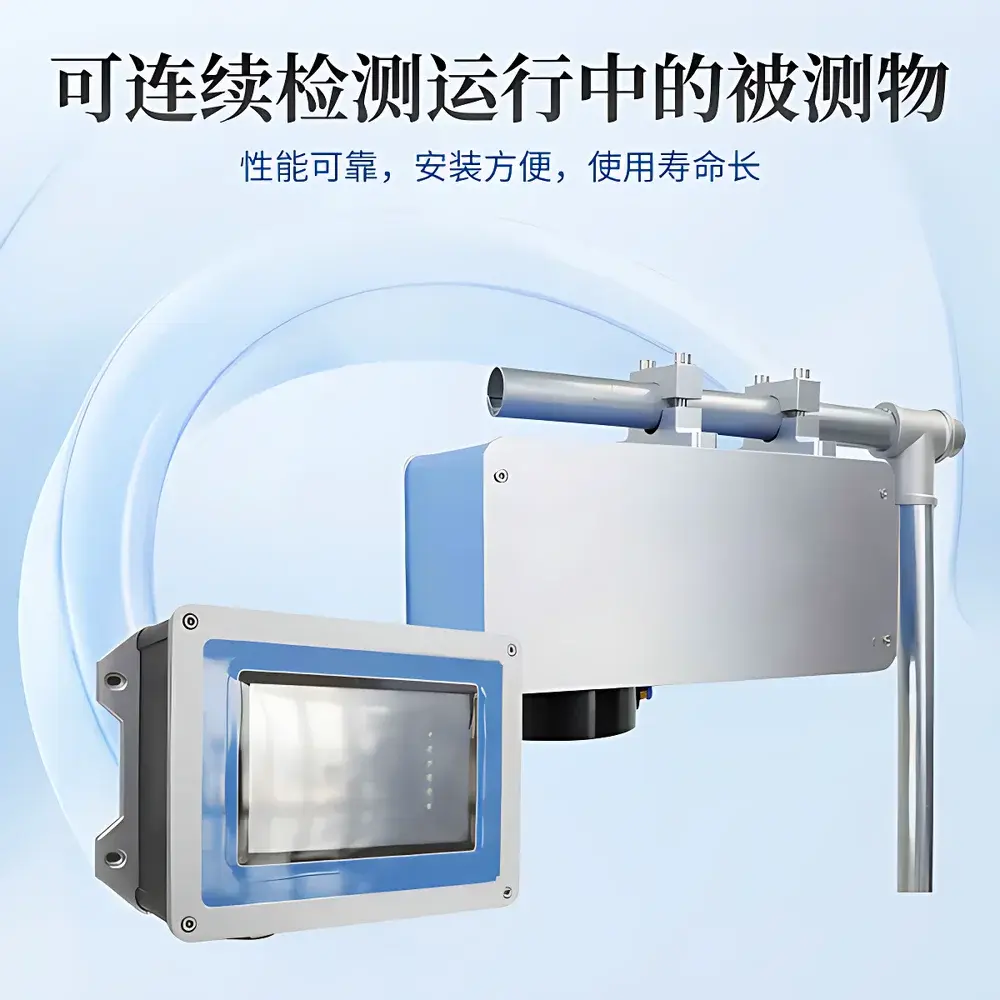
- Non-contact, real-time measurement: Eliminates sampling delay, conveyor stoppage, and operator intervention.
- Robust optical architecture: High-borosilicate quartz probe window resists abrasion, thermal shock, and condensate adhesion—maintaining optical clarity under dusty or humid conditions.
- Dual-mode signal processing: Adaptive digital filtering suppresses ambient light interference, vibration-induced noise, and electrical harmonics—enabling reliable operation even on dark, low-reflectance materials (e.g., carbon black, roasted coffee, activated charcoal).
- Modular hardware design: Controller unit supports up to four independent probe inputs, enabling multi-point monitoring across conveyors, hoppers, or blending zones from a single chassis.
- Industrial-grade environmental resilience: IP65-rated enclosure, wide operating temperature range (−40 °C to +70 °C), and conformal-coated PCBs ensure long-term reliability in cement plants, feed mills, pharmaceutical granulation lines, and biomass pelletizing facilities.
- Configurable output protocols: Simultaneous support for 4–20 mA analog current loop (HART-compatible), RS485 Modbus RTU, RS232 diagnostics, Ethernet TCP/IP, and LoRaWAN for legacy DCS integration or IIoT deployment.
Sample Compatibility & Compliance
The TY-NIR-T is validated for use across heterogeneous solid-phase matrices where particle size distribution ranges from sub-10 µm fines (e.g., flour, talc, API powders) to coarse aggregates up to 25 mm (e.g., wood chips, coal lumps, mineral ores). Its universal calibration approach accommodates natural variability in density, color, and surface morphology—provided the material exhibits sufficient NIR reflectance (>5% at 1,450 nm) and consistent packing density during measurement. Calibration transfer between instruments is supported via standardized spectral reference standards traceable to NIST SRM 2975 (coal) and ASTM D7432-22 (moisture in agricultural commodities). The system complies with electromagnetic compatibility requirements per EN 61326-1:2013 and meets functional safety guidelines for SIL 2-capable instrumentation when deployed with redundant controllers (IEC 61508-2:2010).
Software & Data Management
Built-in firmware includes embedded web server access for remote configuration, real-time trend visualization, and spectral diagnostics. Data logging is performed at user-defined intervals (1 s to 60 min) with timestamped metadata (probe ID, ambient RH/temperature, signal-to-noise ratio, calibration age). All measurement records are stored in CSV-compliant format with SHA-256 hash verification, supporting audit-ready archival for GLP/GMP environments. Optional PC-based software provides advanced chemometric tools—including outlier detection, batch-wise model updating, and drift compensation using internal reference spectra. Audit trails record all parameter changes, calibration events, and user logins in accordance with 21 CFR Part 11 requirements, including electronic signatures and role-based access control.
Applications
- Wood processing: Real-time moisture monitoring of sawdust, MDF fiber, and OSB flakes prior to hot-pressing to prevent delamination and energy overconsumption.
- Food & feed: In-line control of cereal drying, pet food extrusion, and dairy powder fluid-bed drying—ensuring microbial stability and shelf-life compliance (ISO 712:2016).
- Pharmaceutical manufacturing: Continuous verification of granule moisture post-fluid-bed drying (USP <1058> analytical instrument qualification).
- Mineral & construction materials: On-belt analysis of sand, limestone, and cement clinker to optimize kiln fuel efficiency and final product consistency (ASTM C114-23).
- Biomass & bioenergy: Feedstock moisture adjustment for pellet mills and anaerobic digesters—maximizing combustion efficiency and biogas yield.
- Chemical & polymer production: Monitoring hygroscopic additives (e.g., silica, calcium carbonate) before compounding to avoid extruder surging and die swell variation.
FAQ
Does the TY-NIR-T require periodic recalibration?
Yes—calibration stability is verified daily using a certified reference tile (NIST-traceable reflectance standard). Full model retraining is recommended every 3–6 months or after major process changes affecting material composition or particle size distribution.
Can it measure moisture in highly reflective or metallic materials?
No—NIR reflectance requires sufficient diffuse scattering. Highly polished metals, foils, or mirror-finished surfaces yield insufficient signal; however, coated or oxidized metal powders (e.g., zinc oxide, iron oxide pigments) are measurable with appropriate calibration.
Is the probe compatible with pressurized or vacuum conveying systems?
The standard probe is rated for atmospheric operation only. For pressurized pipelines, optional flanged probe housings with purge gas ports (N₂ or clean air) are available upon request.
How is spectral interference from ambient lighting mitigated?
The system employs synchronized pulsed illumination and time-gated detection, rejecting >95% of ambient broadband light—including fluorescent, LED, and sunlight—without requiring shielding enclosures.
What documentation is provided for regulatory validation?
Factory acceptance test (FAT) reports, IQ/OQ protocol templates, calibration certificates (traceable to NIST), and full firmware source code audit logs are supplied as part of the validation package.