
Tianyan TY-ZSD Portable Soil Heavy Metal Analyzer
| Brand | Tianyan (Shandong Tianyan Instrument Co., Ltd.) |
|---|---|
| Origin | Shandong, China |
| Manufacturer Type | OEM/ODM Producer |
| Country of Manufacture | China |
| Model | TY-ZSD |
| Detection Principles | Colorimetric Spectrophotometry (Visible Range, 400–700 nm) |
| Measurement Method | Digestion + Reagent-Based Chromogenic Reaction + Absorbance Quantification per Lambert-Beer Law |
| Supported Elements | Pb, As, Cr(VI), Cd, Hg, Ni, Al, F, Ti, Se, Fe, Zn, Mn, Cu |
| Optical Accuracy | ±0.5% Transmittance |
| Repeatability | ≤±0.05% |
| Drift Stability | <0.001 AU/30 min (after 5-min warm-up) |
| Linearity Error | ≤0.2% (verified with CuSO₄ standard) |
| Power Consumption | ≤5 W |
| Input Power | AC 220 V / 50 Hz or DC 12 V |
| Output | Built-in thermal printer (auto-printing of results) |
| Sample Throughput | ~8–12 samples/hour (including digestion prep) |
| Compliance Standards | GB/T 5009.11–2003, GB/T 5009.12–2003, GB/T 5009.15–2003, GB/T 5009.17–2003, GB/T 5009.123–2003 |
Overview
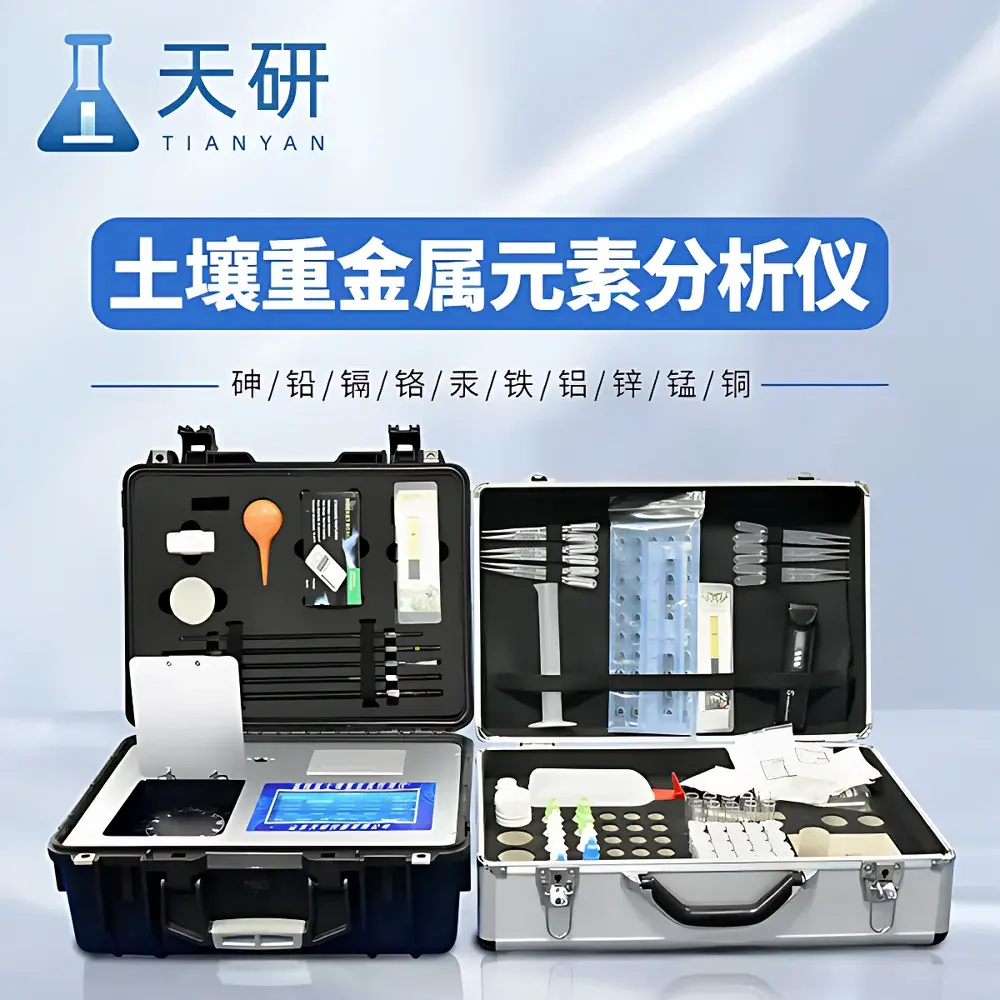
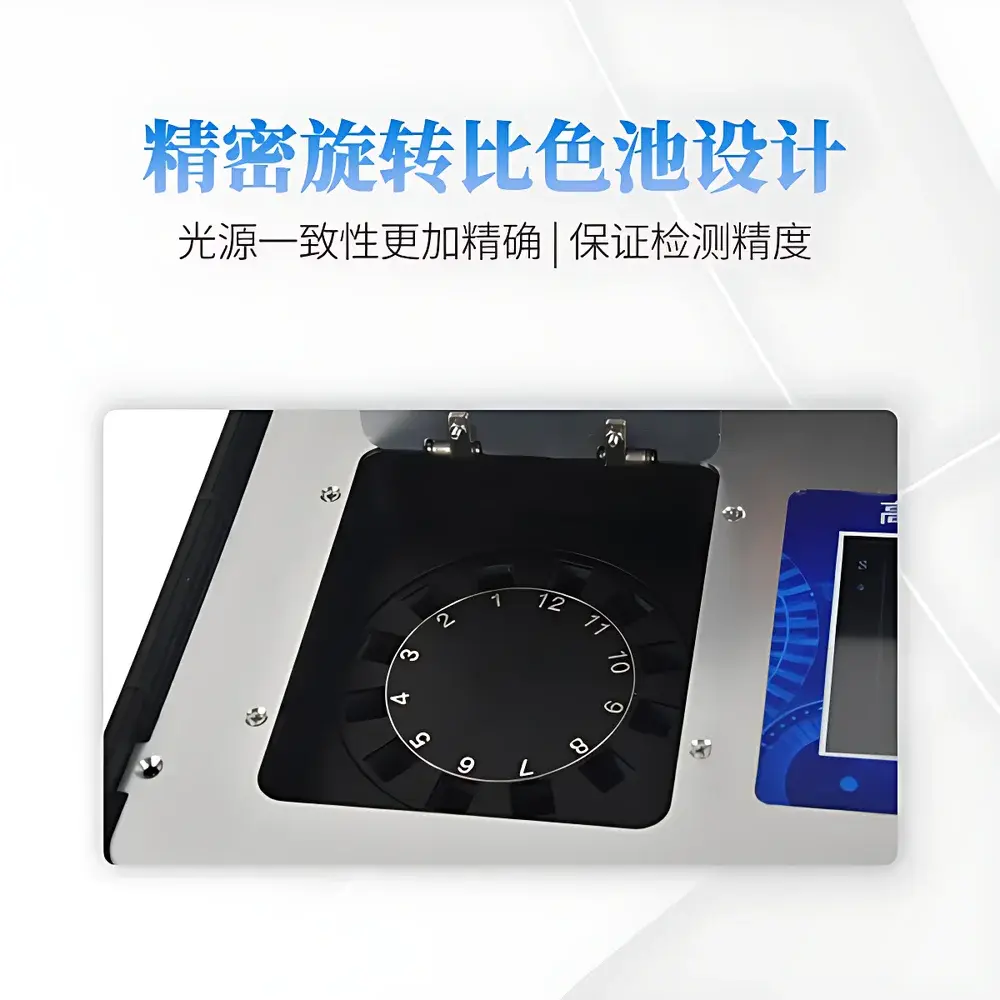
The Tianyan TY-ZSD Portable Soil Heavy Metal Analyzer is a field-deployable, benchtop-grade spectrophotometric system engineered for rapid, on-site quantification of priority toxic metals—including lead (Pb), arsenic (As), cadmium (Cd), mercury (Hg), and hexavalent chromium (Cr(VI))—in soil, agricultural products, fertilizers, and water matrices. Unlike laboratory-based ICP-MS or AAS systems requiring vacuum plasma sources or cryogenic cooling, the TY-ZSD employs standardized wet-chemical digestion followed by validated colorimetric reactions aligned with Chinese National Food Safety Standards (GB/T 5009 series). Each assay relies on stoichiometric chromophore formation under controlled pH and redox conditions: e.g., hydride generation for As(III) detection, dithizone complexation for Pb²⁺ and Hg²⁺, diphenylcarbazide-mediated oxidation for Cr(VI), and bromopyrogallol red-based chelation for Cd²⁺. Absorbance is measured within the visible spectrum (400–700 nm) using a stable tungsten-halogen light source and silicon photodiode detector calibrated per Lambert-Beer law. The instrument’s optical architecture is optimized for minimal stray light and high photometric linearity (R² > 0.999 over 0–2.0 AU), enabling reliable semi-quantitative screening and compliance-level verification against GB 2762–2022 (Maximum Levels of Contaminants in Foods) and NY/T 395–2021 (Soil Environmental Quality Risk Control Standard for Agricultural Land).
Key Features
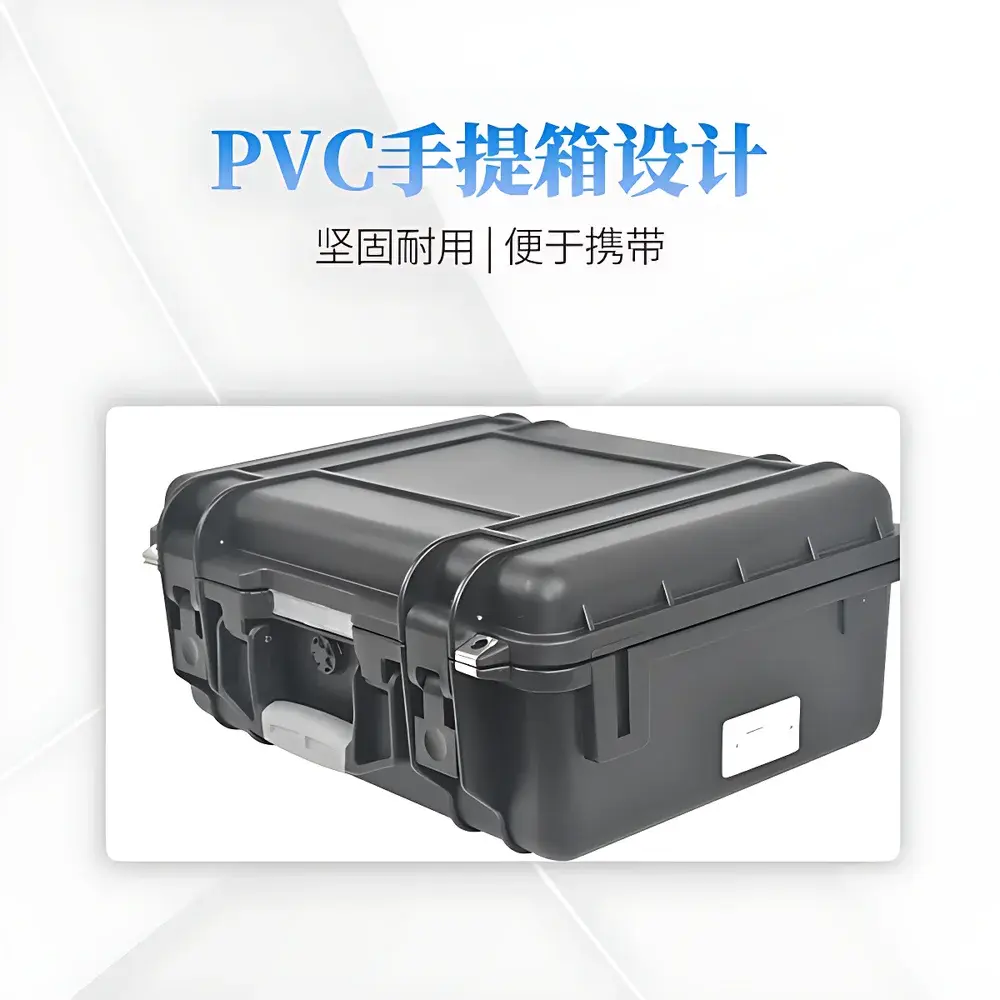
- Integrated dual-compartment design: One aluminum case houses the analyzer with built-in thermal printer; the second contains pre-qualified reagents, calibrated glassware (100 mL triangular flasks, 50 mL graduated cylinders), and consumables for ≥100 tests.
- Microprocessor-controlled operation with touch-sensitive interface and real-time absorbance monitoring—no external PC required for basic assays.
- Multi-element capability via sequential reagent addition and wavelength selection: Supports simultaneous method switching between As, Pb, Cd, Hg, and Cr(VI) protocols without hardware modification.
- Low-power architecture (≤5 W) enables continuous operation from AC mains or portable 12 V DC sources—ideal for mobile labs, extension services, and environmental NGOs conducting field audits.
- Pre-programmed calibration curves stored in non-volatile memory; user-definable curve points supported via USB firmware update (optional).
- Optical performance certified to JJG 79–1990 (Chinese national metrological verification regulation for spectrophotometers), with repeatability matching grating-based benchtop units (CV < 0.5% at mid-range concentrations).
Sample Compatibility & Compliance
The TY-ZSD is validated for solid and semi-solid matrices requiring acid digestion (e.g., soil, compost, organic fertilizer, tobacco leaf, vegetable tissue) and liquid samples (surface water, leachates, irrigation runoff). Sample preparation follows AOAC 999.10–2005 and EPA Method 3050B–1996 digestion protocols using HNO₃/H₂O₂ mixtures in open-vessel systems. All colorimetric methods are traceable to GB/T 5009.x–2003 standards, ensuring regulatory alignment with China’s Ministry of Ecology and Environment (MEE) and Ministry of Agriculture and Rural Affairs (MARA). While not FDA 21 CFR Part 11–compliant out-of-the-box, audit trails (date/time stamps, operator ID fields, raw absorbance logs) can be exported via USB for GLP/GMP documentation. The system meets ISO/IEC 17025:2017 general requirements for competence of testing laboratories when operated within defined uncertainty budgets.
Software & Data Management
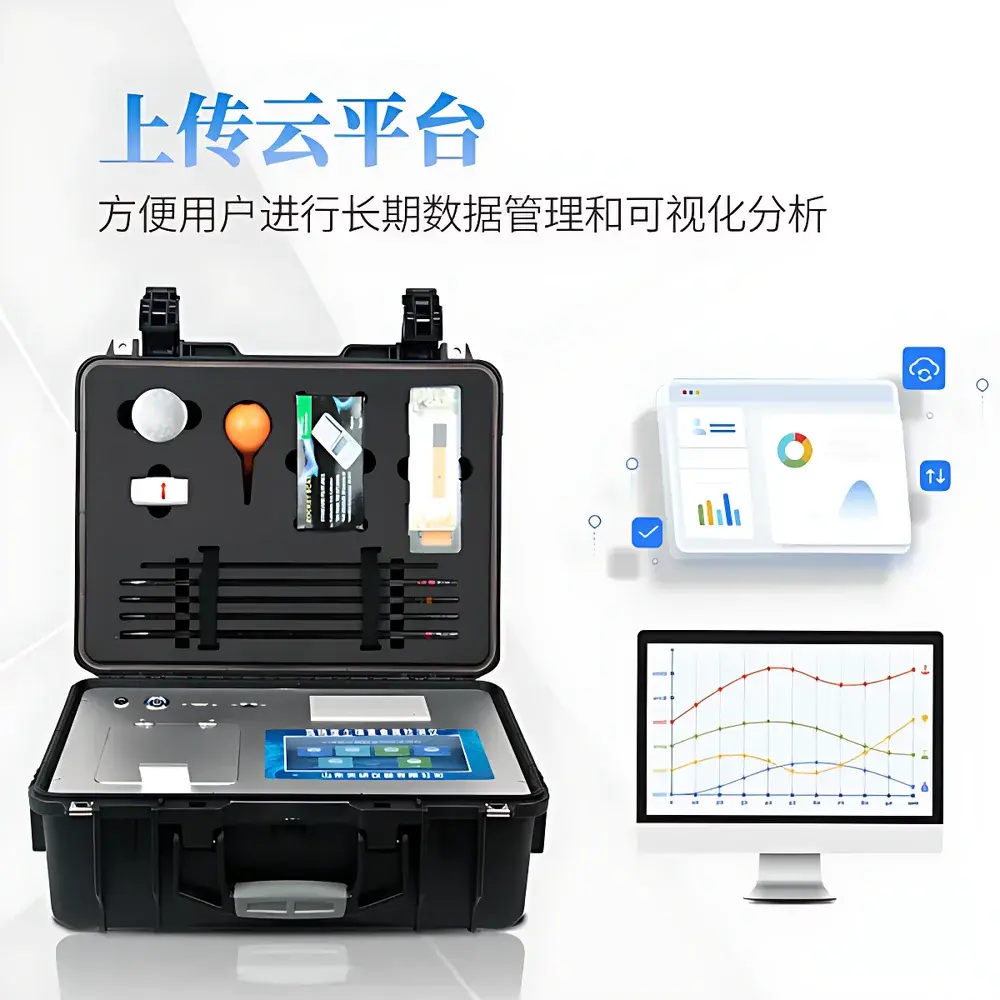
The embedded firmware supports direct thermal printout of sample ID, test parameter, measured absorbance, calculated concentration (mg/kg or µg/L), pass/fail status versus GB 2762 thresholds, and QC flagging (e.g., “out-of-linear-range”, “reagent blank > 0.05 AU”). No proprietary software installation is required; raw data (CSV format) can be retrieved via mini-USB port for integration into LIMS or Excel-based reporting templates. Firmware updates preserve historical calibration coefficients and allow expansion to additional analytes (e.g., fluoride via SPADNS method, selenium via DBC complexation) through certified reagent kits. Internal memory retains ≥500 test records with timestamp, operator code, and method version identifier.
Applications
- Rapid risk screening of peri-urban farmland prior to crop planting or land-use change assessments.
- Field validation of remediation efficacy following phytoremediation or soil washing interventions.
- Quality assurance for organic certification bodies verifying absence of heavy metal contamination in input materials.
- Regulatory enforcement support for county-level ecological environment bureaus conducting routine surveillance under the Soil Pollution Prevention and Control Action Plan (2016–2030).
- Extension service training modules for cooperative farmers on safe manure application and wastewater reuse practices.
- Academic field studies requiring spatially dense sampling across heterogeneous landscapes where lab turnaround time would compromise temporal resolution.
FAQ
What digestion method is recommended for soil samples?
Standard hotplate digestion using 5 mL concentrated HNO₃ + 1 mL H₂O₂ at 120 °C for 2 hours, followed by dilution to 50 mL with deionized water—fully compatible with GB/T 22105.1–2008.
Can the instrument quantify total chromium and Cr(VI) separately?
Yes. Total Cr requires pre-reduction with NH₄Fe(SO₄)₂ before diphenylcarbazide reaction; Cr(VI) is measured directly. Protocol differentiation is embedded in the firmware menu.
Is method validation data available for international accreditation?
Certificate of Analysis (CoA) and in-house validation reports (precision, recovery, LOD/LOQ per ISO 5725) are supplied with each unit; third-party ISO/IEC 17025 verification is available upon request.
How often must the optical path be cleaned or recalibrated?
No routine optical recalibration is needed. Daily blank verification with reagent-grade water is sufficient; annual factory recalibration is recommended for metrological traceability.
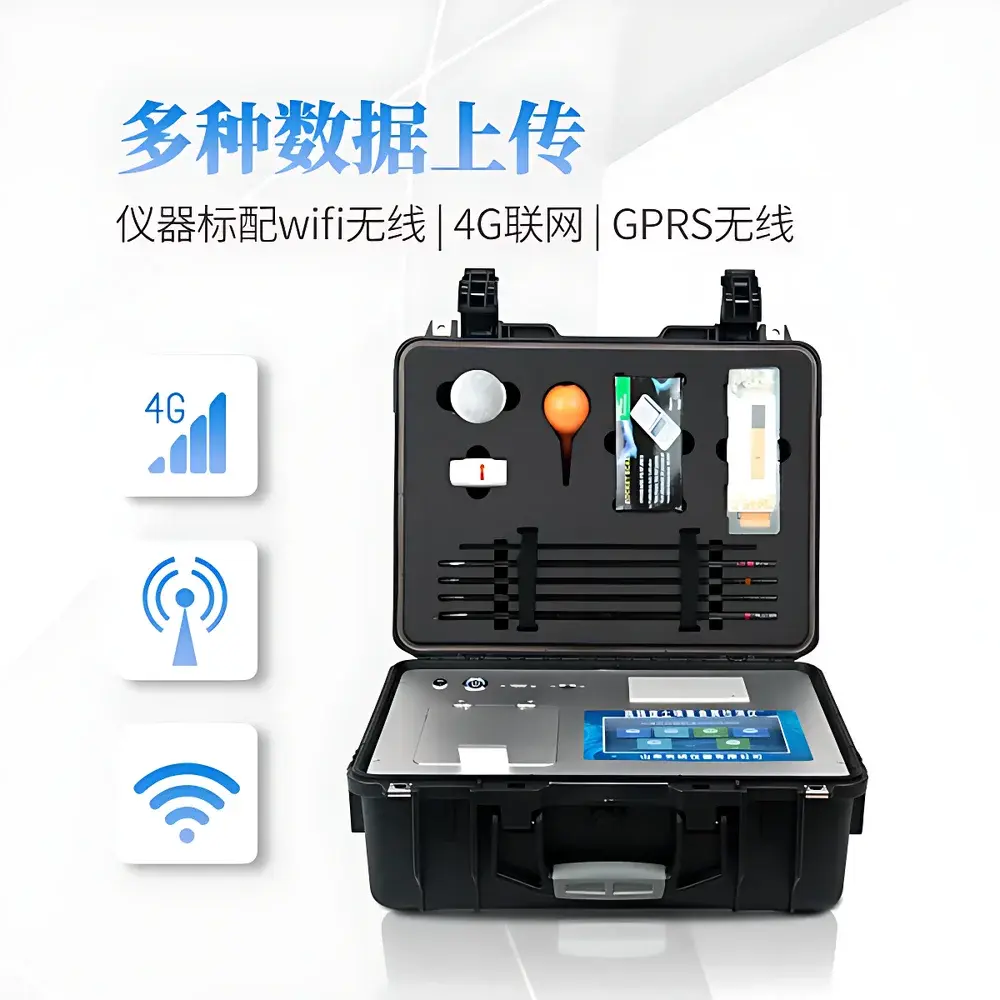
Does the system support remote data transmission?
Not natively. However, printed reports can be scanned and uploaded manually; optional Bluetooth module (TY-BT-01) enables wireless CSV export to Android/iOS tablets running custom lightweight viewer apps.
Related Products







