
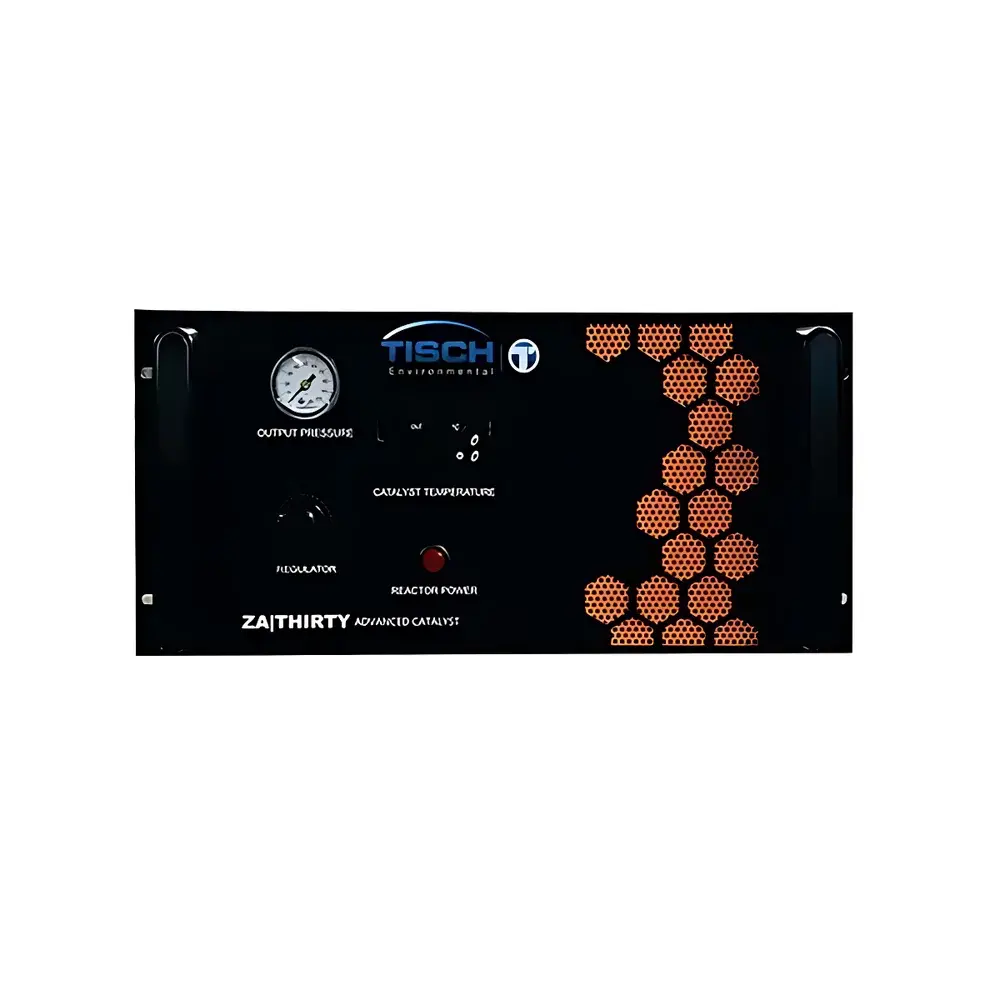
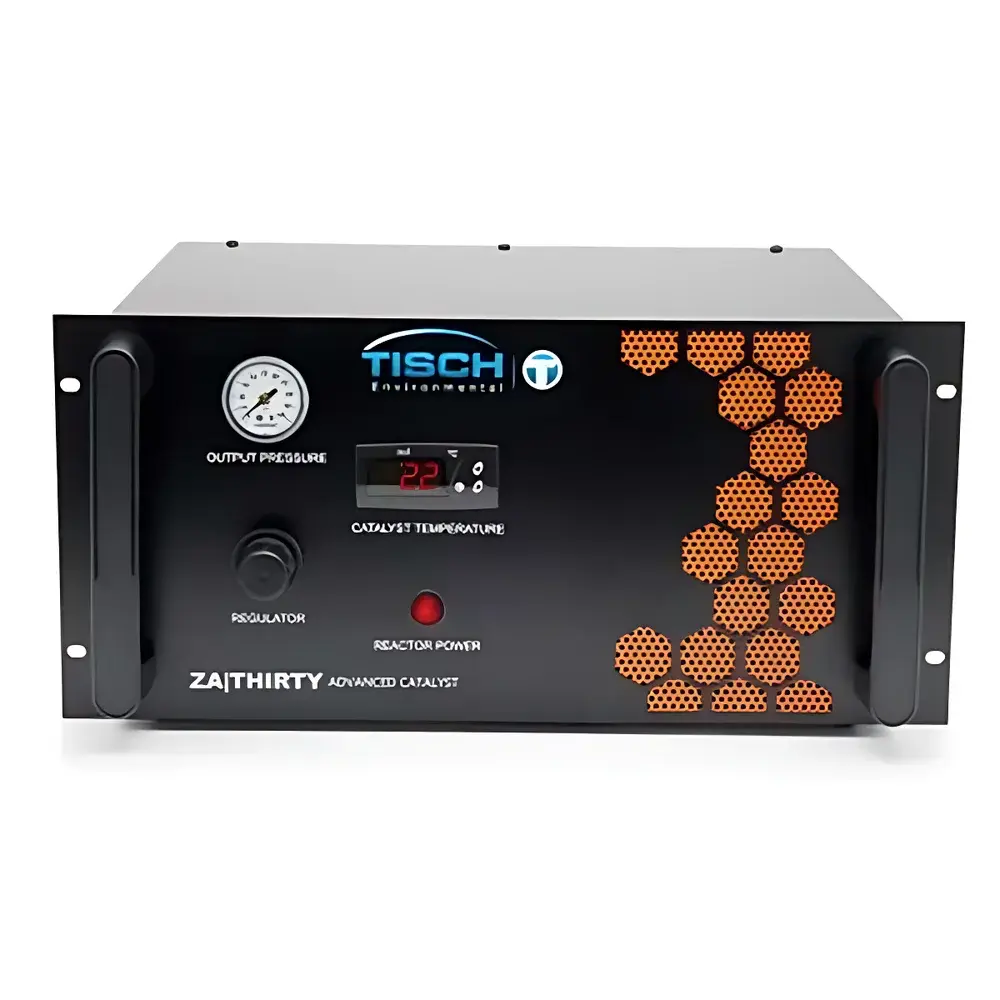
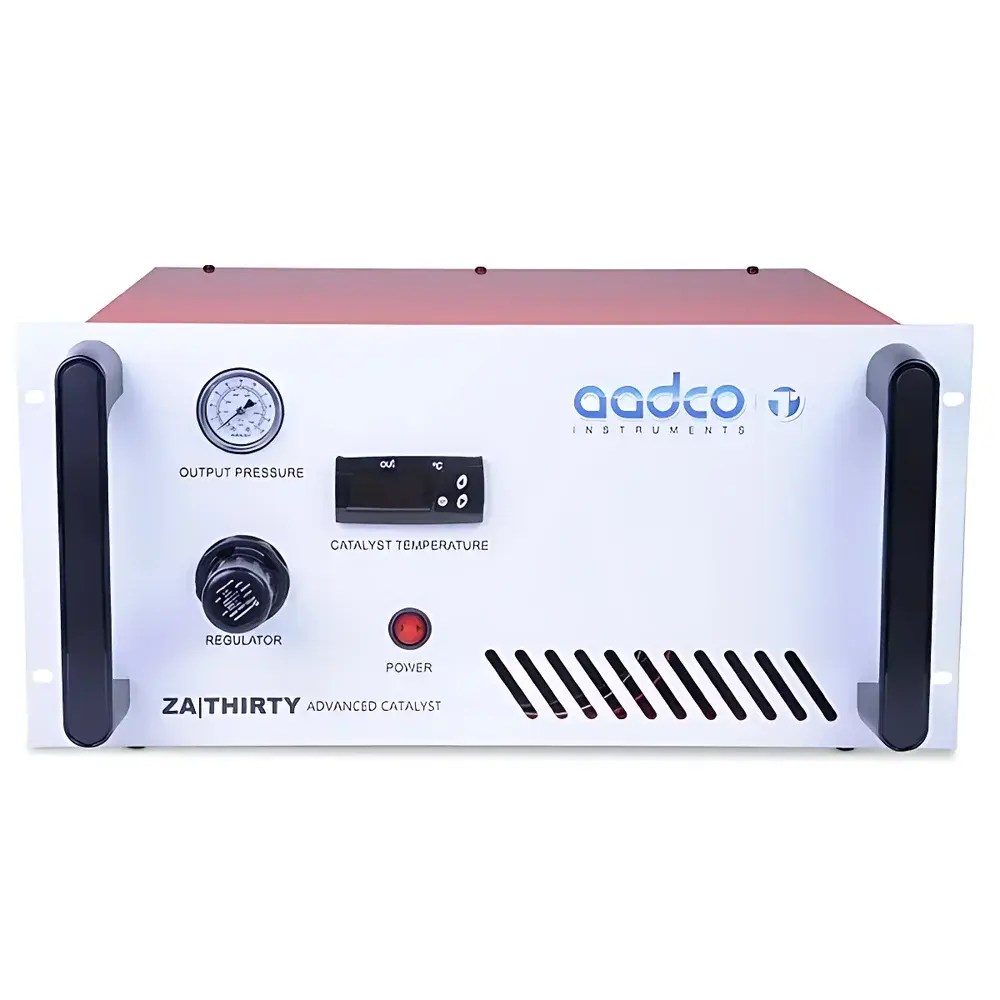
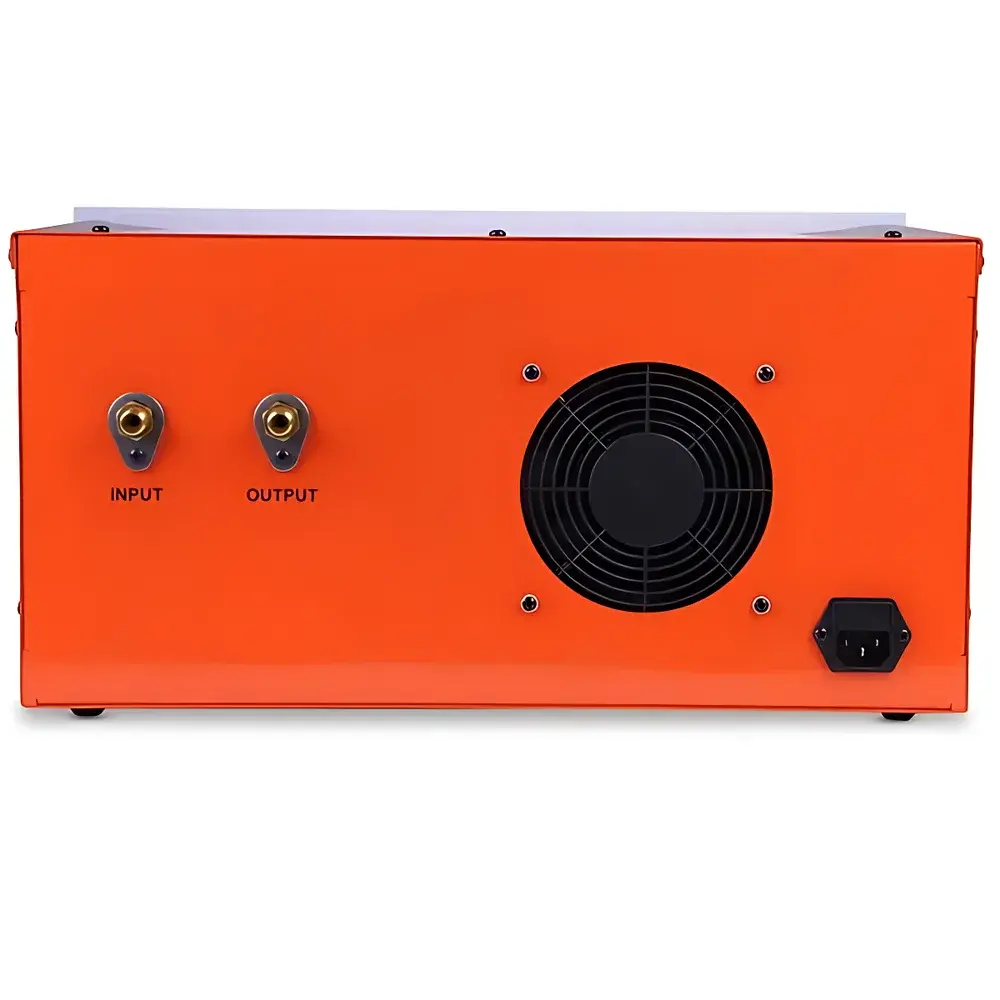
Tisch ZA30-240 Advanced Catalyst Zero Air Generator
| Brand | Tisch |
|---|---|
| Origin | USA |
| Distributor Type | Authorized Distributor |
| Origin Category | Imported |
| Model | ZA30-240 |
| Zero Air Purity | <0.05 ppm (hydrocarbons and methane) |
| Flow Rate | 30 L/min |
| Output Pressure | 100 psi |
Overview
The Tisch ZA30-240 Advanced Catalyst Zero Air Generator is a laboratory-grade, catalytic purification system engineered to produce ultra-low-hydrocarbon zero air for precision gas analysis and instrument calibration. Unlike compressed-air filtration systems relying solely on activated carbon or molecular sieves, the ZA30-240 employs a high-efficiency, temperature-controlled catalytic oxidation process—optimized for complete removal of hydrocarbons (including methane) and carbon monoxide—down to sub-ppb residual levels. The unit accepts standard oil-free, desiccated compressed air (typically 80–120 psi inlet) as feed gas and delivers continuous, stable zero air at 30 L/min and up to 100 psi output pressure. Designed for integration into ambient air monitoring networks, gas chromatography (GC) carrier gas supply chains, and photometric ozone calibrators, the ZA30-240 eliminates reliance on high-pressure cylinder-based zero air—a known source of batch-to-batch variability, logistical overhead, and contamination risk in regulated environments.
Key Features
- Advanced dual-stage catalytic purification: First-stage heated catalyst oxidizes hydrocarbons and CO to CO₂ and H₂O; second-stage selective scrubber removes generated CO₂ and moisture to meet stringent zero air specifications.
- Real-time thermal management: Integrated PID-controlled heater and insulated stainless-steel reactor housing ensure consistent catalytic activity across ambient temperatures (15–35°C), minimizing drift during extended operation.
- Rack-mount or benchtop configuration: Compact, UL-listed enclosure with front-panel pressure gauges, flowmeter, and status LED indicators—designed for ISO 17025-compliant lab layouts and EPA Method 21–compatible installations.
- No consumables required beyond routine maintenance: Catalyst lifetime exceeds 12 months under typical lab use (30 L/min, 8 hrs/day); no replacement cartridges, filters, or scrubbers needed during normal service intervals.
- Compliance-ready safety architecture: Fully enclosed, thermally insulated chassis with surface temperature <45°C; built-in overtemperature cutoff and pressure relief valve conforming to ASME B31.8 and IEC 61000-6-4 EMI standards.
Sample Compatibility & Compliance
The ZA30-240 generates zero air compliant with U.S. EPA Trace-Level Calibration Standards (Appendix A to 40 CFR Part 53), ASTM D6163 (Standard Practice for Generating Zero Air), and ISO 8573-1:2010 Class 1 compressed air purity requirements for hydrocarbon content. It is validated for use with federal reference method (FRM) and federal equivalent method (FEM) analyzers—including UV photometric ozone monitors (e.g., Thermo Scientific 49i), chemiluminescent NOx analyzers (e.g., Teledyne API 200EU), and GC-FID systems requiring baseline stability <0.5 pA drift over 24 h. The unit supports GLP/GMP workflows through documented installation qualification (IQ), operational qualification (OQ), and performance verification protocols aligned with FDA 21 CFR Part 11 data integrity expectations when paired with compatible data loggers.
Software & Data Management
While the ZA30-240 operates as a standalone hardware system without embedded firmware or touchscreen interface, it integrates seamlessly into networked lab infrastructure via analog 4–20 mA output (optional) for real-time pressure and flow telemetry. Users may connect third-party SCADA or LIMS platforms (e.g., LabVantage, Thermo Fisher SampleManager) using standard Modbus RTU or Ethernet/IP adapters. All operational parameters—including runtime hours, thermal setpoint deviations, and pressure differentials—are recordable via external data acquisition modules supporting CSV export and audit-trail generation per ISO/IEC 17025 clause 7.7.
Applications
- Calibration of ambient air quality monitors (O₃, NO₂, SO₂, CO) in regulatory compliance laboratories and state implementation plans (SIPs).
- Zero-gas supply for gas chromatography–flame ionization detection (GC-FID) and gas chromatography–mass spectrometry (GC-MS) trace VOC analysis.
- Baseline stabilization in cavity ring-down spectroscopy (CRDS) and tunable diode laser absorption spectroscopy (TDLAS) systems.
- Reference gas generation for dynamic dilution calibrators (e.g., Dynacalibrator series) used in EPA Method TO-15 and ASTM D5502 testing.
- Support of ISO/IEC 17025 accreditation audits requiring documented zero air purity validation and traceability to NIST SRM 1628a (zero air standard).
FAQ
What inlet air quality is required for optimal ZA30-240 performance?
Oil-free, desiccated compressed air with dew point ≤ –40°C and particulate filtration ≤ 0.01 µm is mandatory. Use of coalescing filters upstream is strongly recommended to prevent catalyst poisoning.
Does the ZA30-240 require periodic recalibration?
No—catalyst performance is verified at factory via NIST-traceable hydrocarbon analyzer (e.g., Agilent 7890B with FID). Users perform annual verification using EPA Protocol Gas Audit (PGA) or certified zero air standard (e.g., Scott-Marrin 0.02 ppm CH₄ blend).
Can the ZA30-240 be used in Class 100 cleanrooms?
Yes—unit emits no volatile organic compounds (VOCs) or particles; exhaust is filtered through a final 0.2 µm HEPA-grade vent filter (optional accessory).
Is remote monitoring supported out-of-the-box?
Not natively—but 4–20 mA analog outputs (pressure, flow) and dry-contact alarm relays enable integration with building management systems (BMS) or PLCs without proprietary software.
What is the expected catalyst service life under continuous operation?
Minimum 10,000 operating hours (≈14 months at 24/7 duty cycle) when fed air meeting ISO 8573-1 Class 1.1.1 specifications; lifetime extends significantly with intermittent use and proper inlet conditioning.







