Top Cloud-agri TPFC Series Ultra-Dry Seed Storage Cabinet
| Brand | Top Cloud-agri |
|---|---|
| Model | TPFC Series |
| Origin | Zhejiang, China |
| Manufacturer Type | Direct Manufacturer |
| Category | Domestic |
| Humidity Range | 1–60% RH (adjustable) |
| Humidity Accuracy | ±3% RH |
| Humidity Display Range | 1–99% RH |
| Temperature Display Range | 0–95°C |
| Temperature Accuracy | ±1°C |
| Rated Voltage | 220 V AC |
| Frequency | 50–60 Hz |
| Construction | 1.2 mm cold-rolled steel cabinet body with anti-static epoxy coating |
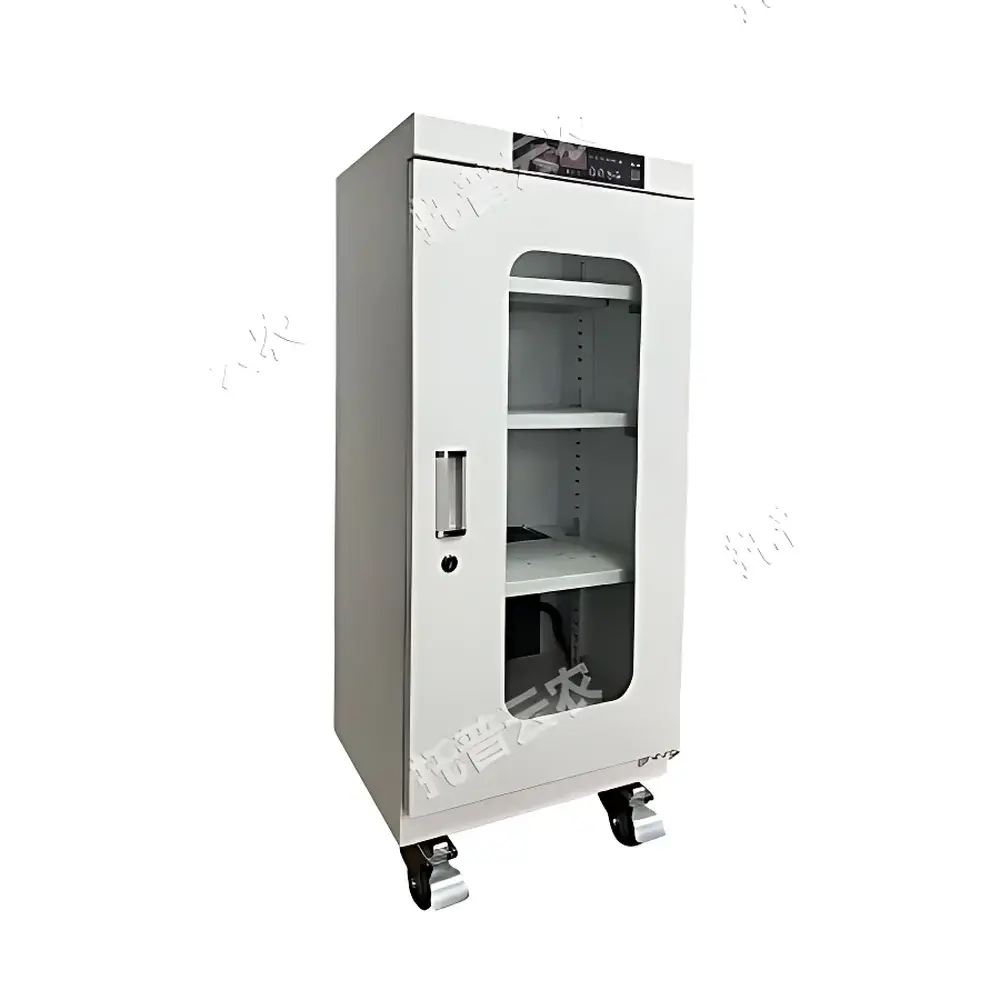
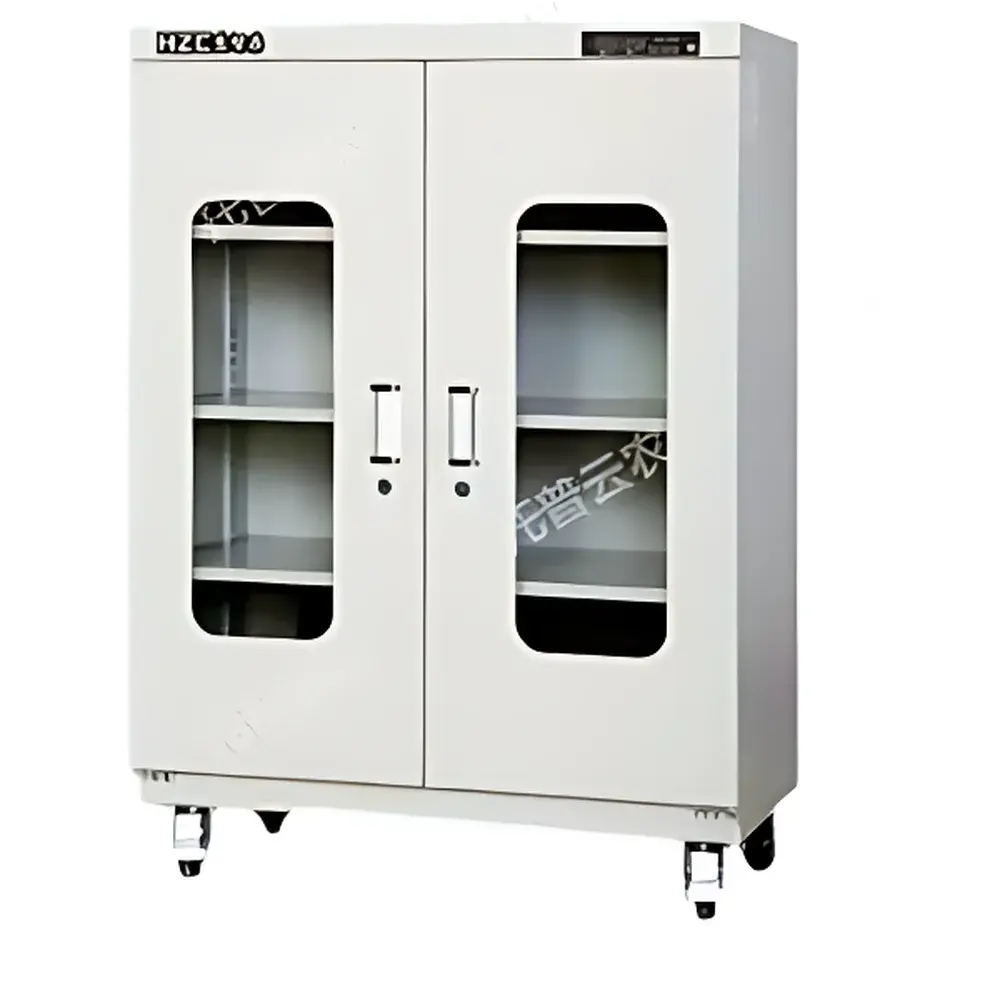
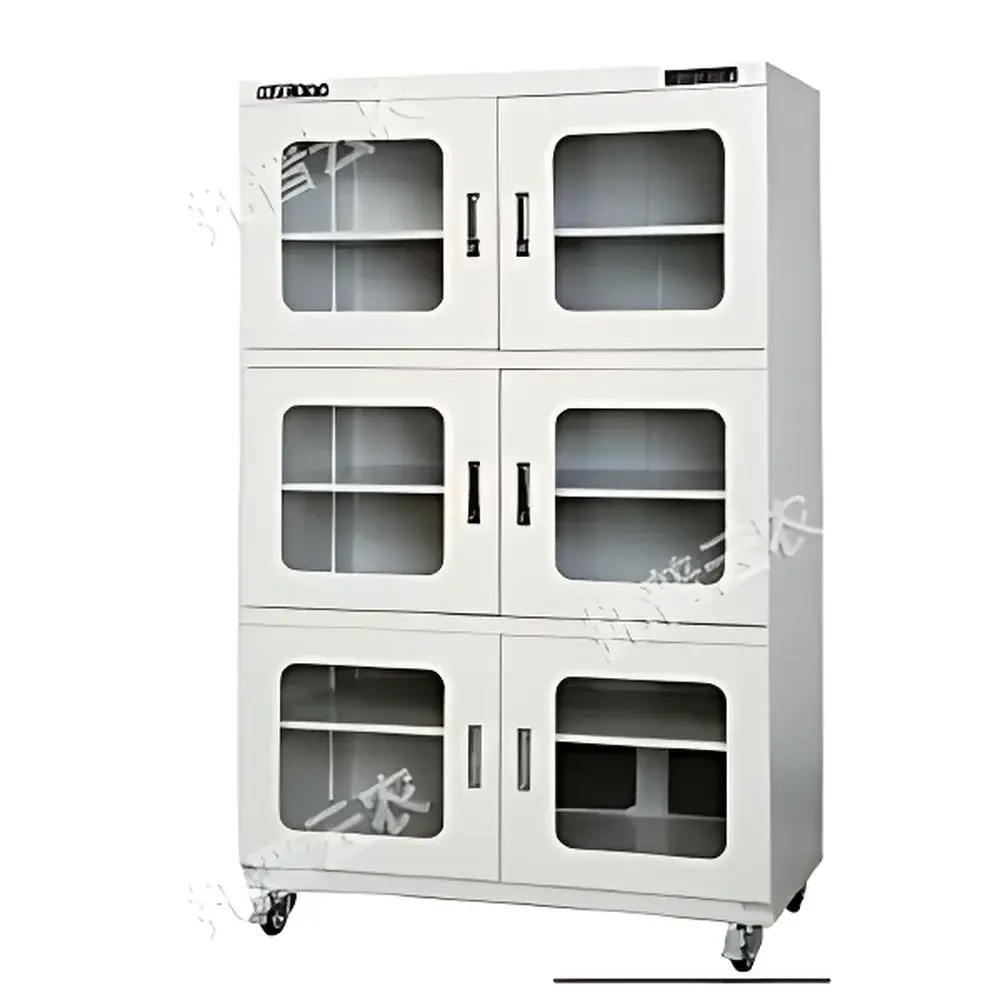
| Door Configuration | Single-, double-, four-, or six-door variants |
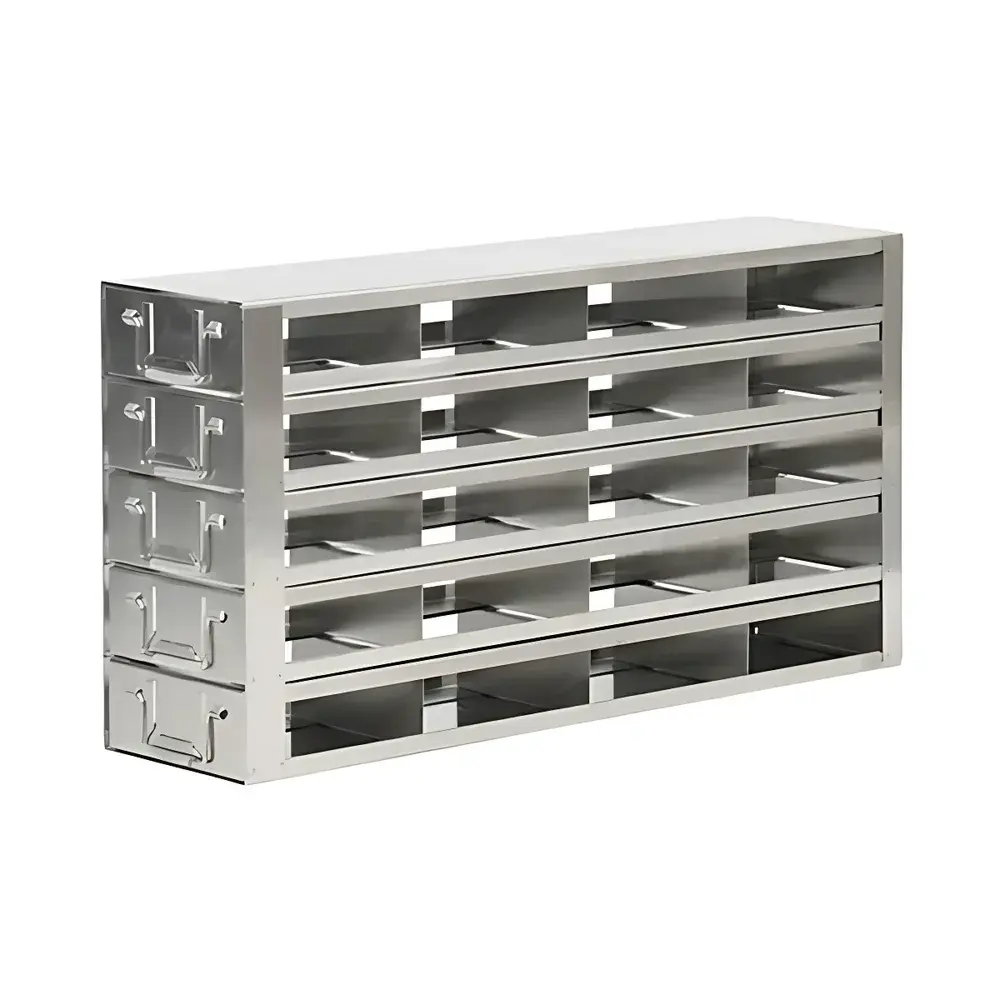
| Layered Shelving | 3–5 adjustable heavy-duty steel shelves |
| Casters | Four static-dissipative swivel casters with brakes |
| Sealing | Compression-sealed tempered glass door (4 mm) integrated with reinforced steel frame |
| Desiccation Mechanism | Regenerable polymer-based dynamic moisture adsorption system |
| Power Recovery | Automatic parameter retention after power interruption |
| Sleep Mode | Intelligent energy-saving standby protocol |
| Visual Monitoring | Real-time LED display showing humidity/temperature values, trend curves, door status, operational state, date/time, and humidity setpoint level (9-LED bar indicator) |
| Safety Compliance | ESD-safe enclosure |
Overview
The Top Cloud-agri TPFC Series Ultra-Dry Seed Storage Cabinet is an engineered environmental control system designed specifically for the long-term preservation of orthodox seeds under ultra-dry storage conditions. Unlike conventional refrigerated or ambient-temperature seed vaults, this cabinet operates on a desiccation-first principle: it actively reduces seed moisture content to ≤5% w/w by maintaining precisely regulated low-humidity environments (1–60% RH), thereby suppressing metabolic activity—including respiration, enzymatic hydrolysis, and oxidative degradation—without cryogenic intervention. The system employs a non-consumable, regenerable high-molecular-weight polymer desiccant module that functions continuously during operation and retains residual moisture adsorption capacity even during power outages—a critical feature for uninterrupted seed integrity in off-grid or unstable utility settings. Its architecture aligns with internationally recognized seed conservation frameworks, including the FAO’s *Genebank Standards* and the CGIAR Research Program on Genebanks’ best practices for ex situ conservation.
Key Features
- Precision humidity control (1–60% RH, ±3% RH accuracy) with independent temperature monitoring (0–95°C, ±1°C) ensures stable equilibration of seed moisture content to target levels.
- Dynamic polymer-based desiccation system enables continuous, electricity-dependent regeneration and passive moisture capture during downtime—eliminating need for disposable silica gel or frequent maintenance cycles.
- Anti-static 1.2 mm cold-rolled steel enclosure with epoxy powder coating prevents electrostatic discharge risks during handling of dry, brittle seeds and complies with ISO 14644-1 Class 8 cleanroom-compatible surface resistivity standards.
- Compression-mounted 4 mm tempered glass viewing window provides structural integrity and >95% hermetic seal performance, validated per ASTM E283-20 leakage testing protocols for low-permeability enclosures.
- Intelligent memory retention preserves all user-defined thresholds (humidity setpoints, alarm triggers, calibration offsets) across power interruptions—no reconfiguration required upon restart.
- Modular door and shelf configuration (TPFC-128 to TPFC-1480 models) supports scalable deployment—from single-lab accession storage to institutional seed bank staging zones—with load capacities up to 80 kg per shelf.
- Integrated LED interface displays real-time environmental parameters, historical trend curves (72-hour rolling buffer), door-open duration logging, and visual humidity-level feedback via 9-segment LED bar graph.
Sample Compatibility & Compliance
The TPFC cabinet accommodates standard seed storage containers—including aluminum foil laminated pouches, glass vials with butyl rubber septa, and polypropylene cryotubes—without compromising internal RH stability. Its sealed chamber design minimizes vapor exchange during routine access, supporting compliance with national and international seed viability monitoring schedules (e.g., ISTA Rule 5.2 for moisture content verification). While not certified to ISO/IEC 17025 for metrological traceability, the unit’s humidity sensor is factory-calibrated against NIST-traceable hygrometric references and supports user-initiated two-point offset correction. It fulfills functional prerequisites for GLP-aligned seed archiving workflows where environmental logs must be retained for ≥10 years per national phytosanitary regulations.
Software & Data Management
The cabinet operates as a standalone hardware platform with no proprietary cloud dependency. All environmental data—including timestamped RH/°C readings, door-open events, alarm triggers (e.g., humidity excursion >±5% RH beyond setpoint), and system uptime—are stored locally in non-volatile memory. Optional RS-485 Modbus RTU output enables integration with existing BMS or LIMS platforms for centralized log aggregation. Audit trails meet minimum FDA 21 CFR Part 11 readiness criteria when paired with time-stamped, operator-logged manual entries—though electronic signature functionality is not embedded.
Applications
- Pre-storage conditioning of cereal, legume, and oilseed accessions prior to cryo- or medium-term cold storage.
- Intermediate-term conservation of base collections in national gene banks lacking liquid nitrogen infrastructure.
- Moisture equilibration of recalcitrant species undergoing partial drying trials under controlled desiccation stress.
- Quality assurance staging for certified seed lots requiring post-harvest RH stabilization before packaging.
- Teaching laboratories conducting seed longevity experiments under defined water potential (Ψw) gradients.
FAQ
Does the TPFC cabinet require external desiccant replacement?
No. Its regenerative polymer desiccant module is designed for indefinite service life under normal operating conditions; no consumables or scheduled replacements are necessary.
Can the cabinet maintain ultra-dry conditions during extended power failure?
Yes. The desiccant retains adsorptive capacity for up to 72 hours post-power-loss, preventing rapid RH rebound and protecting seed moisture integrity during short-term outages.
Is remote monitoring supported?
Local data export is available via USB port (CSV format); optional RS-485 interface allows integration with third-party SCADA or environmental logging systems.
What calibration documentation is provided?
Each unit ships with a factory calibration certificate referencing NIST-traceable hygrometer standards; field recalibration procedures are included in the technical manual.
Are custom shelving configurations available?
Standard models include fixed-layer steel shelves; OEM customization (e.g., perforated trays, RFID-enabled racks) is available upon request with minimum order volume.