TOP-UNISTAR Detector SDK Custom Development Service for Scientific Imaging Systems
| Brand | TOP-UNISTAR |
|---|---|
| Origin | Beijing, China |
| Manufacturer Type | Authorized Distributor |
| Regional Category | Domestic (China) |
| Model | Detector SDK Auxiliary Development Kit |
| Quotation | Upon Request |
| Consultation Fee | USD 2,000–5,000 |
| Instrument Type | Analytical Instrumentation Software Support |
Overview
TOP-UNISTAR Detector SDK Custom Development Service is a specialized laboratory engineering offering designed to accelerate integration of high-performance X-ray and optical scientific detectors into custom data acquisition and control environments. This service delivers production-ready, low-level software components—including device drivers, synchronization logic, real-time data streaming modules, and lightweight preprocessing routines—targeting deterministic timing requirements common in synchrotron beamlines, laboratory-scale XRD/XRF systems, and time-resolved imaging setups. The development adheres strictly to industry-standard embedded software practices, with emphasis on thread-safe execution, memory-efficient buffer management, and hardware-triggered event handling. Unlike generic GUI frameworks, this service focuses exclusively on the foundational layer: deterministic communication with detector firmware via vendor-provided SDKs, enabling clients to build robust, auditable, and maintainable acquisition stacks compliant with GLP and ISO/IEC 17025 traceability requirements.
Key Features
- Platform-native implementation for Windows (x64) and Linux (kernel 5.4+, glibc 2.28+) environments
- Low-latency, interrupt-driven acquisition control supporting hardware-triggered frame capture and multi-detector synchronization
- Modular C-language core libraries compatible with EPICS IOC environments and Python-based analysis pipelines (via ctypes or pybind11 bindings)
- Comprehensive documentation package including API reference manuals, timing diagrams, error-code mapping tables, and integration checklists
- Optional delivery of annotated source code for dynamic link libraries (DLLs / .so files), subject to vendor licensing terms and NDA compliance
- Validation support: test scripts for basic functionality verification (e.g., exposure control, ROI readout, gain calibration sequence execution)
Sample Compatibility & Compliance
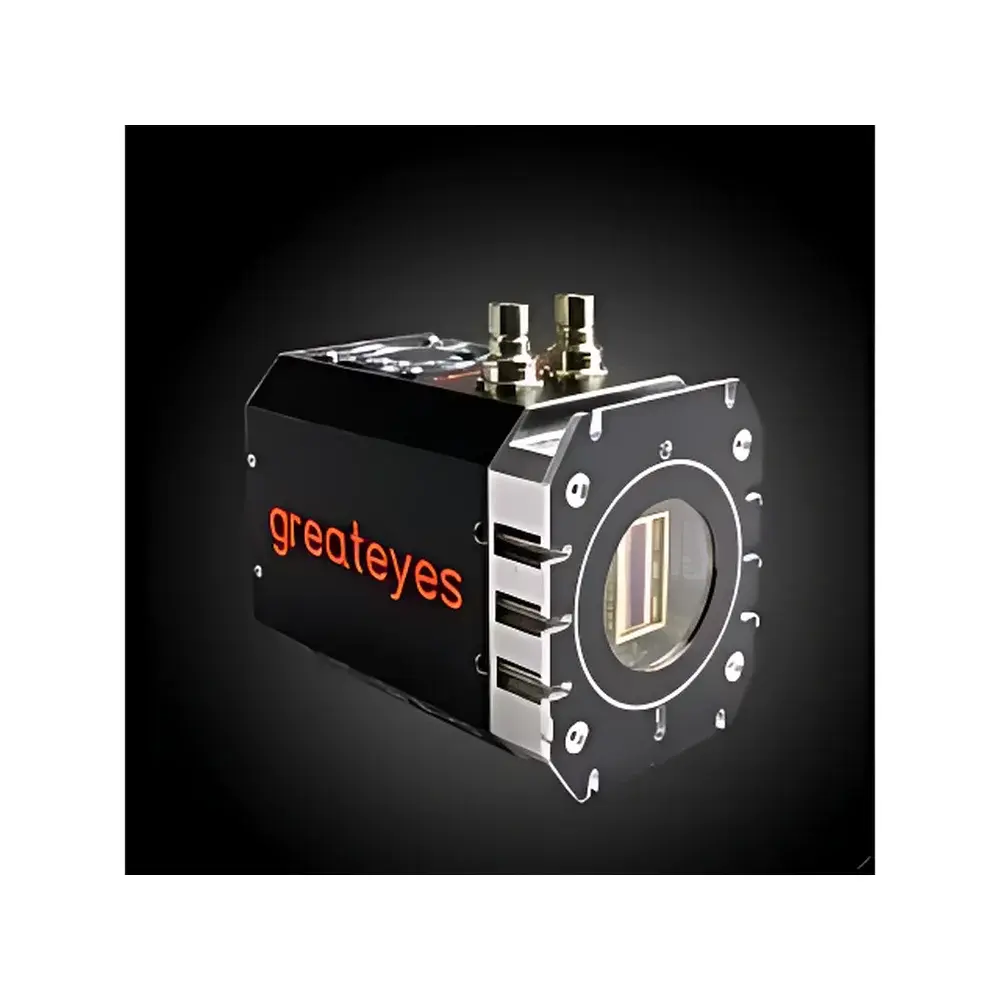
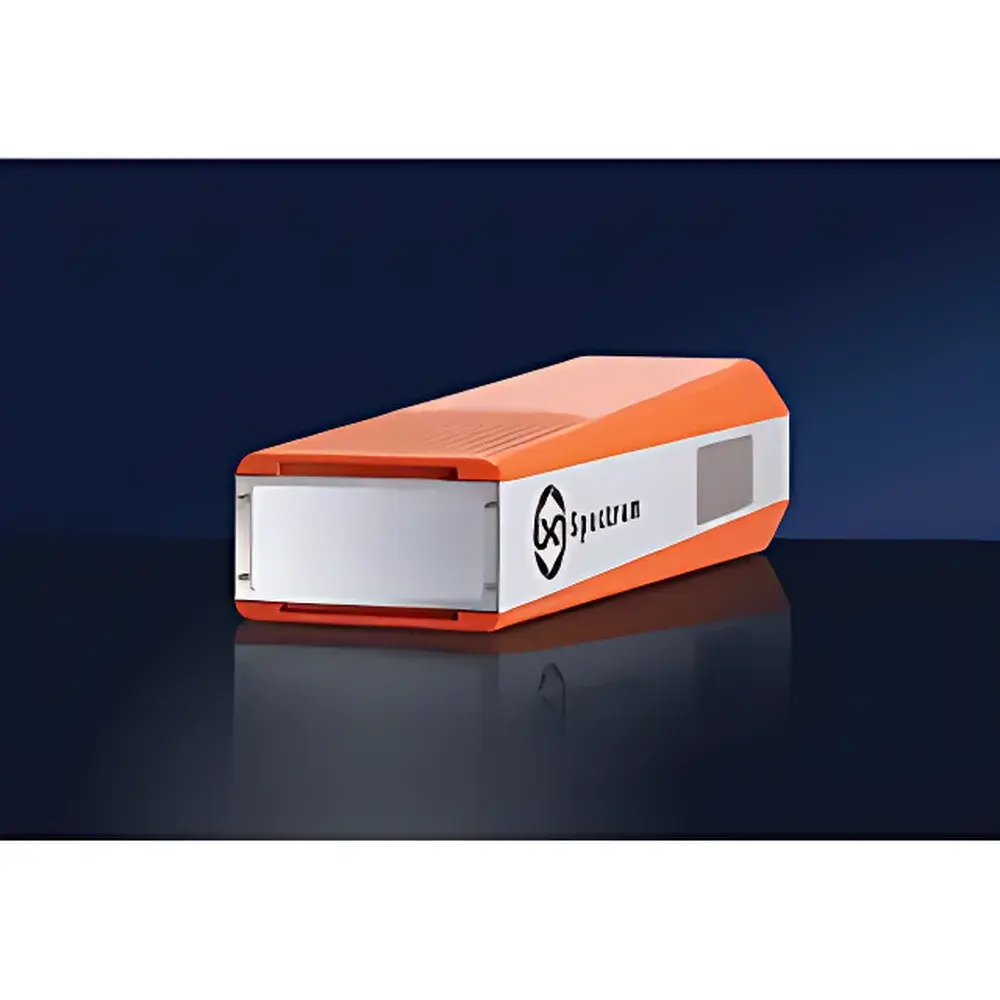
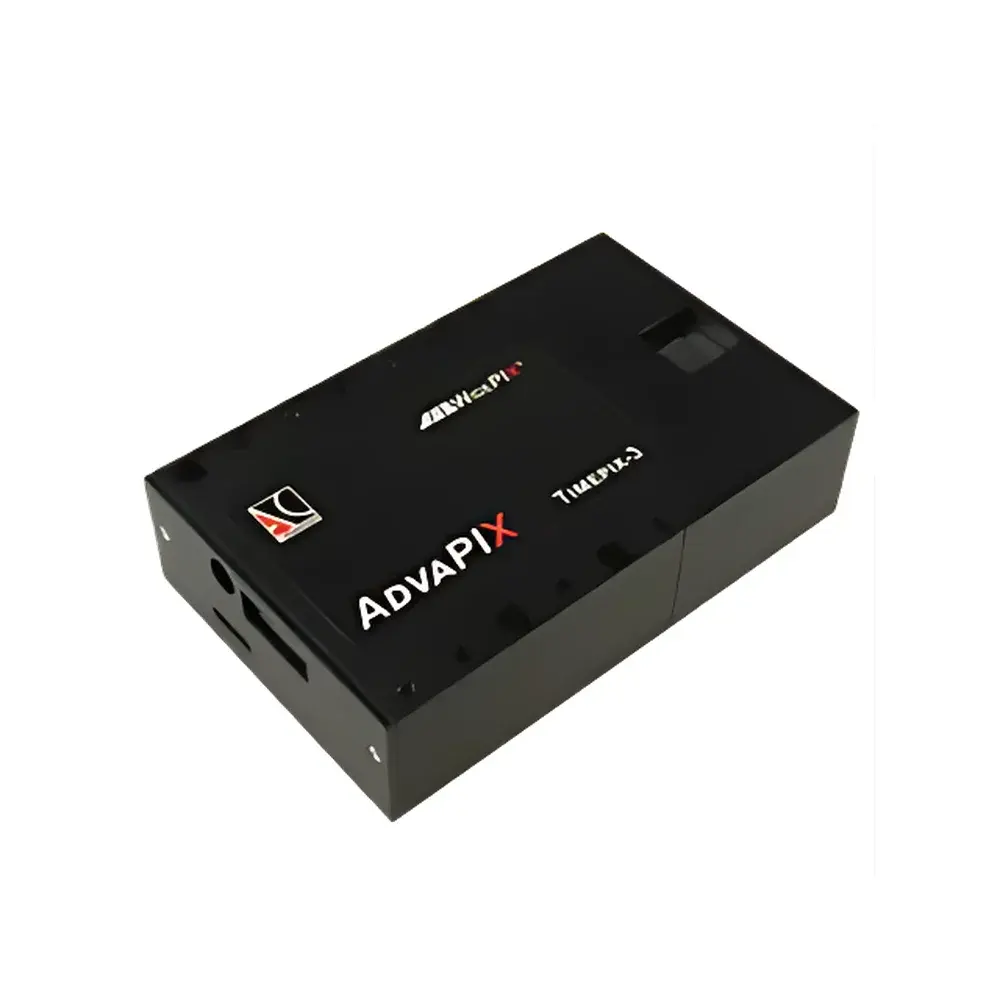
The service supports detector families widely deployed in academic and industrial analytical laboratories, including Advacam Medipix3/Timepix3 hybrid pixel detectors, Lambda hybrid photon-counting detectors (DECTRIS), Greateyes scientific-grade CCD/CMOS cameras, and PSEL intensified X-ray cameras. All delivered code complies with MISRA C:2012 guidelines where applicable and follows ISO/IEC 12207 software lifecycle principles. Integration outputs are structured to facilitate audit readiness under FDA 21 CFR Part 11 (for regulated QC/QA environments) and support electronic record integrity through deterministic logging interfaces. No proprietary GUI frameworks or third-party runtime dependencies are introduced—ensuring long-term maintainability and compatibility with HPC cluster deployment models.
Software & Data Management
Delivered artifacts include version-controlled header files (.h), compiled binaries (DLL/.so), and platform-specific build configurations (CMakeLists.txt). Source code (if licensed) is provided with Doxygen-compatible comments and unit-test stubs. All APIs expose standardized metadata structures aligned with NeXus HDF5 conventions, enabling seamless ingestion into FAIR-compliant data management workflows. Integration with EPICS Base 7.0+ is validated using standard asynPortDriver and NDPlugin architectures. Python wrappers include type hints and PEP 561 compliance for static analysis tooling (e.g., mypy), supporting reproducible environment builds via conda-forge or pip wheels.
Applications
This development service is routinely engaged for: synchrotron end-station control system modernization; OEM integration of detectors into turnkey XRD/XRF analyzers; migration from legacy LabVIEW-based DAQ to open-architecture Linux platforms; building time-resolved pump-probe imaging controllers; and implementing synchronized multi-modal acquisition (e.g., simultaneous X-ray diffraction + fluorescence mapping). It serves institutions requiring full technical ownership of acquisition logic—particularly those subject to export control regulations (EAR99), internal cybersecurity policies, or long-term software sustainability mandates.
FAQ
Does this service include graphical user interface (GUI) development?
No. This offering covers only the underlying control and data transport layer. GUI implementation remains the client’s responsibility or may be contracted separately.
Can TOP-UNISTAR assist with detector firmware updates or hardware-level debugging?
No. This service operates strictly at the host-software level and does not extend to firmware modification, FPGA configuration, or electrical signal integrity analysis.
Is source code delivery guaranteed?
Source code is optional and subject to individual detector vendor licensing agreements. Its availability requires prior written approval from the original equipment manufacturer (OEM).
What documentation formats are provided?
PDF-based API reference guides, Markdown-formatted integration notes, and HTML-rendered Doxygen output (when source is licensed). All documents include revision history and change logs.
How is intellectual property (IP) handled?
All custom-developed code is assigned to the client upon full payment, per contractual terms. Pre-existing TOP-UNISTAR utility libraries remain under proprietary license but are fully documented for interoperability.