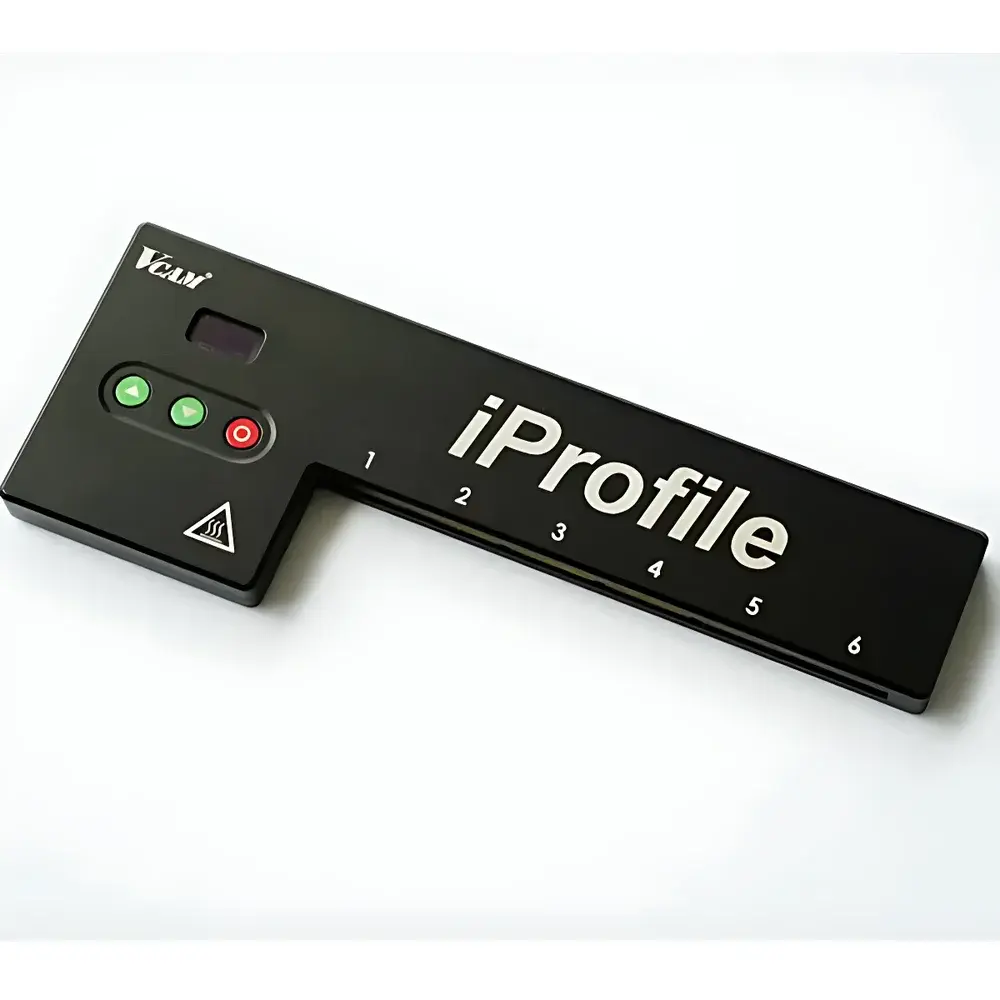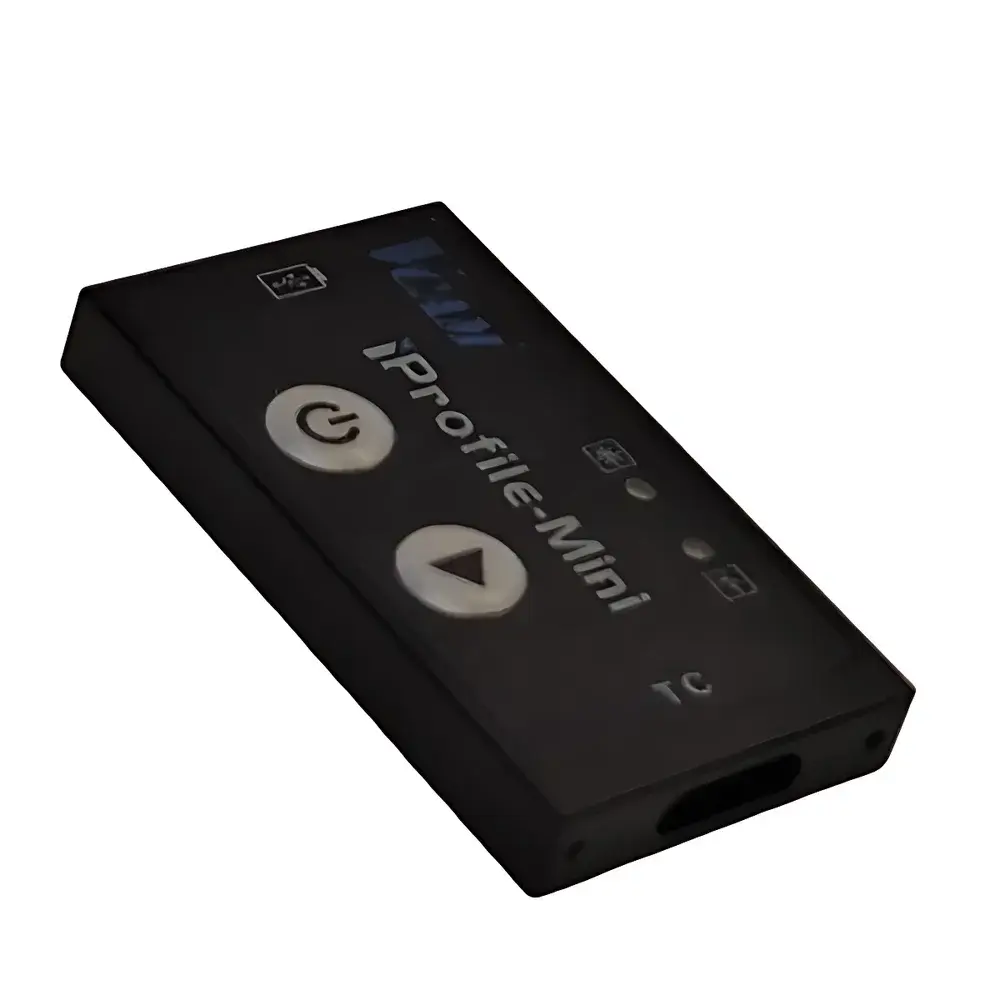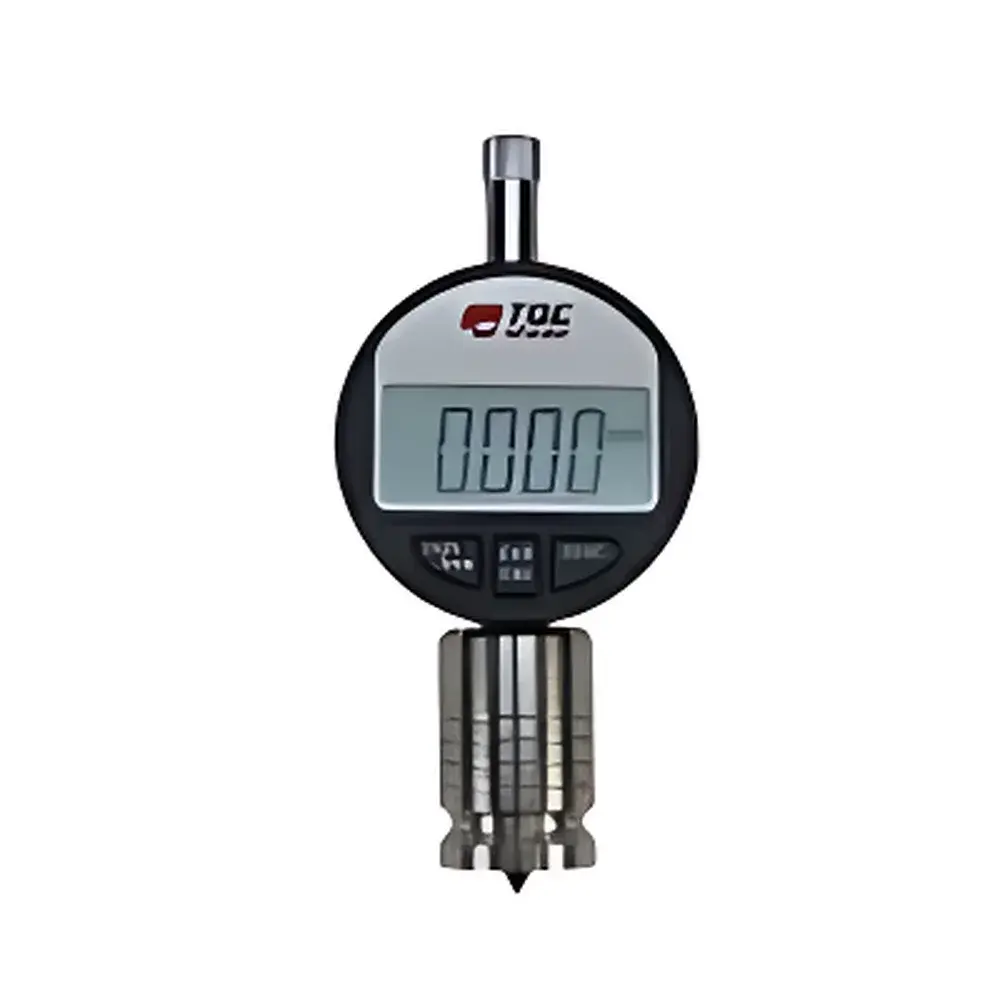
TQC Sheen SP1560 Digital Surface Roughness and Coating Thickness Gauge
| Brand | TQC Sheen |
|---|---|
| Origin | Netherlands |
| Model | SP1560 |
| Measurement Range | 0–3.4 mm (0–0.13 in) |
| Accuracy | ±5 µm (±0.2 mil) |
| Repeatability | 1 µm (±0.04 mil) |
| Probe Thread | M2.5 × 0.45 |
| Probe Shank Diameter | 8 mm (0.3 in) |
| Dual-Function Capability | Surface Roughness + Coating Thickness |
| Compliance | ASTM D4417, ISO 2808 |
Overview
The TQC Sheen SP1560 Digital Surface Roughness and Coating Thickness Gauge is an engineered dual-mode handheld metrology instrument designed for field-deployable, high-reproducibility assessment of surface topography and protective coating integrity. It operates on two distinct physical measurement principles: contact profilometry for surface roughness (Ra, Rz, Rt) and electromagnetic induction (for non-ferrous substrates) or magnetic induction (for ferrous substrates) for dry film thickness (DFT) measurement. Unlike single-function gauges, the SP1560 integrates calibrated transduction pathways within a unified mechanical architecture—enabling traceable, cross-validated evaluation of surface condition before and after coating application. Its compact form factor, robust aluminum housing, and IP54-rated ingress protection support consistent performance across laboratory calibration environments, production line stations, and outdoor infrastructure inspection sites.
Key Features
- Dual-probe modular design with quick-swap capability using a standard 2.5 mm hex key—no tools required beyond the included wrench
- Surface roughness probe features a diamond-tipped stylus (2 µm radius, 12° included angle) compliant with ISO 3274 and ISO 4287 geometric specifications
- Coating thickness probe utilizes dual-sensor technology: magnetic induction for steel substrates and eddy current for aluminum, stainless steel, and non-conductive surfaces
- High-resolution OLED display with backlighting supports real-time waveform visualization during roughness scanning and statistical summary (n = 1–99 readings per batch)
- Onboard memory stores up to 2,000 measurement records with timestamp, location tag (via optional Bluetooth GPS module), and operator ID
- Calibration traceability maintained via NIST-traceable reference standards; factory calibration certificate supplied with each unit
Sample Compatibility & Compliance
The SP1560 accommodates a broad range of industrial substrates including cold-rolled steel, hot-dip galvanized steel, aluminum alloys, stainless steel, concrete primers, and polymer-coated composites. Surface roughness measurements conform to ISO 4287, ISO 4288, and ASTM D4417 Method B (visual comparator correlation) for blast-cleaned steel profiles. Coating thickness functionality meets ISO 2808 (cross-section microscopy validation protocol), SSPC-PA 2 (Procedure for Determining Conformance to Dry Film Thickness Requirements), and EN ISO 19840 for offshore protective systems. All firmware and calibration routines are validated under GLP-compliant internal audit protocols; device configuration logs support 21 CFR Part 11 audit trail requirements when paired with TQC Sheen’s optional DataLink software.
Software & Data Management
The SP1560 interfaces seamlessly with TQC Sheen DataLink v3.2 (Windows-based), enabling full export of raw profile traces (.prf), statistical reports (.csv), and compliance summaries (.pdf). DataLink provides automated pass/fail flagging against user-defined specification limits (e.g., Ra ≤ 50 µm, DFT 125–175 µm), batch-level Cpk/Ppk capability analysis, and PDF report generation with embedded digital signatures. Exported datasets retain full metadata—including probe type, calibration date, environmental temperature/humidity (if logged via external sensor), and measurement sequence ID—ensuring full traceability for quality system audits. Firmware updates are delivered via encrypted USB stick or authenticated web portal download.
Applications
- Pre-paint surface profiling verification in shipyard blast rooms per ISO 8503-1 and NORSOK M-501
- In-process DFT verification during coil coating, automotive OEM paint lines, and wind turbine blade manufacturing
- Post-application roughness validation for anti-fouling marine coatings and thermal spray bond coats
- Root cause analysis of adhesion failures by correlating Ra/Rz values with pull-off test results (ASTM D4541)
- Supplier qualification audits requiring simultaneous reporting of substrate profile and applied coating thickness per ISO/IEC 17025 scope
- Maintenance inspection of pipeline girth welds, offshore platform decks, and nuclear containment structures
FAQ
Does the SP1560 require annual recalibration?
Yes—TQC Sheen recommends annual recalibration against certified reference standards; calibration intervals may be extended to 18 months under documented controlled-use conditions per ISO/IEC 17025 Clause 6.5.
Can the roughness probe measure curved surfaces?
The standard probe is optimized for flat or gently curved surfaces (radius ≥ 50 mm); optional radius-compensated probes are available for pipes and cylindrical components.
Is the device compatible with third-party LIMS or SAP QM modules?
Via DataLink’s ODBC-compliant database export and XML schema mapping, integration with major LIMS platforms (e.g., LabWare, STARLIMS) and SAP QM is supported through customer-specific configuration.
What is the temperature operating range?
The SP1560 functions reliably from –10 °C to +50 °C (14 °F to 122 °F); measurement accuracy is specified at 23 °C ±2 °C per ISO 14644-1 environmental classification.
How is probe wear monitored?
Each probe carries a unique serial number linked to its factory wear log; DataLink alerts users when cumulative scan distance exceeds 10 km or stylus radius deviation exceeds 0.3 µm (verified via optional stylus inspection kit).