
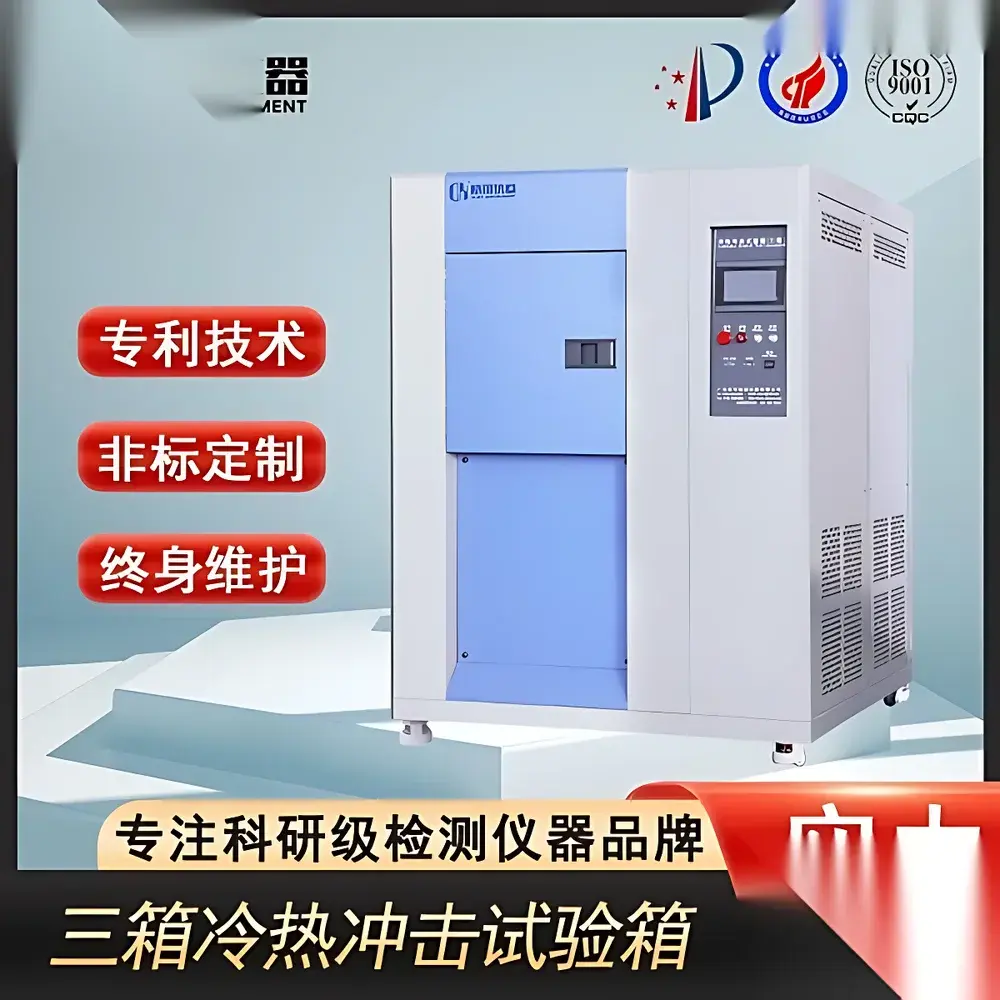
OK-TS Series Thermal Shock Test Chamber
| Brand | Other Brands |
|---|---|
| Origin | Imported |
| Manufacturer Type | General Distributor |
| Price | USD 11,200 (approx.) |
| Controller Options | TEMI880 Color Touchscreen (Bilingual) / TEMI300 Membrane Keypad (English-only) |
| Protection Features | Compressor Overheat/Overcurrent/High-Pressure Protection |
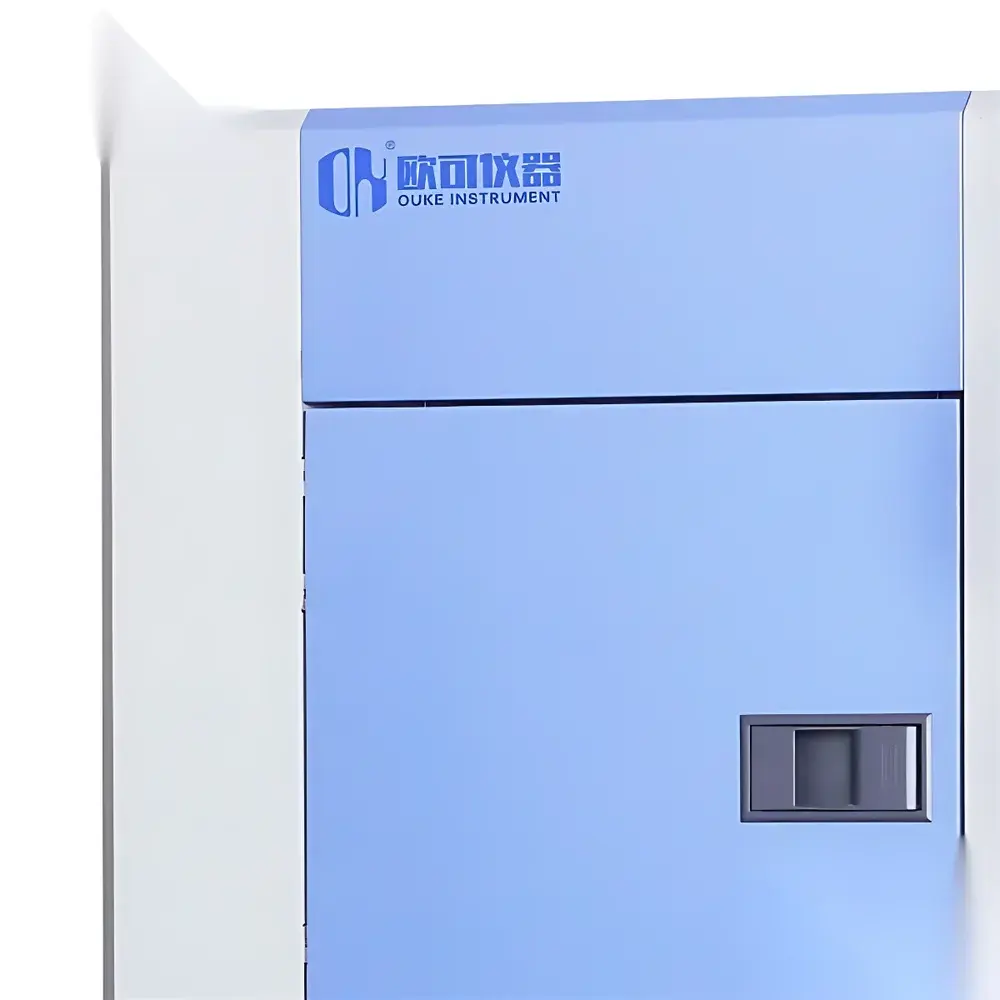
| Standard Accessories | Double-Layer Tempered Glass Viewing Window |
| Temperature Control | Balanced Temperature and Humidity Control System (BTSC) |
| Operating Ambient | +5°C to +35°C |
| Heating | Nickel-Chromium Alloy Wire Heaters |
| Humidification | Surface Evaporation Type |
| Air Circulation | Wide-Band Forced Convection (Top-Out / Bottom-In) |
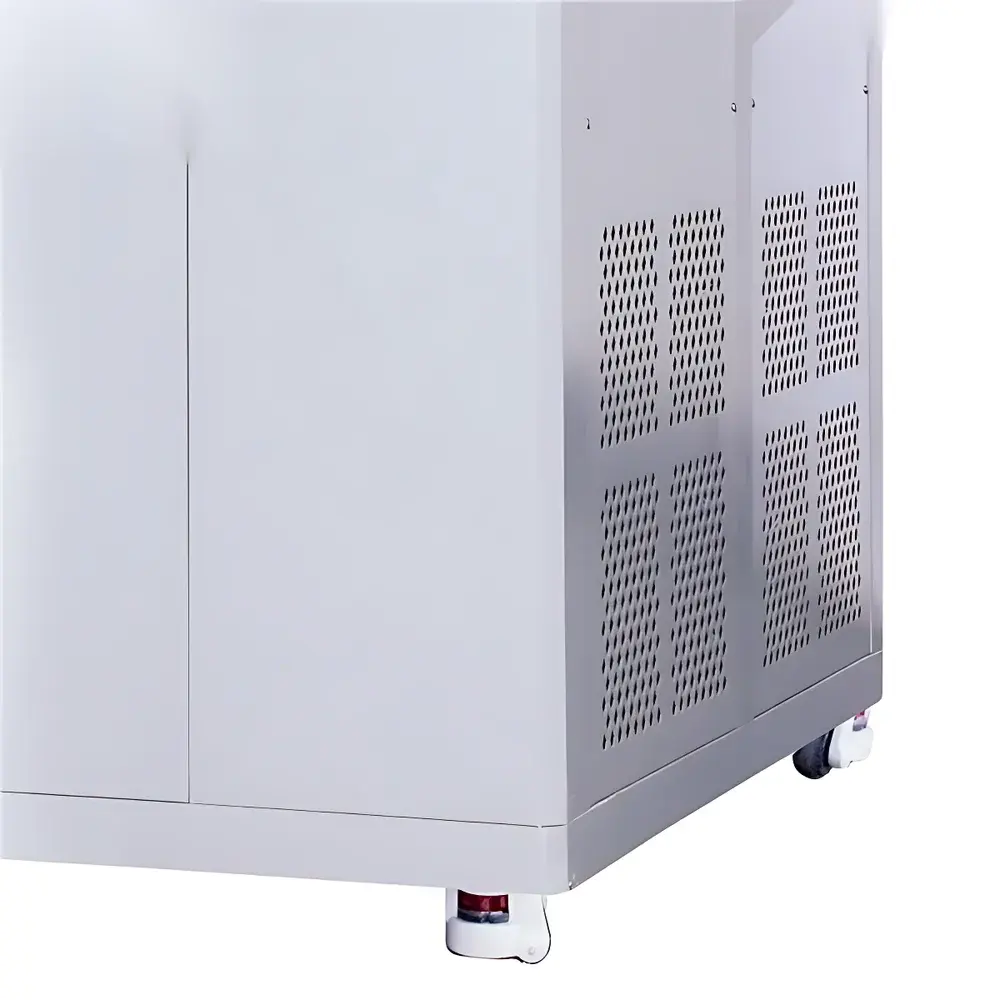
| Refrigeration | French “Tecumseh” Hermetic Compressor |
| Construction | External Cabinet – Powder-Coated Cold-Rolled Steel or SUS304 Brushed Stainless Steel |
Overview
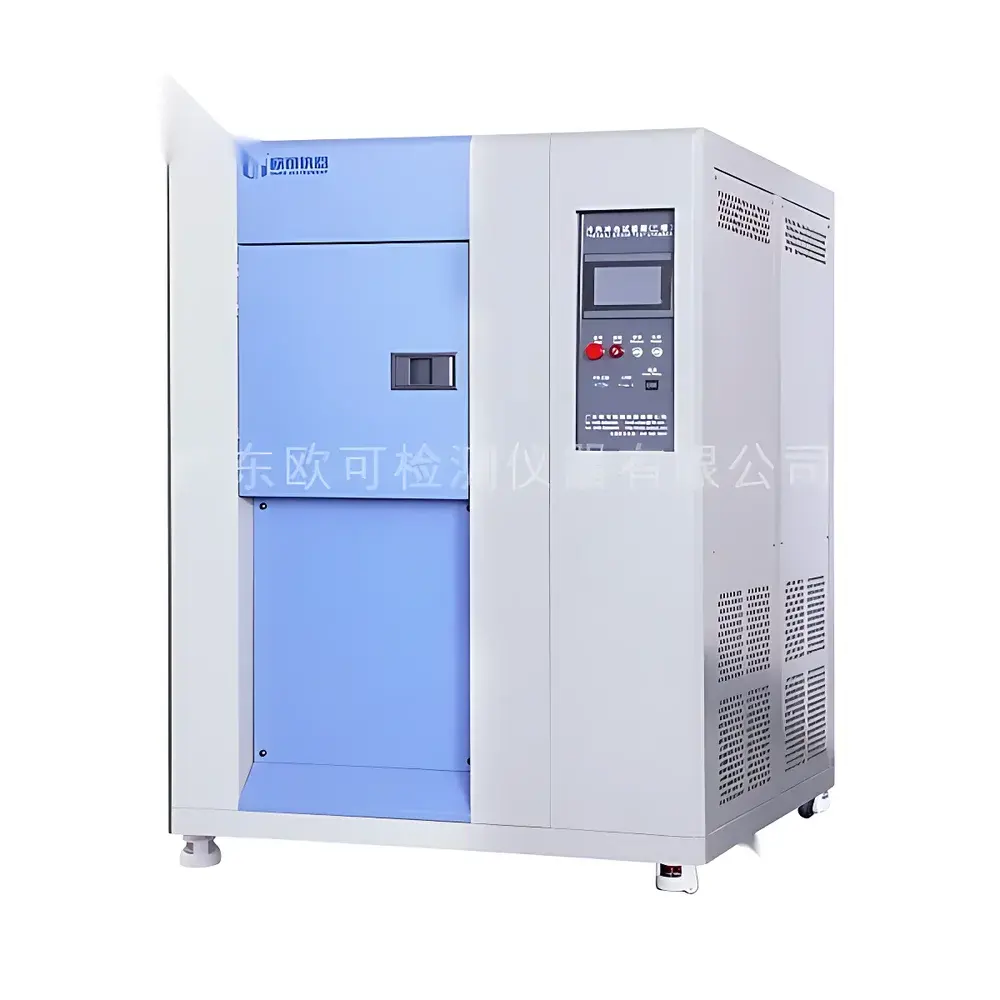
The OK-TS Series Thermal Shock Test Chamber is an engineered environmental simulation system designed to evaluate material reliability under rapid, repetitive transitions between extreme low-temperature and high-temperature conditions. Based on the principle of accelerated thermal stress testing, it subjects test specimens to controlled, high-rate temperature changes—typically defined by industry standards such as MIL-STD-810H Method 503.7, IEC 60068-2-14, and JIS Z 8702—to identify latent defects including solder joint fatigue, delamination in laminated composites, seal integrity failure, and coefficient-of-thermal-expansion (CTE) mismatch-induced cracking. Unlike steady-state environmental chambers, this dual-zone or single-chamber thermal shock system delivers precise dwell time control at both extremes, enabling quantifiable assessment of thermal hysteresis, phase transition behavior, and structural resilience across electronics, aerospace components, automotive modules, and polymer-based medical devices.
Key Features
- Two independent temperature zones (hot/cold) or single-chamber air-shock architecture with rapid transfer mechanism — configurable per application requirements and compliance needs
- Programmable controllers: TEMI880 color touchscreen (supporting English/Chinese UI toggle) or TEMI300 membrane keypad (English-only), both compliant with IEC 61000-4-3 EMC immunity specifications
- Comprehensive safety interlock suite: compressor overheat, overcurrent, and high-pressure cutoffs; heater/humidifier dry-run prevention; chamber over-temperature lockout; automatic low-water shutdown
- Uniform airflow distribution achieved via multi-wing centrifugal blower and optimized top-out/bottom-in circulation path — validated to meet ±1.0°C temperature uniformity (ASTM E145 Class B)
- Dual-stage refrigeration circuit option available for extended low-temperature performance down to –70°C; all systems utilize Tecumseh hermetic compressors for long-term operational stability and reduced maintenance intervals
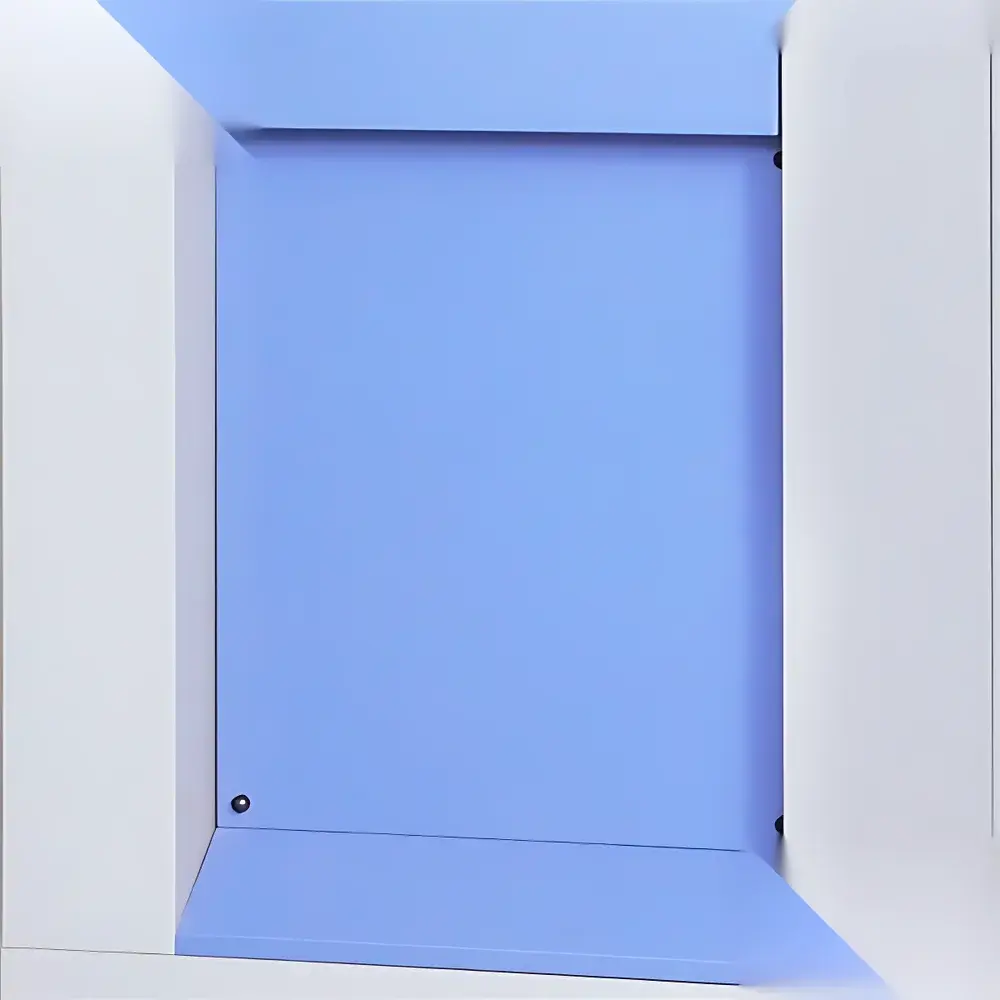
- Structural integrity reinforced with SUS304 stainless steel interior, polyurethane rigid foam insulation (≥100 mm thickness), and dual-layer silicone door gaskets rated for continuous operation from –70°C to +180°C
Sample Compatibility & Compliance
The OK-TS series accommodates a wide range of sample geometries and mounting configurations through its adjustable dual-tier sample racks and optional fixtures (e.g., PCB carriers, component trays, and fixture plates). The φ50 mm left-side test port supports real-time sensor feedthrough and external monitoring without compromising chamber integrity. All models are constructed and calibrated in accordance with ISO/IEC 17025 traceable procedures. The system meets essential electromagnetic compatibility (EMC) and electrical safety requirements per EN 61000-6-3 and EN 61000-6-4, and is compatible with GLP/GMP documentation workflows when integrated with audit-trail-enabled software packages. Optional validation kits support IQ/OQ/PQ protocols aligned with FDA 21 CFR Part 11 data integrity expectations.
Software & Data Management
Bundled PC-based control software enables full remote operation, profile programming (including ramp-soak cycles, step transitions, and user-defined dwell sequences), real-time data logging (temperature, humidity, alarm status), and export to CSV or Excel formats. The software supports multi-user access levels, electronic signature capability, and built-in calibration log tracking. Historical trend analysis tools allow comparative evaluation across test runs, while automated report generation facilitates integration into enterprise quality management systems (QMS) such as TrackWise or MasterControl. Data encryption and role-based permissions ensure compliance with ISO 9001:2015 Clause 7.5 and IATF 16949 Section 8.5.2 requirements for controlled document handling.
Applications
- Electronics: SMT solder joint reliability verification, IC package delamination screening, PCB warpage analysis under thermal cycling
- Aerospace: Composite panel adhesion testing, avionics enclosure thermal endurance, fastener retention under cryogenic-to-ambient shock
- Automotive: EV battery module cold-start validation, headlamp lens fogging resistance, ABS sensor housing integrity
- Medical Devices: Sterile packaging seal strength under thermal stress, polymer catheter kink resistance, implant-grade alloy microstructural stability
- Materials Science: Phase change characterization of shape-memory alloys, glass transition mapping of thermoplastics, aging kinetics of elastomeric seals
FAQ
What is the typical temperature transition rate achievable with the OK-TS series?
Transition rates depend on configuration: air-shock variants achieve ≥10°C/s between –40°C and +150°C; liquid-shock variants (optional) exceed 15°C/s. Actual performance is validated per IEC 60068-2-14 Annex A.
Can the chamber operate in humidity-controlled thermal shock mode?
Yes — BTSC (Balanced Temperature and Humidity Control) enables simultaneous regulation of relative humidity during high-temperature dwell phases, supporting tests per JIS Z 8702 and IPC-9701.
Is third-party calibration certification included?
Factory calibration is performed using NIST-traceable reference sensors. ISO/IEC 17025-accredited calibration certificates are available as an add-on service.
What maintenance intervals are recommended for the refrigeration system?
Compressor oil and filter replacement every 24 months; refrigerant leak inspection annually; condenser coil cleaning quarterly under standard operating conditions.
Are custom chamber dimensions or non-standard temperature ranges supported?
Yes — OEM engineering services support bespoke configurations, including extended low-temperature capability (–80°C), high-temperature dwell up to +200°C, and large-volume walk-in variants upon request.



