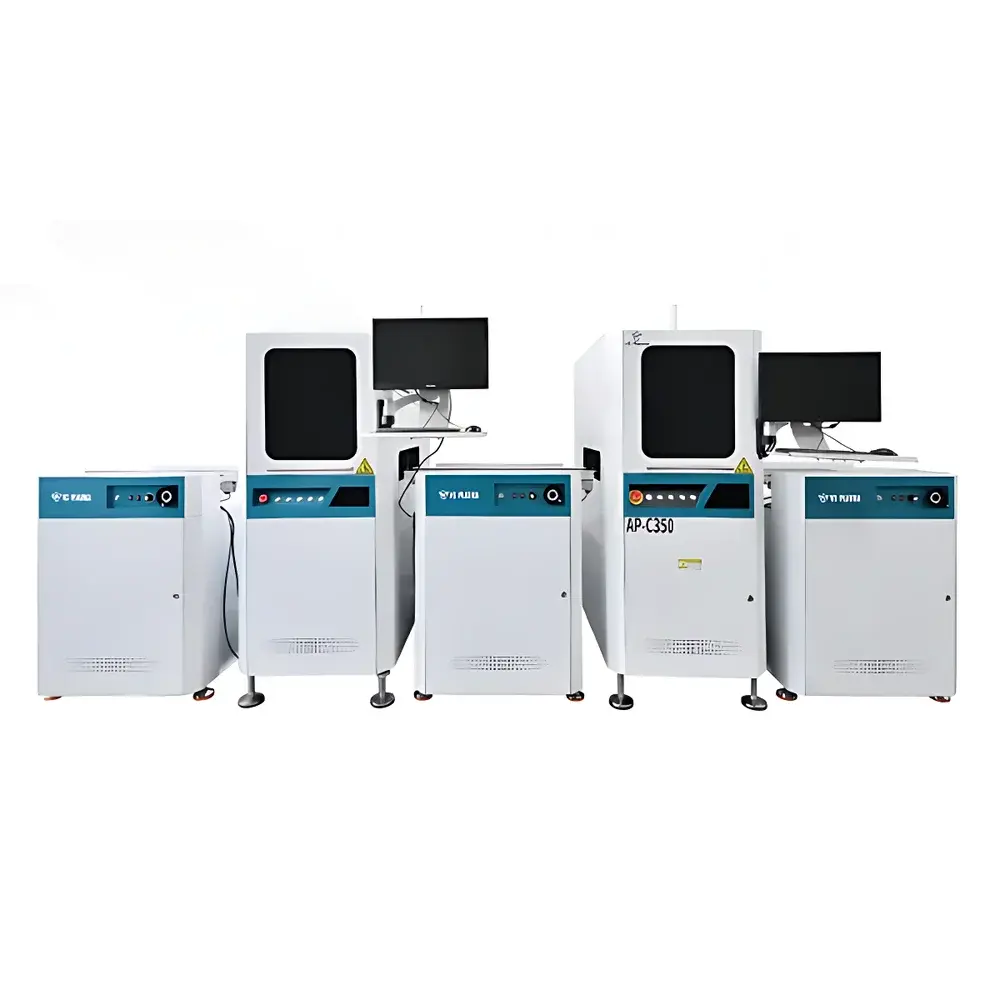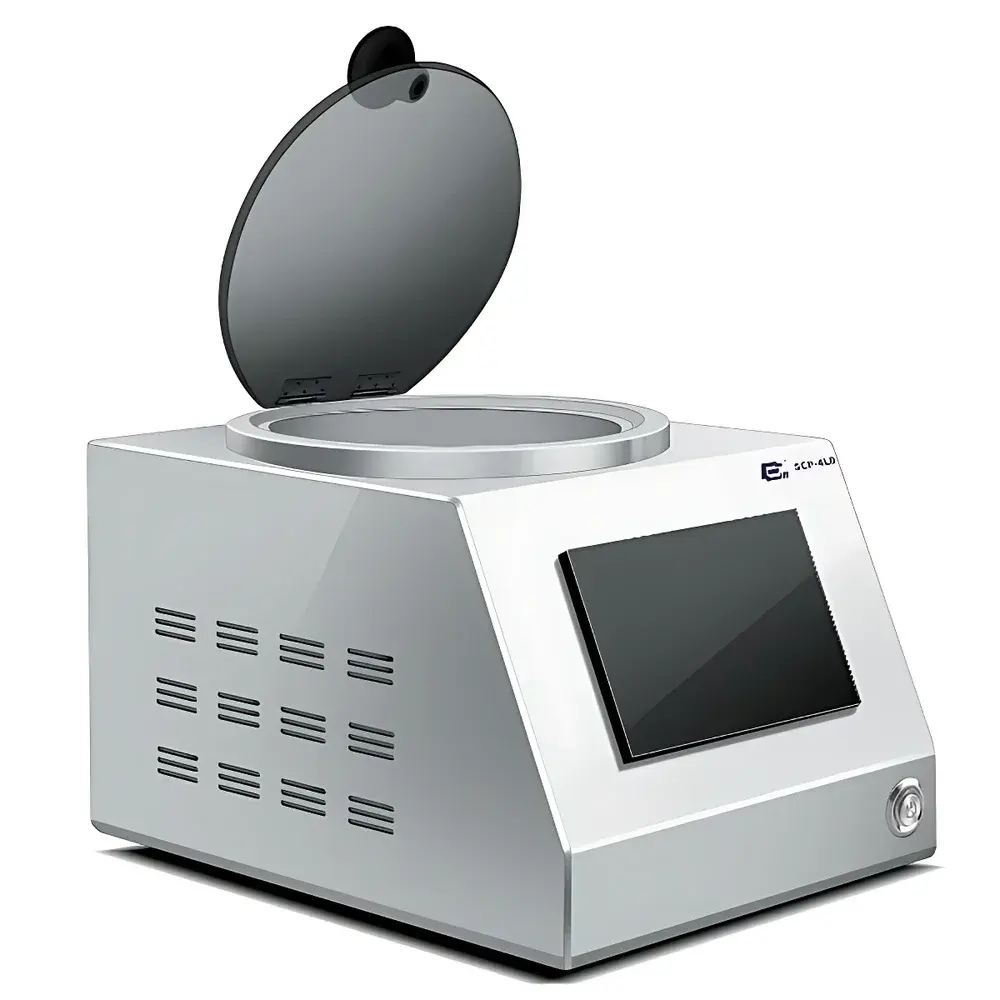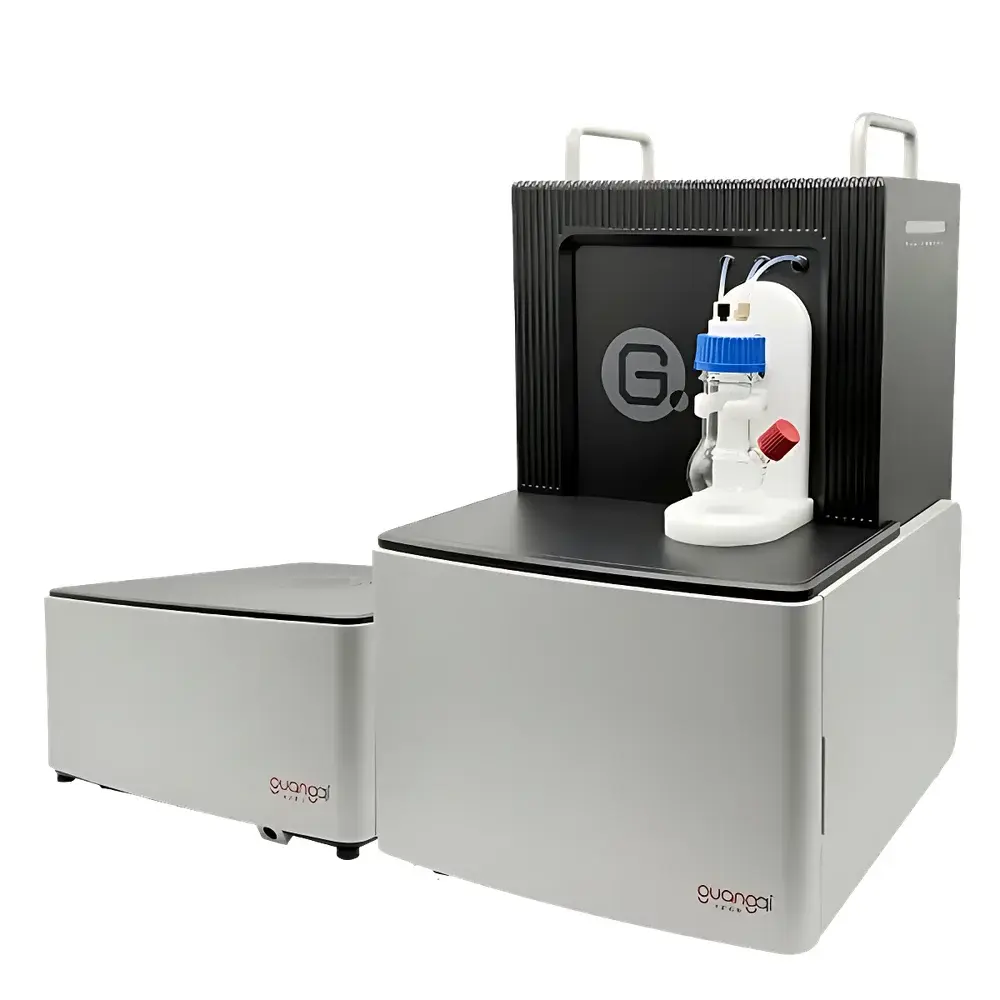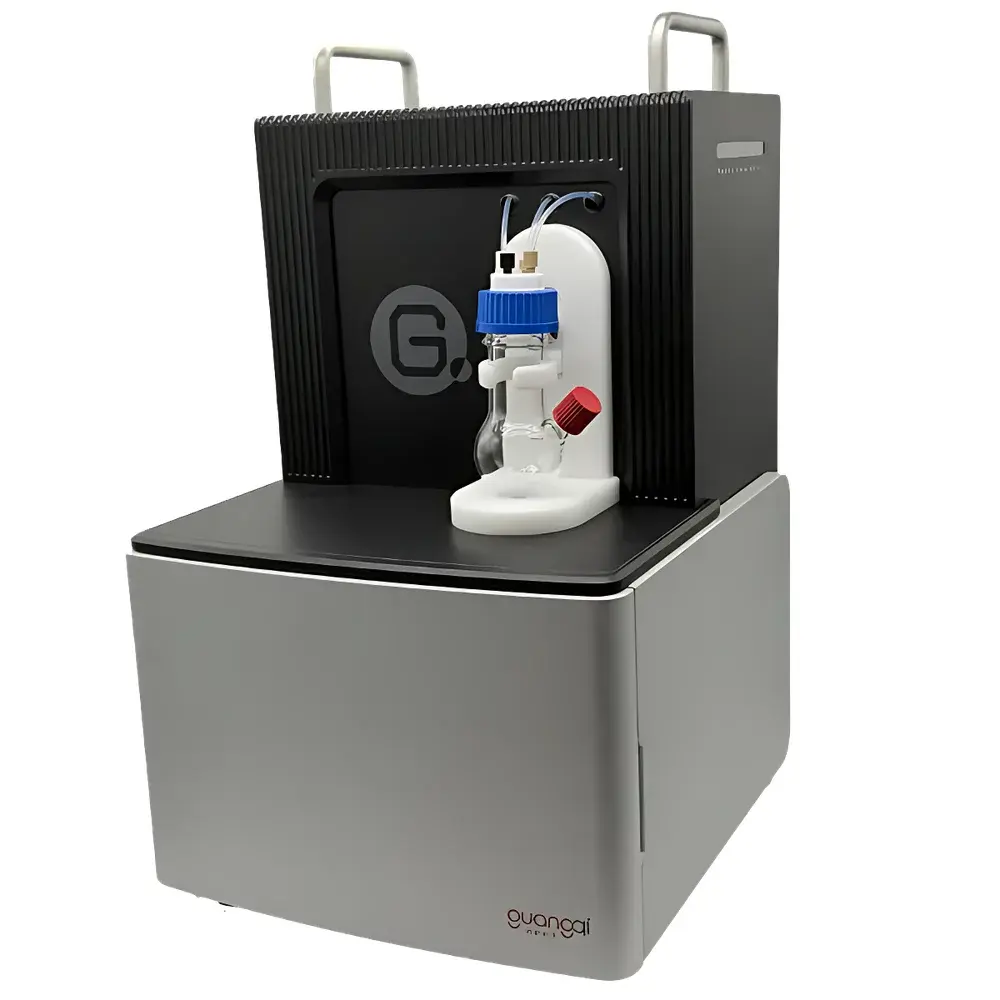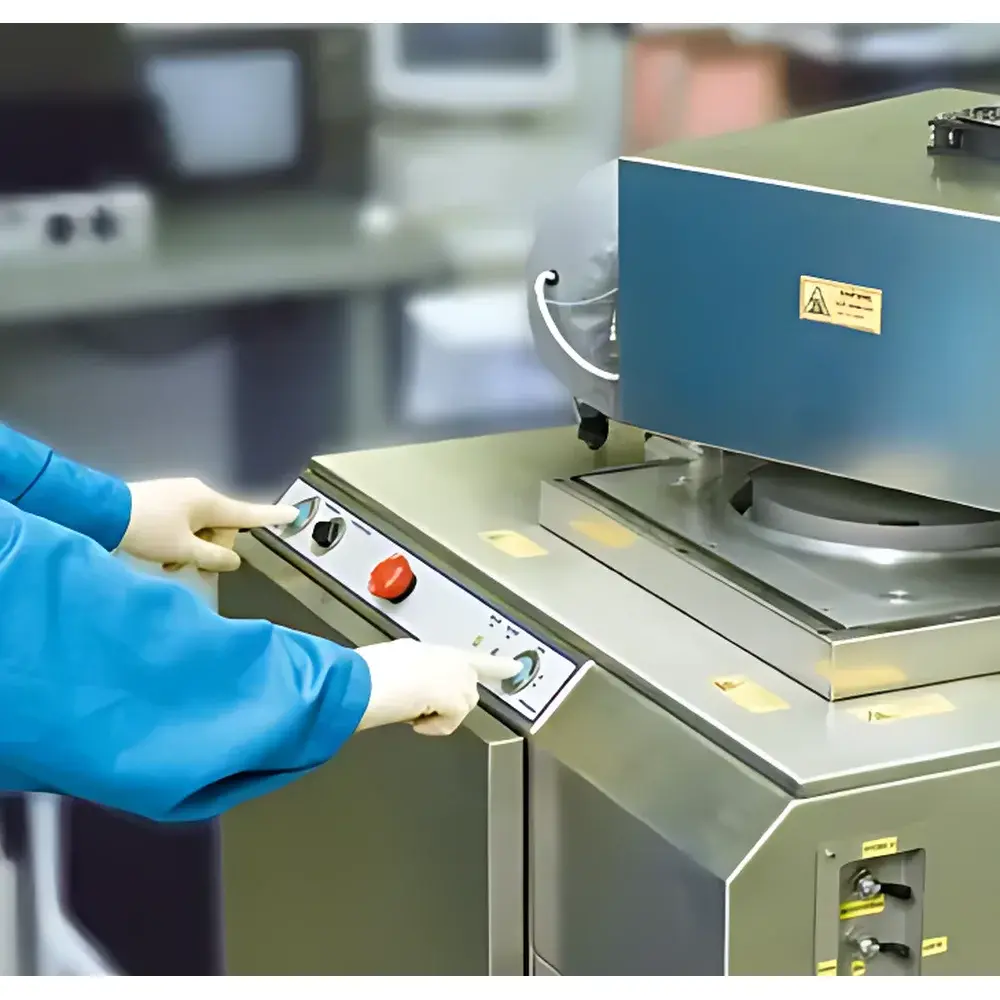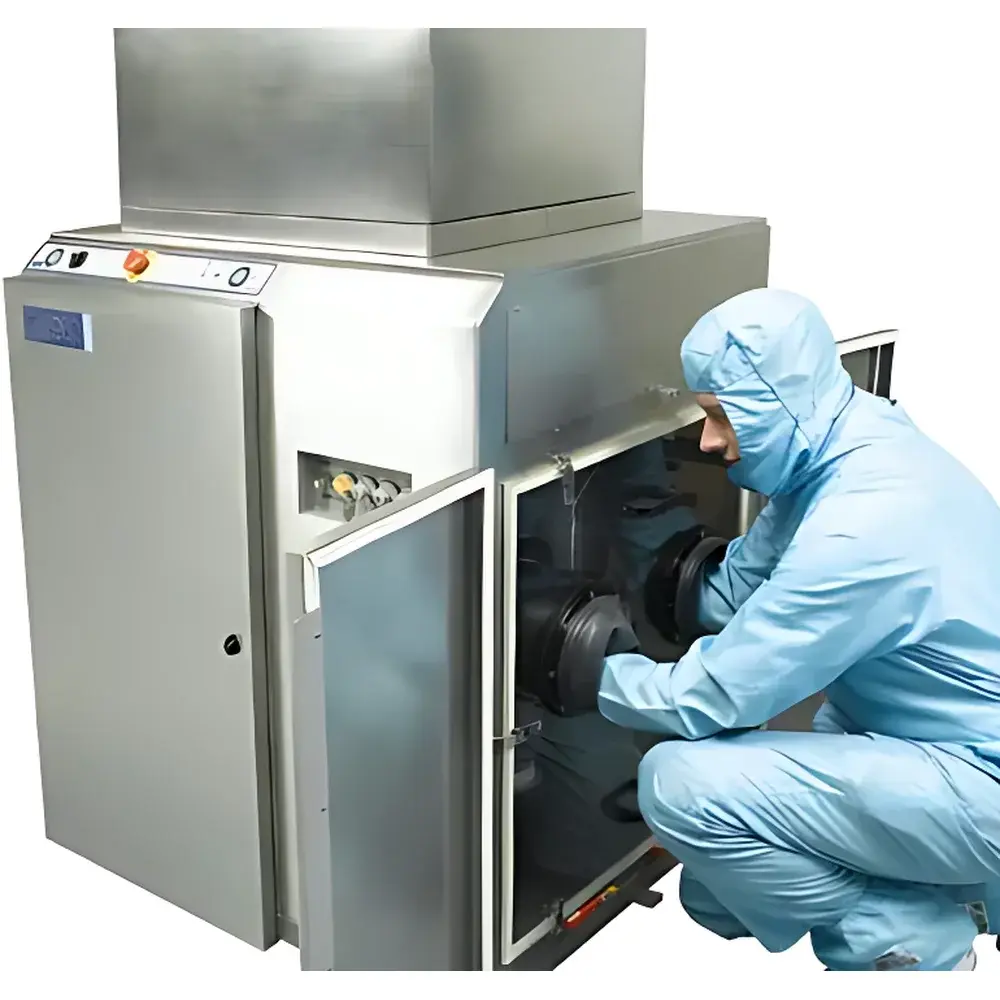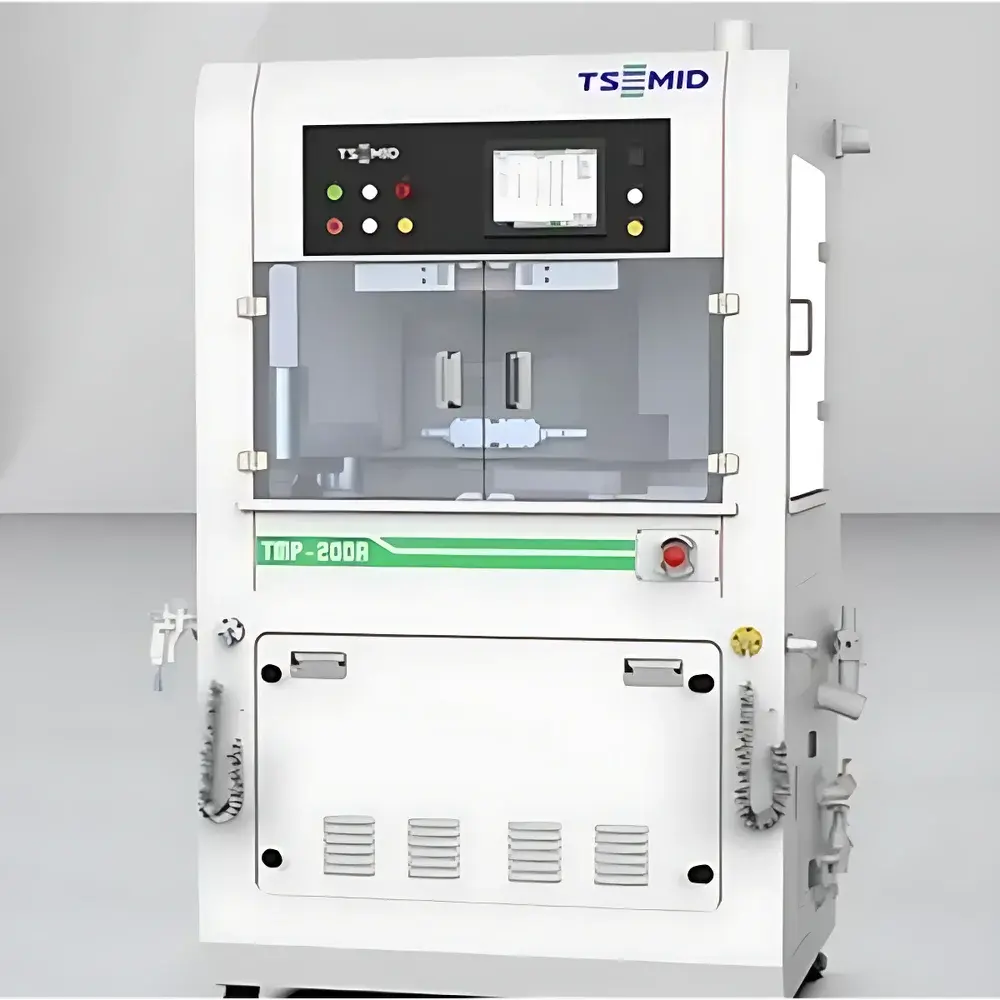
TSD TMP-150A / TMP-200A Chemical Mechanical Polishing (CMP) System
| Brand | TSD |
|---|---|
| Origin | Beijing, China |
| Model | TMP-150A / TMP-200A |
| Wafer Size | 4"/6" (TMP-150A), 4"/6"/8" (TMP-200A) |
| Platen Diameter | 406 mm (TMP-150A), 508 mm (TMP-200A) |
| Platen & Carrier Rotation Speed | 0–120 rpm |
| Wafer Backside Pneumatic Pressure | 70–500 g/cm² |
| Retaining Ring Pressure | 70–700 g/cm² |
| Conditioner Type | Swing-Arm Diamond Dresser |
| Conditioner Speed | 0–80 rpm |
| Loading Mode | Semi-Automatic |
Overview
The TSD TMP-150A and TMP-200A Chemical Mechanical Polishing (CMP) Systems are precision-engineered wet-process tools designed for planarization and thickness control of thin-film layers on semiconductor wafers. Operating on the fundamental principle of synergistic chemical dissolution and mechanical abrasion—where a rotating wafer is pressed against a moving, chemically active polishing pad—the system achieves nanometer-level surface uniformity and global flatness. This dual-mechanism process enables deterministic material removal rates (MRR) and exceptional within-wafer non-uniformity (WIWNU) control, critical for advanced node fabrication (e.g., <28 nm logic, 3D NAND, and advanced packaging). Both models comply with standard cleanroom integration protocols (Class 100–1000 environments) and support full traceability requirements under GLP/GMP-aligned operational frameworks.
Key Features
- Precision Dual-Rotation Architecture: Independent, servo-controlled platen and carrier rotation (0–120 rpm) ensures repeatable shear stress distribution and optimized slurry transport across the wafer-pad interface.
- Multi-Zone Pneumatic Pressure Control: Segmented backside wafer pressure (70–500 g/cm²) and retaining ring pressure (70–700 g/cm²) allow localized downforce tuning to mitigate edge effects and improve edge exclusion performance.
- Swing-Arm Diamond Conditioner: Motorized, programmable dresser (0–80 rpm) with real-time wear compensation maintains consistent pad topography and slurry activation—essential for process stability over extended polishing runs.
- Modular Platform Design: TMP-200A extends compatibility to 200 mm (8-inch) wafers while retaining identical core kinematics and control architecture as the TMP-150A (150 mm/6-inch), enabling seamless process transfer and cross-platform qualification.
- Semi-Automated Handling: Integrated load/unload stations with vacuum-assisted wafer clamping and alignment verification reduce manual intervention and minimize particle generation during wafer transfer.
- Energy-Efficient Fluid Management: Optimized slurry delivery and recirculation pathways—paired with low-inertia drive systems—reduce power consumption and waste volume without compromising MRR repeatability or endpoint detection readiness.
Sample Compatibility & Compliance
The TMP series supports silicon, SiO₂, SiN, low-k dielectrics (e.g., porous silica, carbon-doped oxides), copper, tungsten, cobalt, and barrier metals (Ta/TaN). It accommodates standard SEMI-compliant cassette formats (FOUP/FOSB) and integrates with factory automation via SECS/GEM protocol. All hardware and motion control firmware are designed to meet ISO 14644-1 (cleanroom air classification), ISO 13849-1 (safety-related control systems), and SEMI S2/S8 safety standards. Optional audit trail logging and user access controls support FDA 21 CFR Part 11 compliance when deployed in regulated R&D or pilot-line environments.
Software & Data Management
Control is executed via an industrial-grade HMI running real-time Linux OS with deterministic I/O response (<10 ms loop cycle). The embedded software suite provides recipe-driven operation with up to 99 programmable steps per polish sequence—including ramp profiles for rotation speed, pressure, slurry flow rate, and dwell time. Process data (torque, current, pressure transients, temperature) is timestamped and stored in SQLite databases compliant with ASTM E2500-22 for raw data integrity. Export options include CSV and XML formats compatible with JMP, MATLAB, and MES platforms. Remote diagnostics and firmware updates are supported over secure TLS-encrypted Ethernet connections.
Applications
- Interlayer dielectric (ILD) planarization for BEOL integration
- Copper damascene polishing with integrated barrier removal (Ta/TaN)
- Shallow trench isolation (STI) oxide recess and nitride stop layer removal
- Wafer-level packaging (WLP) and through-silicon via (TSV) processing
- MEMS device surface finishing and optical substrate preparation
- R&D-scale process development for novel abrasive chemistries and engineered pads
FAQ
What wafer sizes does the TMP-200A support?
The TMP-200A handles 100 mm (4-inch), 150 mm (6-inch), and 200 mm (8-inch) wafers using interchangeable carrier assemblies and retainer rings.
Is endpoint detection integrated into the system?
Endpoint detection is not built-in but the platform provides analog/digital I/O interfaces and synchronized data streaming to support external optical interferometry, motor current monitoring, or eddy-current sensors.
Can the system be validated for GMP manufacturing use?
Yes—when configured with optional 21 CFR Part 11-compliant audit trail, electronic signature, and role-based access modules, the TMP series meets baseline requirements for equipment qualification in pilot-line and pre-production environments.
What maintenance intervals are recommended for the diamond conditioner?
Conditioner life depends on pad type and usage frequency; typical replacement occurs every 150–300 hours of cumulative dressing time, with real-time wear tracking enabled via encoder feedback and force sensor calibration.
Does TSD provide process support or slurry compatibility guidance?
TSD offers application engineering consultation—including baseline recipe development, pad selection matrices, and defect root-cause analysis—for qualified customers engaged in joint process optimization programs.