
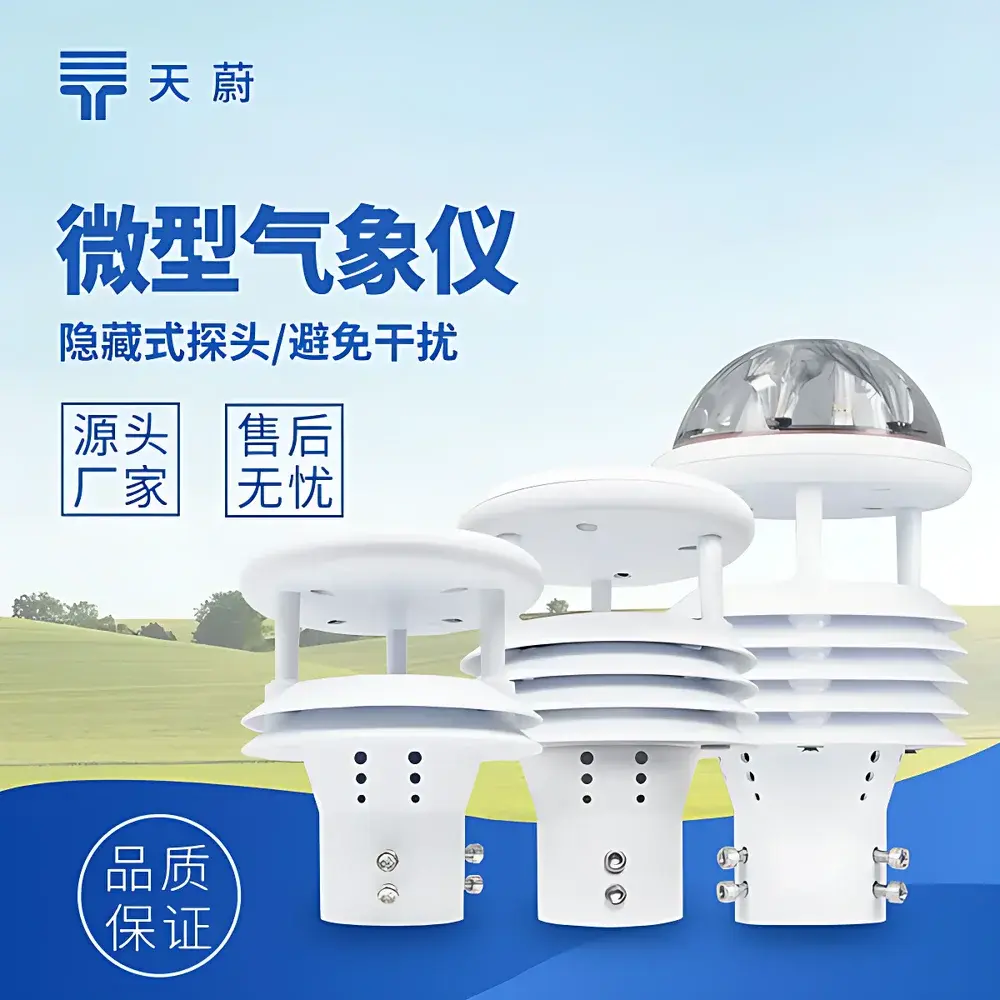
TW-WQX12 Twelve-Parameter Ultrasonic Micro-Meteorological Station by Tianwei Environmental
| Brand | Tianwei Environmental (TW) |
|---|---|
| Origin | Shandong, China |
| Manufacturer Type | OEM/ODM Manufacturer |
| Country of Origin | China |
| Model | TW-WQX12 |
| Power Consumption | 0.84 W |
| Communication Interface | RS485 (MODBUS RTU standard), optional RS232 / USB / Ethernet / Wireless (1-min minimum transmission interval) |
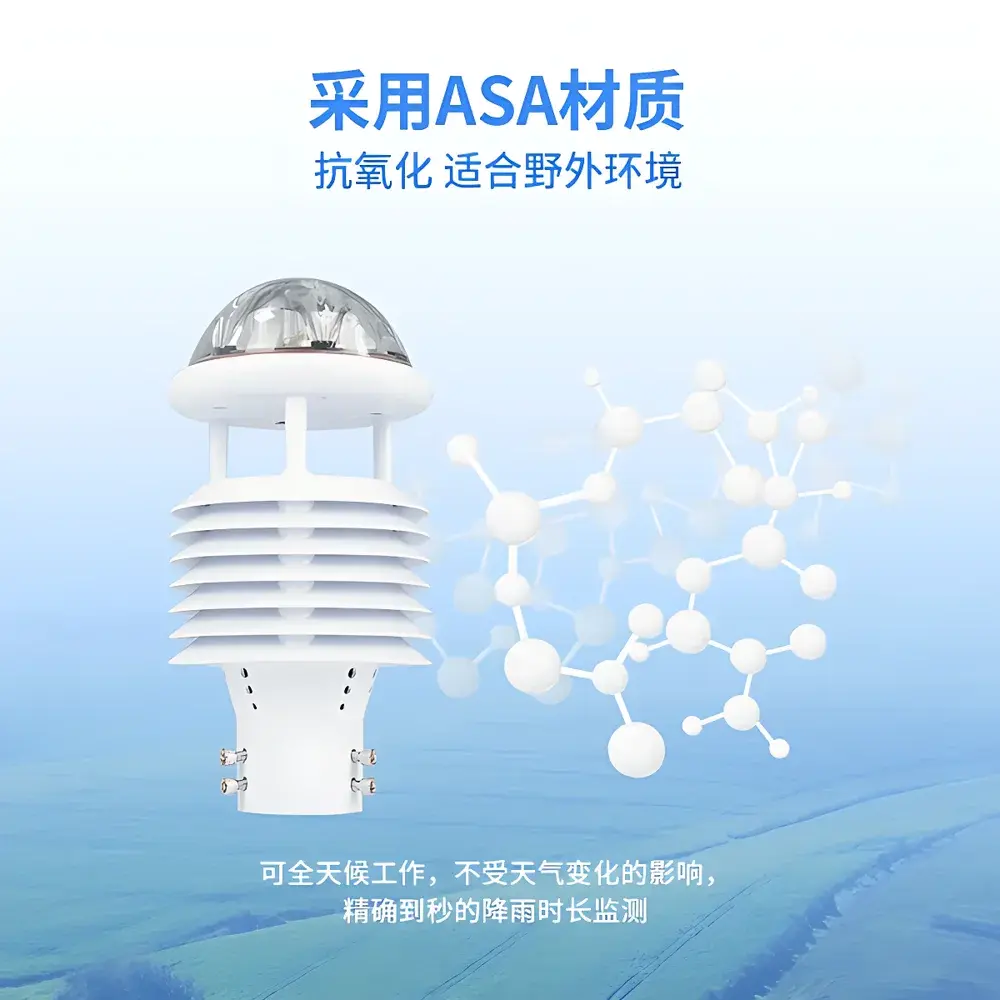
| Housing Material | UV-stabilized ASA engineering plastic |
| Mounting | Flange-based fixed installation |
| Certifications | Compliant with GB/T 35227–2017 (Meteorological Instruments – General Requirements), RoHS Directive 2011/65/EU, CE marking for EMC and LVD |
Overview
The TW-WQX12 Twelve-Parameter Ultrasonic Micro-Meteorological Station is an integrated environmental monitoring platform engineered for continuous, unattended measurement of atmospheric pollutants and meteorological parameters in urban, industrial, and infrastructure environments. Designed according to the operational requirements of air quality regulatory frameworks—including China’s Ambient Air Quality Standards (GB 3095–2012) and the EU Air Quality Directive (2008/50/EC)—the system combines ultrasonic wind sensing, optical precipitation detection, electrochemical gas sensing, and capacitive/hygrometric/pressure transduction into a single compact unit. Unlike conventional cup-and-vane or heated-wire anemometers, the TW-WQX12 employs time-of-flight phase-difference analysis of continuously swept ultrasonic frequencies (40 kHz ± 5 kHz) across orthogonal transducer pairs, eliminating mechanical inertia, bearing wear, and ice-induced calibration drift. This enables high reproducibility in low-wind (<0.1 m/s) and turbulent boundary-layer conditions typical of urban canyons, construction sites, and roadside monitoring nodes.
Key Features
- Integrated twelve-parameter sensing: PM₂.₅, PM₁₀, CO, SO₂, NO₂, O₃, air temperature, relative humidity, barometric pressure, wind speed, wind direction, and optical rainfall rate.
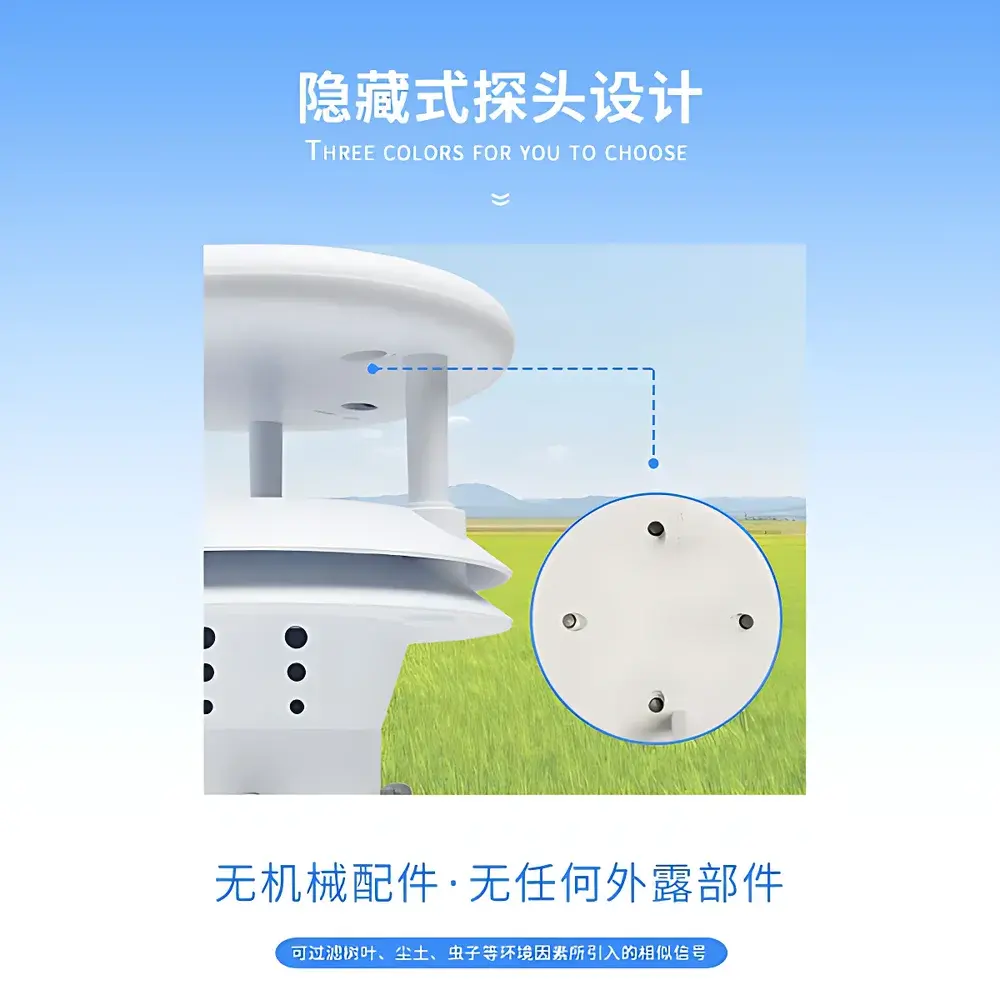
- Ultrasonic wind measurement with no moving parts—zero mechanical wear, no minimum start-up wind speed, and immunity to icing or dust accumulation due to recessed transducer geometry.
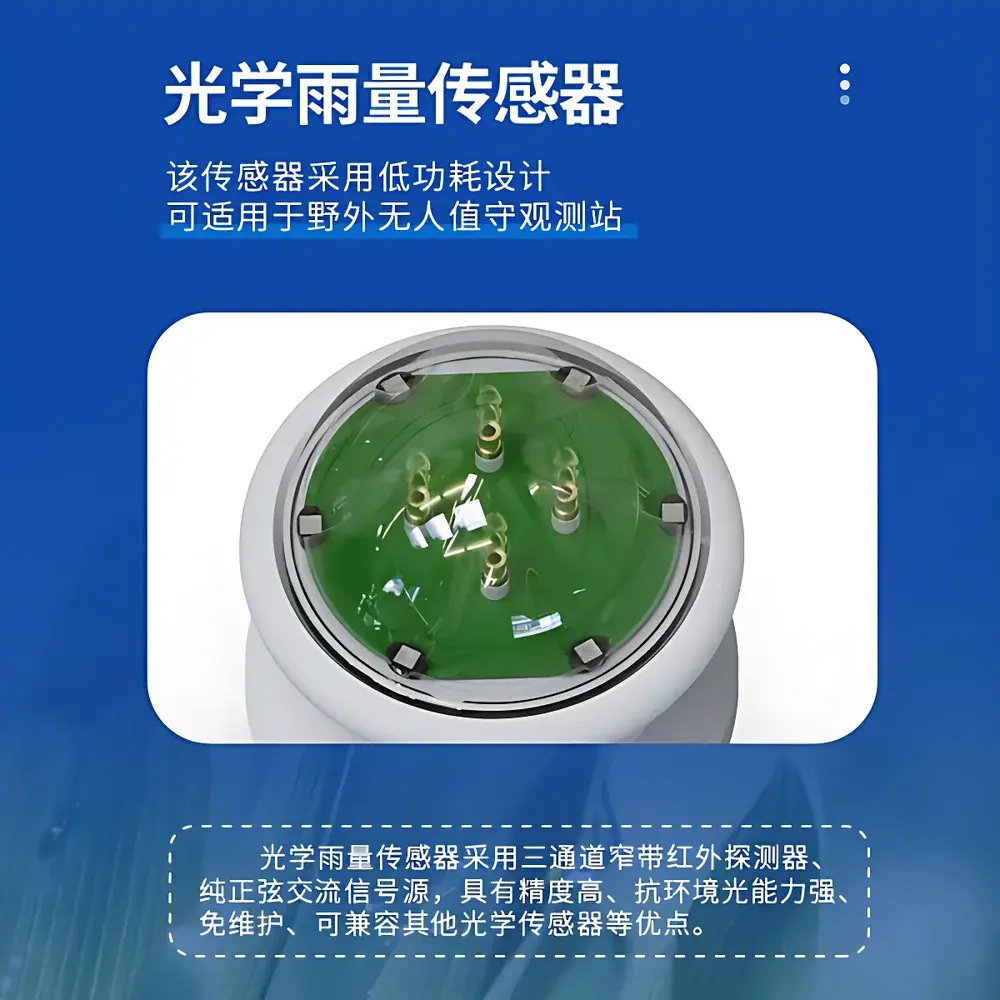
- Optical rain gauge utilizing infrared beam interruption principle, calibrated per ISO 9251:1990 (Precipitation Measurement – Definitions and Calibration Methods).
- Multi-sensor fusion architecture with on-board temperature-compensated signal conditioning and digital filtering to minimize cross-sensitivity (e.g., humidity impact on electrochemical gas sensors).
- Self-diagnostic firmware with watchdog timer and automatic reset functionality, ensuring >99.5% uptime in remote deployments.
- UV-resistant ASA polymer housing rated IP65 per IEC 60529, validated for continuous outdoor exposure under UV index ≥8 and thermal cycling from −40 °C to +60 °C.
- Standard MODBUS RTU over RS485 (two-wire, 9600 bps, 8N1), supporting integration into SCADA, IoT gateways, and municipal environmental data platforms.
Sample Compatibility & Compliance
The TW-WQX12 is designed for ambient air sampling at heights between 2.5 m and 10 m above ground level, conforming to EPA Method TO-15 and ISO 12039:2000 for gaseous pollutant monitoring. Its PM sensor module meets the reference equivalence criteria defined in EN 16450:2017 (Ambient Air—Measurement of Mass Concentration of Particulate Matter). All gas sensors are factory-calibrated against NIST-traceable standards and retain calibration stability for ≥6 months under typical urban conditions (25 °C, 50% RH). The device supports GLP-compliant data logging when paired with compliant host systems, including audit trail generation for parameter changes, firmware updates, and communication events—aligned with principles of FDA 21 CFR Part 11 for electronic records in regulated environmental reporting.
Software & Data Management
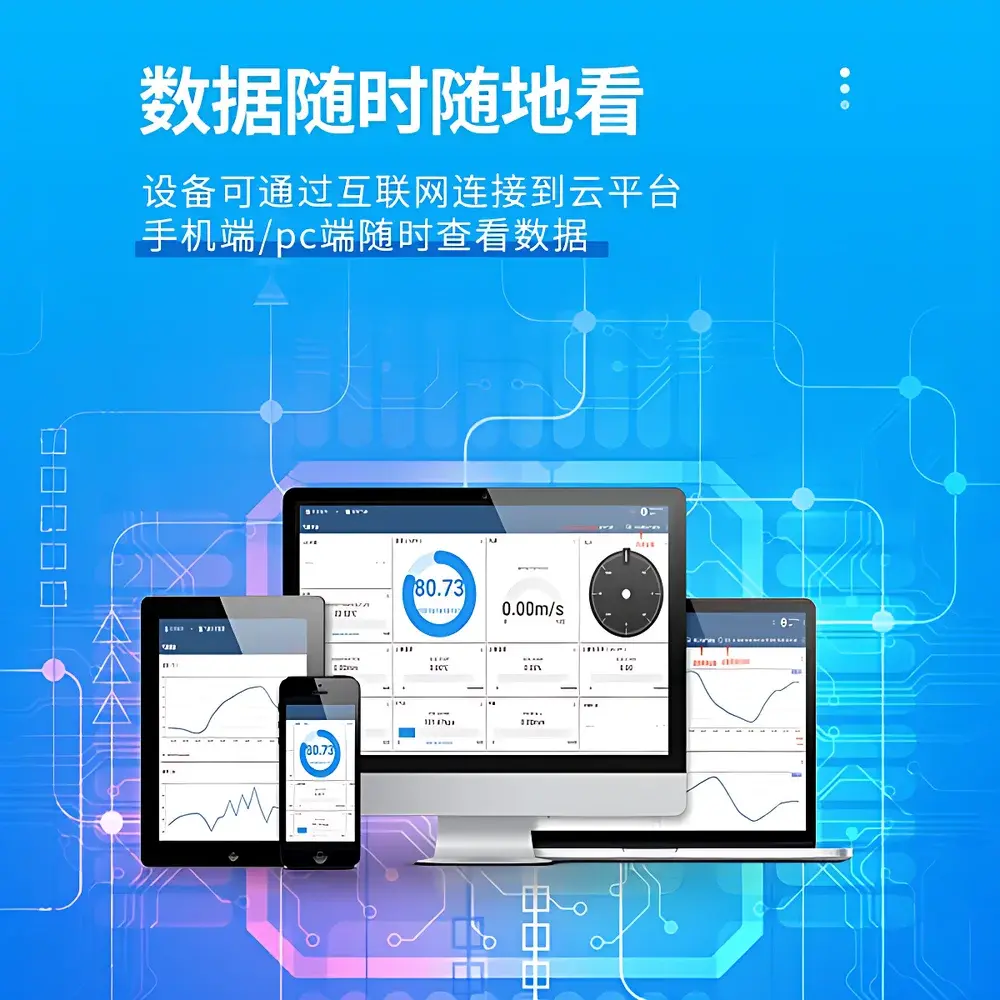
Data output is structured as ASCII-encoded MODBUS holding registers (4×0001–4×0024), mapped to standardized environmental variables per AQMesh and OpenAQ schema conventions. Optional cloud connectivity via LTE-M/NB-IoT modules enables TLS 1.2-encrypted transmission to MQTT brokers or RESTful APIs. Local storage (microSD slot, optional) supports buffered logging at user-defined intervals (1–300 seconds), with timestamping synchronized to GPS or NTP sources. Firmware updates are performed via signed binary packages with SHA-256 verification, preventing unauthorized modification. All raw sensor outputs are accessible without proprietary decoding layers, facilitating third-party integration and algorithmic post-processing (e.g., dispersion modeling, source apportionment).
Applications
- Urban air quality monitoring networks (AQN), particularly for hyperlocal grid-scale deployment in smart city infrastructure.
- Construction site扬尘 (dust) compliance monitoring per local environmental ordinances (e.g., Beijing Municipal Regulation No. 252).
- Industrial fence-line monitoring for fugitive emissions tracking near chemical plants, power stations, and mining operations.
- Transportation corridor monitoring—including highways, railway embankments, and airport approach zones—to assess vehicular emission impacts.
- Environmental impact assessment (EIA) baseline studies and post-construction verification measurements.
- Integration into intelligent streetlight systems for multi-functional urban sensing nodes.
FAQ
Does the TW-WQX12 require periodic field calibration?
No. The instrument is factory-calibrated using traceable reference standards and designed for maintenance-free operation over 12 months under normal environmental conditions. Field recalibration is optional and supported via MODBUS register commands only when required by local regulatory protocols.
What is the maximum recommended cable length for RS485 communication?
Up to 1,200 meters using twisted-pair shielded cable (AWG22, 120 Ω characteristic impedance) with proper termination resistors (120 Ω at both ends). For longer runs or electrically noisy environments, an isolated RS485 repeater is recommended.
Can the optical rain sensor distinguish between drizzle, rain, and hail?
It quantifies volumetric precipitation rate (mm/min) but does not classify hydrometeor type. Classification requires complementary Doppler radar or disdrometer input.
Is the device suitable for coastal or high-salinity environments?
Yes—the ASA housing and stainless-steel fasteners provide corrosion resistance per ISO 9223:2012 (Corrosivity Categories), and all electronics are conformally coated to withstand salt-laden marine aerosols.
How is data time-synchronization handled in wireless configurations?
LTE/NB-IoT modules automatically synchronize UTC time via network-provided NITZ (Network Identity and Time Zone) signals; GPS timing is available as an optional add-on for sub-second accuracy.







