ULTECH Micro-110 Low-Temperature Vacuum Micro Probe Station
| Brand | ULTECH |
|---|---|
| Origin | South Korea |
| Model | Micro-110 |
| Product Category | Vacuum Probe Station |
| Operation Type | Manual |
| Wafer Size Compatibility | 1–8 inch |
| Temperature Range Options | (a) –40 °C to 200 °C (Peltier), (b) –40 °C to 170 °C (Peltier), (c) RT to 450 °C (Ceramic Heater), (d) RT to 750 °C (Ceramic Heater), (e) 77 K to 300 K (Liquid Nitrogen Cryostat) |
| Vacuum Chamber | Hermetic Sealed with Optical Viewports |
| Gas Delivery | Mass Flow Controller (MFC)-Equipped Multi-Gas Inlet |
| Electrical Interface | Standard Coaxial & Triaxial Feedthroughs |
| Pricing | USD $150,000–$250,000 |
Overview
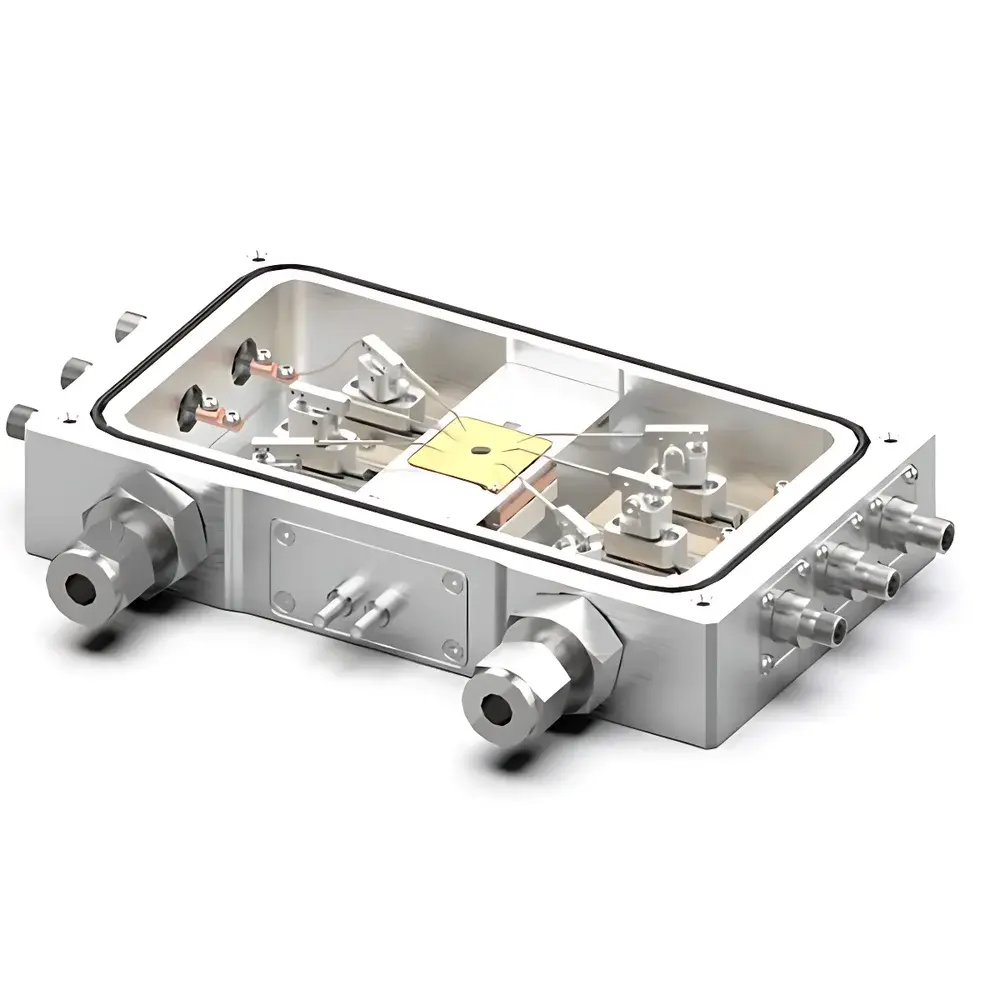
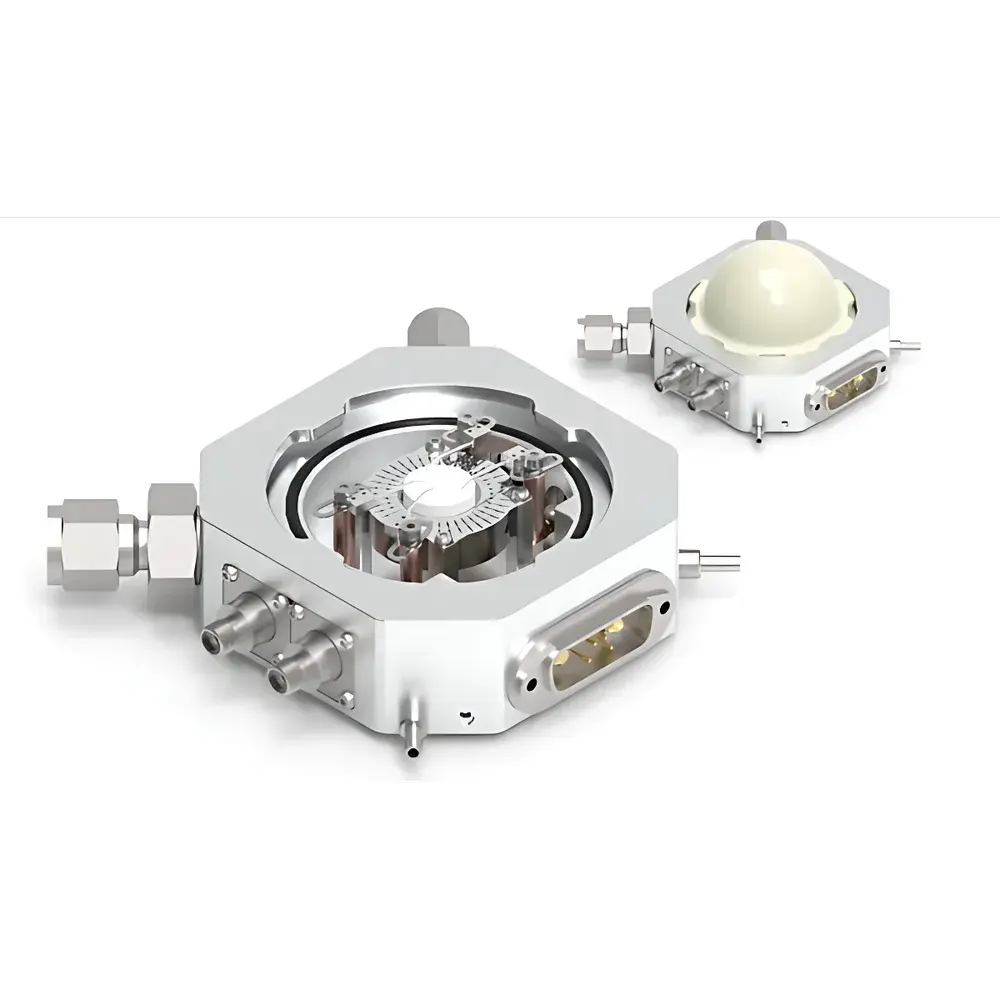
The ULTECH Micro-110 Low-Temperature Vacuum Micro Probe Station is a compact, manually operated semiconductor characterization platform engineered for high-precision electrical, optical, and thermal measurements under controlled environmental conditions. Designed around a rigid stainless-steel vacuum chamber with integrated optical viewports, the system enables simultaneous in-situ probing and real-time observation via upright or inverted optical microscopes—including confocal Raman, photoluminescence (PL), and electroluminescence (EL) setups. Its core architecture adheres to fundamental principles of low-noise DC/RF electrical measurement under ultra-low outgassing conditions (<1×10⁻⁷ mbar base pressure), ensuring minimal thermal drift and electromagnetic interference during sensitive device-level characterization. The Micro-110 supports multi-modal stimuli—precisely regulated temperature, tunable gas atmospheres, and high-fidelity electrical biasing—making it suitable for advanced research on emerging materials such as 2D semiconductors, perovskites, topological insulators, and ferroelectric oxides.
Key Features
- Compact footprint (≤350 mm × 350 mm × 420 mm) with modular design for integration into confined lab spaces or hybrid instrumentation racks
- Hermetically sealed vacuum chamber featuring borosilicate glass viewports (Ø25 mm, AR-coated, transmission >92% from 200 nm to 2 µm)
- Dual-stage vacuum compatibility: standard turbomolecular pump configuration (base pressure ≤5×10⁻⁸ mbar) with optional cryo-pumping for extended low-temperature stability
- Multi-range thermal control: five independent configurations supporting cryogenic (77 K), thermoelectric (–40 °C to 200 °C), and high-temperature (up to 750 °C) operation with ±0.1 °C stability over 24 h
- MFC-controlled gas delivery system (up to 4 channels) enabling precise dosing of reactive, inert, or reducing atmospheres (e.g., H₂, NH₃, O₂, N₂, forming gas) at flow rates from 1 sccm to 500 sccm
- Standard coaxial and triaxial feedthroughs (SMA, SHV, LEMO) rated to 500 VDC / 1 A, fully compatible with Keysight B1500A, Keithley 4200-SCS, Zurich Instruments HF2LI, and Cascade Microtech probe cards
Sample Compatibility & Compliance
The Micro-110 accommodates wafers and diced dies ranging from 1-inch to 8-inch diameter, including non-standard substrates (Si, SiC, GaN, sapphire, quartz, flexible polymer films). Chuck flatness is maintained within ±1.5 µm over 100 mm span, and thermal uniformity across the active area exceeds ±0.5 °C at steady state. All vacuum components comply with ISO 10816-3 surface finish standards; electrical feedthroughs meet IEC 61000-4-5 surge immunity requirements. The system supports GLP-compliant workflows through optional audit-trail-enabled temperature logging (IEC 62304 Class B software architecture) and is compatible with FDA 21 CFR Part 11–ready data acquisition environments when paired with certified third-party DAQ platforms.
Software & Data Management
While the Micro-110 operates manually at the mechanical level, its thermal, vacuum, and gas subsystems integrate seamlessly with industry-standard SCPI command sets. Temperature controllers support LabVIEW, Python (PyVISA), and MATLAB instrument drivers; MFC units provide analog 0–10 V and digital RS-485 interfaces. Optional ULTECH-provided “ProbeLink” middleware enables synchronized timestamped logging of temperature setpoints, chamber pressure, gas composition, and external source-measure unit (SMU) outputs—structured in HDF5 format for traceability and post-processing interoperability with OriginPro, Igor Pro, or Python-based analysis pipelines.
Applications
- In-situ Raman spectroscopy of strain-engineered TMD monolayers under variable thermal and gaseous environments
- Temperature-dependent Hall effect and Seebeck coefficient mapping on thermoelectric thin films
- Gas-sensing response kinetics of SnO₂ or MoS₂ nanoflakes under ppm-level analyte exposure
- Electric-field-driven ferroelectric domain switching observed via real-time PFM or SHG microscopy
- Low-temperature I-V and C-V characterization of AlGaN/GaN HEMTs for cryogenic power electronics
- Photoconductivity and photocarrier lifetime analysis in perovskite solar cell precursors under controlled ambient chemistry
- Thermal hysteresis and metal–insulator transition studies in VO₂ heterostructures across 80–350 K
FAQ
What wafer sizes does the Micro-110 support?
The station accepts bare wafers and diced samples from 1 inch (25 mm) up to 8 inches (200 mm) in diameter, with adjustable vacuum chucks and kinematic alignment pins for repeatable positioning.
Can the system be upgraded to automated probing?
Yes—ULTECH offers factory-integrated XYZ motorized stages (±0.5 µm repeatability) and vision-guided auto-alignment modules compliant with SEMI E10 standards, available as post-purchase retrofit kits.
Is liquid nitrogen handling integrated or external?
The LN₂ cooling option uses an external Dewar with vacuum-jacketed transfer line and auto-refill interface; no internal cryogen storage is included to maintain Class 1000 cleanroom compatibility.
Are calibration certificates provided for temperature and pressure sensors?
Each unit ships with NIST-traceable calibration reports for platinum resistance thermometers (PRTs) and capacitance manometers, valid for 12 months from shipment date.
Does the system meet electromagnetic compatibility (EMC) requirements for university labs?
Yes—the Micro-110 complies with EN 61326-1:2013 for laboratory equipment, including conducted/radiated emissions (EN 55011) and electrostatic discharge immunity (IEC 61000-4-2, Level 3).