
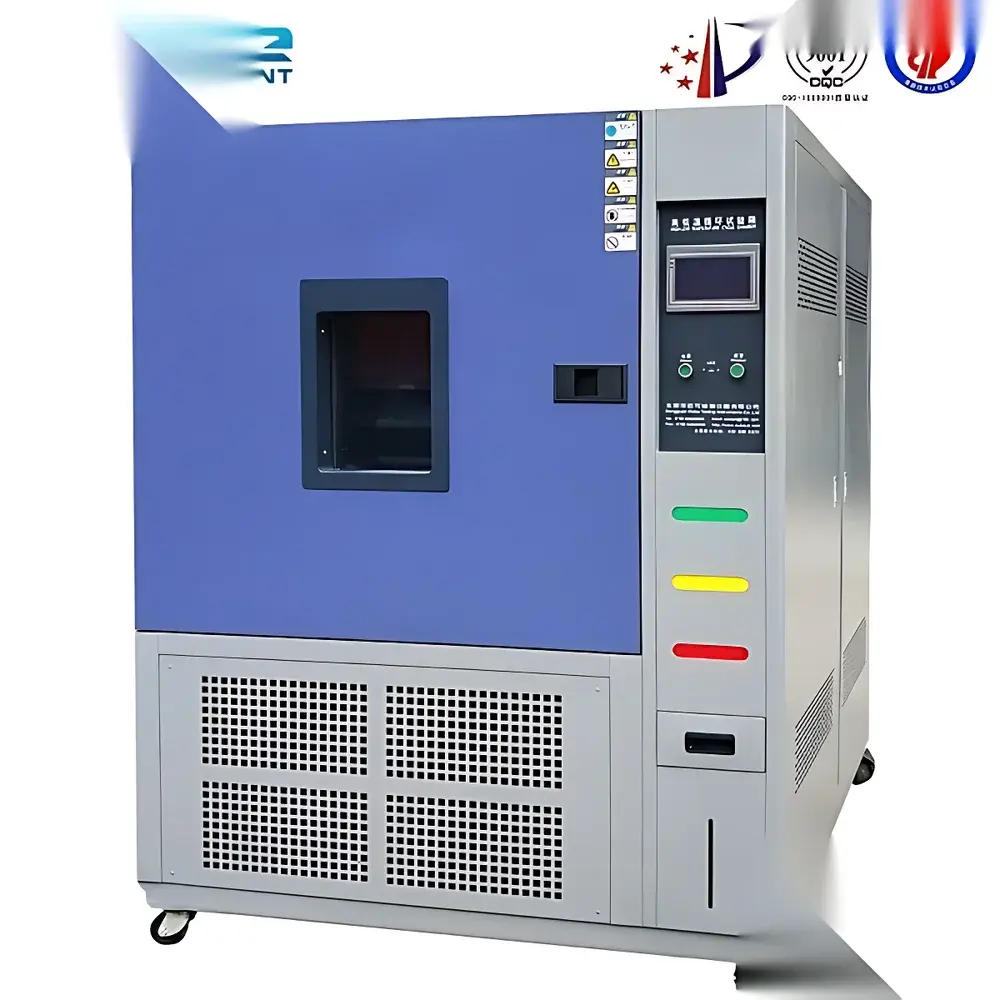
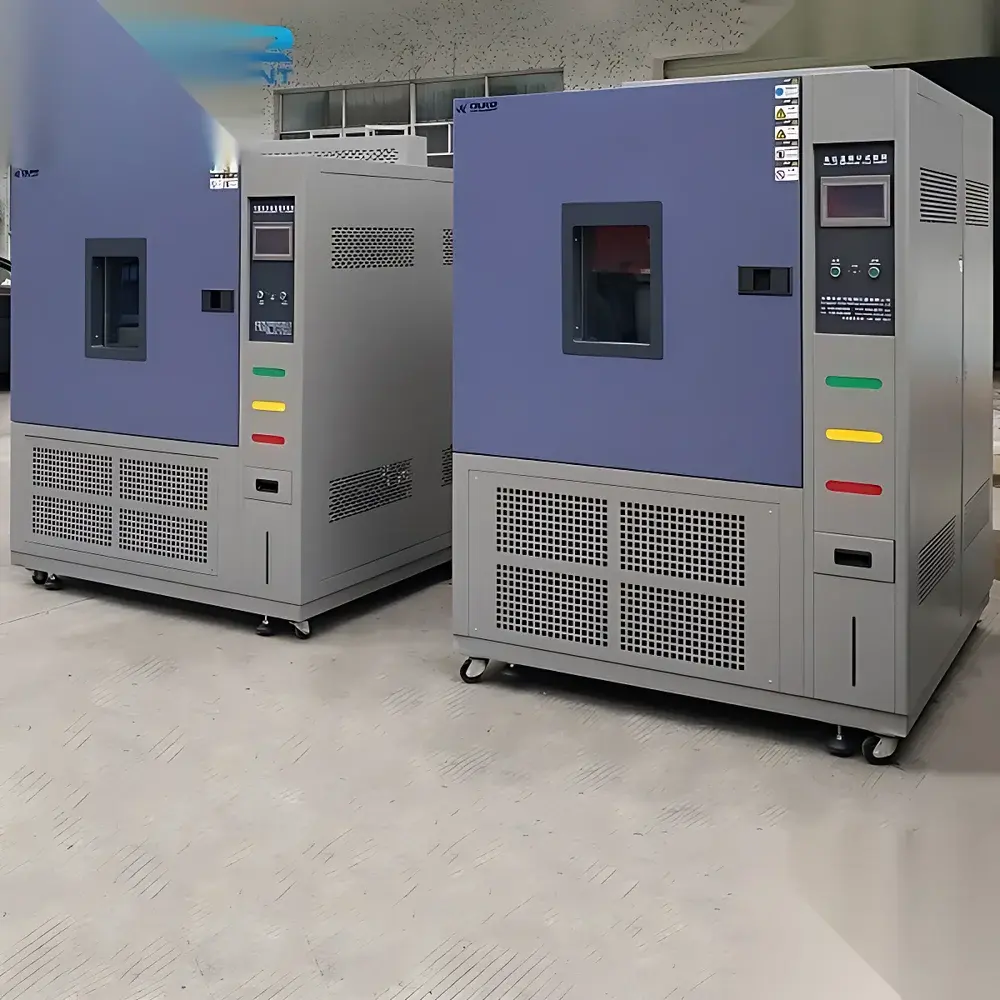
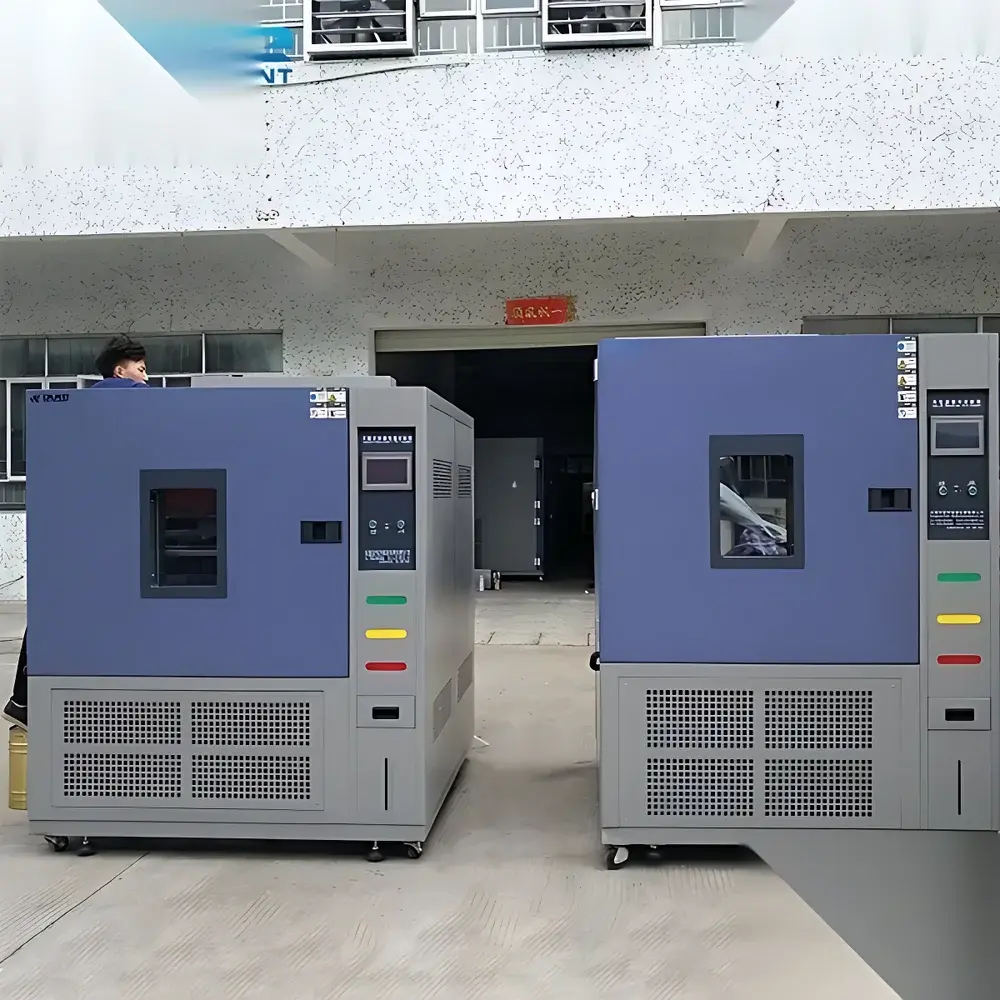
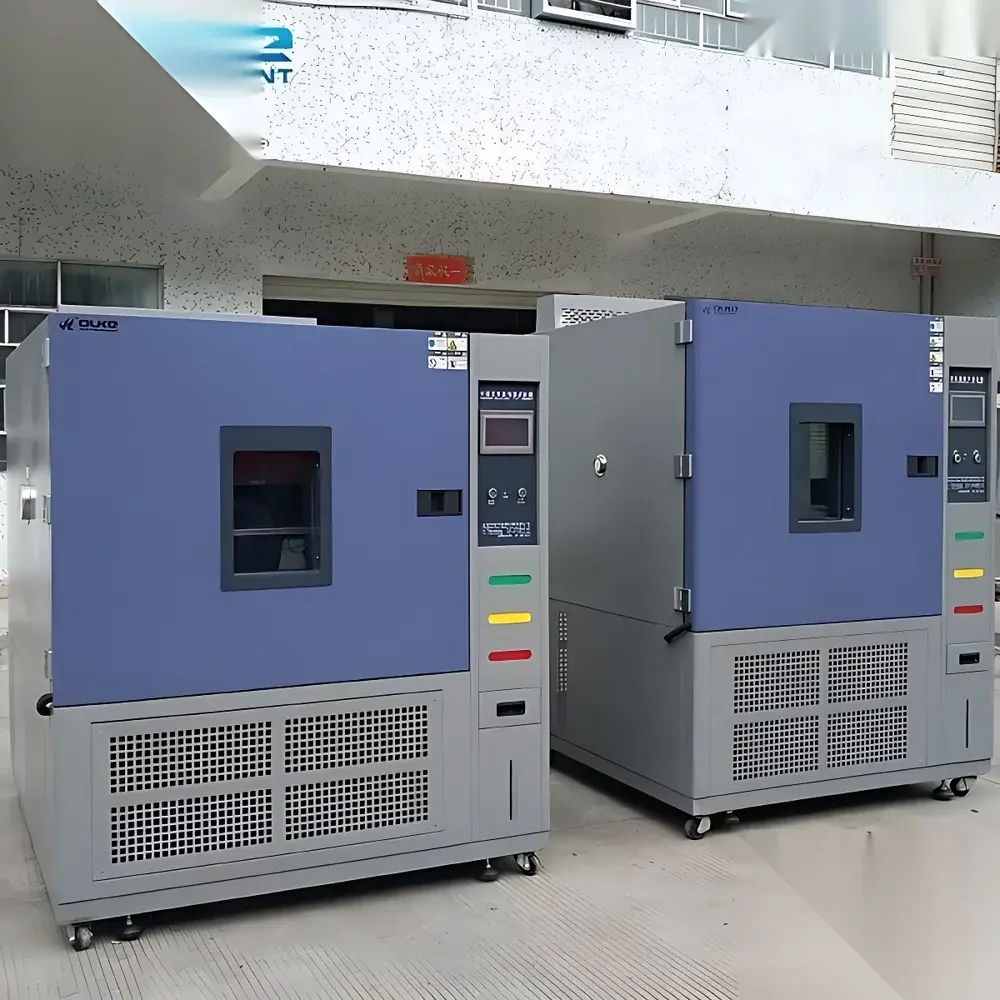
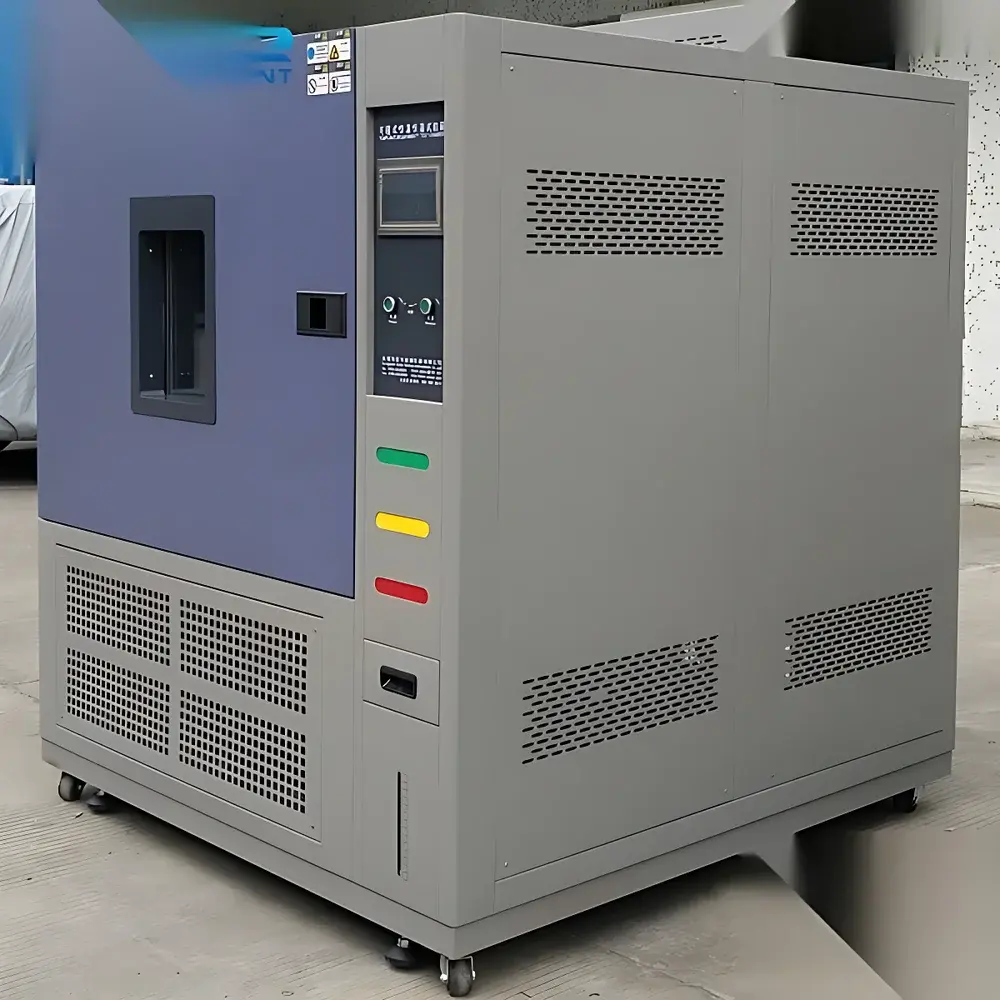
Ultra-Low Temperature and Humidity Controlled Environmental Test Chamber (–60°C)
| Brand | OEM / Private Label |
|---|---|
| Origin | Imported |
| Manufacturer Type | Authorized Distributor |
| Price | USD 3,100 (Reference Only) |
| Compliance | GB/T 5170.2–1996, GB/T 5170.5–1996, GB 2423.1–1989, GB 2423.2–1989, GB 2423.22–1987, GB 10589–1989, GB 10592–1989, GB 11158–1989 |
Overview
The Ultra-Low Temperature and Humidity Controlled Environmental Test Chamber (–60°C) is a precision-engineered environmental simulation system designed for rigorous thermal and hygrothermal stress testing of materials, components, and finished products under controlled low-temperature and relative humidity conditions. Based on the principle of forced-air convection with dual-refrigeration circuit architecture and balanced temperature-humidity control (BTHC), this chamber maintains stable setpoints across wide operating ranges—down to –60°C at 10–98% RH—while minimizing thermal gradients and humidity overshoot. It is widely deployed in R&D laboratories, quality assurance departments, and reliability engineering centers for validating product performance under extreme climatic conditions per international and national environmental test standards.
Key Features
- Advanced BTHC (Balanced Temperature & Humidity Control) system utilizing PID-controlled SSR actuators to dynamically match heating/humidification output with thermal/hygric losses—ensuring long-term stability and minimal setpoint drift.
- Dual-stage cascade refrigeration system with full-capillary tube expansion technology, eliminating mechanical expansion valves for enhanced reliability, smoother cooling transitions, and improved low-temperature recovery performance.
- High-efficiency air circulation design with multi-blade centrifugal fan and optimized duct geometry ensures uniform temperature distribution (±0.5°C) and humidity uniformity (±2.0% RH) throughout the working chamber.
- Industrial-grade 7-inch TFT touch-screen controller with intuitive HMI interface, programmable multi-segment profiles (up to 99 cycles × 99 steps), real-time data logging, and USB export capability.
- Structural integrity reinforced by high-density polyurethane insulation (100 mm thickness), seamless stainless steel inner chamber, and corrosion-resistant electro-galvanized outer casing with powder-coated finish.
- Integrated safety protections including over-temperature cut-off, compressor high/low pressure switches, phase failure detection, water flow monitoring (for chiller-cooled models), and door-open alarm.
Sample Compatibility & Compliance
This chamber accommodates a broad spectrum of test specimens—including electronic assemblies, automotive ECUs, aerospace composites, polymer packaging, medical devices, and battery modules—without compromising thermal or humidity fidelity. Its operational envelope aligns with critical regulatory and industry-standard test methods, including but not limited to:
- IEC 60068-2-1 (Cold Test), IEC 60068-2-2 (Dry Heat), IEC 60068-2-30 (Damp Heat, Cyclic)
- ASTM D4332 (Conditioning Containers and Packages), ASTM D471 (Rubber—Effect of Liquids)
- USP and environmental monitoring requirements for pharmaceutical manufacturing support spaces
- ISO 16750-4 (Road vehicles — Environmental conditions and testing for electrical and electronic equipment — Climatic loads)
- FDA 21 CFR Part 11-compliant data audit trail optional via extended software package (validated firmware version required)
All calibration and verification procedures conform to GLP/GMP-aligned traceability frameworks, supporting IQ/OQ/PQ documentation for regulated environments.
Software & Data Management
The embedded controller supports local data storage (≥30 days of 1-second interval logs) and real-time monitoring via Ethernet or RS485 interfaces. Optional PC-based software enables remote supervision, automated report generation (PDF/CSV), alarm event correlation, and integration into enterprise MES or LIMS platforms. For regulated industries, an FDA 21 CFR Part 11-compliant software module is available—featuring electronic signatures, role-based access control, and immutable audit trails for all parameter changes and test executions. Data encryption (AES-256) and secure firmware updates ensure compliance with modern cybersecurity best practices in laboratory infrastructure.
Applications
- Accelerated aging studies of lithium-ion battery cells at sub-zero temperatures to assess capacity retention and internal resistance evolution.
- Thermal shock validation of solder joints and PCB interconnects per IPC-9701A guidelines.
- Stability testing of moisture-sensitive adhesives, encapsulants, and optical coatings under combined low-temperature/humidity stress.
- Environmental qualification of avionics hardware per DO-160G Section 4 (Operating Temperature) and Section 5 (Humidity).
- Material embrittlement analysis of thermoplastics and elastomers used in cryogenic fluid handling systems.
- Pre-conditioning of sensors and transducers prior to functional calibration in metrology labs.
FAQ
What is the lowest achievable temperature with full humidity control?
The chamber achieves –60°C while maintaining controllable humidity down to 10% RH; below –40°C, humidity control range narrows progressively due to condensation limitations inherent in psychrometric physics.
Is external cooling water required for operation at –60°C?
Yes—continuous chilled water supply (10–28°C, 0.1–0.3 MPa) is mandatory to sustain compressor efficiency and thermal load dissipation during extended ultra-low-temperature operation.
How is temperature uniformity verified and documented?
Uniformity is validated using NIST-traceable PT100 sensors placed at 9 standardized locations (per IEC 60068-3-5); a full validation report—including uncertainty budgets and correction factors—is provided with each unit.
Can the chamber be integrated into a building management system (BMS)?
Yes—Modbus TCP or BACnet/IP protocols are supported via optional communication gateway for centralized HVAC and environmental monitoring integration.
Does the system support automated test sequencing across multiple environmental profiles?
Yes—the controller supports nested program structures with conditional branching, dwell timers, and external trigger inputs—enabling fully autonomous execution of complex test standards such as MIL-STD-810H Method 502.7.



