
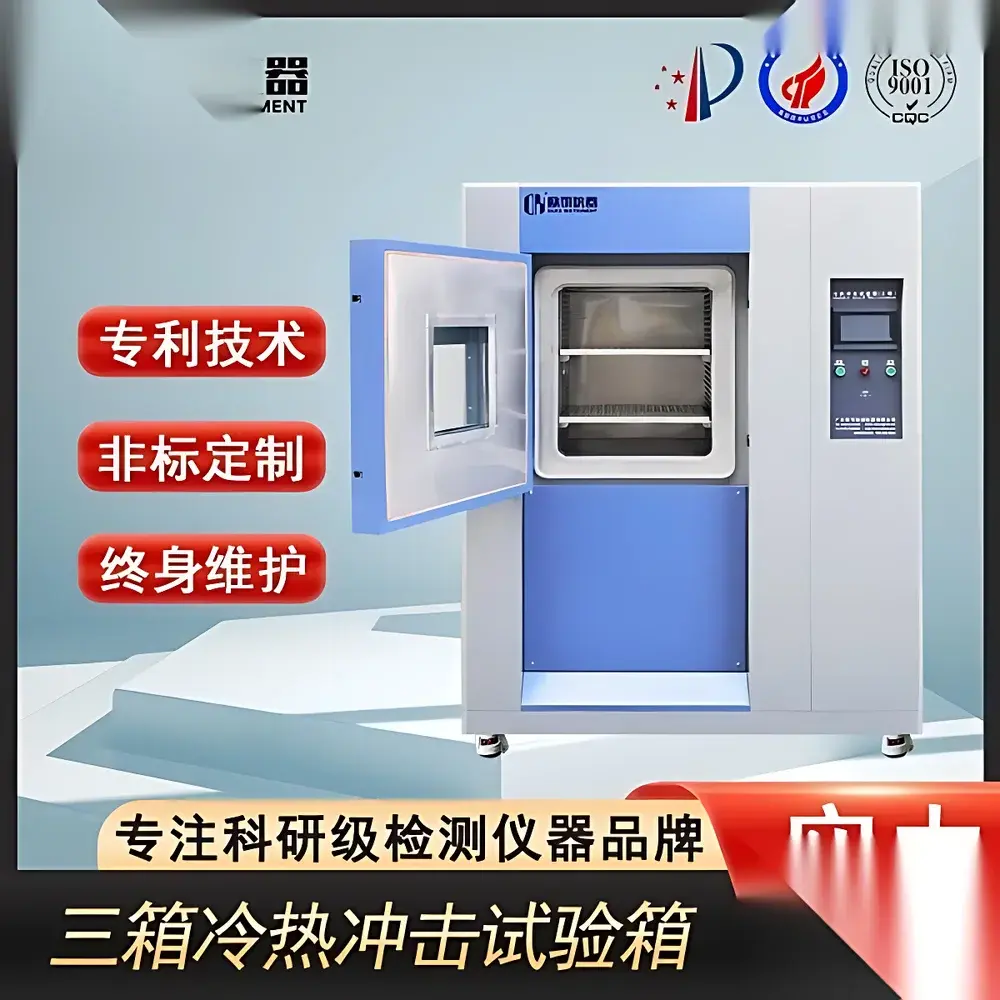
Ultra-Low Temperature Thermal Shock Test Chamber
| Brand | Other Brands |
|---|---|
| Origin | Imported |
| Manufacturer Type | General Distributor |
| Price | USD 14,000 (approx.) |
Overview
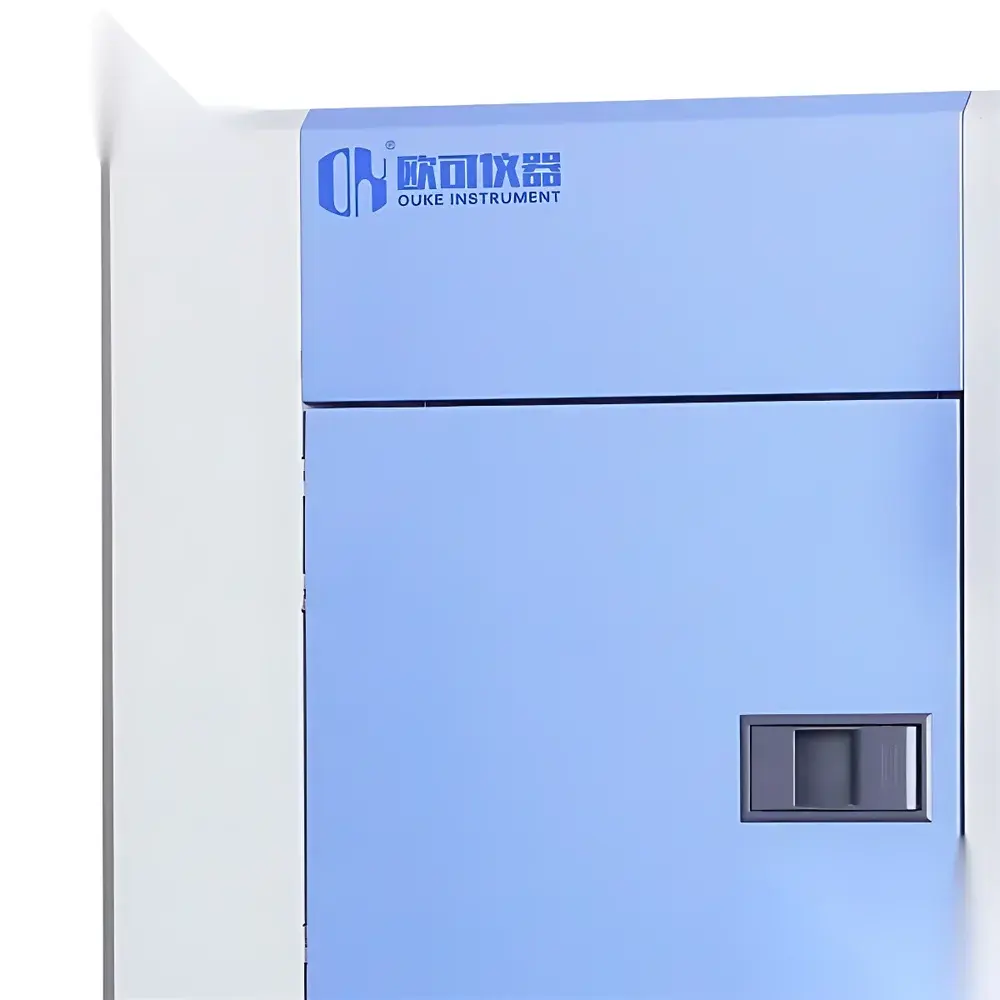
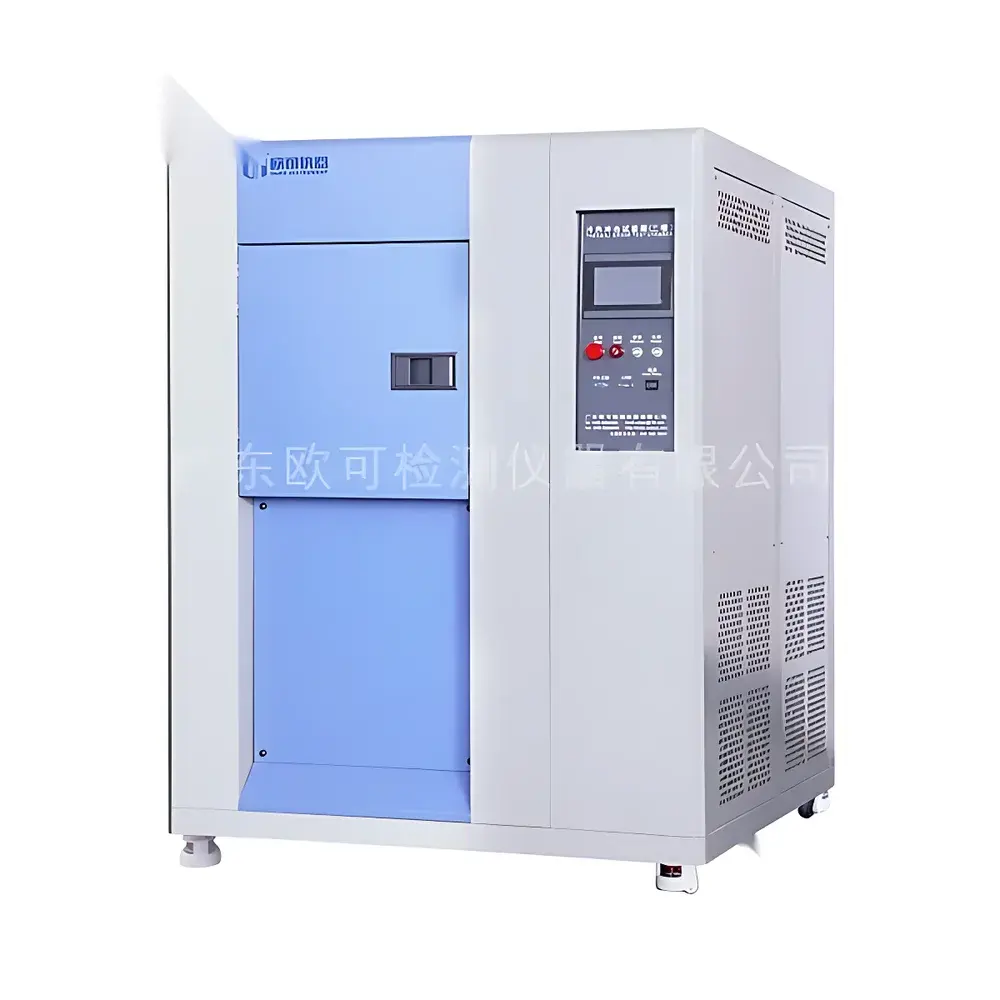
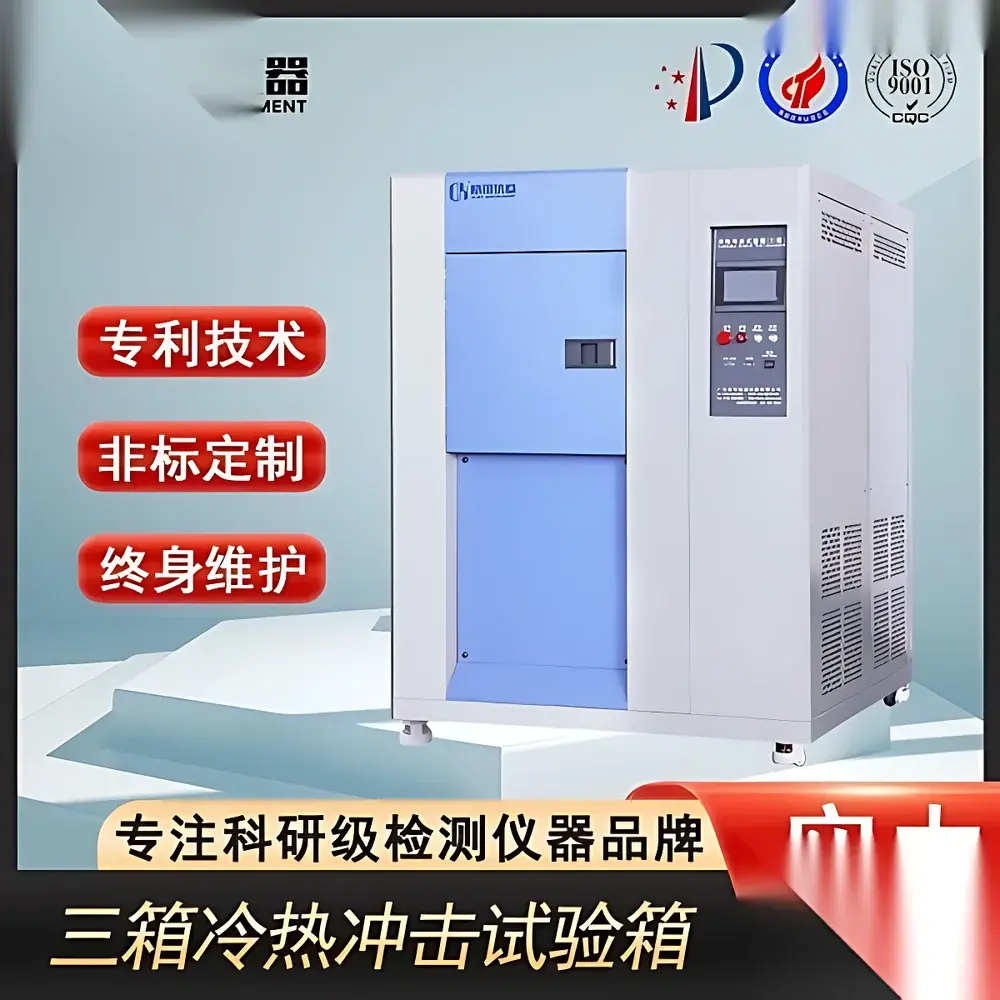
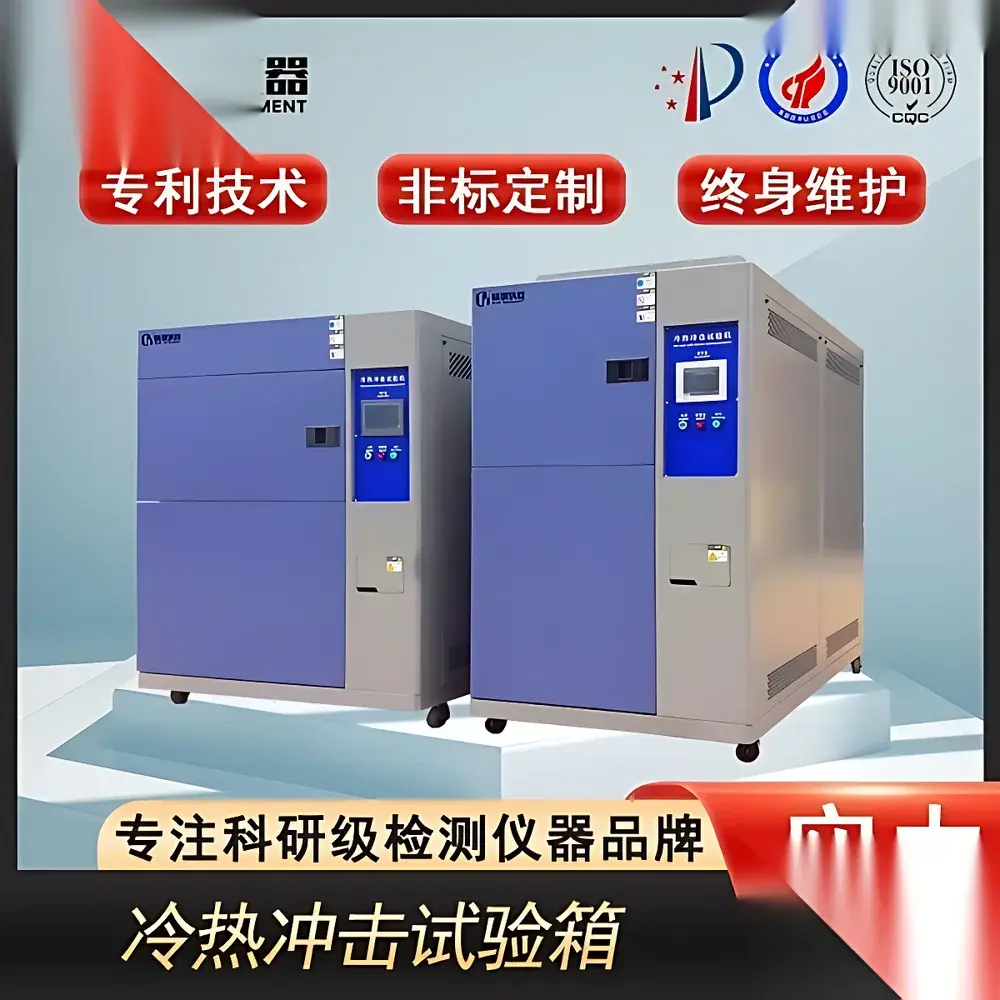
The Ultra-Low Temperature Thermal Shock Test Chamber is a precision-engineered environmental simulation system designed to evaluate material and component reliability under rapid, extreme temperature transitions. It operates on the principle of two- or three-zone thermal shock methodology—where test specimens are mechanically transferred between independently controlled ultra-low temperature (typically down to –70 °C or lower) and high-temperature (up to +150 °C or higher) chambers within seconds—inducing severe thermal stress gradients. This accelerates failure mechanisms such as solder joint fatigue, delamination, seal leakage, and coefficient-of-thermal-expansion (CTE) mismatch in electronic assemblies, aerospace composites, automotive sensors, and advanced packaging materials. Unlike standard temperature cycling chambers, this system complies with the core physical requirements of MIL-STD-810H Method 503.5, IEC 60068-2-14, JESD22-A104, and GB/T 2423.22—ensuring reproducible, traceable, and audit-ready thermal shock profiles for qualification testing in R&D, QC, and reliability engineering environments.
Key Features
- Advanced TEMPTM880 LCD touch-screen controller with full Chinese/English bilingual interface and intuitive graphical programming;
- High-resolution temperature display (0.01 °C resolution) with real-time feedback of setpoint, actual chamber temperature, segment duration, remaining time, cycle count, and elapsed calendar time;
- Programmable logic architecture supporting up to 120 user-defined test programs, each containing up to 99 sequential steps; unlimited program chaining and loop nesting (up to 999 cycles per sequence);
- Robust power-loss recovery options: automatic resume from breakpoint or graceful termination upon interruption, preserving data integrity and test continuity;
- Intelligent fault diagnostics: on-screen error code display (e.g., E01 = refrigeration fault, E07 = sensor open-circuit) with embedded troubleshooting guidance;
- Dual-mode control strategy: precise continuous PID regulation for stable thermal hold, combined with optimized overshoot suppression during rapid ramp phases;
- Zero-cross solid-state relay (SSR) switching for heater actuation—minimizing electromagnetic interference (EMI), extending component life, and ensuring ±0.3 °C temperature uniformity across working volume;
- Compliance-grade electrical architecture using Schneider Electric contactors, overload protectors, and isolation relays—designed for long-term industrial operation under GLP/GMP-aligned maintenance schedules.
Sample Compatibility & Compliance
This chamber accommodates standard test specimens up to 500 mm × 500 mm × 500 mm (W×D×H), with optional internal shelves, specimen trays, and mounting fixtures for PCBs, IC packages, LED modules, and small mechanical subassemblies. Its thermal performance meets the spatial uniformity and stability criteria specified in GB/T 10589 (Low-Temperature Test Chambers), GB/T 11158 (High-Temperature Test Chambers), and GB/T 10586 (Damp Heat Test Chambers). The system supports validation protocols aligned with ISO/IEC 17025 calibration traceability and can be integrated into FDA 21 CFR Part 11-compliant quality systems when paired with audit-trail-enabled software modules (see Software & Data Management).
Software & Data Management
The TEMPTM880 controller logs all operational parameters—including temperature setpoints, measured values, alarm events, and power status—at user-configurable intervals (1–60 seconds). Raw data exports directly to CSV via USB port for post-processing in MATLAB, JMP, or Minitab. Optional Ethernet connectivity enables remote monitoring and centralized fleet management through third-party SCADA platforms. For regulated environments, optional firmware upgrade provides electronic signature support, audit trail logging (user login/logout, parameter changes, program execution), and data encryption—facilitating compliance with FDA 21 CFR Part 11, EU Annex 11, and ISO 13485 documentation requirements.
Applications
- Qualification testing of automotive ECUs, battery management systems (BMS), and ADAS sensors under cold-start and thermal soak conditions;
- Reliability screening of semiconductor devices (QFN, BGA, WLP) per JEDEC JESD22-A104 and A106 standards;
- Validation of medical device enclosures and sterilizable components exposed to repeated autoclave-to-freeze transitions;
- Material science research on polymer crystallinity shifts, elastomer hysteresis, and metal fatigue initiation under cyclic cryogenic–thermal loading;
- Accelerated aging studies for space-grade electronics subjected to orbital thermal cycling profiles (e.g., LEO thermal vacuum simulation).
FAQ
What is the typical temperature transition time between zones?
Transition times range from 5 to 15 seconds depending on specimen mass, chamber size, and selected temperature extremes—verified per IEC 60068-2-14 Clause 6.2.
Does the system support humidity control?
No—this is a dry thermal shock chamber. Humidity capability requires a separate damp heat or combined environmental test system.
Can I export raw temperature data for statistical process control (SPC)?
Yes—CSV-formatted time-series data includes timestamps, setpoints, actual readings, and status flags; compatible with common SPC software.
Is calibration certification included with shipment?
A factory-as-tested calibration report (NIST-traceable reference sensors) is provided; full ISO/IEC 17025 accredited calibration is available as an optional service.
What safety interlocks are implemented?
Dual redundant door switches, overtemperature cutouts, refrigerant pressure monitoring, and emergency stop circuitry compliant with IEC 60204-1.



