
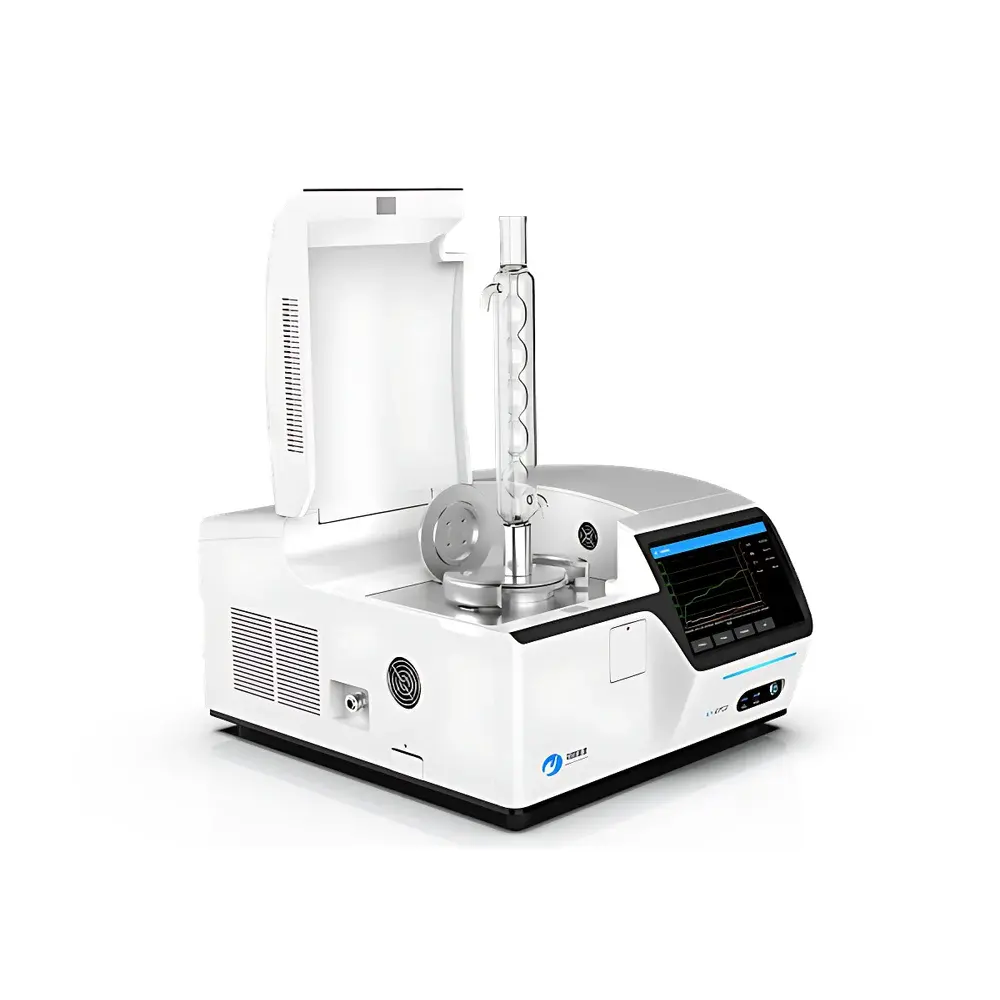
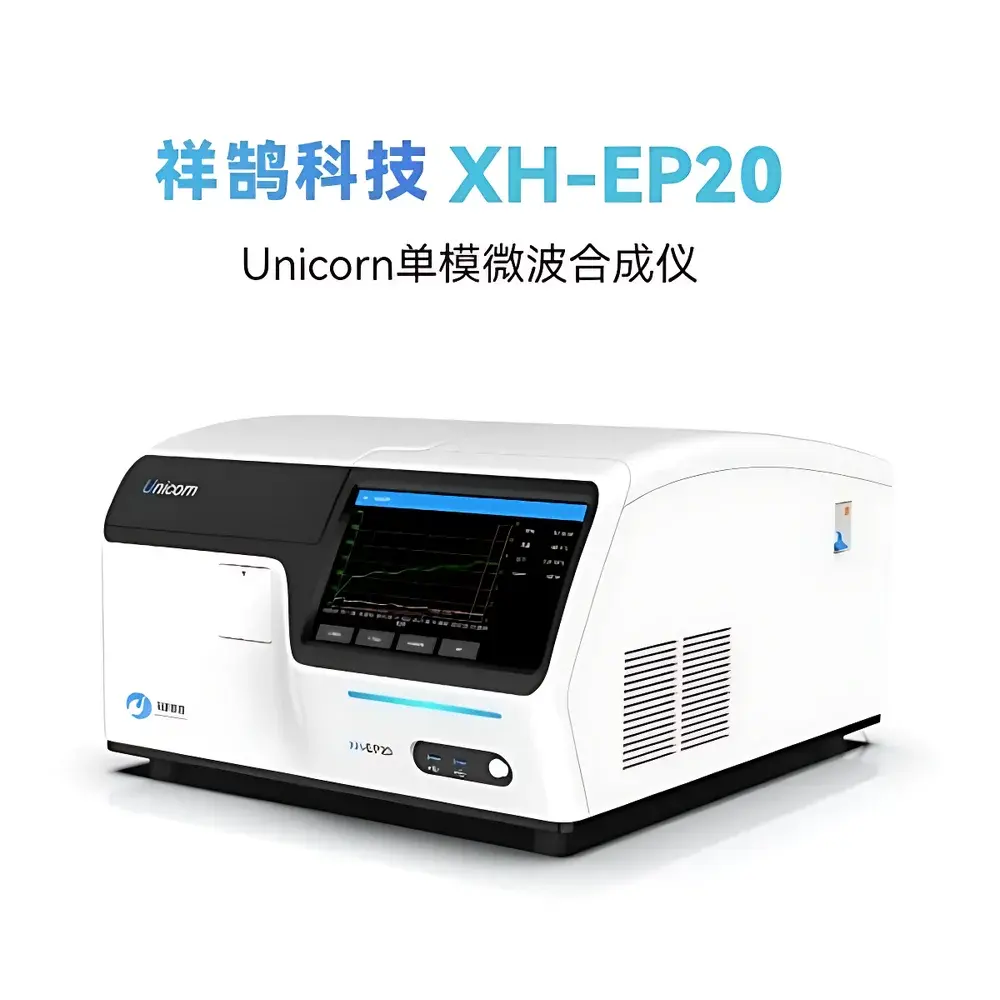
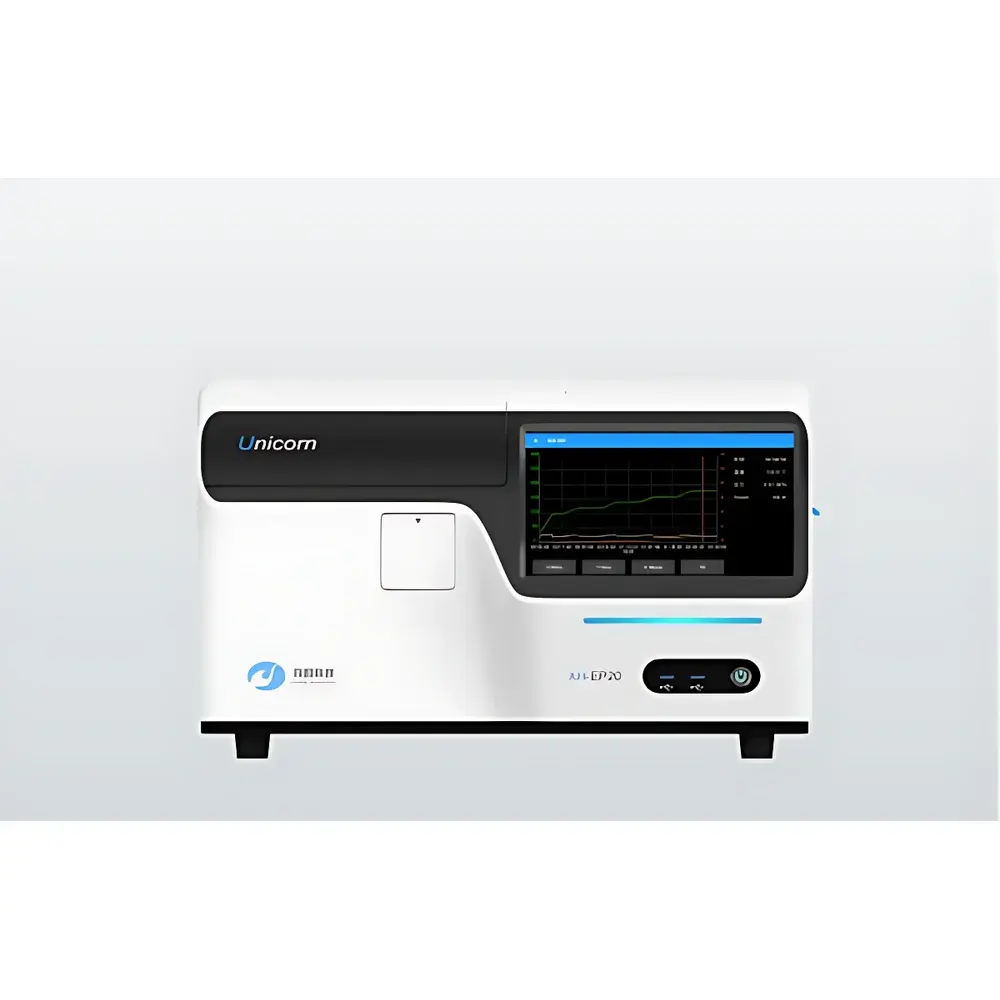
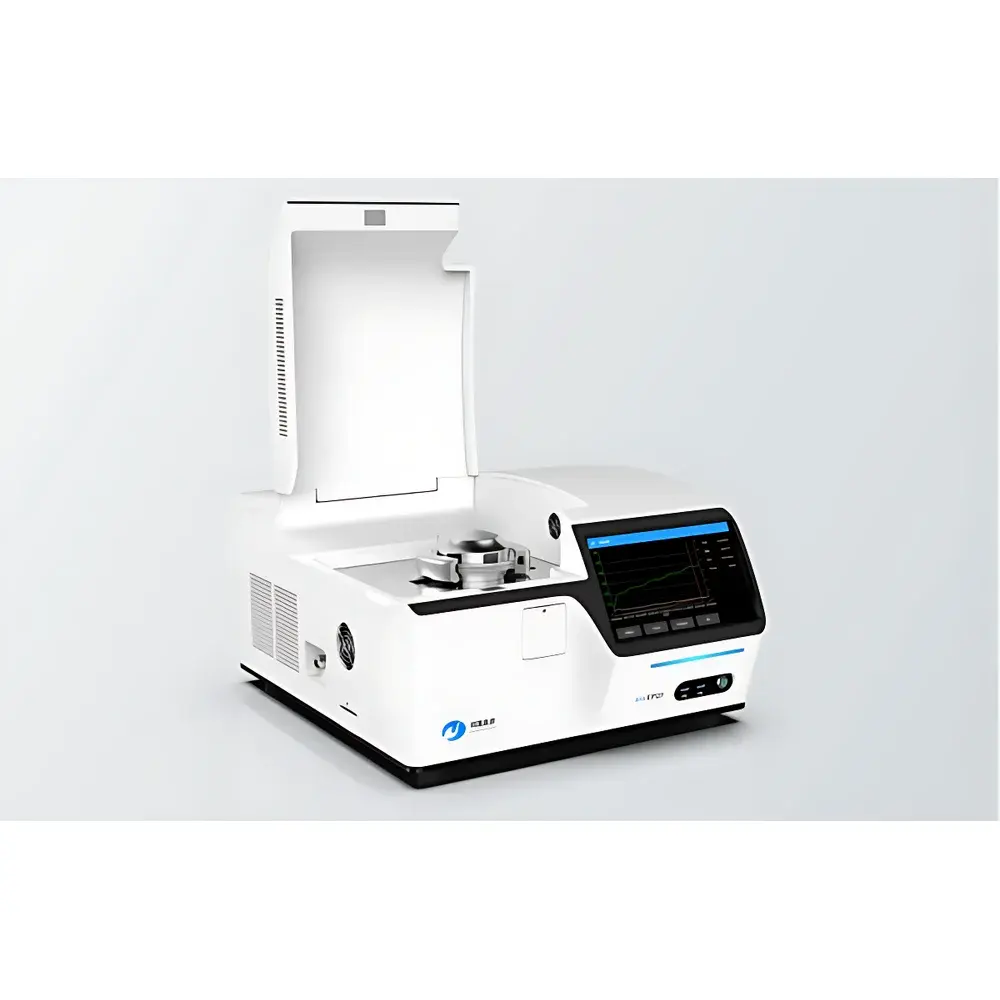
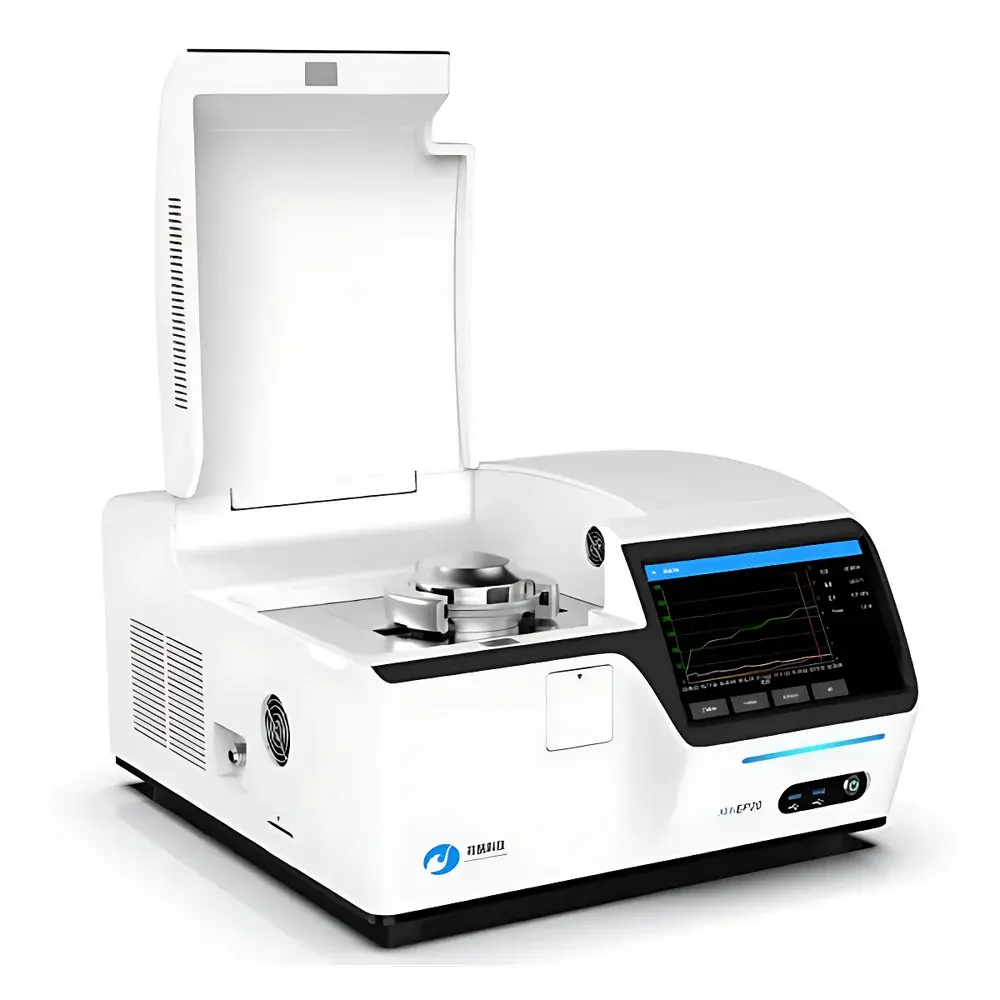
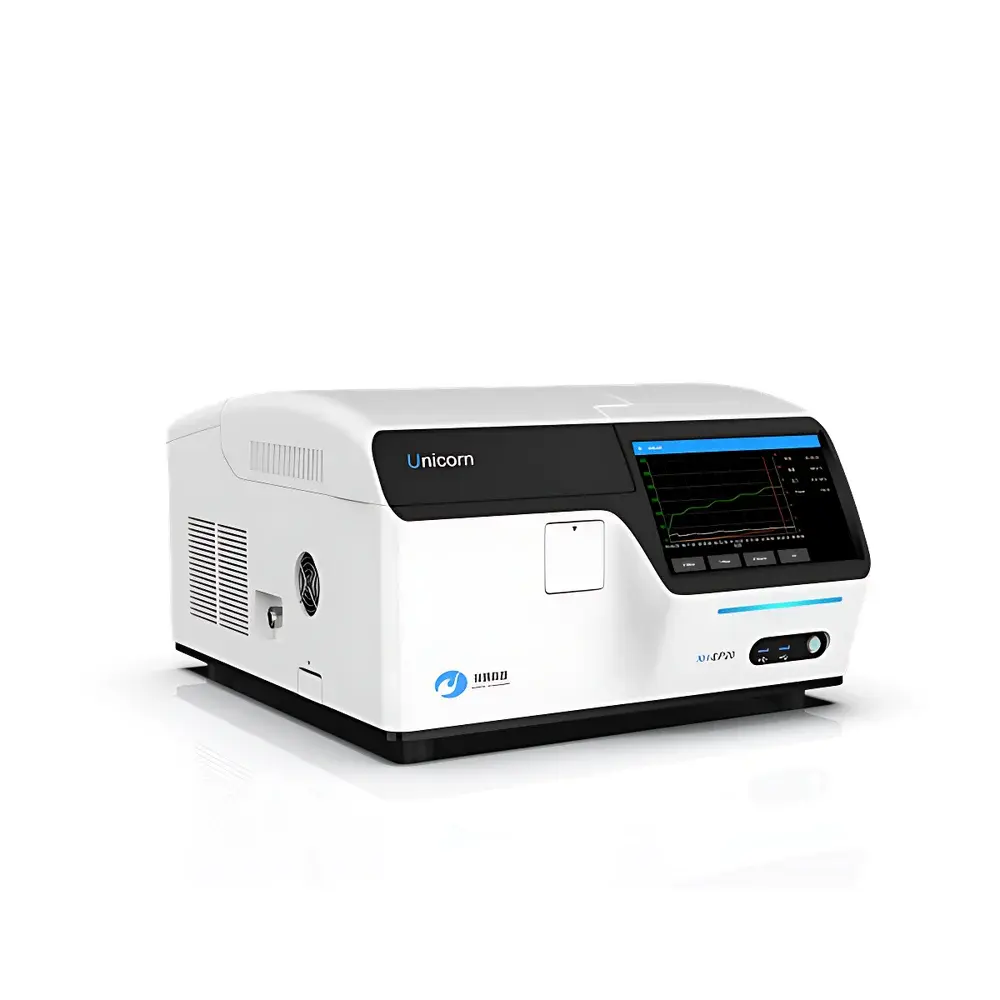
Unicorn XH-EP20 Single-Mode Microwave Synthesizer
| Brand | Xianghu |
|---|---|
| Origin | Beijing, China |
| Manufacturer Type | Direct Manufacturer |
| Instrument Category | Single-Mode Microwave Synthesizer |
| Temperature Range | 60–350 °C |
| Pressure Range | 0–5 MPa |
| Microwave Power Output | 900 W |
| Magnetron Frequency | 2450 MHz |
| Stirring Mechanism | Full-Field Magnetic Stirring |
| Reaction Volumes | 0.5, 5, 10, 30, and 100 mL |
| Temperature Control Accuracy | ±1 °C |
| Pressure Control Accuracy | ±0.05 MPa |
Overview
The Unicorn XH-EP20 Single-Mode Microwave Synthesizer is an engineered platform for high-precision, reproducible microwave-assisted chemical synthesis under controlled temperature and pressure conditions. Unlike multimode cavity systems, the XH-EP20 employs a focused single-mode waveguide architecture that delivers spatially homogeneous microwave energy directly to the reaction vessel—enabling rapid, uniform heating with minimal thermal lag and exceptional energy efficiency. This design supports kinetic studies, catalyst screening, and method development where precise thermal input, pressure management, and reaction scalability are critical. The instrument operates at the industrial standard magnetron frequency of 2450 MHz, ensuring compatibility with widely accepted microwave absorption profiles of common solvents and reagents. Its integrated real-time monitoring and closed-loop control system allow users to maintain setpoints within ±1 °C (temperature) and ±0.05 MPa (pressure), meeting requirements for GLP-compliant reaction documentation and method validation in academic, pharmaceutical, and materials research laboratories.
Key Features
- Single-mode resonant cavity with TE10 mode propagation for focused, high-field-strength microwave delivery and minimized standing-wave interference
- Dual-parameter feedback control: simultaneous regulation of microwave power output and dynamic thermal compensation to sustain target temperature and pressure during exothermic or endothermic transitions
- Full-field magnetic stirring mechanism ensures homogeneous mixing across all standard reaction volumes (0.5–100 mL), eliminating vortex formation and localized overheating
- Robust stainless-steel pressure-rated reaction vessels with quartz or PTFE-lined options; rated for continuous operation up to 5 MPa and 350 °C
- Modular vessel support system accommodating five discrete volume configurations—0.5, 5, 10, 30, and 100 mL—enabling seamless scale-up from discovery to preliminary optimization without hardware replacement
- Integrated safety interlocks including overpressure relief, temperature cutoff, microwave leakage detection (<0.5 mW/cm² at 5 cm), and door-activated power shutoff compliant with IEC 61000-6-3 and GB 4706.21 standards
Sample Compatibility & Compliance
The XH-EP20 accommodates a broad range of chemically aggressive media—including strong acids (e.g., HNO3, HF), bases (e.g., NaOH, KOH), and high-boiling-point solvents (e.g., DMF, NMP, ethylene glycol)—thanks to its chemically inert vessel linings and corrosion-resistant internal cavity coating. Reaction vessels conform to ISO 17025 traceable calibration protocols for pressure transducers and RTD-based temperature sensors. The system supports audit-ready data logging aligned with FDA 21 CFR Part 11 requirements when paired with optional secure software modules, including electronic signatures, user access levels, and immutable event timestamps. It is routinely deployed in laboratories adhering to ASTM E2874 (Standard Guide for Microwave-Assisted Chemical Synthesis) and USP <1058> (Analytical Instrument Qualification) frameworks.
Software & Data Management
The XH-EP20 is operated via a dedicated Windows-based control interface supporting both manual parameter entry and preprogrammed method templates. All experimental parameters—including real-time microwave power (%), cavity temperature, vessel pressure, stirring speed, and elapsed time—are logged at 1 Hz resolution and exported in CSV or XML format for downstream analysis in MATLAB, Origin, or LIMS platforms. The software includes built-in curve-fitting tools for Arrhenius analysis and kinetic modeling, as well as automated pass/fail evaluation against user-defined tolerance bands. Raw sensor data is stored with SHA-256 hash integrity verification, and database backups can be scheduled to network drives or encrypted USB media. Optional cloud synchronization enables remote monitoring and collaborative protocol sharing across multi-site R&D teams.
Applications
- High-yield synthesis of metal–organic frameworks (MOFs) and covalent organic frameworks (COFs) under subcritical hydrothermal conditions
- Rapid optimization of cross-coupling reactions (Suzuki, Heck, Buchwald–Hartwig) with sensitive palladium and nickel catalysts
- Controlled crystallization of pharmaceutical polymorphs and cocrystals under programmable pressure ramps
- Accelerated hydrothermal carbonization of biomass feedstocks for functional carbon material production
- One-pot multistep cascade reactions requiring sequential thermal and pressure modulation
- Development of green chemistry protocols using low-volume solvent systems and reduced reaction times
FAQ
What distinguishes single-mode from multimode microwave synthesis?
Single-mode systems like the XH-EP20 generate a defined electromagnetic field pattern within a tuned cavity, resulting in higher electric field density and superior reproducibility for small-volume reactions. Multimode systems rely on mode stirrers and cavity geometry to distribute energy, introducing variability in field distribution and heating uniformity.
Can the XH-EP20 be integrated into automated synthesis workflows?
Yes—the instrument features RS-232 and Ethernet (TCP/IP) communication ports, enabling bidirectional integration with robotic liquid handlers, autosamplers, and centralized laboratory automation platforms via Modbus TCP or custom API scripting.
Is third-party calibration certification available?
Xianghu provides NIST-traceable calibration certificates for temperature and pressure sensors upon request, with optional annual recalibration services performed by ISO/IEC 17025-accredited service centers.
What maintenance is required for long-term reliability?
Routine maintenance includes quarterly inspection of waveguide gaskets, annual magnetron output verification, and biannual cleaning of the cavity interior with isopropanol and lint-free wipes. No consumable parts require replacement under normal operating conditions.
Does the system support inert atmosphere reactions?
Yes—vessels are equipped with septum-sealed gas inlet/outlet ports compatible with nitrogen, argon, or hydrogen purge protocols, and optional mass flow controllers can be added for precise gas stoichiometry control.



