
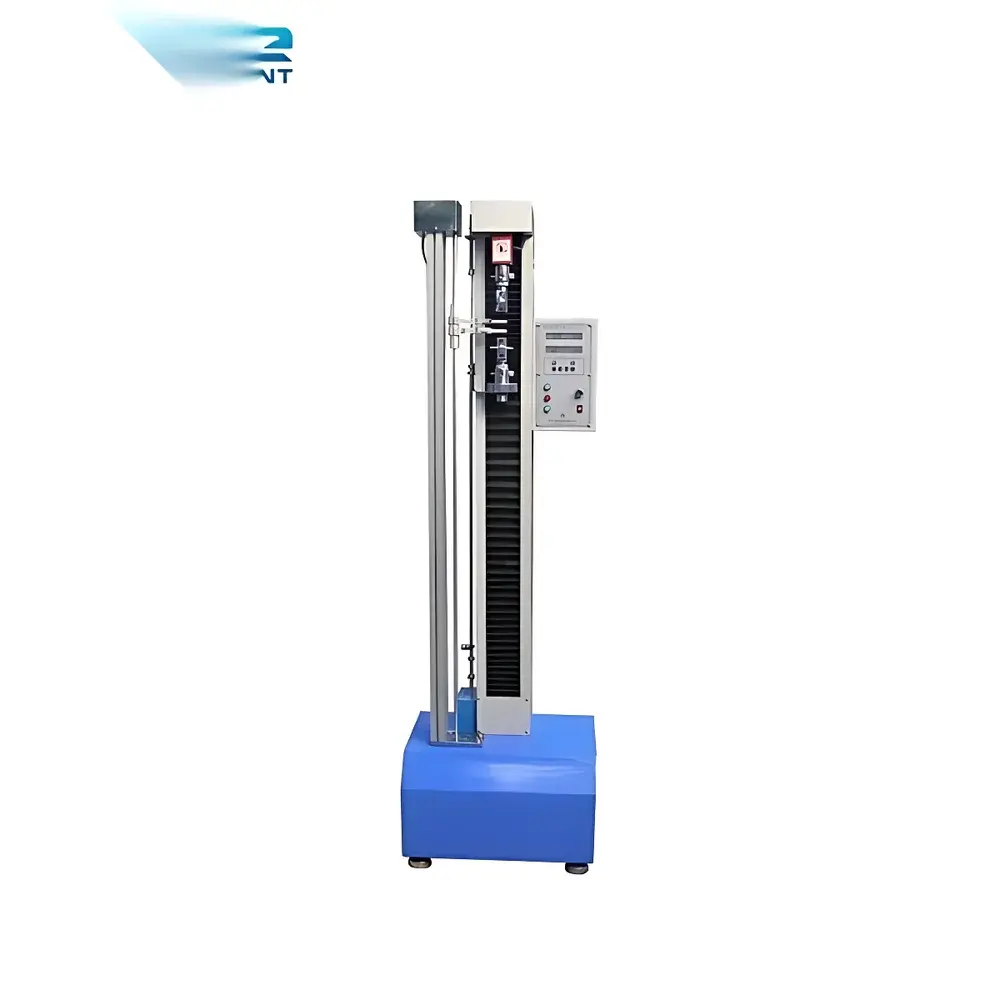
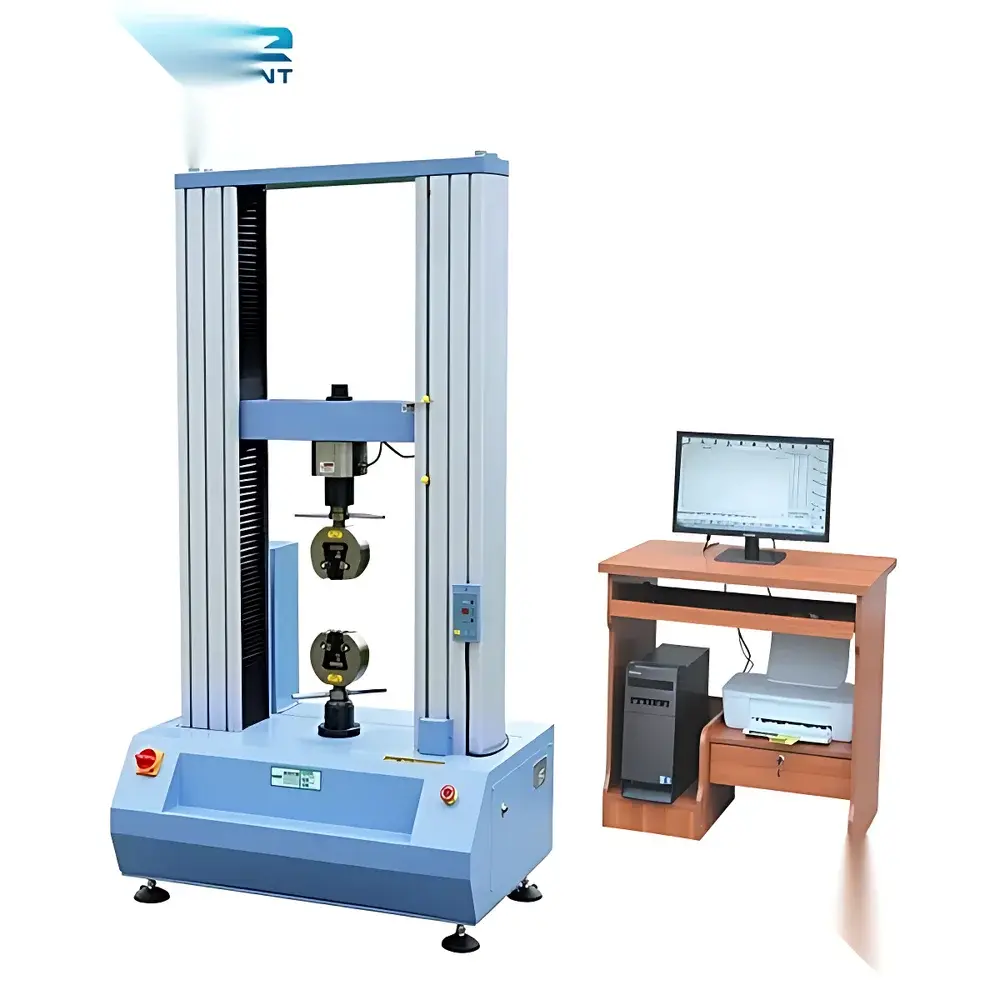
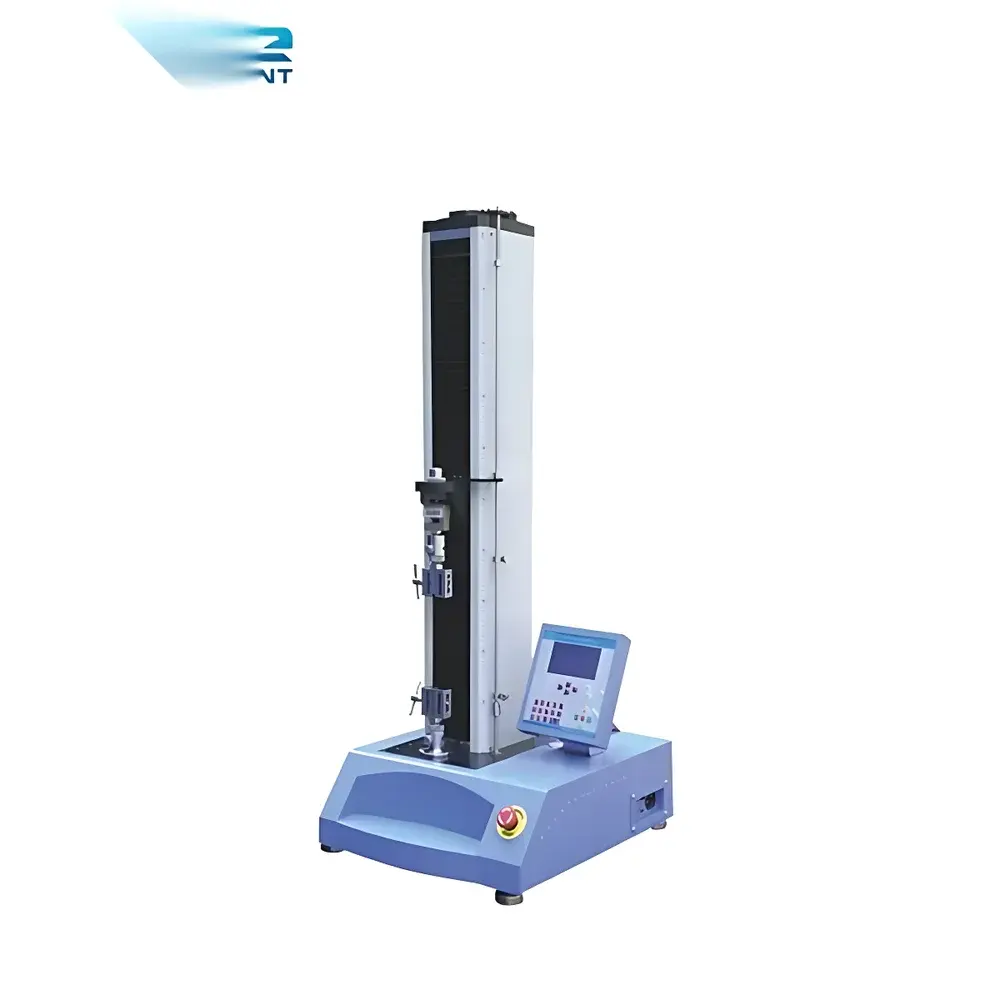
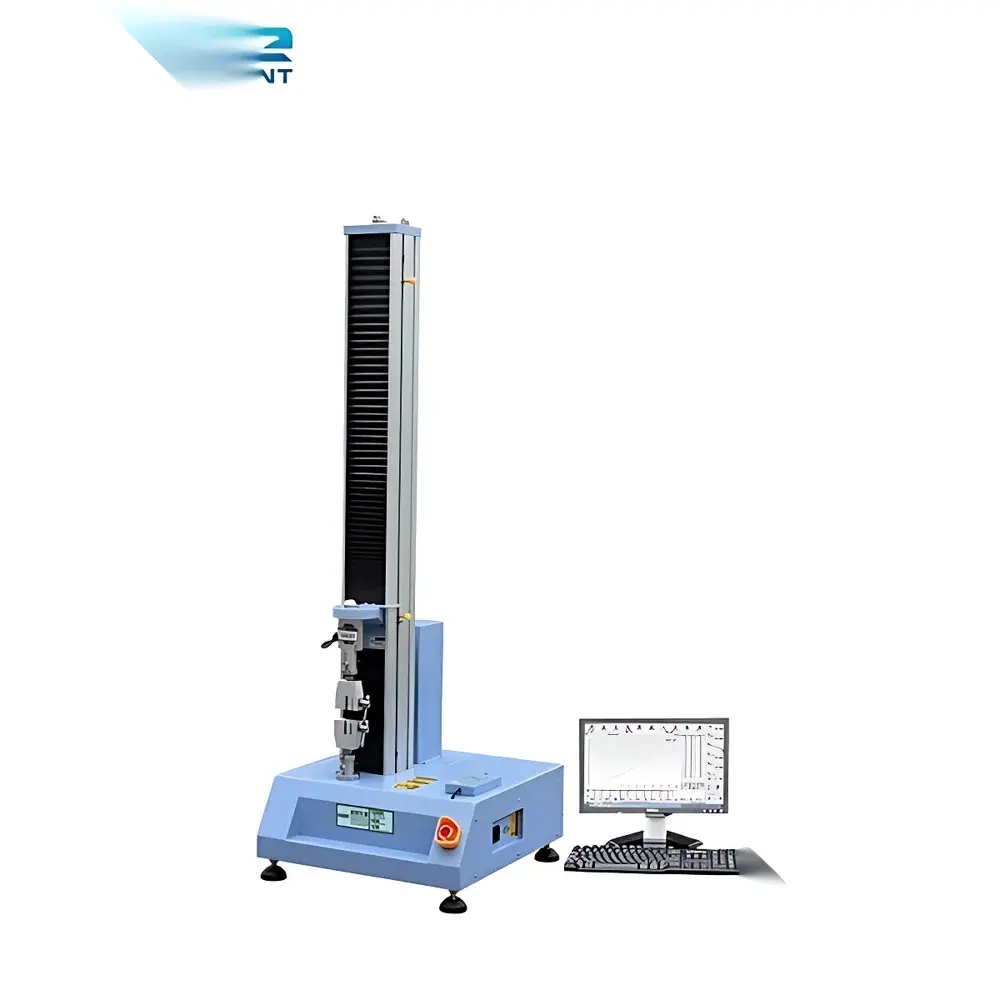
Universal Tensile Testing Machine – Custom-Configurable Electromechanical Testing System
| Brand | OEM / Third-Party Manufacturer |
|---|---|
| Origin | Imported |
| Distributor Type | Authorized General Distributor |
| Price | USD 3,200 (FOB) |
| Compliance | Fully Compatible with ISO 6892-1, ASTM E4, ASTM D638, ASTM D3039, ASTM D790, ISO 527-1, ISO 178, ISO 1183, ISO 2285, ISO 2921, EN 10002-1, GB/T 16491, GB/T 1040, GB/T 2792, GB/T 3923.1 |
Overview
The Universal Tensile Testing Machine is an electromechanical static testing system engineered for high-fidelity mechanical property characterization of both metallic and non-metallic materials under uniaxial loading conditions. Based on the principle of controlled displacement-driven force measurement via closed-loop servo control, it delivers traceable, repeatable, and standards-compliant results across tensile, compression, flexural, peel, shear, tear, and elongation-to-break modes. Designed for integration into QC laboratories, R&D centers, and contract testing facilities, this system meets the structural and metrological requirements of ISO/IEC 17025-accredited environments when operated with calibrated load cells and verified extensometry.
Key Features
- High-precision ball-screw drive train with preloaded linear guideways ensures minimal axial runout (< 0.02 mm/m), low mechanical noise (< 55 dB(A)), and long-term positional stability.
- Panasonic AC servo motor with 2500 PPR optical encoder enables precise speed control from 0.001 to 500 mm/min (adjustable in 0.001 mm/min increments), supporting quasi-static and slow-rate dynamic protocols.
- Explosion-proof precision load cell with automatic thermal drift compensation, ±0.03% FS repeatability, 150% transient overload capacity, and zero drift < 0.01% FS/°C over 23±2°C operating range.
- Dual-limit mechanical travel protection plus software-based overload cutoff prevents sensor damage during specimen failure or operator error.
- Real-time data acquisition at ≥1 kHz sampling rate, with 100,000-count resolution in force and displacement channels, enabling accurate detection of yield points, necking onset, and fracture energy absorption.
- Integrated PC-based control and analysis software with full audit trail capability, compliant with FDA 21 CFR Part 11 requirements for electronic records and signatures when configured with user authentication and event logging.
Sample Compatibility & Compliance
The system accommodates specimens ranging from microfilaments (diameter ≥ 0.1 mm) to structural coupons (max. 300 mm gauge length, 100 mm width, 50 mm thickness). Standardized grips include pneumatic wedge-type, screw-action, roller-type, and peel-specific fixtures — all interchangeable without tools. It supports compliance with over 30 international and national standards including ISO 6892-1 (metallic tensile), ASTM D638 (plastics), ASTM D3039 (composites), ISO 527-1 (polymer films), GB/T 1040 (Chinese plastics standard), and GB/T 2792 (adhesive peel strength). Calibration certificates are issued per ISO/IEC 17025 by accredited third-party labs upon request.
Software & Data Management
The embedded Windows-based software provides real-time curve plotting (force vs. displacement, stress vs. strain), automated parameter extraction (Young’s modulus, yield strength, ultimate tensile strength, elongation at break, Poisson’s ratio), and customizable report templates. All test data are stored in encrypted SQL databases with timestamped metadata, user ID tagging, and version-controlled configuration files. Export formats include CSV, PDF, XML, and proprietary .TST binary for archival integrity. Audit trails record every action — from test initiation and parameter modification to result approval — satisfying GLP/GMP documentation requirements.
Applications
This testing platform serves diverse sectors: polymer formulation labs evaluating melt-blend compatibility; wire-and-cable manufacturers validating conductor tensile retention after jacket extrusion; medical device firms verifying suture breaking strength per ISO 10993-12; automotive Tier-1 suppliers conducting crash-relevant component validation; packaging engineers assessing seal integrity and film puncture resistance; and academic materials science departments performing fundamental deformation studies on nanocomposites and shape-memory alloys.
FAQ
What standards does this machine support out-of-the-box?
It is pre-configured for ASTM D638, ISO 527-1, ISO 6892-1, GB/T 1040, and GB/T 16491. Additional standards can be activated via software module licensing.
Can the system be integrated into a LIMS environment?
Yes — via OPC UA or RESTful API interface, enabling bidirectional data exchange with laboratory information management systems.
Is extensometry supported?
Contact and non-contact extensometers (including video-based DIC modules) are available as optional add-ons with NIST-traceable calibration.
What maintenance intervals are recommended?
Preventive maintenance is advised every 12 months or 2,000 test cycles, including ball-screw lubrication, load cell verification, and encoder alignment check.
Does the system support multi-specimen batch testing?
Yes — automated sequential testing with auto-grip repositioning and pass/fail logic based on user-defined acceptance criteria.



