
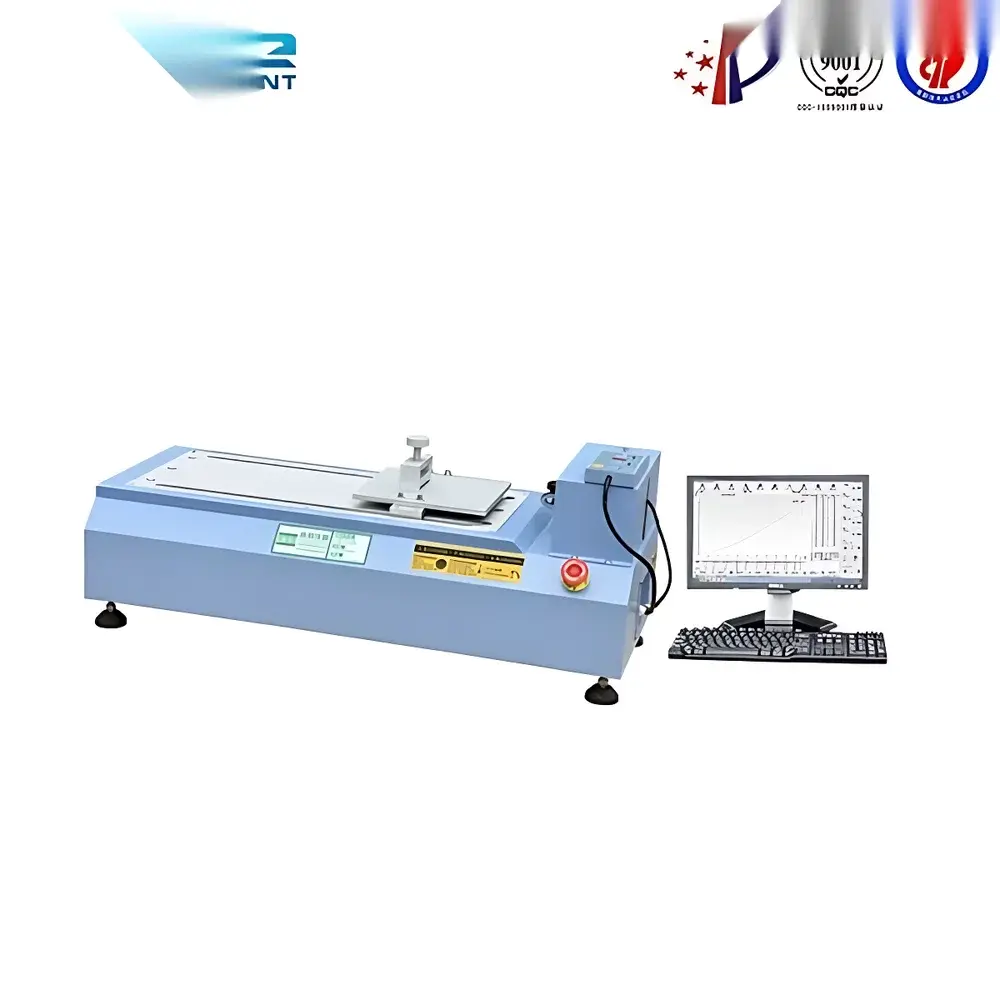
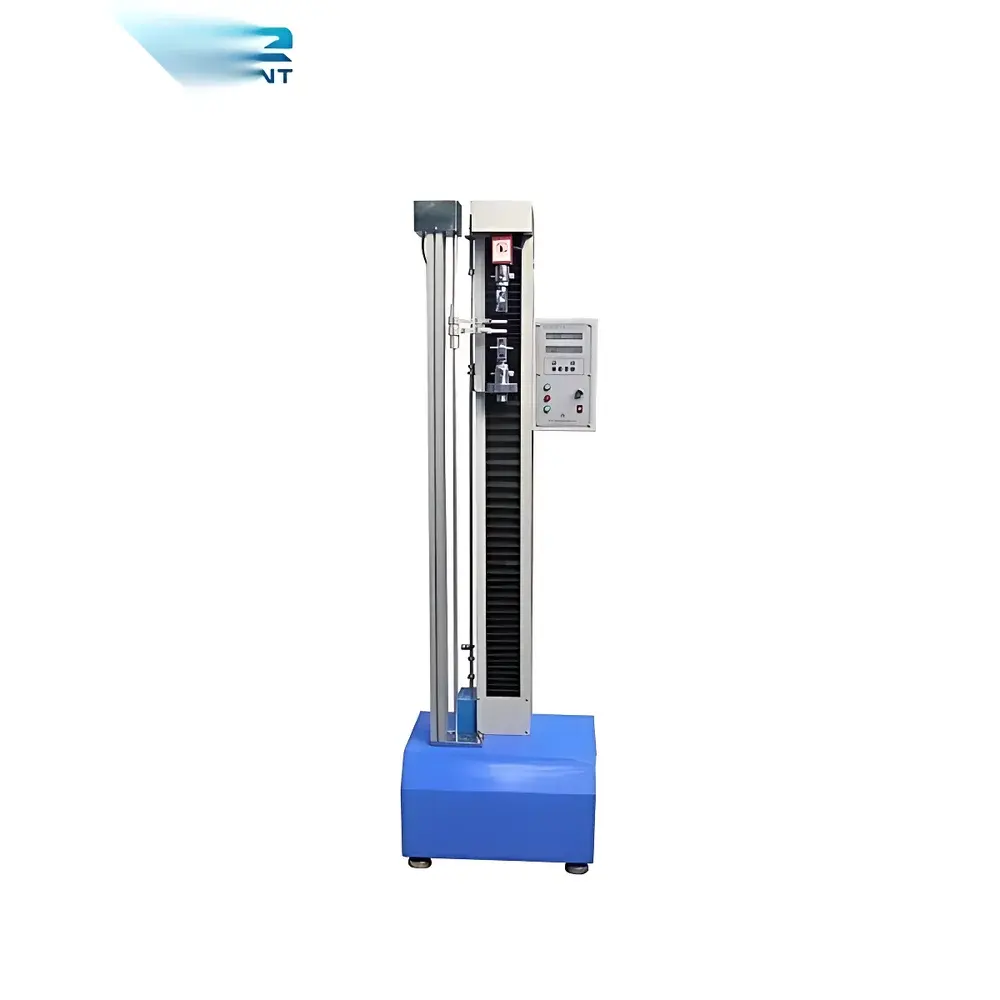
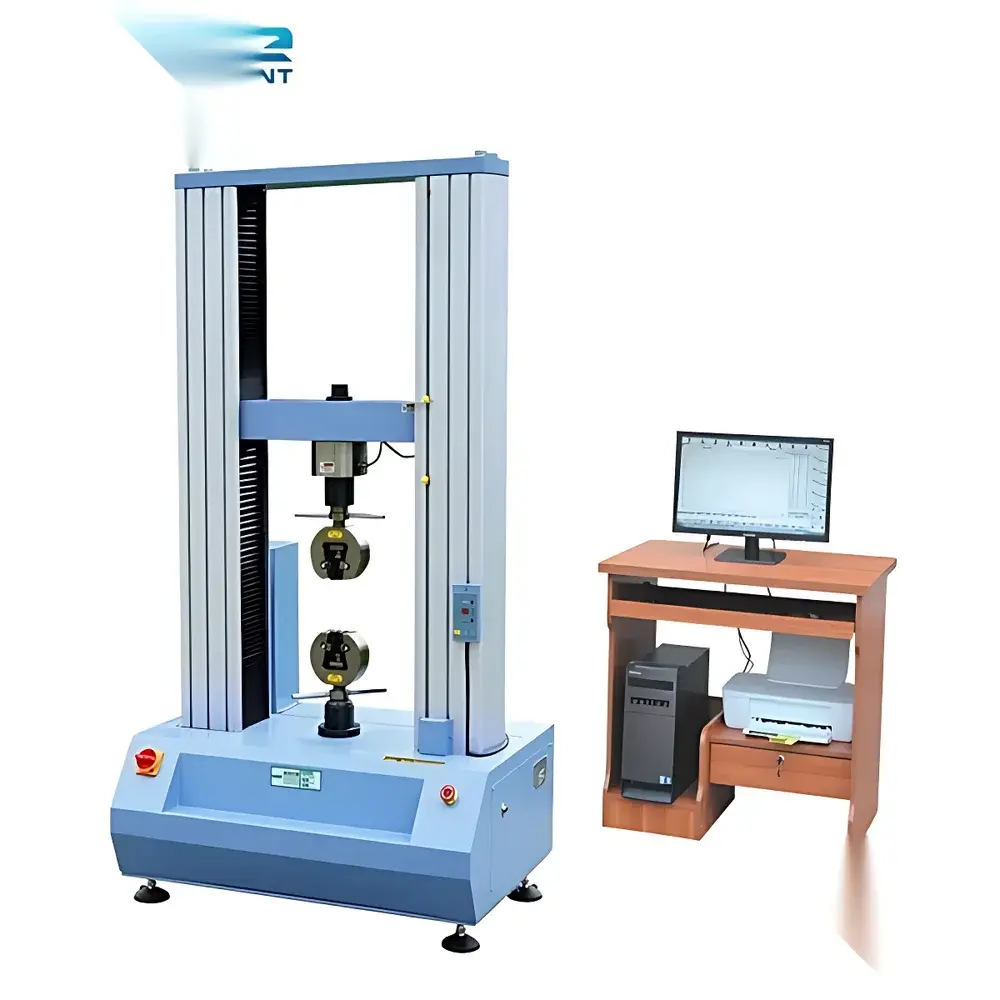
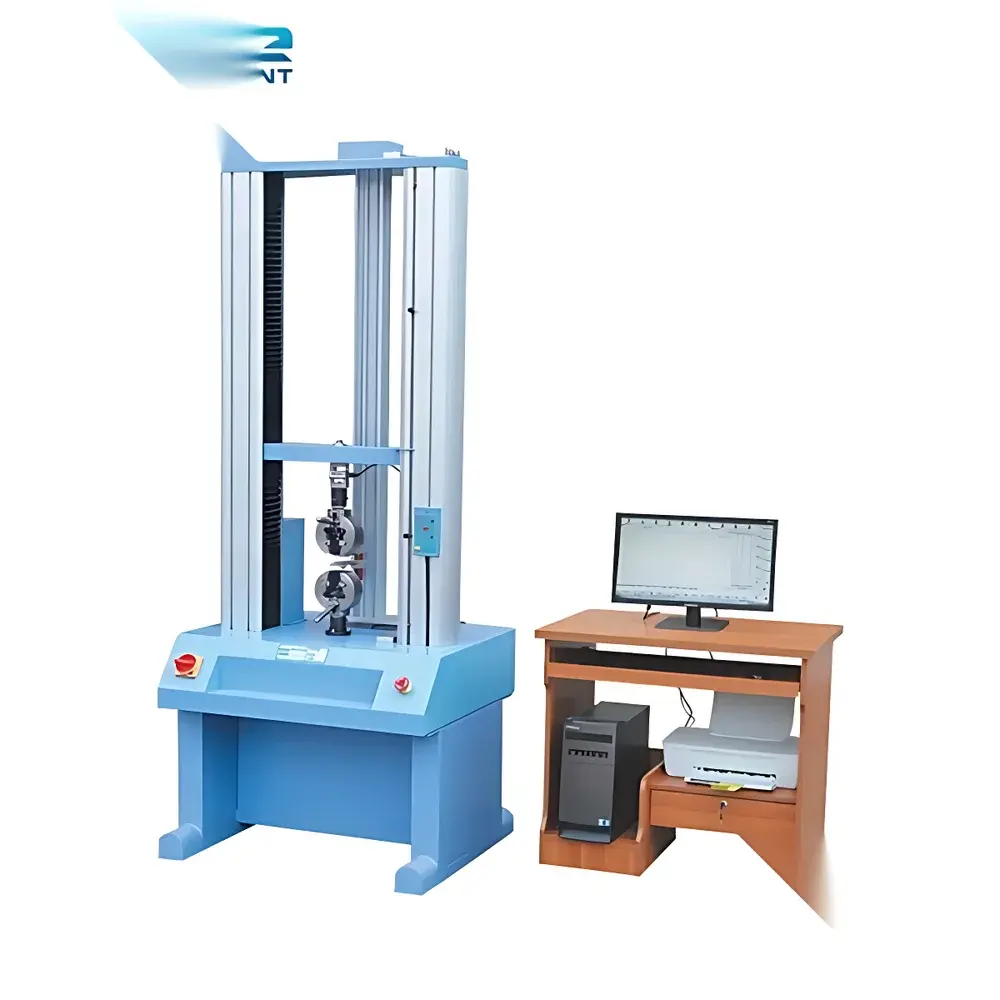
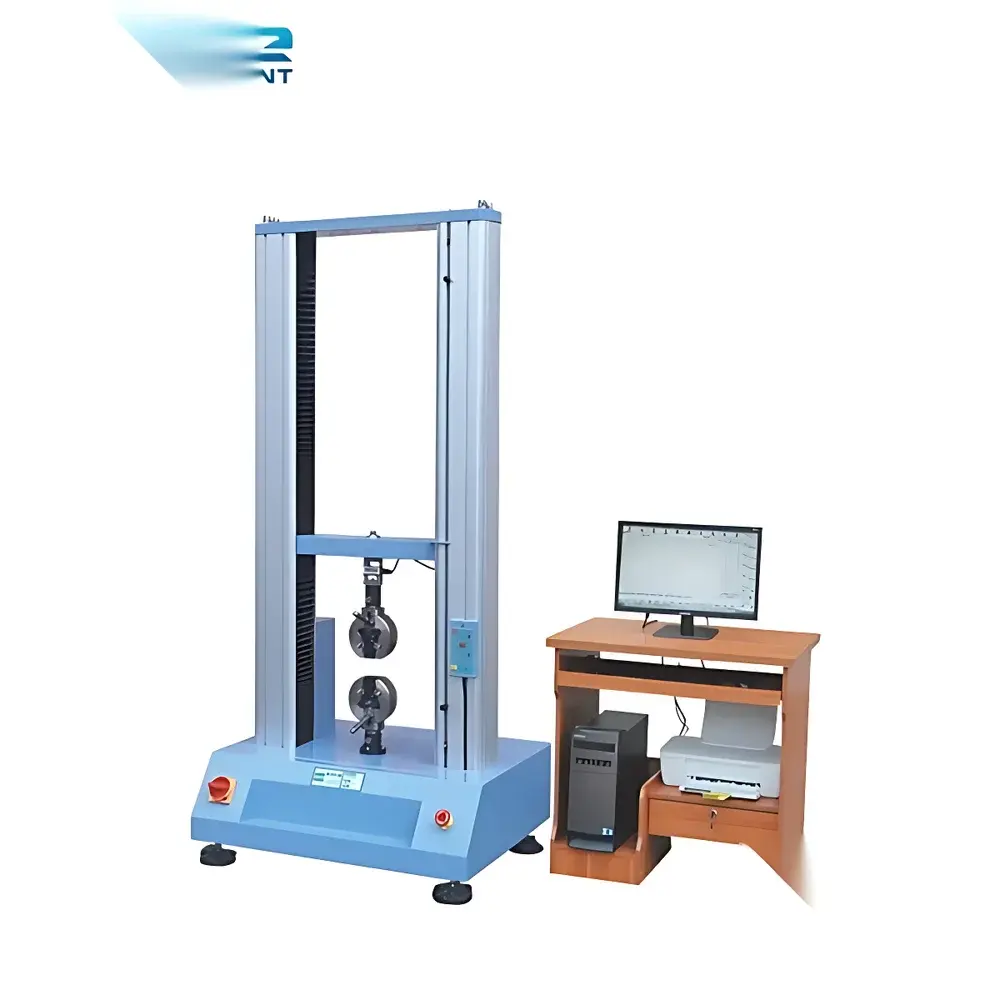
Universal Tensile Testing Machine for Stainless Steel and Advanced Materials
| Brand | OEM / Private Label |
|---|---|
| Origin | Imported |
| Supplier Type | Authorized Distributor |
| Price | USD 3,200 (FOB) |
| Compliance | GB/T 16491, GB/T 1040, GB/T 2790–2792, GB/T 3923.1, ISO 527, ISO 179, ASTM D638, ASTM D790, ASTM D1445, ASTM D3330 |
Overview
The Universal Tensile Testing Machine for Stainless Steel and Advanced Materials is a microprocessor-controlled electromechanical testing system engineered for precision mechanical property characterization under uniaxial loading conditions. Based on the principle of controlled displacement-driven force measurement, it applies calibrated tensile, compressive, flexural, peel, shear, and tear loads to specimens while continuously acquiring load–displacement data at high temporal resolution. Designed in accordance with ISO 7500-1 Class 1 accuracy requirements and aligned with GB/T 16491 (Chinese equivalent of ISO 7500-1), this machine delivers traceable force measurement with full-scale repeatability of ±0.03% F.S. Its modular architecture supports standardized test protocols across metallic alloys—including austenitic, duplex, and precipitation-hardened stainless steels—as well as polymers, composites, elastomers, textiles, thin films, and biomedical wires. The system is suitable for R&D laboratories, QC/QA departments in manufacturing facilities, and third-party certification bodies requiring audit-ready mechanical testing workflows.
Key Features
- Panasonic AC servo motor drive system coupled with a 2500-pulse/rev optical encoder for precise speed control (0.001–500 mm/min range) and minimal velocity ripple
- High-precision preloaded ball screw transmission and linear motion guide rails ensuring smooth, low-noise operation and long-term geometric stability
- Explosion-proof, temperature-compensated load cell with automatic zero-drift correction, 150% transient overload capacity, and integrated thermal drift compensation
- Dual-limit mechanical travel protection plus programmable software-based overload cutoff to safeguard both sensor integrity and operator safety
- Real-time data acquisition at 100 kHz sampling rate; force resolution up to 1/100,000 of full scale; synchronized stress–strain curve generation with auto-peak detection
- Automated test termination upon specimen rupture (break detection via real-time slope analysis), with configurable pause/resume logic for multi-stage tests
Sample Compatibility & Compliance
This tester accommodates specimens ranging from sub-millimeter-diameter metal wires and fiber filaments to flat coupons up to 100 mm wide and 300 mm gauge length. Standardized grips include wedge-action pneumatic clamps for metals, serrated roller grips for composites, and peel-specific fixtures for adhesion testing (90° and 180° peel per GB/T 2790–2792). The system fully supports international material testing standards including ASTM D638 (tensile properties of plastics), ASTM D790 (flexural properties), ISO 527 (plastics tensile testing), ISO 179 (impact bending), and GB/T 1040 series (general tensile methods). All firmware and calibration routines are compatible with GLP/GMP documentation requirements, supporting 21 CFR Part 11-compliant electronic signatures when integrated with validated LIMS or ELN platforms.
Software & Data Management
The embedded Windows-based control software provides ISO 17025-aligned test method templates, customizable parameter sets, and automated report generation compliant with ISO/IEC 17025 Annex A.5. Test data are stored in encrypted binary format with embedded metadata (operator ID, timestamp, environmental conditions, calibration certificate ID). Export options include CSV, PDF, XML, and Excel-compatible XLSX—each retaining full traceability of raw acquisition points and post-processed parameters (e.g., yield strength Rp0.2, ultimate tensile strength Rm, elongation at break A50mm, modulus E, peel adhesion energy). Audit trails log all user actions, parameter modifications, and calibration events with immutable timestamps. Optional API integration enables direct data push to enterprise MES or SAP QM modules.
Applications
- Mechanical qualification of cold-worked and annealed stainless steel grades (e.g., SUS304, SUS316L, 17-4PH) per ASTM A370 and GB/T 228.1
- Tensile behavior analysis of polymer matrix composites used in aerospace structural components
- Peel strength validation of medical device laminates (ISO 10993-12) and packaging seal integrity (ASTM F88)
- Compression testing of porous biomaterial scaffolds and hydrogel formulations
- Creep and relaxation profiling of thermoplastic elastomers under sustained load (per ISO 899)
- Quality conformance verification of automotive safety belts, seatbelt webbing, and airbag tether cords (FMVSS 209, GB 14166)
FAQ
What is the maximum force capacity of this machine?
Standard configurations support 5 kN, 10 kN, 20 kN, and 50 kN load frames; custom high-capacity variants up to 300 kN are available upon request.
Does the system support automatic calibration verification?
Yes—integrated self-diagnostic routines verify load cell linearity, crosshead alignment, and encoder feedback prior to each test sequence.
Can test methods be password-protected and version-controlled?
Absolutely. The software supports role-based access control (RBAC), method locking, revision history tracking, and digital signature enforcement.
Is third-party calibration certification included?
Each unit ships with an accredited NIST-traceable calibration certificate issued by a CNAS-accredited laboratory, valid for 12 months.
How is environmental data (temperature/humidity) integrated into test records?
Optional external sensors interface via RS-485 or USB, with ambient conditions automatically appended to metadata and exported reports.



