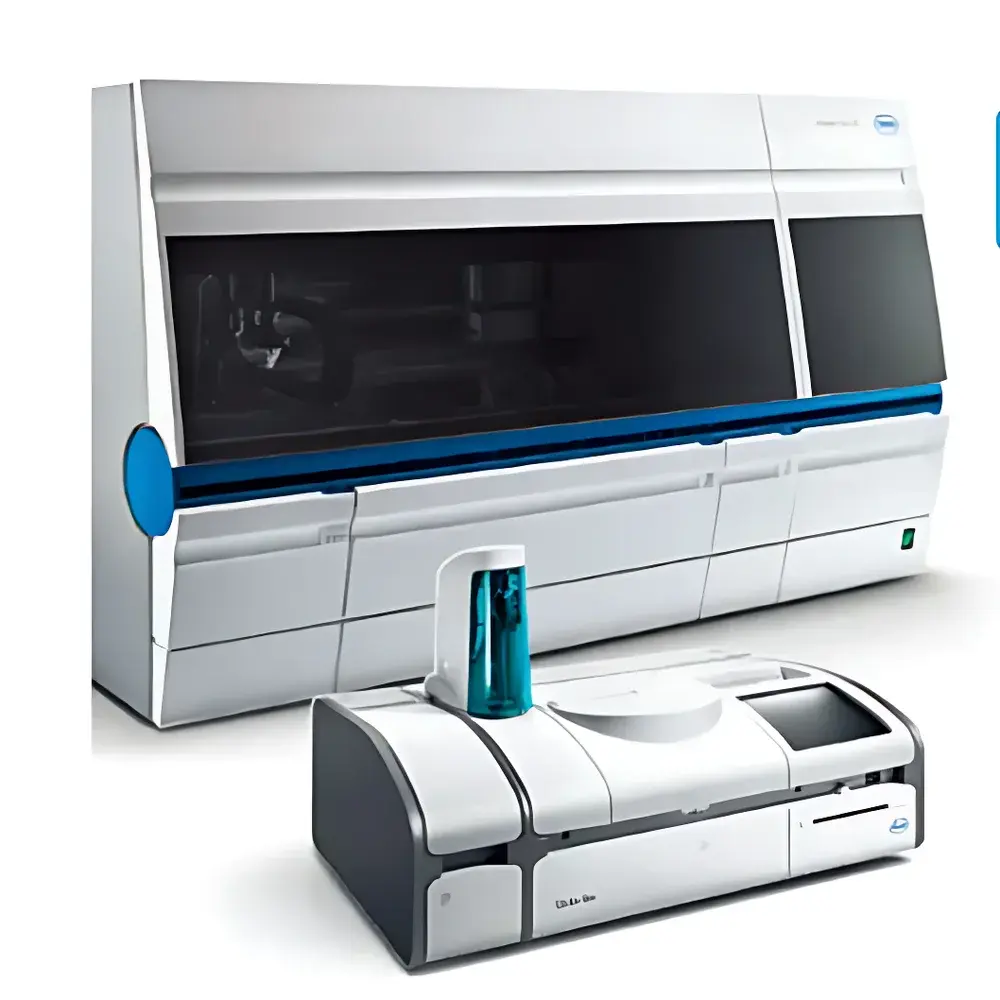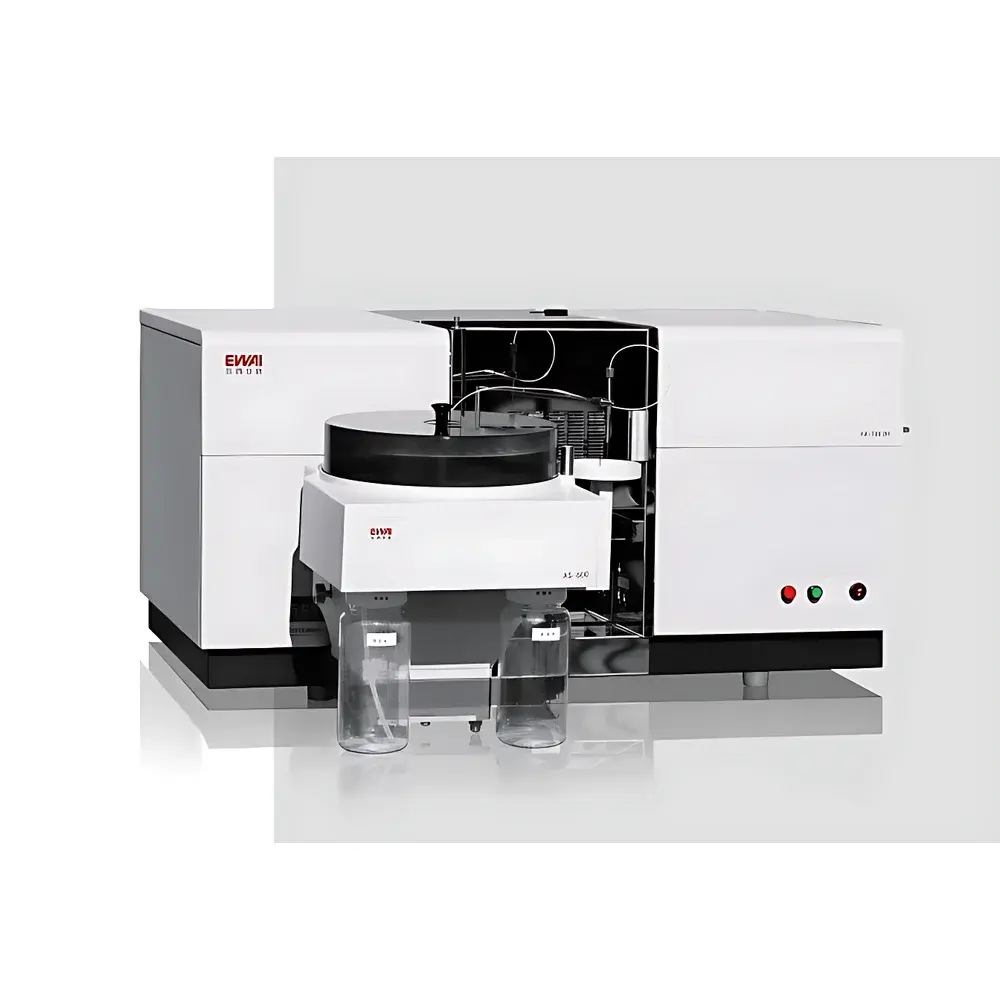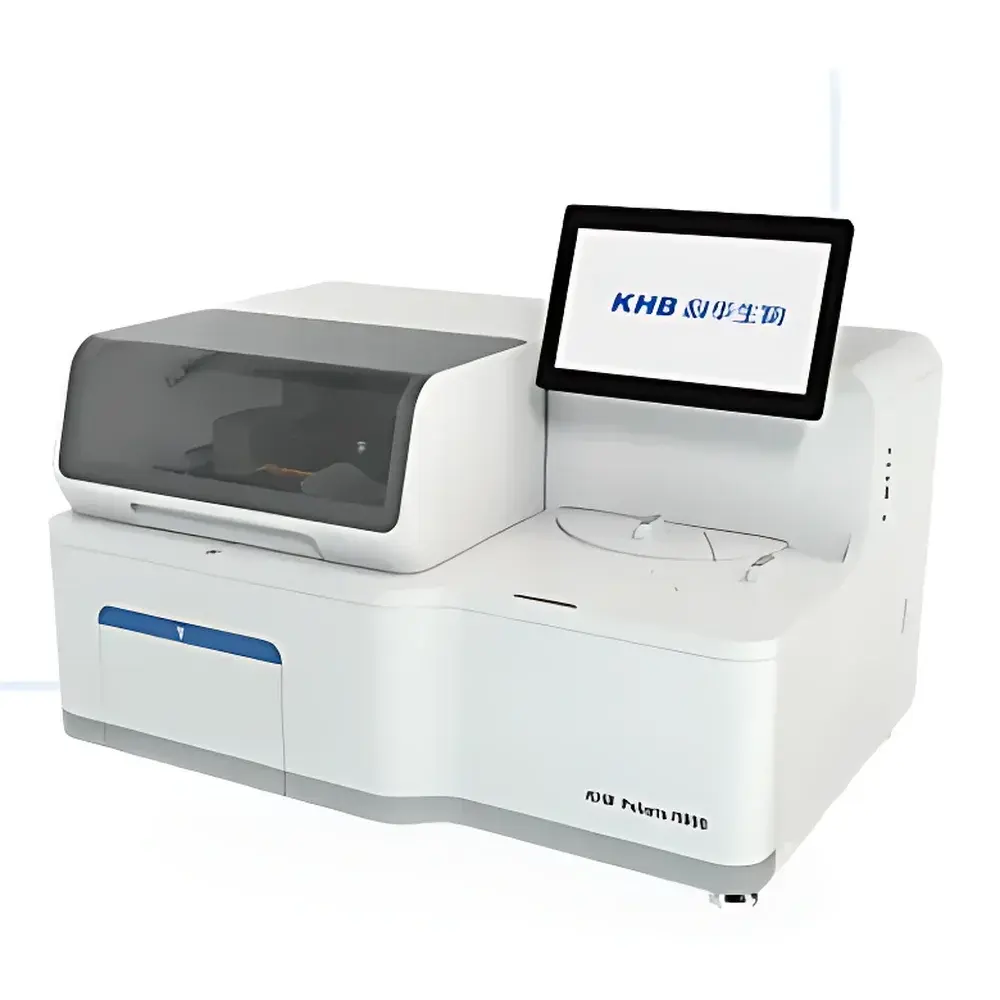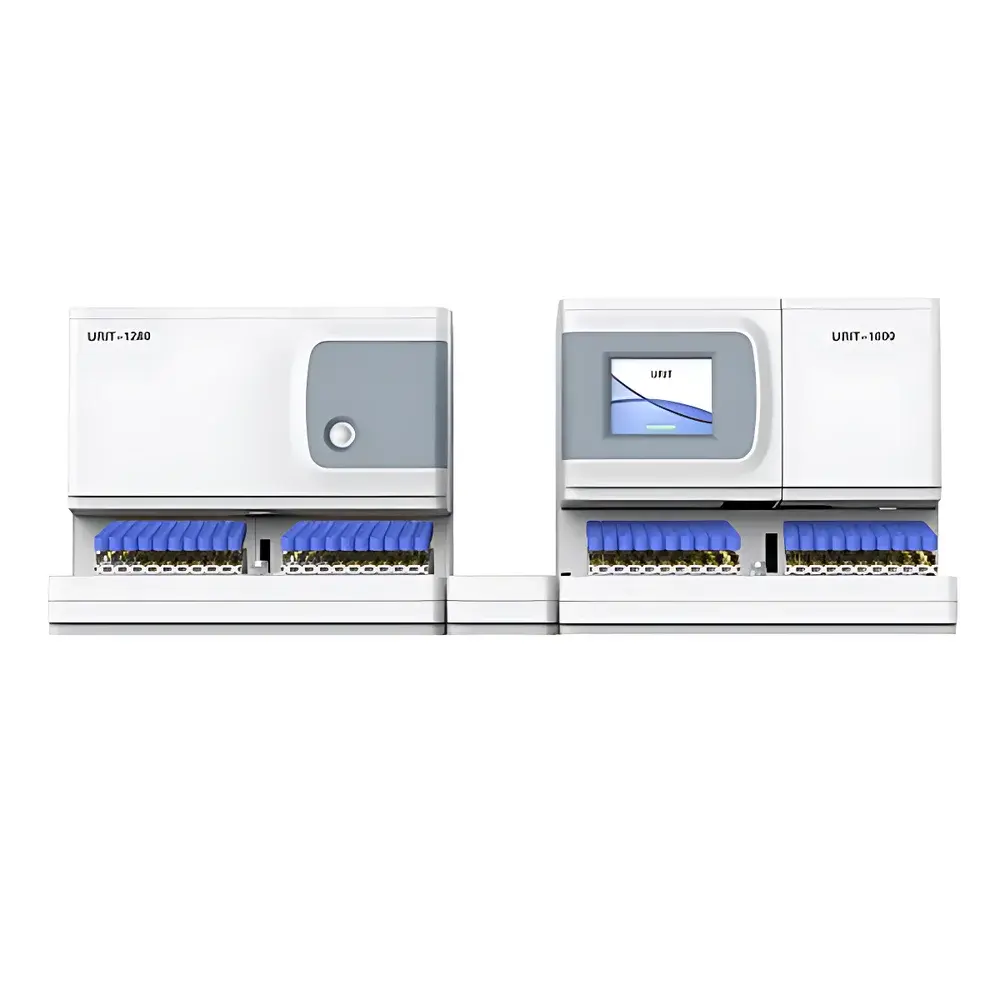
URIT-1280 + URIT-1600 Fully Automated Urine Analysis Workflow System
| Brand | URIT |
|---|---|
| Origin | Guangxi, China |
| Manufacturer Type | Original Equipment Manufacturer (OEM) |
| Country of Origin | China |
| Model | URIT-1280 + URIT-1600 |
| Pricing | Upon Request |
Overview
The URIT-1280 + URIT-1600 Fully Automated Urine Analysis Workflow System integrates dry chemistry and formed element analysis into a single, high-throughput clinical laboratory platform. Engineered for precision and reproducibility in routine urinalysis, the system employs dual-modality detection: CIS (Contact Image Sensor)-based reflectance photometry for dry chemistry strip analysis and digital microscopy with dual-camera acquisition for morphological identification of urinary sediments. This architecture aligns with international consensus on standardized urine testing workflows—particularly those outlined in CLSI GP16-A3 and ISO 15189:2022 requirements for pre-analytical standardization, analytical validation, and post-analytical reporting integrity. Designed for mid-to-high volume laboratories, the system supports continuous batch processing with minimal manual intervention, reducing operator exposure to biohazardous specimens while maintaining traceability across all analytical steps.
Key Features
- Fully automated end-to-end workflow: specimen loading, centrifugation (integrated or external), aliquoting, strip dipping, image capture, microscopic imaging, and result compilation without manual transfer.
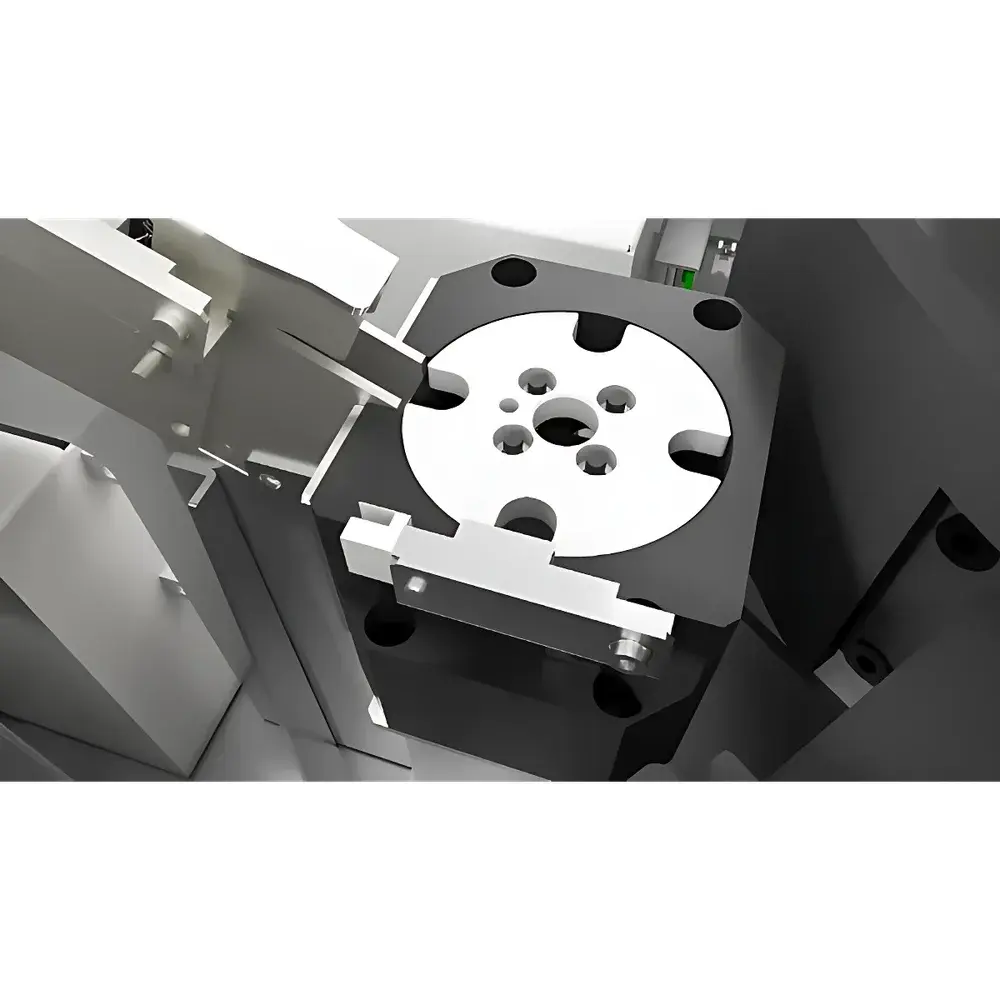
- CIS-based dry chemistry module (URIT-1280): captures high-resolution grayscale images of reacted dipsticks at defined time points; enables retrospective visual verification and algorithmic reanalysis of colorimetric responses.
- Formed element analysis module (URIT-1600): dual-optical-path digital microscopy system with simultaneous brightfield and phase contrast imaging; supports multi-dimensional texture, shape, and intensity feature extraction from sediment particles.
- ACR (Albumin-to-Creatinine Ratio) calculation integrated into dry chemistry results, supporting early detection of microalbuminuria per KDIGO 2021 clinical practice guidelines.
- RBC phase contrast imaging capability: distinguishes dysmorphic RBCs (indicative of glomerular bleeding) from isomorphic forms (suggestive of urological origin), fulfilling recommendations in the EAU Guidelines on Urological Infections and the IFCC Working Group on Urinalysis.
- Embedded quality control engine: supports both internal QC (Levey-Jennings charting, Westgard rules) and external EQA participation via standardized data export formats (e.g., ASTM E1394, HL7 v2.5.1).
Sample Compatibility & Compliance
The system accepts standard 12–15 mL urine collection tubes with barcode-labeled caps, compatible with common polypropylene and PET materials. It accommodates fresh, refrigerated, and centrifuged specimens meeting CLSI GP16-A3 specifications for specimen stability (≤2 hours at room temperature or ≤8 hours refrigerated). All optical and fluidic components comply with IEC 61010-1:2010 safety standards for laboratory equipment. Software architecture adheres to FDA 21 CFR Part 11 requirements for electronic records and signatures—including audit trail logging, user authentication, and role-based access control. The system supports GLP/GMP-aligned documentation practices through configurable report templates compliant with ISO/IEC 17025:2017 clause 7.8.2.
Software & Data Management
The proprietary URIT-UAS software suite provides centralized instrument control, real-time status monitoring, and bidirectional LIS/HIS integration via ASTM E1394 and HL7 ADT/ORU messaging. Image archives are stored in DICOM-compliant format with embedded metadata (patient ID, timestamp, assay parameters, operator ID). Analytical algorithms—including SVM (Support Vector Machine)-based particle classification—are validated per ISO 13485:2016 Annex C and documented in the system’s Design History File (DHF). Raw image datasets and processed feature vectors are exportable for secondary review or AI model training under institutional IRB-approved protocols. Audit trails record every user action—including result edits, QC overrides, and calibration events—with immutable timestamps and digital signatures.
Applications
- Primary screening for chronic kidney disease (CKD) using ACR and microscopic hematuria evaluation.
- Differential diagnosis of nephritic vs. nephrotic syndromes via RBC morphology and cast classification (hyaline, granular, waxy, cellular).
- Monitoring treatment response in patients with lupus nephritis, IgA nephropathy, or diabetic nephropathy.
- Urinary tract infection (UTI) workup: WBC quantification, bacterial morphology assessment, and yeast/crystal differentiation.
- Pre-employment and occupational health screening programs requiring standardized, auditable urinalysis reports.
- Research applications involving longitudinal sediment pattern analysis and biomarker correlation studies.
FAQ
Does the system support integration with existing LIS/HIS platforms?
Yes—via ASTM E1394 and HL7 v2.5.1 interfaces, with configuration support for common middleware environments.
What is the minimum sample volume required for full analysis?
12 mL of uncentrifuged urine is recommended; centrifuged samples ≥5 mL are acceptable if sediment resuspension is performed manually prior to loading.
How is image quality maintained across long-term operation?
Optical modules undergo automatic daily self-calibration using embedded reference targets; lens cleaning cycles are triggered based on usage metrics and environmental particulate sensors.
Can the SVM classification model be updated or retrained?
Model updates require formal software version release by URIT; custom retraining is not supported in-field but may be commissioned as part of a regulated service agreement under ISO 13485 design transfer provisions.
Is the system certified for use in CAP-accredited laboratories?
Yes—the URIT-1280+1600 system has been validated for CAP checklist compliance (URIN.30370, URIN.30450) and supports all required documentation for inspection readiness.