
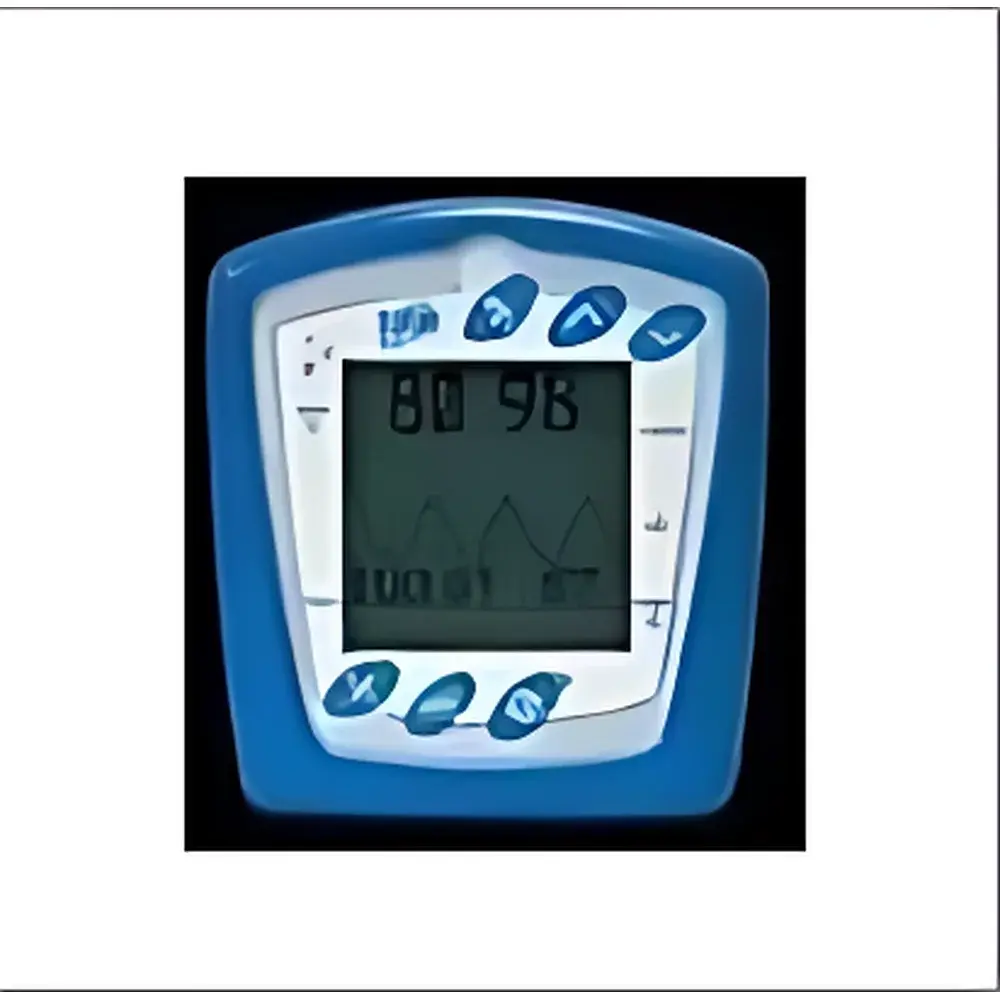
V3395 Animal Patient Monitor
| Origin | USA |
|---|---|
| Manufacturer Type | Authorized Distributor |
| Origin Category | Imported |
| Model | V3395 |
| Pricing | Upon Request |
Overview
The V3395 Animal Patient Monitor is a clinical-grade, multi-parameter physiological monitoring system engineered for rigorous use in preclinical research, veterinary clinical settings, and regulated animal experimentation. Designed to meet the demanding requirements of GLP-compliant studies and AAALAC-accredited facilities, the V3395 continuously acquires, processes, and displays core vital signs from conscious or anesthetized small to medium-sized laboratory animals—including rodents, rabbits, dogs, and non-human primates. Its measurement architecture integrates pulse oximetry (SpO₂), photoplethysmographic heart rate (HR), impedance-based respiration (RESP), and digital thermometry via calibrated thermistor or thermocouple inputs. All parameters are sampled at ≥100 Hz with real-time digital filtering, ensuring high temporal fidelity and low-latency waveform visualization—critical for detecting transient events during pharmacological challenge, surgical intervention, or recovery monitoring.
Key Features
- Dual-mode display: High-contrast 7-inch TFT LCD with simultaneous numeric readouts and time-synchronized waveform tracings (plethysmogram, respiratory impedance waveform, temperature trend curve)
- Configurable audible and visual alarms: Independent upper/lower thresholds for SpO₂, HR, RESP, and temperature; alarm priority levels and mute duration programmable per parameter
- Real-time data streaming: RS-232 and USB 2.0 interfaces support continuous transmission to host PCs running Windows-based acquisition software; compatible with LabChart, AcqKnowledge, and custom MATLAB/Python DAQ environments
- Modular sensor ecosystem: Supports FDA-cleared veterinary SpO₂ probes (e.g., MAX30102-based clip-on and adhesive sensors), reusable respiration belts with differential amplification, and NIST-traceable temperature probes (±0.1°C accuracy over 0–50°C range)
- Robust architecture: IP22-rated enclosure, medical-grade isolation (IEC 60601-1 Class I, BF-type applied part), and battery-backed operation (up to 4 hours) for mobile or intraoperative use
Sample Compatibility & Compliance
The V3395 is validated for use across species-specific physiological ranges: heart rate (15–300 bpm), SpO₂ (20–100%), respiratory rate (5–200 breaths/min), and temperature (10–45°C). It complies with ISO 13485:2016 quality management standards and conforms to essential requirements of the EU Medical Device Regulation (MDR 2017/745) for Class IIa devices used in animal health applications. All firmware and calibration routines adhere to ALCOA+ principles (Attributable, Legible, Contemporaneous, Original, Accurate, Complete, Consistent, Enduring, Available) to support audit readiness under FDA GLP (21 CFR Part 58) and OECD Principles of Good Laboratory Practice. Device configuration logs, alarm event timestamps, and sensor calibration histories are automatically recorded with electronic signatures where enabled.
Software & Data Management
The V3395 operates with embedded firmware v3.2.1 and pairs with the optional V-Monitor Suite—a validated Windows application supporting waveform export in EDF+, CSV, and HDF5 formats. The suite includes built-in tools for spectral analysis of respiratory variability, beat-to-beat HRV calculation (RMSSD, SDNN, pNN50), and automated artifact rejection using adaptive thresholding. Audit trails record all user actions—including parameter adjustments, alarm acknowledgments, and file exports—with immutable timestamps and operator IDs. When deployed in regulated environments, the system supports 21 CFR Part 11-compliant electronic signatures and role-based access control (admin, technician, investigator tiers) with password complexity enforcement and session timeout policies.
Applications
- Longitudinal cardiovascular phenotyping in transgenic mouse models
- Intraoperative monitoring during rodent stereotaxic surgery or canine orthopedic procedures
- Toxicology studies requiring continuous SpO₂ and HR tracking post-dose administration
- Respiratory challenge models (e.g., hypoxia, CO₂ rebreathing) with synchronized waveform capture
- Thermal regulation experiments involving ambient temperature modulation or drug-induced hyperthermia
- Validation of novel implantable telemetry systems against wired reference measurements
FAQ
Is the V3395 certified for use in FDA-regulated GLP studies?
Yes—the device is supplied with a full traceability package including factory calibration certificates, software validation summary (IQ/OQ documentation available upon request), and compliance statements aligned with 21 CFR Part 58.
Can the V3395 interface with existing institutional data archiving systems?
Yes—via its open TCP/IP API and HL7-compatible metadata tagging, it integrates with enterprise research data management platforms such as LabVantage and Oracle Clinical One.
What is the recommended recalibration interval for temperature probes?
NIST-traceable thermistors should be verified quarterly using a dry-well calibrator; full recalibration is advised annually or after mechanical shock or exposure beyond rated environmental limits.
Does the system support wireless data transmission?
No—wireless functionality is intentionally omitted to ensure electromagnetic compatibility (EMC) integrity in MRI-adjacent or electrophysiology suites; all communication is conducted via shielded wired interfaces.
Are replacement sensors and consumables available through authorized channels?
Yes—all probes and cables are manufactured under ISO 13485 and distributed exclusively through certified veterinary and preclinical instrumentation partners with documented chain-of-custody records.





