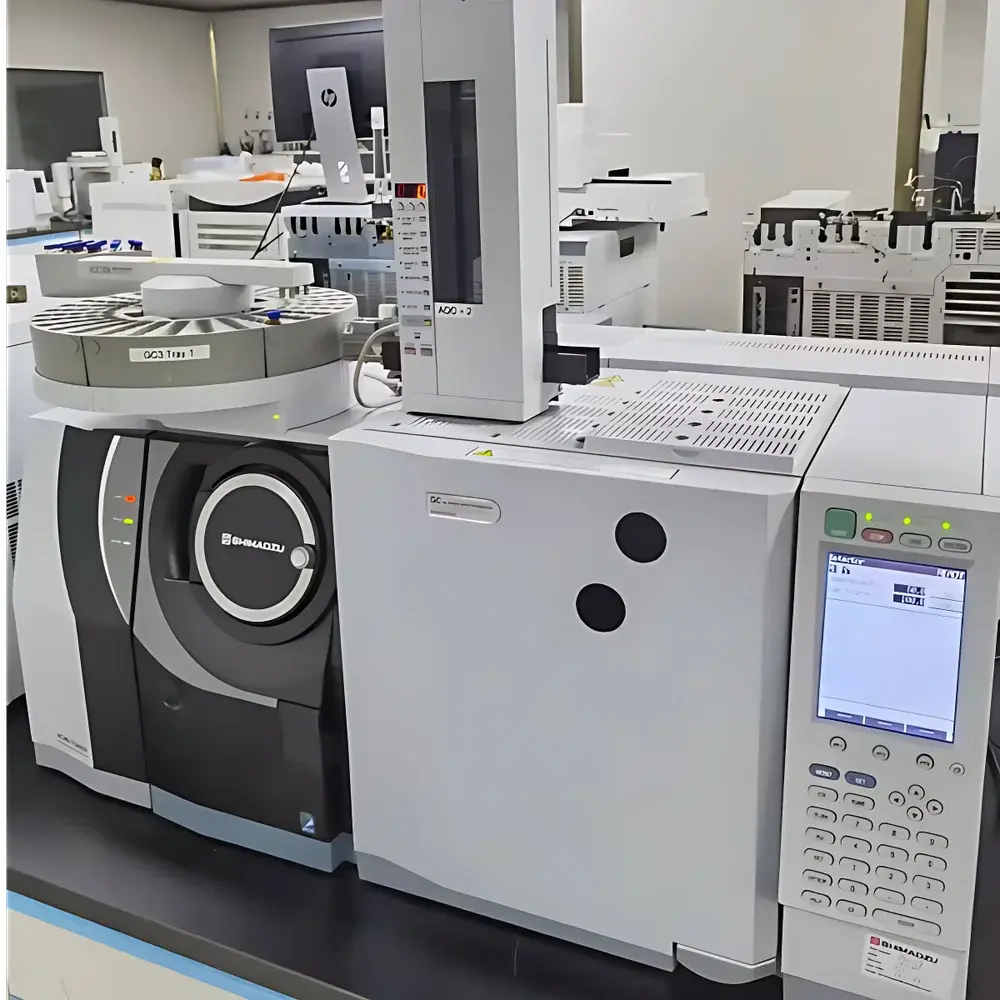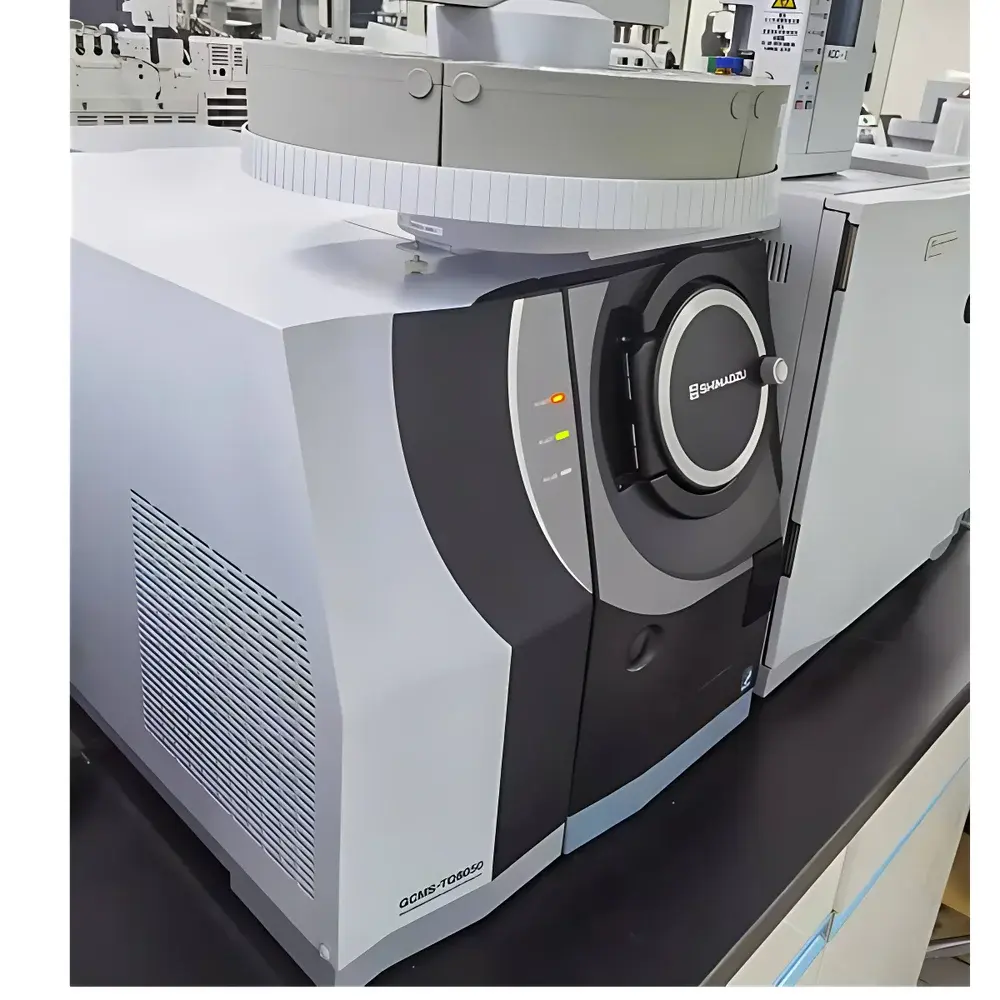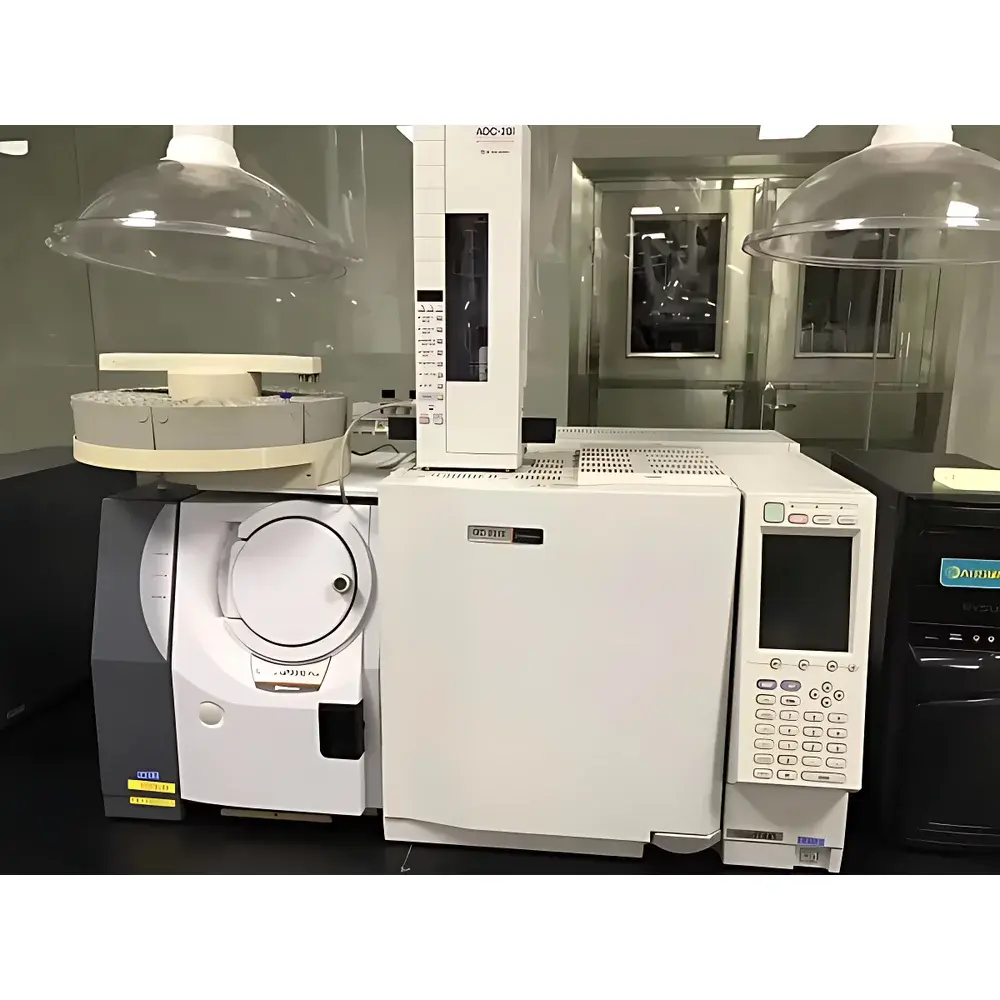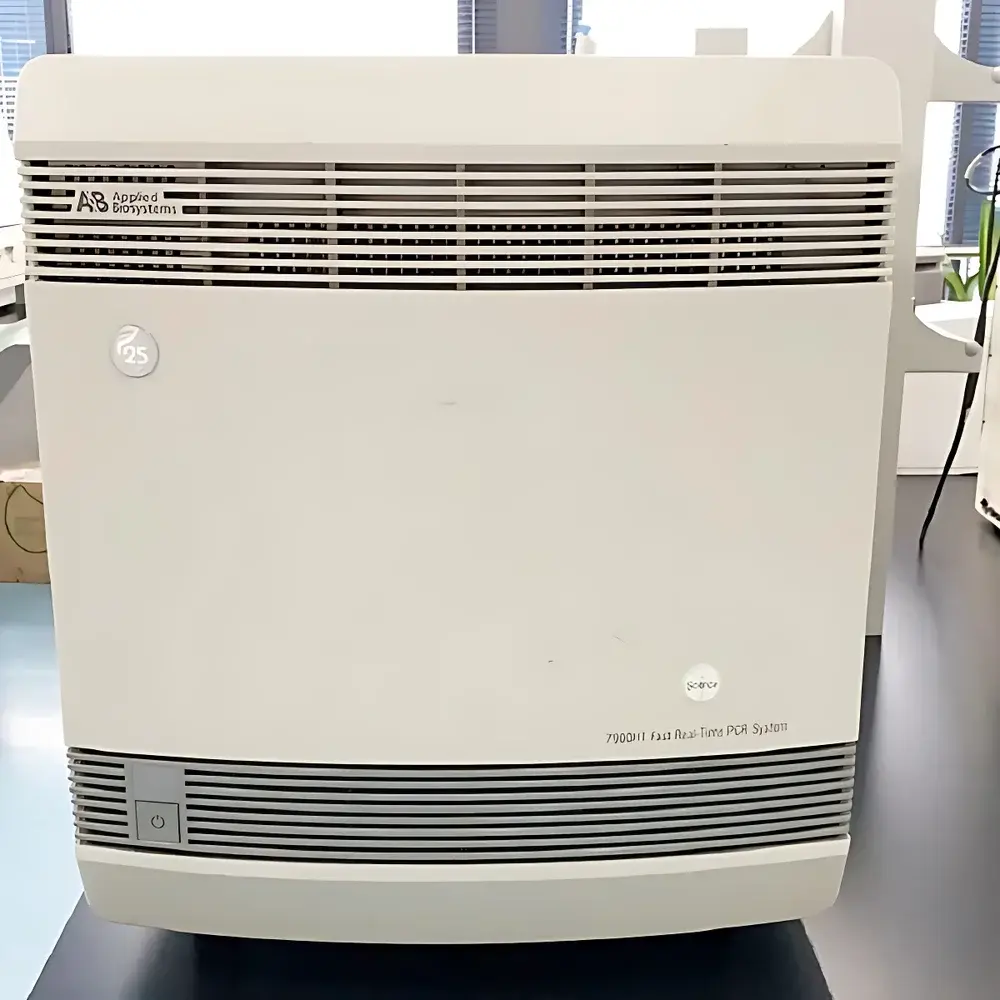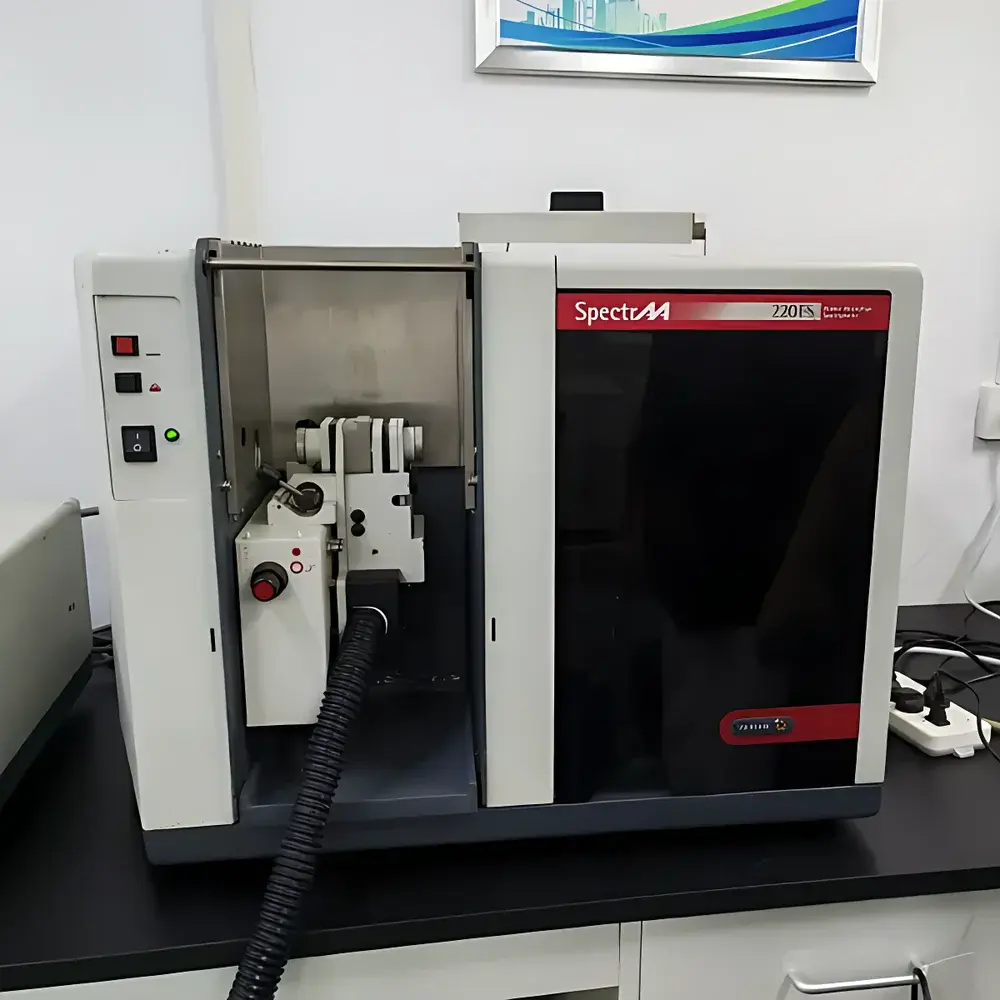
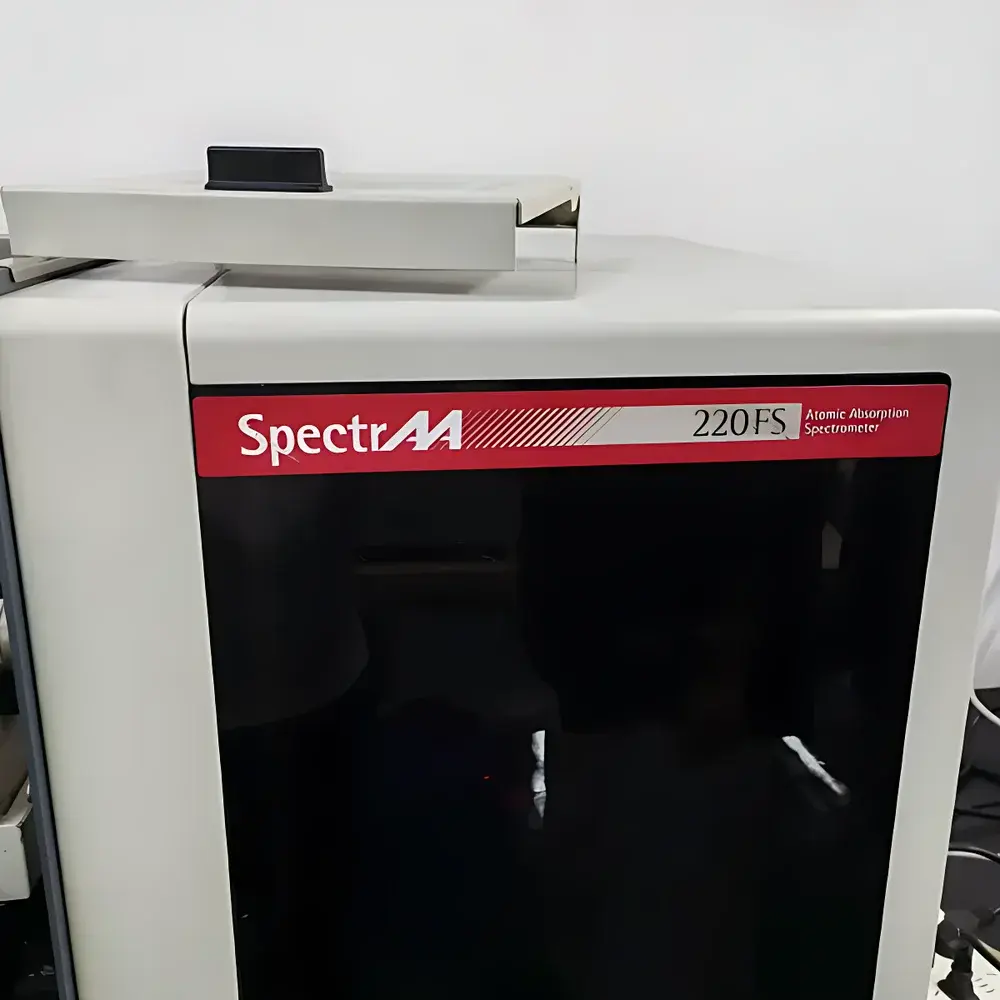
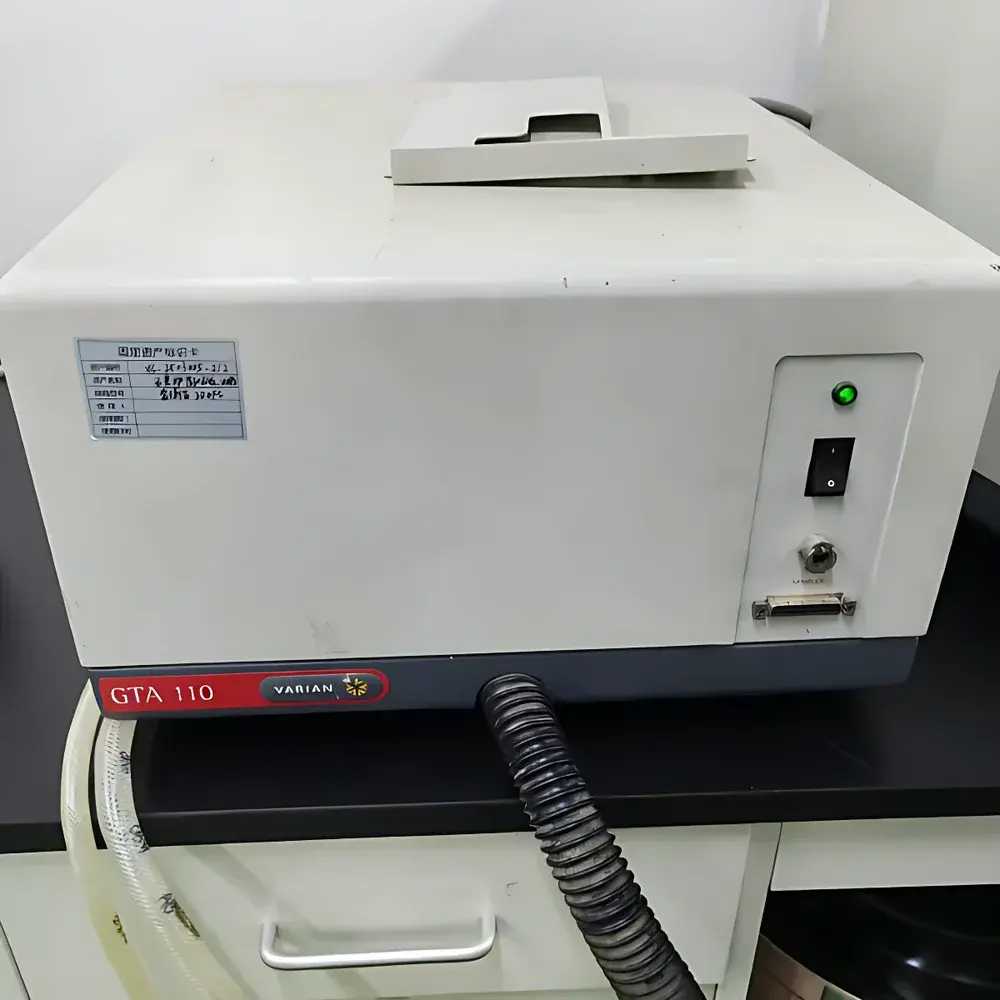
Varian SpectrAA-220 Atomic Absorption Spectrometer (Refurbished, with Commissioning & Operator Training)
| Brand | Varian |
|---|---|
| Origin | USA |
| Model | SpectrAA-220 |
| Detection Principle | Flame and Graphite Furnace Atomic Absorption Spectroscopy |
| Wavelength Range | 185–900 nm |
| Graphite Furnace Detection Limit (Cd) | ≤0.37 pg |
| Flame Detection Limit (Cu) | ≤0.0057 mg/mL |
| Precision (Graphite Furnace, Cd) | RSD <2% |
| Precision (Flame, Cu) | RSD <0.3% |
| Atomization System | Transversely Heated Graphite Tube (LTT-HP/LTT-HGO compatible) |
| Sample Introduction | Manual or SPS-5 Autosampler / SIPS-10 Dilution Module (optional) |
| Light Source | Multi-element Hollow Cathode Lamps |
| Dimensions (est.) | 800 × 500 × 450 mm (L×W×H) |
| Weight (est.) | 70–90 kg |
| Compliance | ASTM E1376, ISO 8288, USP <730>, GLP-ready data handling |
Overview
The Varian SpectrAA-220 Atomic Absorption Spectrometer is a dual-mode benchtop instrument engineered for high-sensitivity elemental quantification in environmental, clinical, pharmaceutical, and industrial laboratories. It implements conventional flame atomic absorption spectroscopy (FAAS) and electrothermal atomization via a transversely heated graphite furnace (THGA), enabling trace-level analysis across a broad wavelength range (185–900 nm). Its modular architecture supports both manual operation and automated workflows when integrated with the SPS-5 autosampler and SIPS-10 sample dilution module. Designed and manufactured in the United States by Varian, Inc. (now part of Agilent Technologies), the SpectrAA-220 adheres to foundational instrumental design principles that prioritize optical stability, thermal uniformity during atomization, and robust background correction using deuterium arc or Zeeman methods—depending on configuration. This refurbished unit undergoes full functional validation, including wavelength calibration verification, photometric linearity assessment, and furnace temperature profile mapping, prior to delivery.
Key Features
- Dual-atomization capability: Seamless switching between air-acetylene flame mode and transversely heated graphite furnace (THGA) mode without hardware reconfiguration
- High-stability optical system: Czerny-Turner monochromator with 1200 lines/mm grating and thermally stabilized detector assembly
- Transverse heating geometry: Ensures uniform temperature distribution across the LTT-HP or LTT-HGO platform graphite tubes, minimizing matrix interference and improving reproducibility (RSD <2% for Cd in GF mode)
- Multi-element hollow cathode lamp support: Manual or automatic lamp turret positioning with preset current/voltage profiles
- Integrated background correction: Deuterium arc background correction standard; Zeeman correction available on select configurations
- Real-time signal processing: Peak height and peak area integration with adjustable time windows, baseline correction algorithms, and drift compensation
- Refurbishment protocol: Includes replacement of critical wear components (graphite contacts, burner head, nebulizer capillary), full vacuum and gas-line integrity testing, and firmware update to latest stable release (v3.2.x)
Sample Compatibility & Compliance
The SpectrAA-220 accommodates aqueous solutions, digested biological tissues, acid-leached soil extracts, and filtered wastewater matrices. Flame mode is optimized for elements with moderate volatility (e.g., Ca, Mg, Fe, Zn, Cu), while THGA enables sub-picogram detection of refractory or volatile analytes (e.g., Pb, Cd, As, Se). Sample introduction options include direct aspiration, SPS-5 autosampler (up to 120 positions), and SIPS-10 programmable dilutor for linear dynamic range extension. The system meets essential regulatory requirements for routine QA/QC: it supports audit-trail-enabled method storage, user-access controls, and electronic signature logging per FDA 21 CFR Part 11 when operated with validated software extensions. Data output conforms to ASTM E1376 (standard test method for determination of metals in water by AAS) and ISO 8288 (determination of nickel, cobalt, cadmium, zinc and lead in water — flame AAS method). Instrument qualification documentation (IQ/OQ) templates are provided for GxP-aligned installations.
Software & Data Management
Control and data acquisition are managed through Varian’s SpectrAA software (v3.x), a Windows-based application offering method development wizards, multi-step calibration curve generation (linear, quadratic, weighted), and automated quality control checks (e.g., continuing calibration verification, bracketing standards). All spectral acquisitions are timestamped and stored with full metadata: lamp identity, slit width, integration time, furnace temperature ramp parameters, and gas flow settings. Raw absorbance vs. time traces are exportable in ASCII or CSV format; processed results support PDF report generation with customizable headers, footers, and institutional logos. Software logs retain operator ID, method name, sample ID, and analysis date—enabling full traceability under GLP or ISO/IEC 17025 frameworks. No cloud connectivity or remote access functionality is included; all data reside locally on the host PC.
Applications
The SpectrAA-220 is routinely deployed in municipal water testing labs for compliance monitoring of EPA Method 200.7 (metals in drinking water), in pharmaceutical QC for residual catalyst metal screening (e.g., Pd, Pt, Ni in API intermediates), and in academic research for bioaccumulation studies requiring Cd/Pb quantification in fish liver homogenates. Its THGA configuration is particularly suited for analyzing low-volume clinical specimens (e.g., whole blood Pb at <5 µg/dL) and environmental samples where matrix complexity demands high-resolution background correction. Flame mode delivers rapid throughput for high-concentration applications such as fertilizer nutrient profiling (K, Ca, Mg) or alloy composition verification (Fe/Mn/Cr in stainless steel digests).
FAQ
Is this unit fully refurbished and performance-verified?
Yes. Each SpectrAA-220 undergoes comprehensive recalibration, optical alignment verification, furnace temperature profiling, and detection limit validation against NIST-traceable standards prior to shipment.
Does the package include consumables and spare parts?
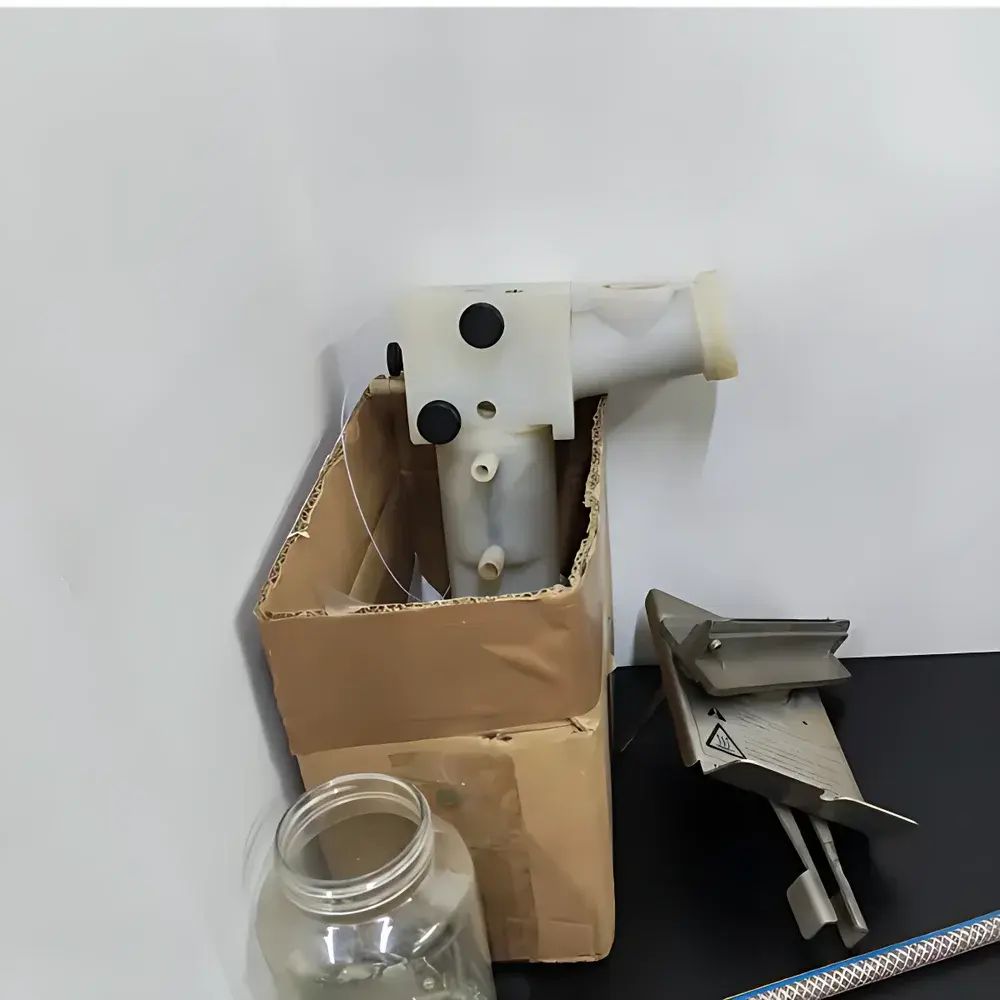
The system ships with one set of LTT-HP platform graphite tubes, a quartz cuvette for flame mode, and a complete toolkit. Additional consumables (e.g., hollow cathode lamps, nebulizers, graphite cones) are available separately.
What installation requirements must be met?
A vibration-isolated workbench rated for ≥100 kg, dedicated 230 V / 50 Hz power circuit with surge protection, compressed air (≥6 bar, oil-free), and laboratory-grade acetylene (≥99.8% purity) are mandatory. A minimum clearance of 50 cm around the instrument is required for service access.
Is training included, and what does it cover?
Yes. A two-day on-site training session covers safety protocols, daily startup/shutdown, method creation, calibration procedures, troubleshooting common error codes (e.g., “Furnace Overheat”, “Lamp Failure”), and basic maintenance tasks—including graphite tube replacement and burner head cleaning.
Can this instrument interface with modern LIMS systems?
Raw data export (CSV/ASCII) and structured report templates enable manual or scripted ingestion into most LIMS platforms. Direct ODBC or HL7 integration is not supported natively but can be implemented via third-party middleware.