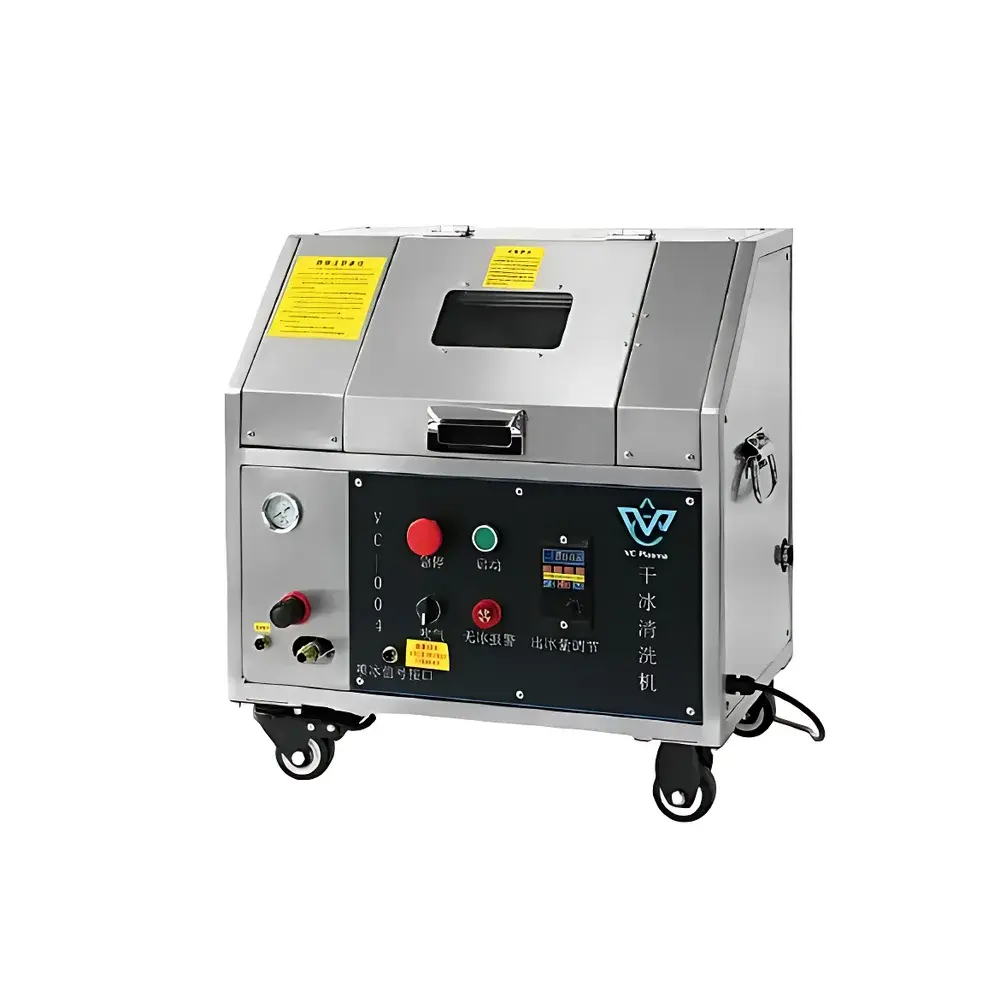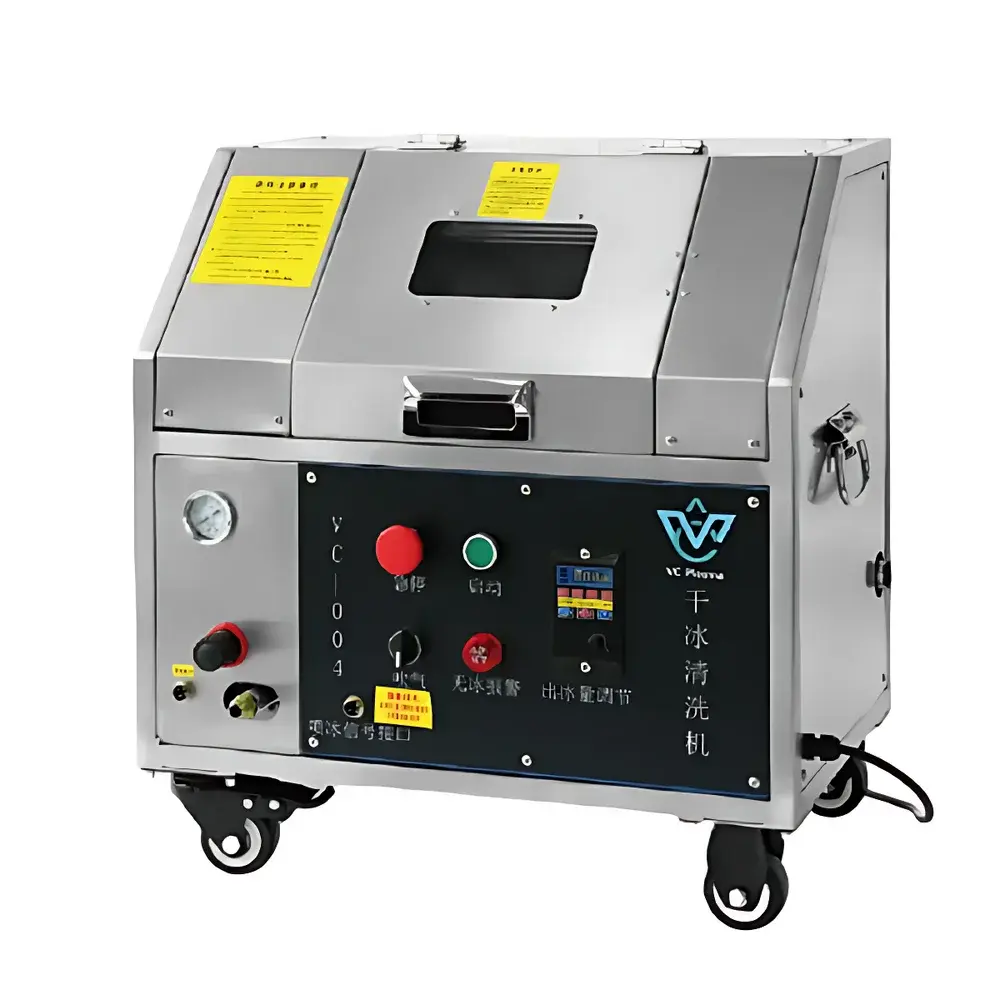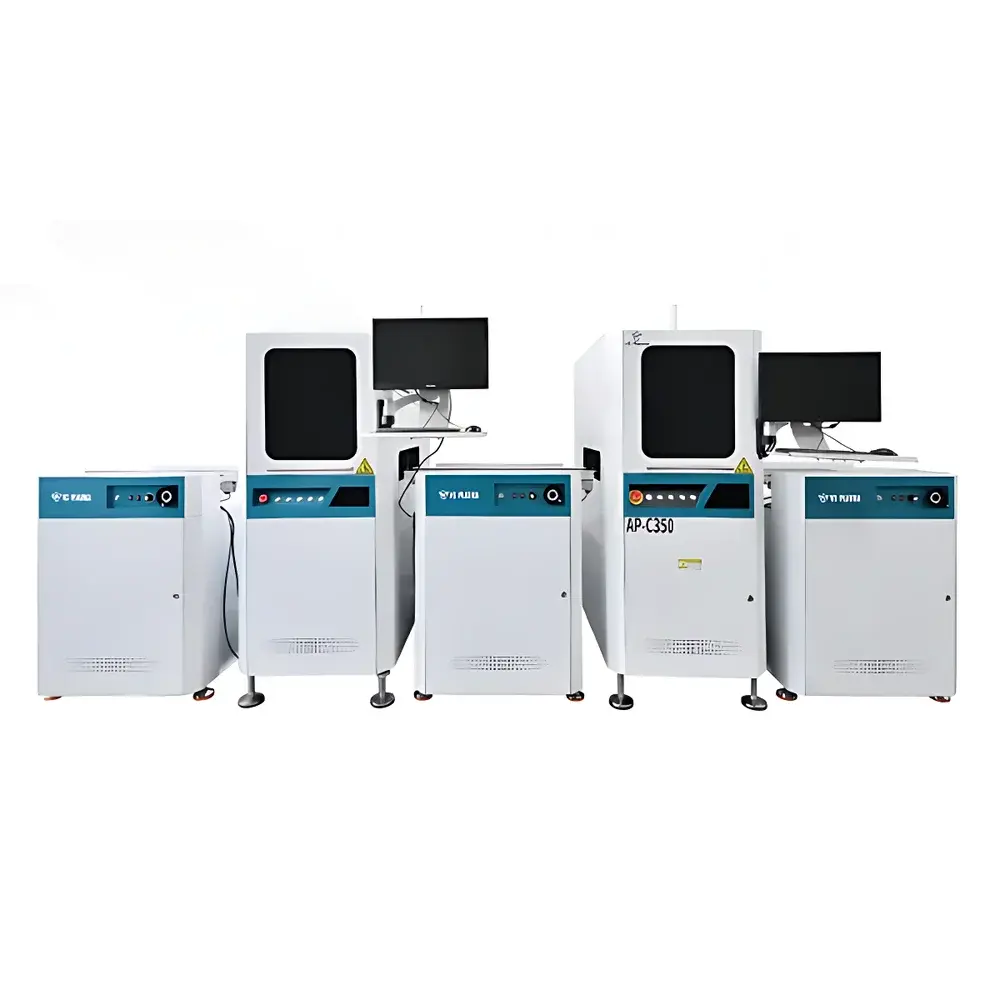
VC Plasma MicroClean Dry Cleaning System
| Brand | VC Plasma |
|---|---|
| Origin | Guangdong, China |
| Manufacturer Type | Authorized Distributor |
| Country of Origin | China |
| Model | MicroClean Series |
| Pricing | Available Upon Request |
Overview
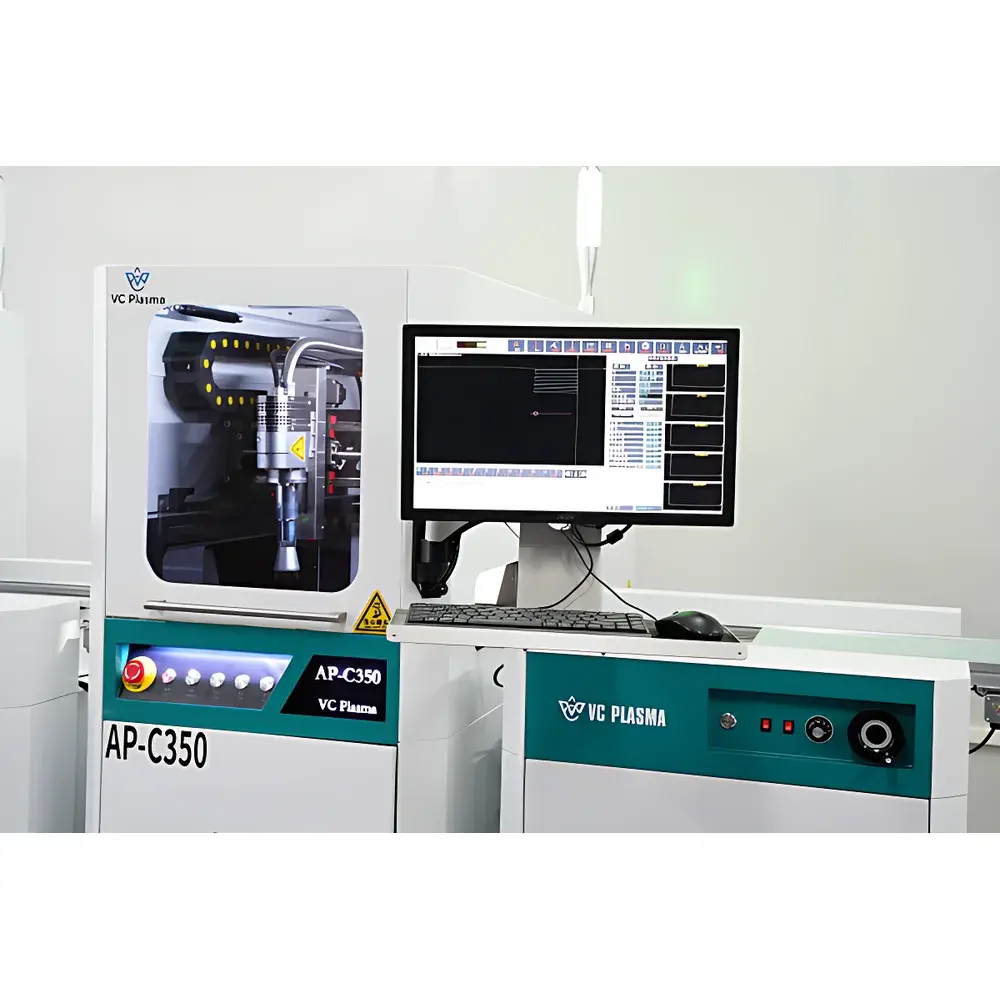
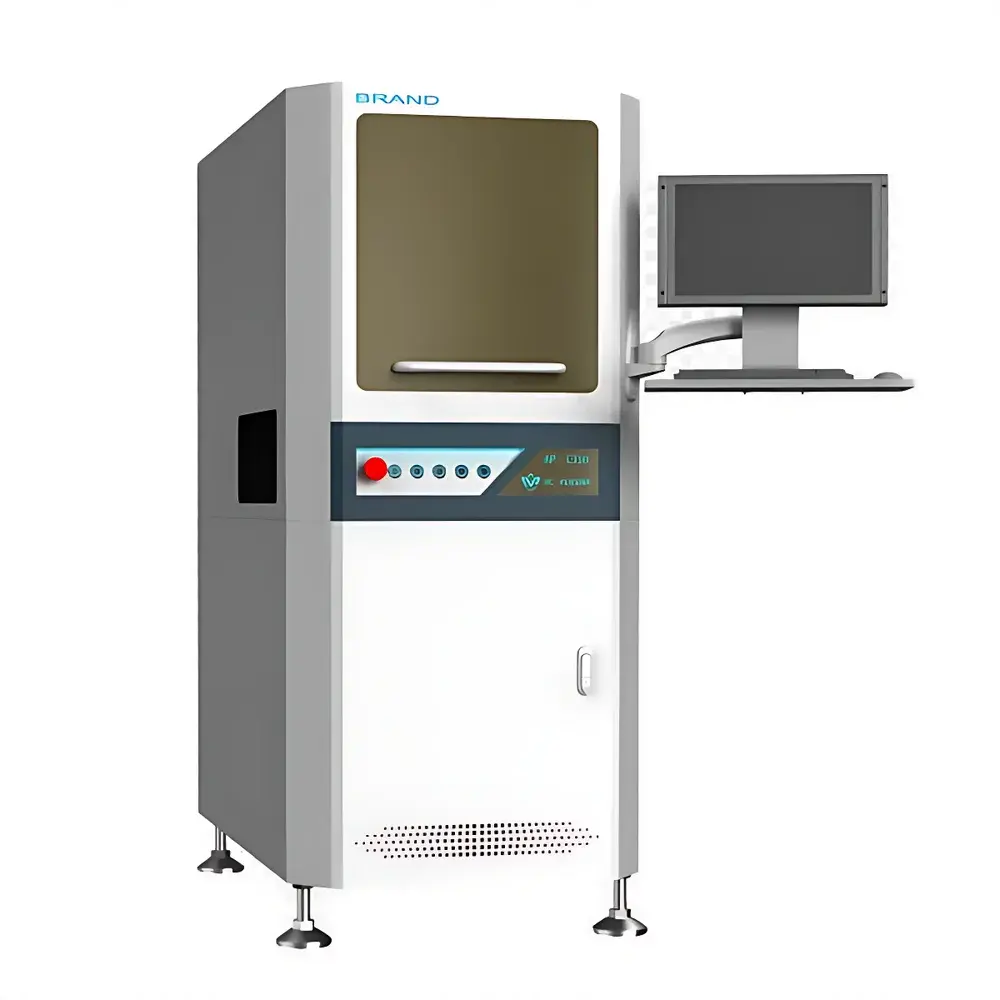
The VC Plasma MicroClean Dry Cleaning System is an integrated, modular dry process platform engineered for precision surface preparation in semiconductor front-end and back-end manufacturing, MEMS fabrication, and advanced packaging environments. It combines two complementary non-thermal, solvent-free cleaning modalities—cryogenic dry ice microblasting (CO₂ pellet impact cleaning) and low-pressure radiofrequency (RF) plasma surface treatment—within a single, programmable vacuum-integrated chamber architecture. Unlike wet chemical or abrasive mechanical methods, the MicroClean system operates without liquid residues, particle generation, or substrate erosion, making it compliant with ISO 14644-1 Class 5 cleanroom requirements when installed with appropriate exhaust filtration and nitrogen purging. Its core measurement and control principle relies on real-time monitoring of chamber pressure (1–100 Pa range), RF power delivery (100–500 W, 13.56 MHz), and CO₂ mass flow rate (0.5–5 kg/h), enabling repeatable, traceable process outcomes aligned with SEMI S2/S8 safety and environmental guidelines.
Key Features
- Modular dual-mode operation: Independently configurable or synchronized dry ice blasting and plasma treatment sequences via a unified PLC-based HMI
- Vacuum-compatible chamber (stainless steel 316L, ≤1×10⁻³ mbar base pressure) with quartz viewport and integrated RF electrode assembly
- Automated pellet feed system with adjustable nozzle geometry, blast angle (±30°), and standoff distance (25–100 mm)
- Plasma source: Capacitively coupled RF generator with impedance-matching network and forward/reflected power monitoring
- Process recipe management supporting up to 99 user-defined programs with timestamped execution logs and parameter versioning
- Integrated particle counter (0.3–5.0 µm detection range) and residual gas analyzer (RGA) port for in-situ verification of organic removal efficacy
Sample Compatibility & Compliance
The MicroClean system accommodates wafers up to 300 mm diameter, reticles, ceramic substrates, flex PCBs, and heterogeneous assemblies containing Al, Cu, SiO₂, SiNₓ, photoresist, and polyimide layers. It is validated for removal of hydrocarbon contamination (e.g., pump oil, fingerprint residues), photoresist scum, and native oxide thinning without altering critical dimensional tolerances (≤±0.5 nm RMS surface roughness change per IEC 61340-5-1). All operational software and hardware comply with CE machinery directive 2006/42/EC, EMC directive 2014/30/EU, and RoHS 2011/65/EU. Audit-ready electronic records support FDA 21 CFR Part 11 compliance when deployed with optional secure authentication and electronic signature modules.
Software & Data Management
The proprietary CleanControl™ software suite provides full remote supervision via Ethernet/IP or OPC UA interface. It enables real-time visualization of process parameters—including chamber pressure, RF VSWR, CO₂ flow stability, and plasma optical emission intensity at 391.4 nm (N₂⁺ band)—with automated alarm thresholds and email/SNMP notification triggers. All raw data are stored in SQLite-based local databases with daily encrypted backups; export formats include CSV, PDF reports, and ASTM E2709-compliant statistical summaries (Cp/Cpk, GR&R). Audit trails record operator ID, session start/stop time, recipe selection, and any parameter override—fully traceable for GLP/GMP internal audits.
Applications
- Pre-bonding surface activation of silicon wafers and glass substrates to enhance wafer-level bonding strength and void reduction
- Post-lithography residue removal prior to etch or deposition steps, eliminating aqueous rinse-induced pattern collapse
- Cleaning of probe cards, test sockets, and metrology fixtures to maintain contact resistance stability and measurement repeatability
- Surface functionalization of polymer-based MEMS packaging to improve adhesive wettability and underfill capillary flow
- Recovery of contaminated photomasks without compromising chrome layer integrity or CD uniformity
FAQ
What vacuum level is required for stable plasma ignition?
Stable plasma ignition is achieved at pressures between 5–20 Pa using argon or forming gas (N₂/H₂); base pressure must be ≤1×10⁻³ mbar prior to gas introduction.
Can the system process 200 mm and 300 mm wafers interchangeably?
Yes—the chuck design supports both sizes via programmable centering and edge-clamp actuation, with automatic adjustment of blast nozzle raster patterns.
Is dry ice residue a concern after CO₂ cleaning?
No—solid CO₂ sublimates completely at ambient temperature; no secondary drying step is needed, and residual moisture content remains below 10 ppm as verified by Karl Fischer titration.
How is process reproducibility validated across shifts?
Each run generates a unique digital signature file containing all sensor timestamps, setpoints, and deviations; inter-shift consistency is assessed via monthly MSA (Measurement Systems Analysis) per AIAG MSA-4 guidelines.
Does the system support integration into factory automation (FA) networks?
Yes—it complies with SECS/GEM protocol and includes SEMI E30 (GEM) and E40 (Equipment Communications Standard) drivers for seamless host communication.