Vehicle Tilt Alarm Sensor
| Brand | — |
|---|---|
| Origin | Beijing, China |
| Manufacturer Type | Authorized Distributor |
| Country of Origin | China |
| Model | Vehicle Tilt Alarm Sensor |
| Pricing | Upon Request |
Overview
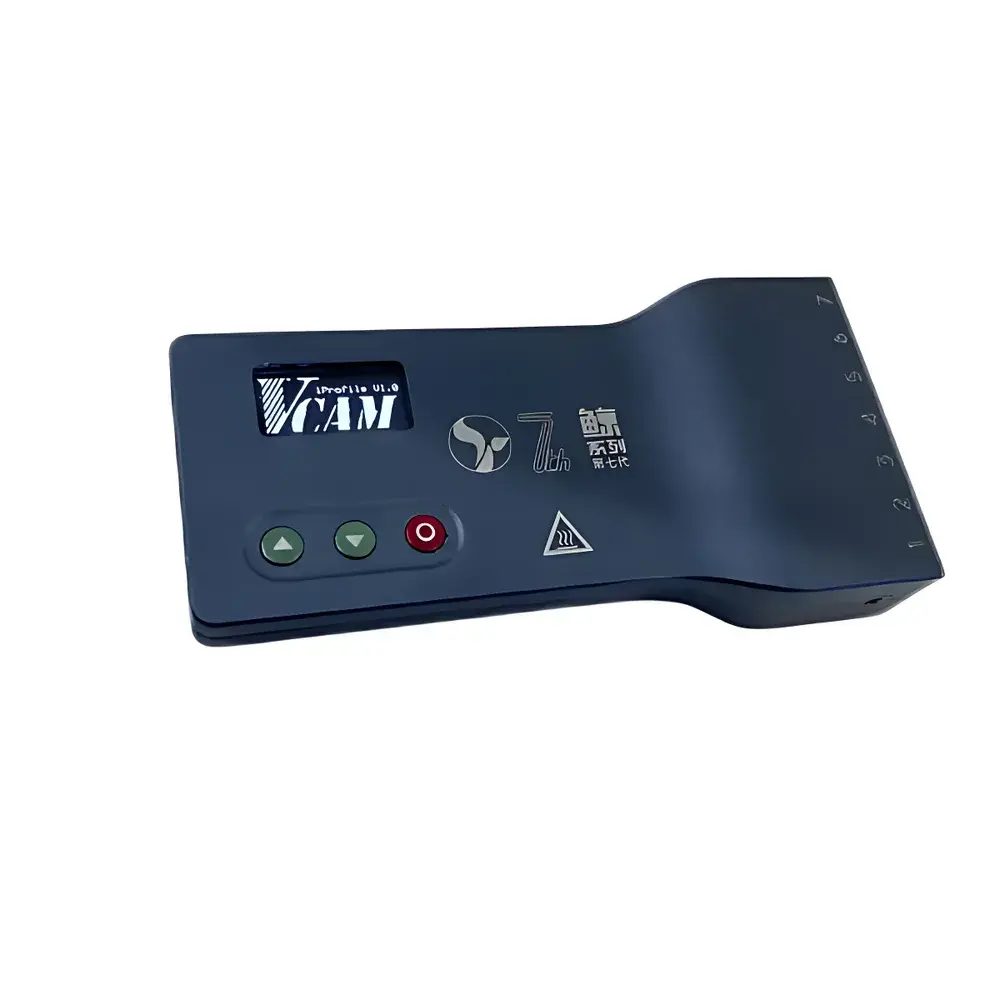
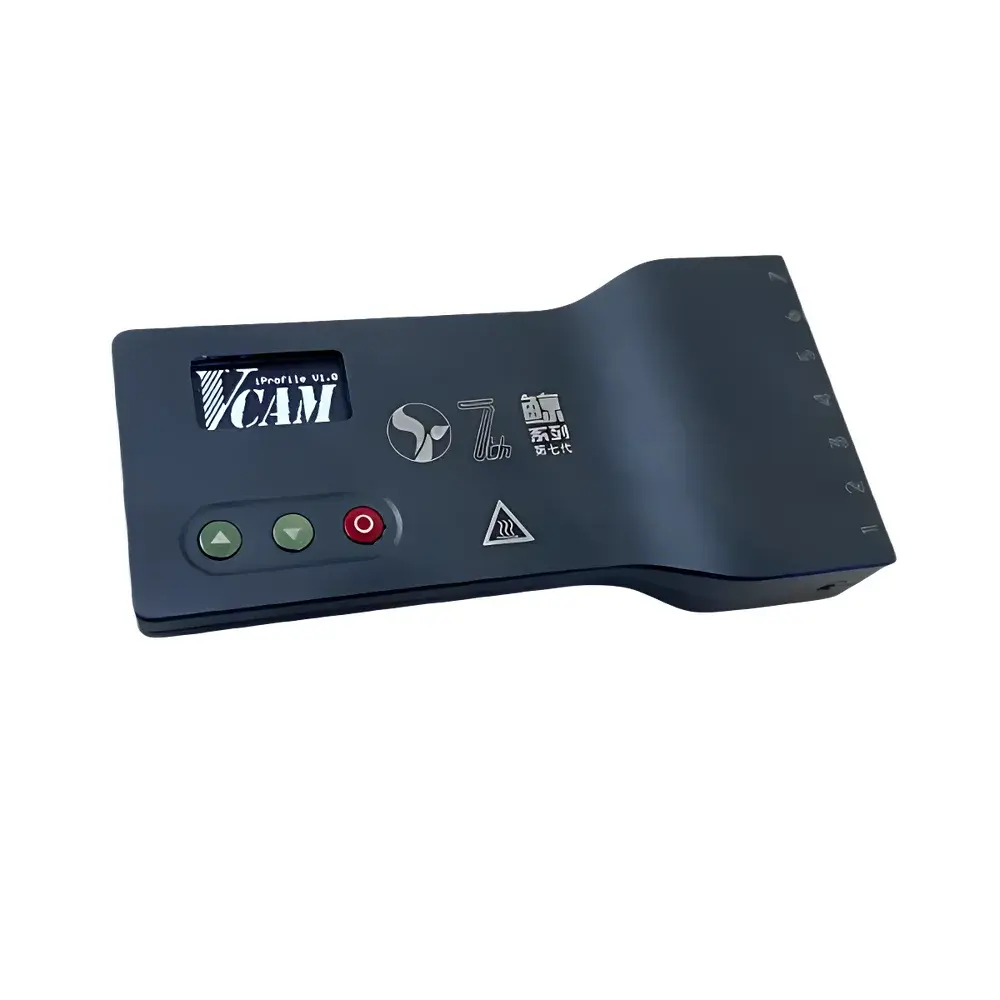
The Vehicle Tilt Alarm Sensor is a solid-state inclinometer-based monitoring device engineered for real-time detection of abnormal vehicle roll or pitch angles during stationary or low-speed operation. It operates on the principle of MEMS (Micro-Electro-Mechanical Systems) capacitive sensing, delivering reliable angular displacement measurement relative to Earth’s gravitational vector. Designed for integration into commercial and industrial vehicle safety systems—including construction equipment, refuse trucks, mobile cranes, and specialized transport vehicles—the sensor triggers configurable audio-visual alarms when tilt exceeds user-defined thresholds. Its compact housing, IP67-rated enclosure, and wide operating temperature range (−25 °C to +70 °C) ensure robust performance in harsh outdoor environments and under vibration-intensive conditions typical of heavy-duty vehicle platforms.
Key Features
- MEMS-based dual-axis tilt sensing (X- and Y-axis) with ±30° measurement range and 0.1° resolution
- Configurable alarm thresholds via onboard DIP switches or external analog/digital interface
- Output signals include relay dry contact (NO/NC), 4–20 mA current loop, and TTL-level digital alert pulse
- Integrated self-diagnostic circuitry with LED status indication for power, signal integrity, and fault condition
- EMC-compliant design meeting ISO 11452-2 (immunity to radiated fields) and ISO 7637-2 (transient immunity on supply lines)
- Mounting flexibility: DIN-rail compatible bracket, M4 threaded holes, and adhesive-backed base option
Sample Compatibility & Compliance
The sensor is compatible with all rigid-body vehicle chassis configurations where fixed-mount orientation remains stable during normal operation. It requires mechanical mounting perpendicular to the vehicle’s longitudinal and lateral reference planes to ensure accurate gravity-referenced tilt interpretation. The device complies with CE marking requirements under the EU Machinery Directive 2006/42/EC and Electromagnetic Compatibility Directive 2014/30/EU. It supports functional safety alignment with ISO 26262 ASIL-A for non-critical warning functions and is suitable for use in environments governed by OSHA 1926.602 (heavy equipment stability standards) and EN 15001-1 (mobile platform safety).
Software & Data Management
While the base unit operates as a stand-alone alarm device without embedded firmware updates, it supports seamless integration into fleet telematics platforms via standardized analog or discrete I/O protocols. When connected to a CAN bus gateway (e.g., SAE J1939-compatible module), tilt event timestamps, duration, and peak angle values can be logged alongside GPS position and vehicle ID. Data export formats include CSV and JSON payloads compatible with cloud-based analytics tools such as AWS IoT Core or Azure IoT Hub. Audit trails for configuration changes and alarm events may be maintained per GLP/GMP-aligned logging practices when deployed in regulated logistics operations.
Applications
- Pre-departure stability verification for articulated dump trucks operating on graded terrain
- Real-time cab-level tilt monitoring in concrete pump trucks to prevent hydraulic system overloading
- Side-slip early warning for refrigerated delivery vans navigating urban roundabouts
- Static tilt validation during loading/unloading of oversized cargo on low-bed trailers
- Integration into automated parking assistance systems for autonomous shuttle buses
- Secondary safety layer in ADAS-equipped municipal sanitation fleets
FAQ
What is the recommended calibration interval for long-term accuracy?
Annual calibration against traceable NIST-certified tilt standards is recommended; field zeroing may be performed using a precision machinist level prior to installation.
Can this sensor be used on vehicles with active suspension systems?
Yes—provided the sensor is mounted directly to the chassis frame rather than a sprung component, ensuring measurement reflects true vehicle body attitude relative to ground plane.
Does the device support wireless transmission?
No native wireless capability is included; however, third-party LoRaWAN or NB-IoT telemetry modules may be interfaced via its 4–20 mA output with appropriate signal conditioning.
Is explosion-proof certification available?
Standard units are not ATEX or IECEx certified; custom variants with intrinsically safe barriers (per IEC 60079-11) can be supplied upon OEM request.
How does temperature variation affect measurement drift?
Built-in temperature compensation reduces angular drift to ≤0.02°/°C across the full operating range, validated per ISO 22153 test procedures.