VELP OXITEST Oxidative Stability Analyzer
| Origin | Italy |
|---|---|
| Manufacturer Type | Authorized Distributor |
| Origin Category | Imported |
| Model | OXITEST |
| Pricing | Available Upon Request |
Overview
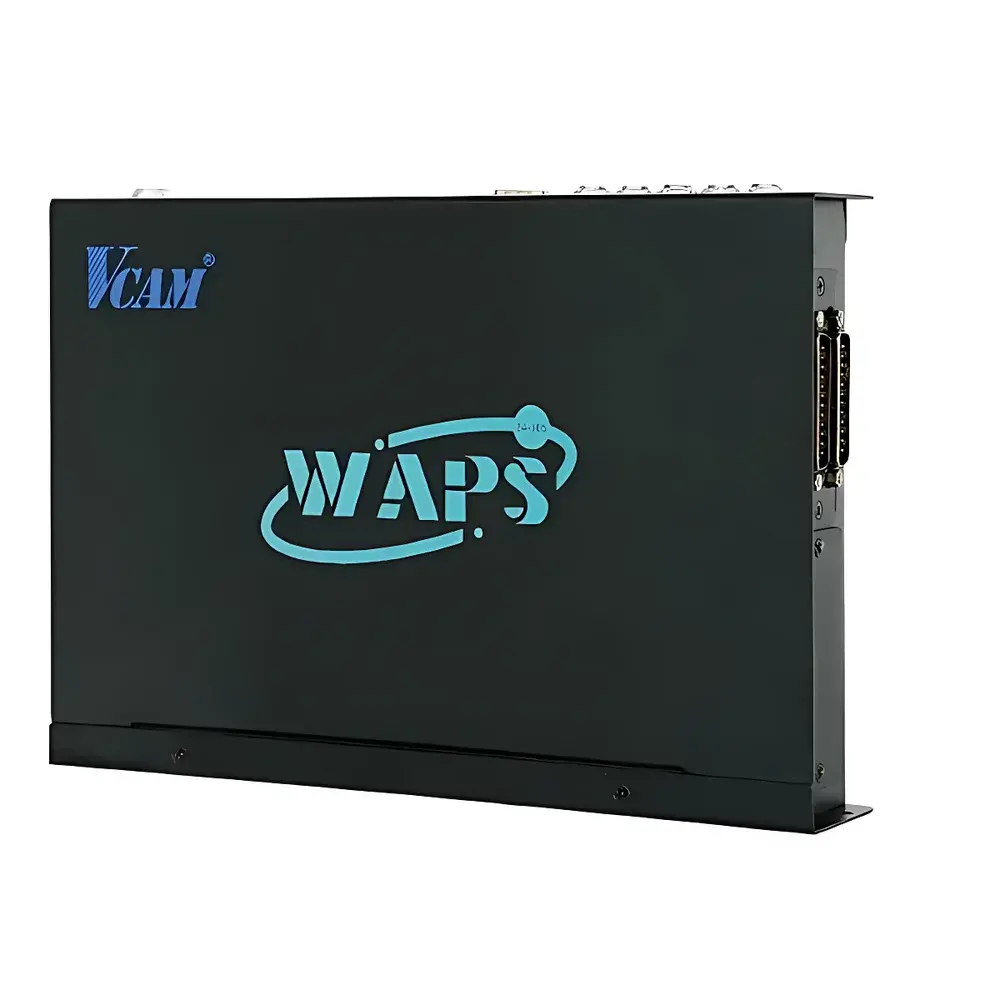
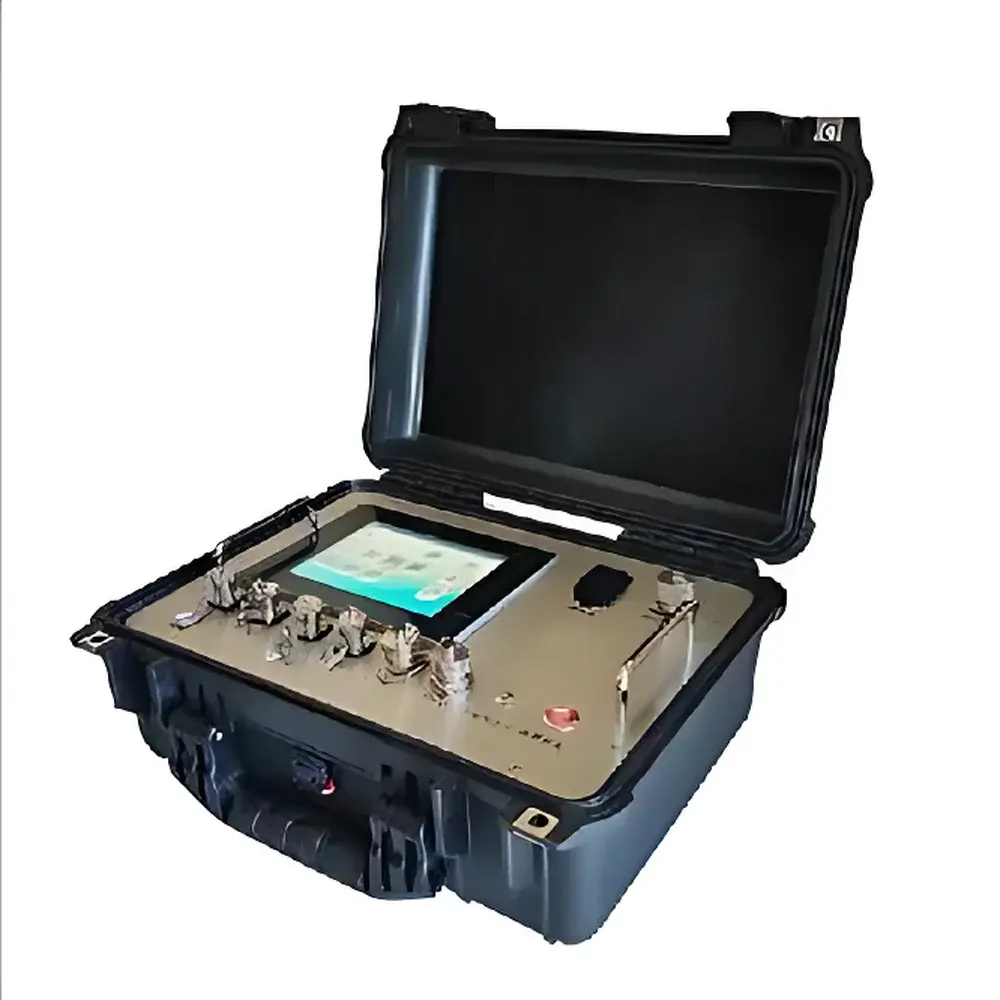
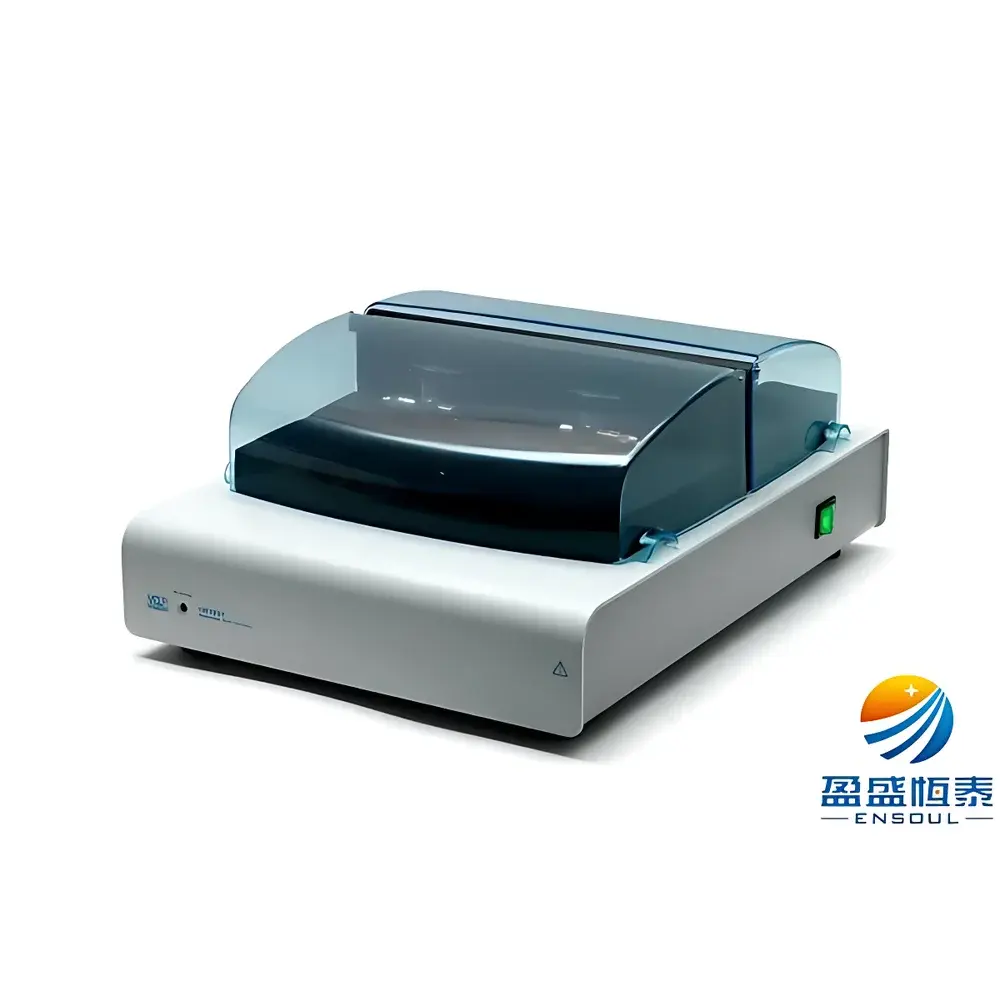
The VELP OXITEST Oxidative Stability Analyzer is an internationally recognized benchtop instrument engineered for the accelerated evaluation of oxidative stability in lipid-containing food matrices. It operates on the principle of pressure-drop oxygen consumption measurement under controlled elevated temperature and oxygen partial pressure conditions. Unlike conventional Rancimat or Schaal Oven methods, the OXITEST applies a defined oxygen overpressure (up to 8 bar) within sealed reaction chambers while monitoring real-time oxygen partial pressure decline via high-precision piezoresistive transducers. As oxidation proceeds—primarily through autoxidation chain reactions involving hydroperoxide formation and decomposition—the dissolved and gaseous oxygen is consumed, resulting in measurable pressure decay. The induction period (IP), defined as the time elapsed until a statistically significant deviation from baseline pressure occurs, serves as the primary quantitative indicator of oxidative resistance. This method aligns with fundamental lipid oxidation kinetics and is widely accepted for predictive shelf-life modeling in edible oils, nuts, fried snacks, meat products, and animal feed.
Key Features
- Dual independent reaction chambers enable either duplicate analysis of a single sample (enhancing statistical robustness) or simultaneous comparative testing of two distinct samples under identical thermal and oxidative stress conditions.
- No solvent extraction or oil isolation required—direct analysis of intact solid or semi-solid foods (e.g., ground almonds, pork fat tissue, extruded pet food) preserves native matrix effects including endogenous antioxidants, pro-oxidants, and physical barriers to oxidation.
- Programmable temperature control from ambient to 110 °C with ±0.1 °C stability, ensuring precise thermal acceleration per the Arrhenius relationship for reliable extrapolation to real-time storage conditions.
- High-resolution pressure monitoring (0–8 bar range, ±0.01 bar resolution) with automatic data logging via USB interface; sampling interval configurable from 10 seconds to 10 minutes.
- Robust stainless-steel reaction vessels rated for repeated pressurized operation; each chamber accommodates three 35 mL sample cups (total six slots), supporting efficient batch processing without cross-contamination.
- Integrated safety architecture includes redundant pressure relief valves, thermal cut-off sensors, and real-time overpressure/overtemperature alarms compliant with EN 61010-1.
Sample Compatibility & Compliance
The OXITEST accepts heterogeneous food matrices—including raw and processed vegetable tissues (e.g., avocado pulp, soybean flakes), animal-derived lipids (e.g., lard, fish meal), emulsified systems (e.g., mayonnaise, dressings), and dry particulates (e.g., roasted peanuts, sunflower seeds). Its design eliminates pre-analytical lipid isolation, thereby retaining critical interactions between triglycerides, phospholipids, tocopherols, carotenoids, transition metals, and moisture—factors known to modulate oxidation pathways. Methodologically, the OXITEST protocol supports alignment with ISO 6886:2016 (Animal and vegetable fats and oils — Determination of oxidative stability (accelerated oxidation test)), AOCS Cd 12b-92, and ASTM D7462-19 (Standard Test Method for Oxidative Stability of Edible Oil by Pressurized Differential Scanning Calorimetry and Oxygen Uptake Methods). Data integrity meets GLP and GMP documentation requirements, with optional audit-trail-enabled software modules satisfying FDA 21 CFR Part 11 criteria for electronic records and signatures.
Software & Data Management
The OXITEST is operated via VELP’s proprietary OXISoft™ software (Windows-compatible, USB-connected), which provides intuitive method setup, real-time pressure/temperature visualization, automated IP calculation using first-derivative inflection detection, and customizable reporting templates. Raw data export is supported in CSV and Excel formats for secondary statistical analysis (e.g., ANOVA, regression modeling). The software enforces user-level access control (administrator/operator modes), timestamps all method changes and run executions, and maintains immutable run logs—essential for regulatory traceability. Optional network integration allows centralized instrument fleet monitoring across QC laboratories.
Applications
- Predictive shelf-life assessment of virgin olive oil, palm olein, and specialty seed oils during formulation and storage optimization.
- Quality control of roasted nuts and snack foods to validate antioxidant efficacy (e.g., rosemary extract, TBHQ) and detect early-stage rancidity before sensory detection.
- Evaluation of lipid stability in rendered animal fats used in pet food manufacturing—critical for meeting AAFCO nutritional stability specifications.
- Research into matrix–lipid interactions: quantifying how fiber content, water activity, or particle size influences oxidative onset in cereal-based products.
- Validation of novel packaging barrier performance (e.g., multilayer films, oxygen scavengers) under accelerated oxidative challenge.
FAQ
How does the OXITEST differ from Rancimat?
The OXITEST measures oxygen consumption directly under pressurized oxygen, whereas Rancimat monitors volatile carboxylic acids carried by an air stream into a conductivity cell. This makes OXITEST more sensitive to early-stage oxidation in low-volatility matrices and eliminates dependency on acid volatility.
Can I analyze powdered infant formula with the OXITEST?
Yes—its direct-sampling capability accommodates dry, hygroscopic powders; however, moisture content should be documented, as water activity significantly modulates oxidation kinetics.
Is calibration traceable to national standards?
Pressure transducers are factory-calibrated against NIST-traceable deadweight testers; temperature sensors are verified using PT100 reference probes certified to ISO/IEC 17025.
What maintenance is required?
Routine cleaning of reaction chambers and sample cups with ethanol; annual verification of pressure sensor linearity and thermal uniformity is recommended per ISO/IEC 17025 QA protocols.
Does the system support custom test protocols beyond standard ISO/AOCS methods?
Yes—OXISoft™ allows full parameter scripting (ramp rates, hold times, pressure setpoints), enabling development and validation of proprietary oxidation stress profiles.