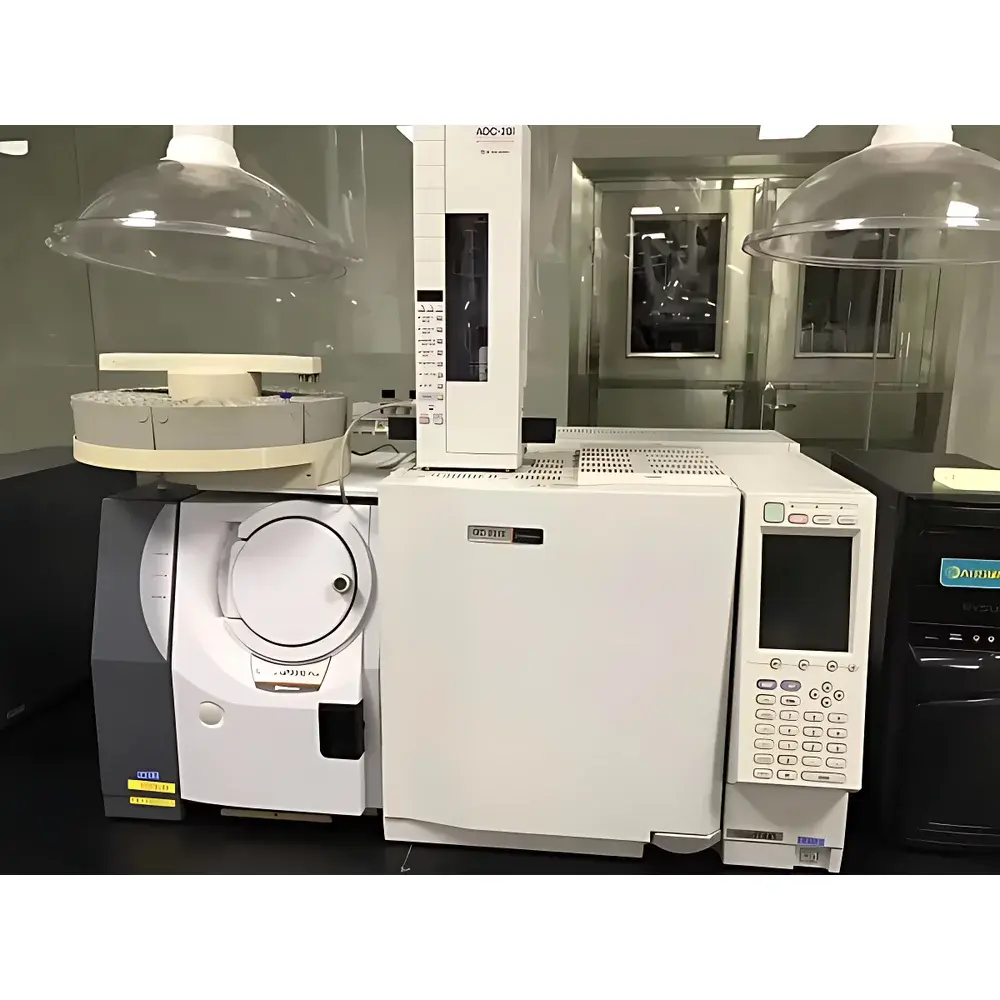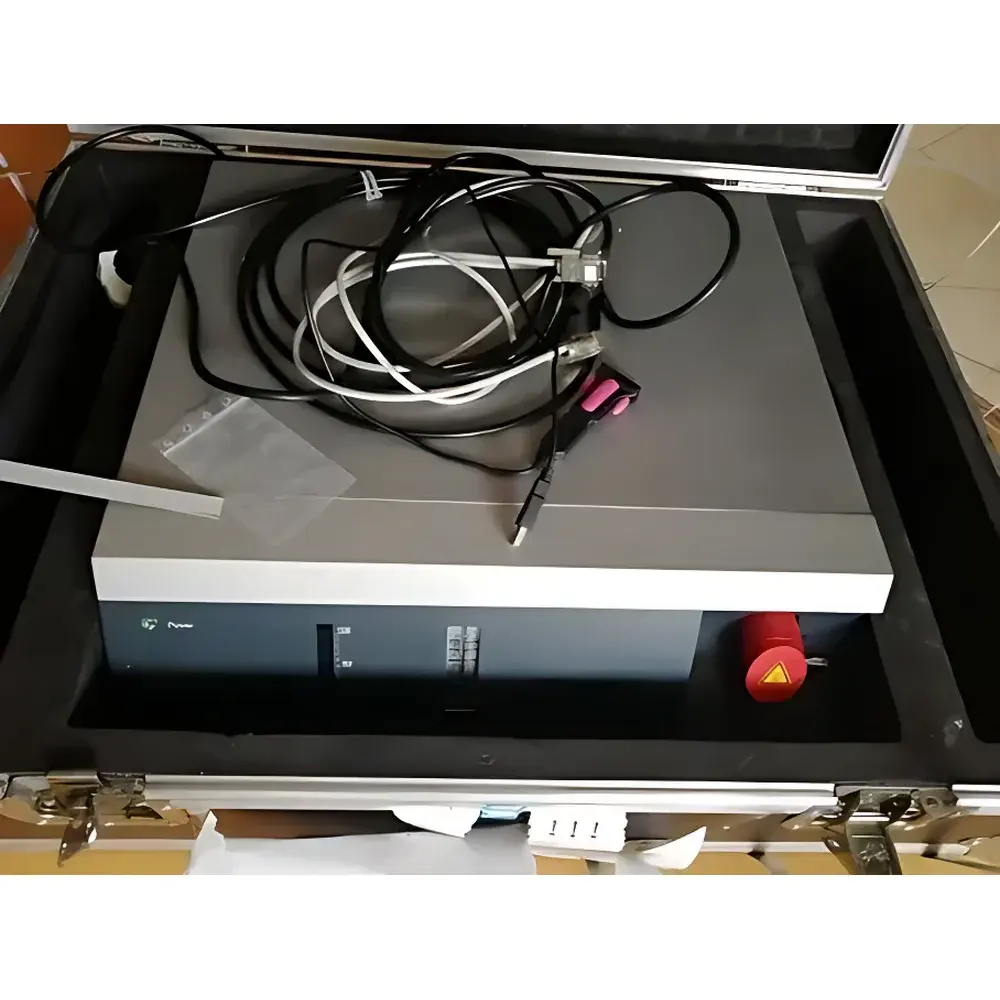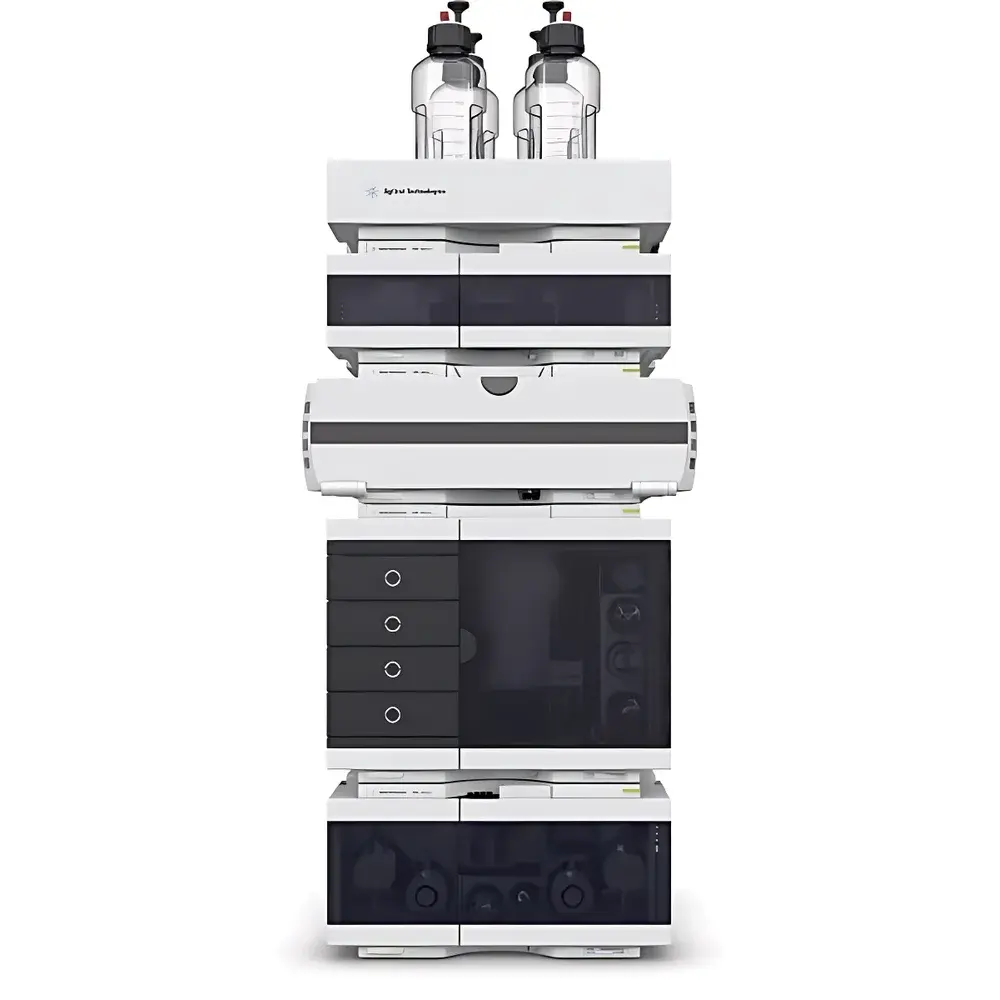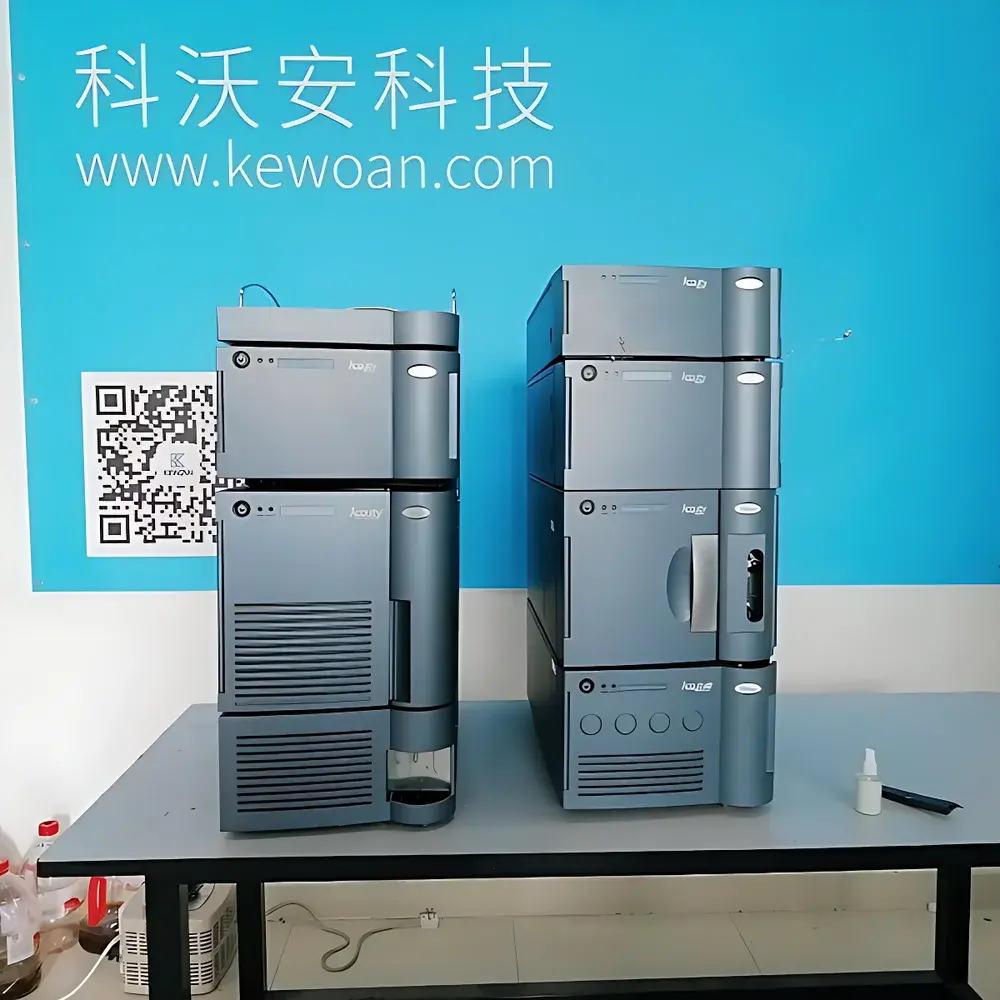
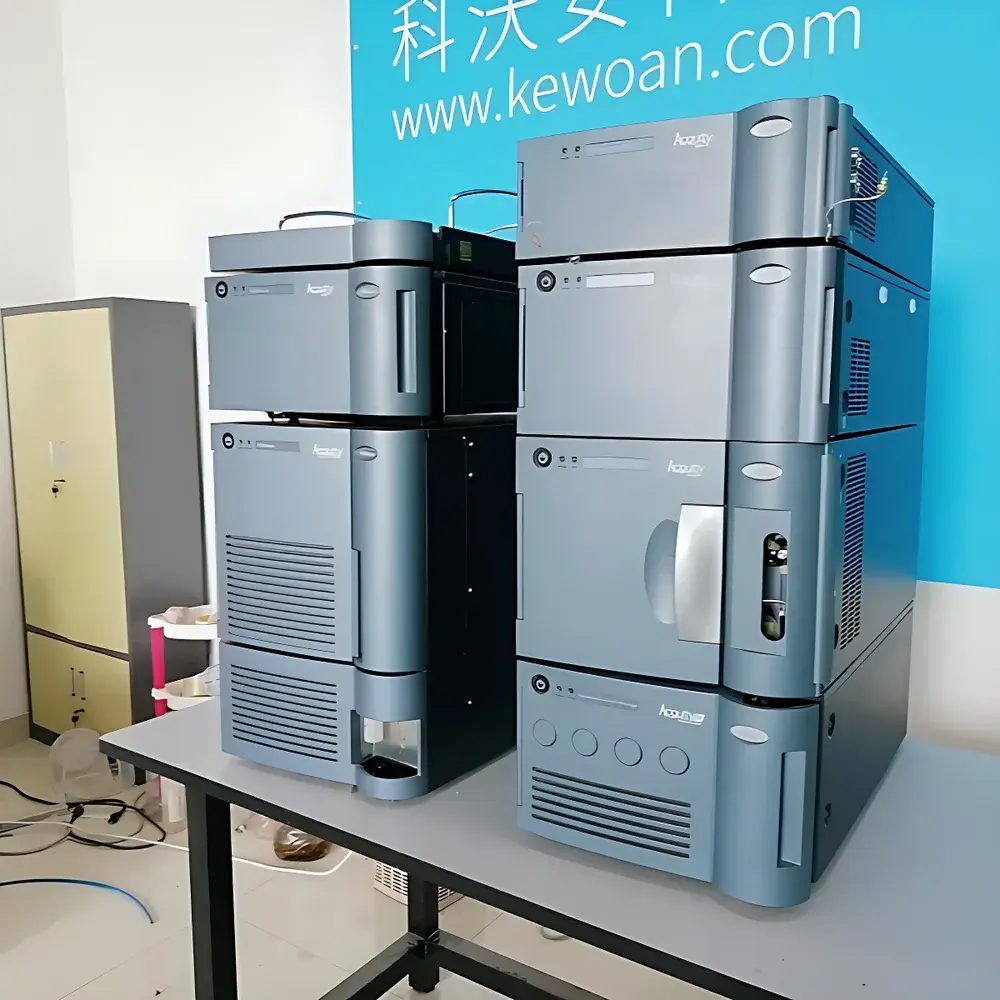
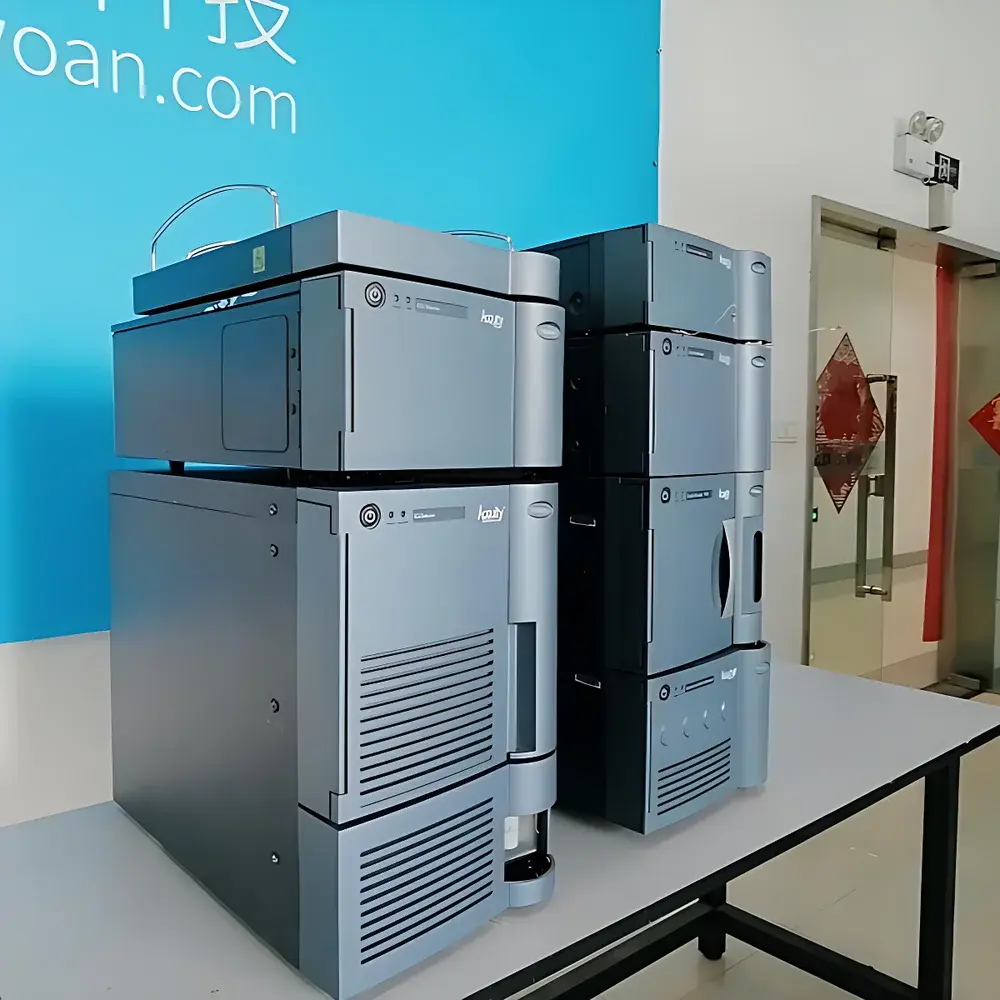
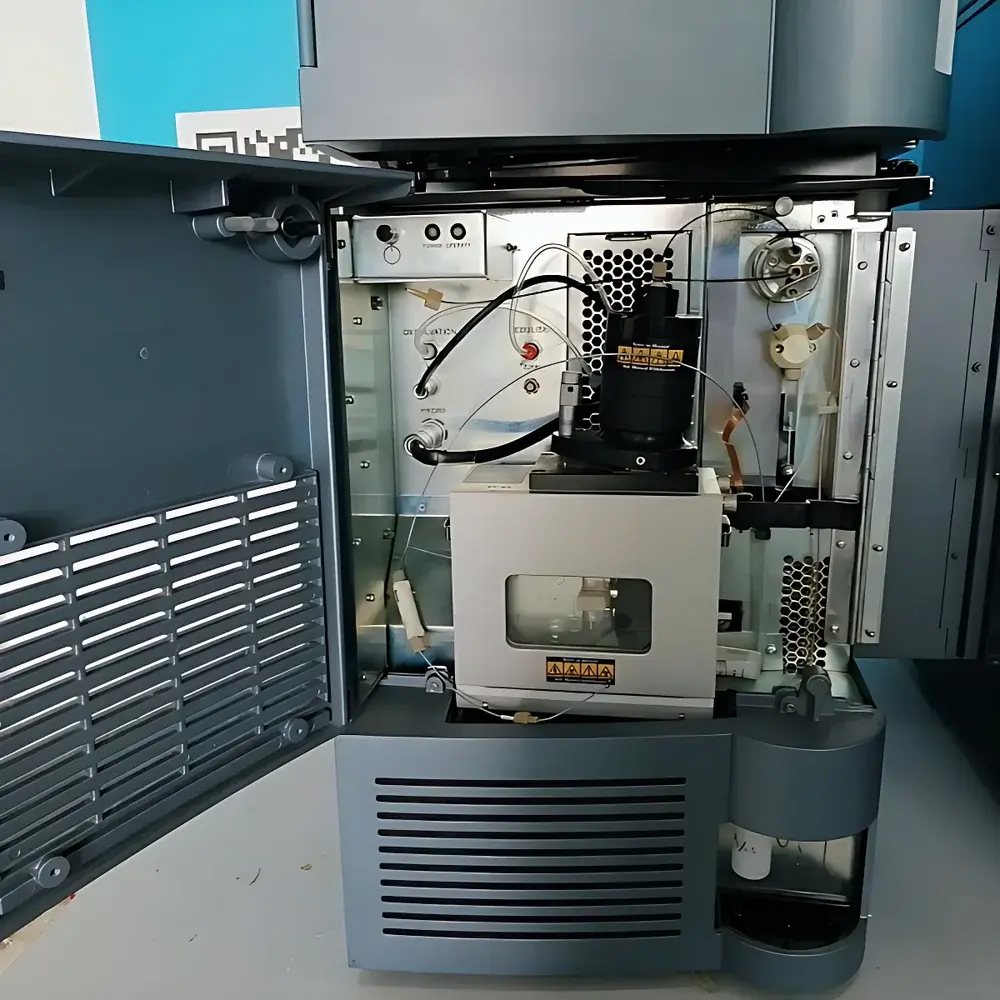
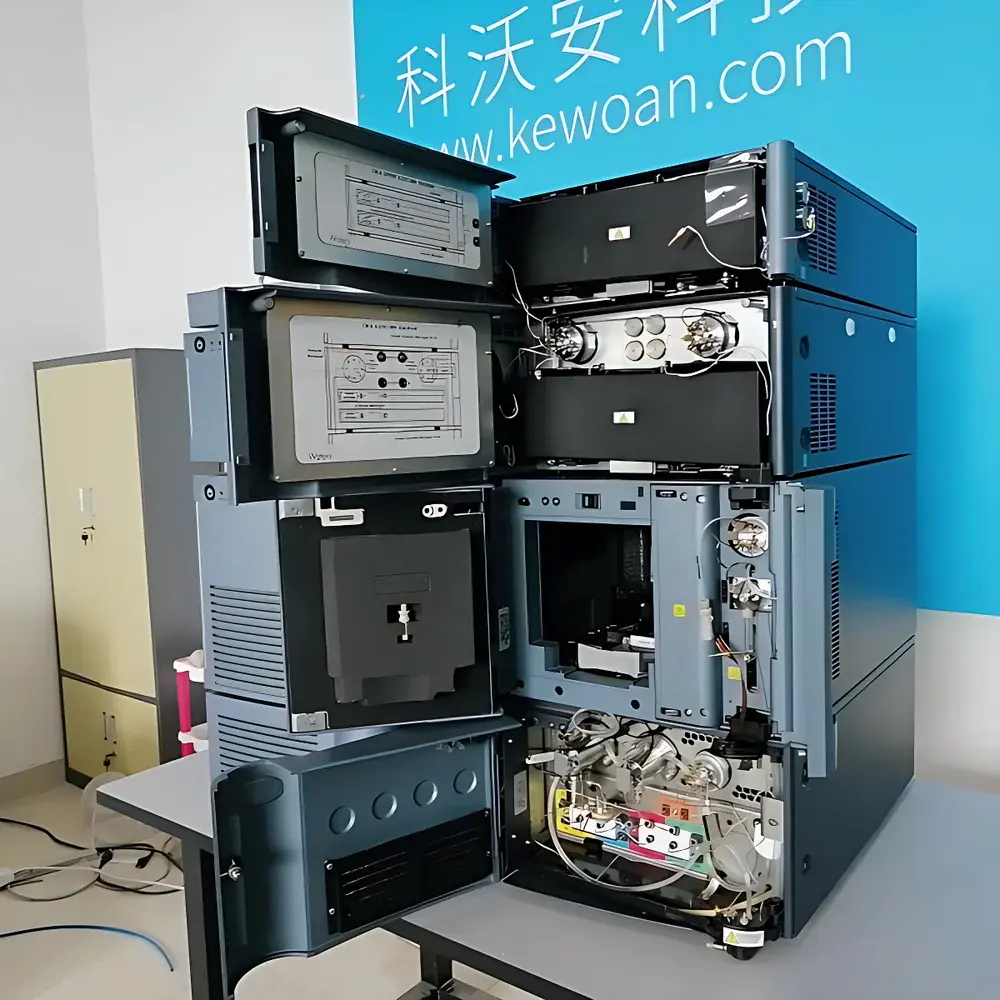
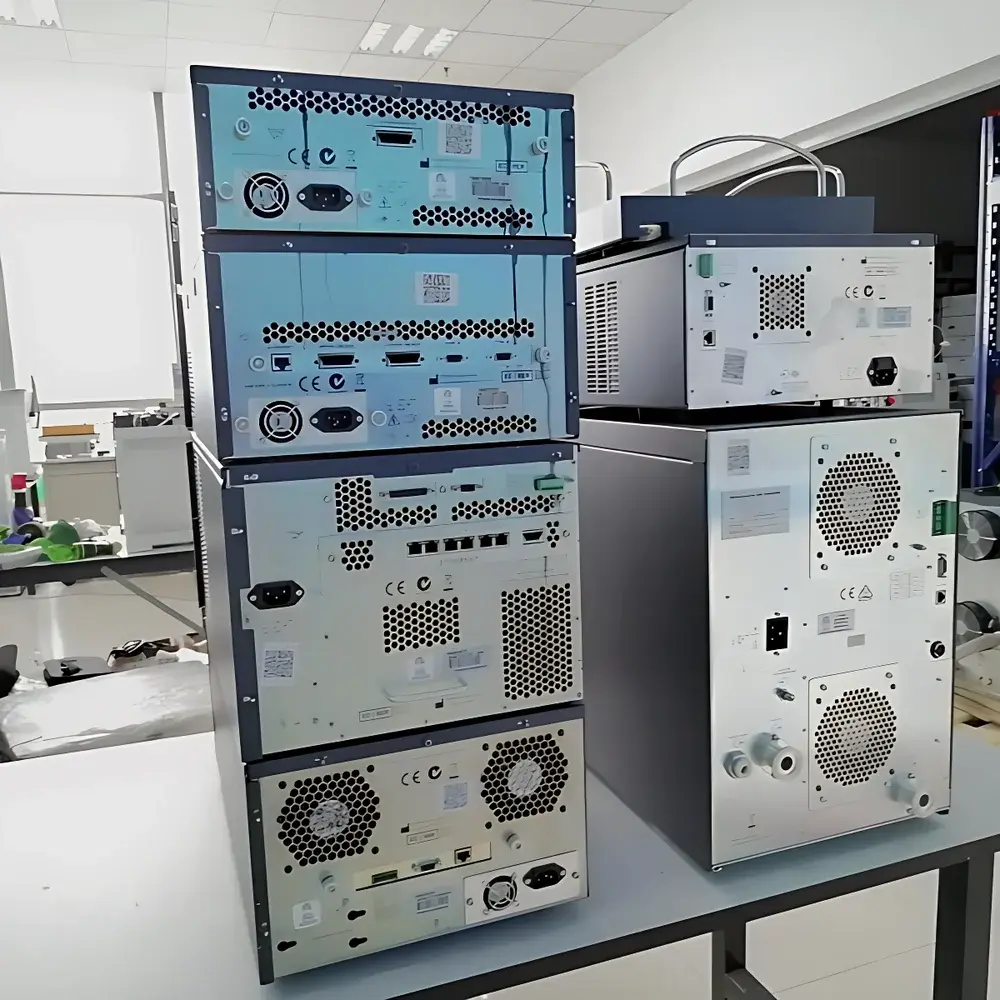
Waters SQD Single Quadrupole Mass Spectrometer
| Brand | Waters |
|---|---|
| Origin | USA |
| Model | Waters SQD |
| Mass Range | m/z 50–1000 |
| Ionization Sources | ESI and APCI |
| Detection Modes | Full Scan, SIM, SIR |
| Software | MassLynx v4.2 or later |
| Dynamic Range | 10⁶–10⁷ |
| Compliance | Designed for GLP/GMP environments |
Overview
The Waters SQD (Single Quadrupole Detector) is a robust, entry-level benchtop mass spectrometer engineered for routine quantitative and qualitative analysis in regulated and research laboratories. As a single quadrupole mass analyzer coupled to liquid chromatography (LC-MS), the SQD operates on the principle of mass-selective ion transmission through a radiofrequency (RF) and direct current (DC)-biased quadrupole rod set. Ions generated via electrospray ionization (ESI) or atmospheric pressure chemical ionization (APCI) are filtered by m/z before detection at the electron multiplier. Its design emphasizes operational simplicity, analytical reproducibility, and seamless integration with Waters ACQUITY UPLC systems—though it maintains full compatibility with third-party HPLC platforms via standard analog/digital interfaces. The SQD delivers reliable performance for targeted small-molecule analysis where high-throughput, regulatory-compliant quantitation—not ultra-high resolution or structural elucidation—is the primary objective.
Key Features
- Single quadrupole mass analyzer with mass range spanning m/z 50–1000, optimized for small organic molecules, pharmaceuticals, metabolites, pesticides, and environmental contaminants.
- Dual ionization capability: interchangeable ESI and APCI sources enable broad compound coverage—from polar, thermally labile analytes (e.g., peptides, glycosides) to semi-volatile, low-polarity species (e.g., PAHs, sterols).
- High-sensitivity detection: sub-picomolar limits of detection (LOD) under optimized conditions; signal-to-noise ratios >100:1 achievable for common reference standards such as reserpine or caffeine in SIM mode.
- Flexible acquisition modes: Full Scan for untargeted profiling, Selective Ion Monitoring (SIM) for multi-analyte quantitation, and Single Ion Recording (SIR) for rapid, high-duty-cycle assays.
- Stable RF/DC tuning architecture ensures consistent mass calibration across extended runs—critical for batch processing in QC environments.
- Compact footprint and modular source design simplify maintenance, source cleaning, and method transfer between instruments.
Sample Compatibility & Compliance
The SQD accepts samples introduced via standard LC flow rates (50–1000 µL/min), including microbore, analytical, and UPLC configurations. It accommodates aqueous/organic mobile phases with typical additives (e.g., formic acid, ammonium acetate, TFA), provided post-column flow splitting or divert valves are used for high-flow applications. All hardware and firmware meet CE and UL safety requirements. When deployed with MassLynx v4.2+ in secure user-mode configuration—including role-based access control, electronic signatures, and audit-trail-enabled data acquisition—the system supports compliance with FDA 21 CFR Part 11, ISO/IEC 17025, and GLP/GMP documentation standards. Routine operation aligns with ASTM D7867 (LC-MS pesticide residue analysis) and USP <621> chromatographic system suitability criteria.
Software & Data Management
Controlled exclusively by Waters MassLynx software (v4.2 or later), the SQD leverages a unified platform for instrument control, real-time data acquisition, peak integration, calibration curve generation, and report export. MassLynx provides built-in tools for lock-mass correction (when external calibrant infusion is enabled), background subtraction, and spectral deconvolution for co-eluting peaks. Raw data files (.raw) are stored in open-format directories compatible with third-party processing tools (e.g., Skyline, Compound Discoverer). Audit trails log all user actions—including method edits, calibration events, and result approvals—with timestamps and operator IDs. Data integrity is reinforced via write-protected archive folders and optional network-based backup integration.
Applications
The Waters SQD serves as a validated workhorse in multiple regulated and academic domains:
- Pharmaceutical Quality Control: Assay of active pharmaceutical ingredients (APIs), impurity profiling per ICH Q3B, residual solvent analysis (ICH Q3C), and dissolution testing.
- Food Safety Testing: Multi-residue screening of pesticides (e.g., organophosphates, neonicotinoids), mycotoxins (aflatoxin B1, ochratoxin A), and veterinary drug residues (tetracyclines, sulfonamides) in compliance with EU SANTE/11312/2021 guidelines.
- Environmental Monitoring: Quantification of endocrine-disrupting compounds (bisphenol A, alkylphenols), pharmaceuticals in wastewater (ibuprofen, carbamazepine), and persistent organic pollutants (PCBs, PBDEs) per EPA Method 1694.
- Academic & Industrial Research: Reaction monitoring, natural product isolation support, and synthetic intermediate verification where rapid turnaround and method robustness outweigh high-resolution demands.
FAQ
Is the Waters SQD compliant with 21 CFR Part 11?
Yes—when operated with MassLynx v4.2 or later in a validated, secure configuration that enforces electronic signatures, audit trails, and role-based permissions.
Can the SQD be upgraded to a triple quadrupole configuration?
No—hardware architecture is fixed as a single quadrupole. For MS/MS capability, migration to a Waters Xevo TQ-S or similar tandem platform is required.
What LC systems are compatible with the SQD?
Native integration with Waters ACQUITY UPLC and Alliance HPLC systems; third-party LCs (e.g., Agilent 1260, Shimadzu Nexera) are supported via analog voltage output and TTL trigger signals.
Does the SQD support internal standard calibration?
Yes—MassLynx enables both external and internal standard calibration curves, including stable isotope-labeled analogs for enhanced accuracy in complex matrices.
What maintenance intervals are recommended?
Source cleaning every 2–4 weeks depending on sample load; quadrupole and detector vacuum system inspection annually; full preventive maintenance service recommended every 12 months by certified Waters field engineers.