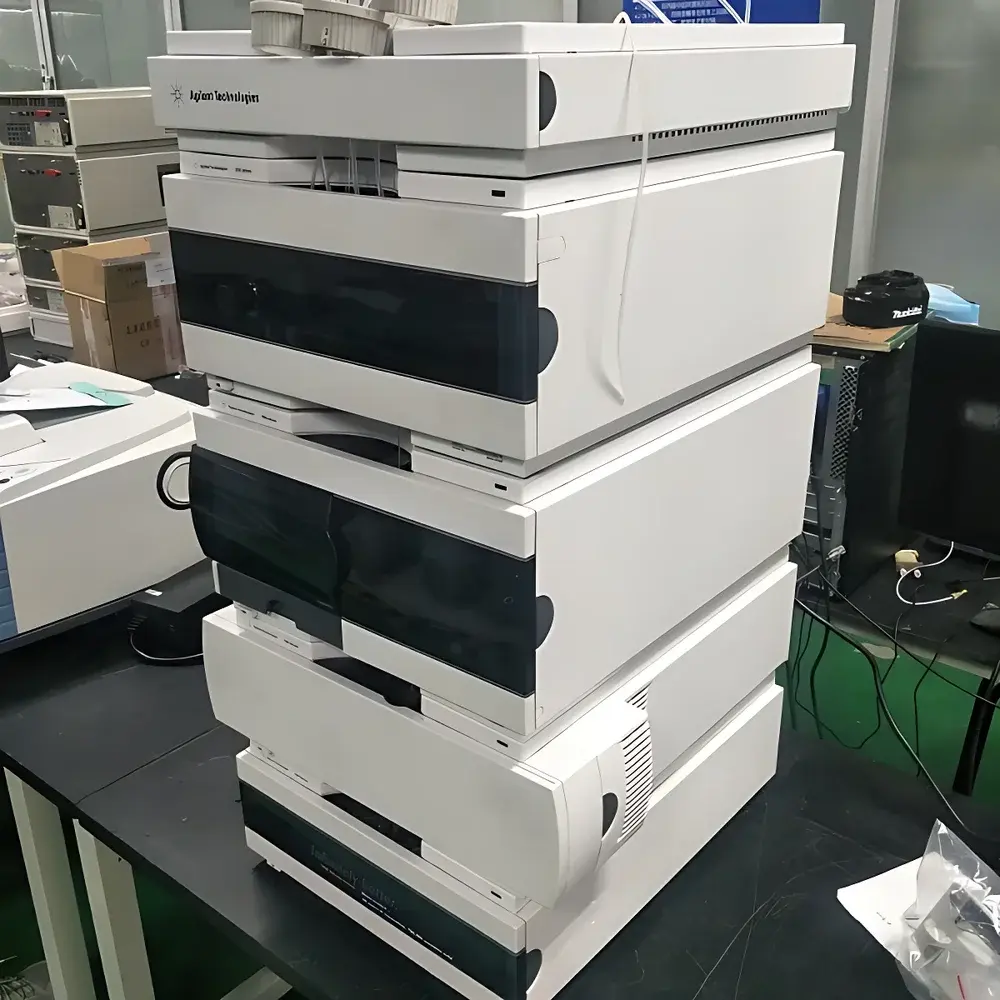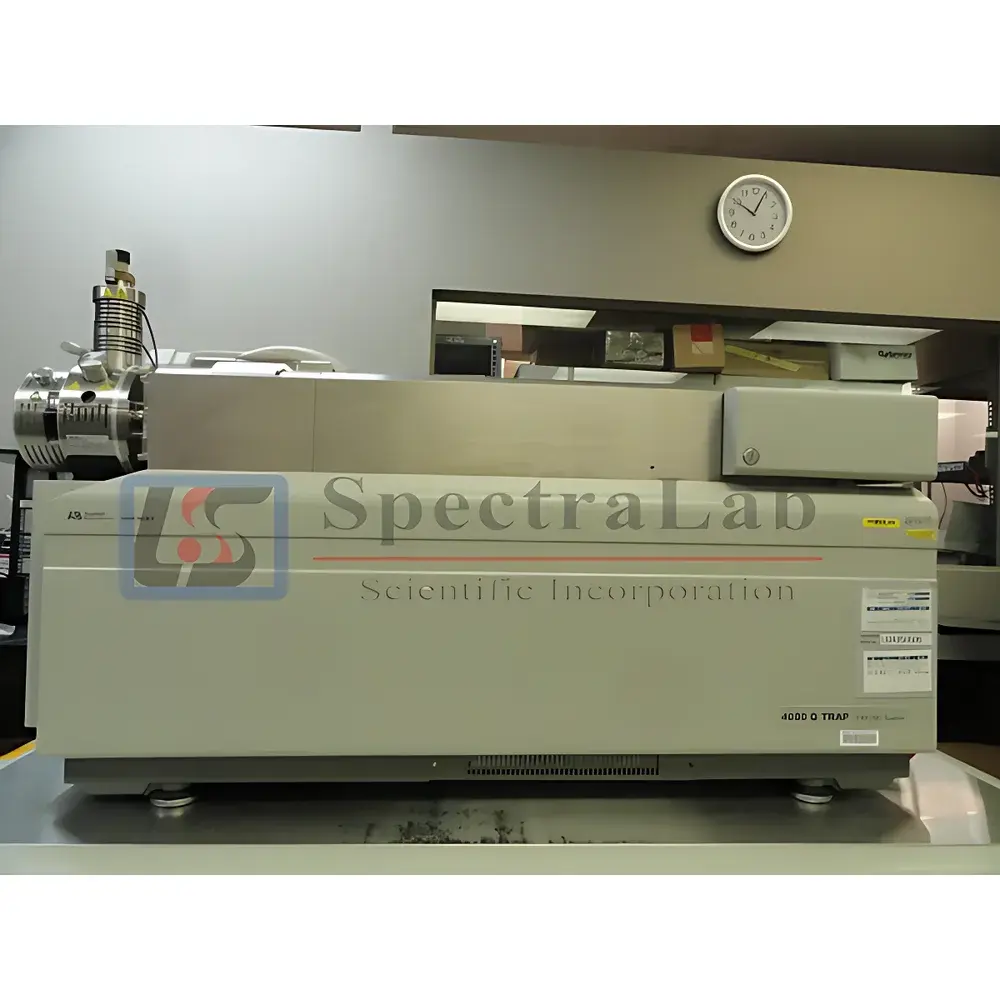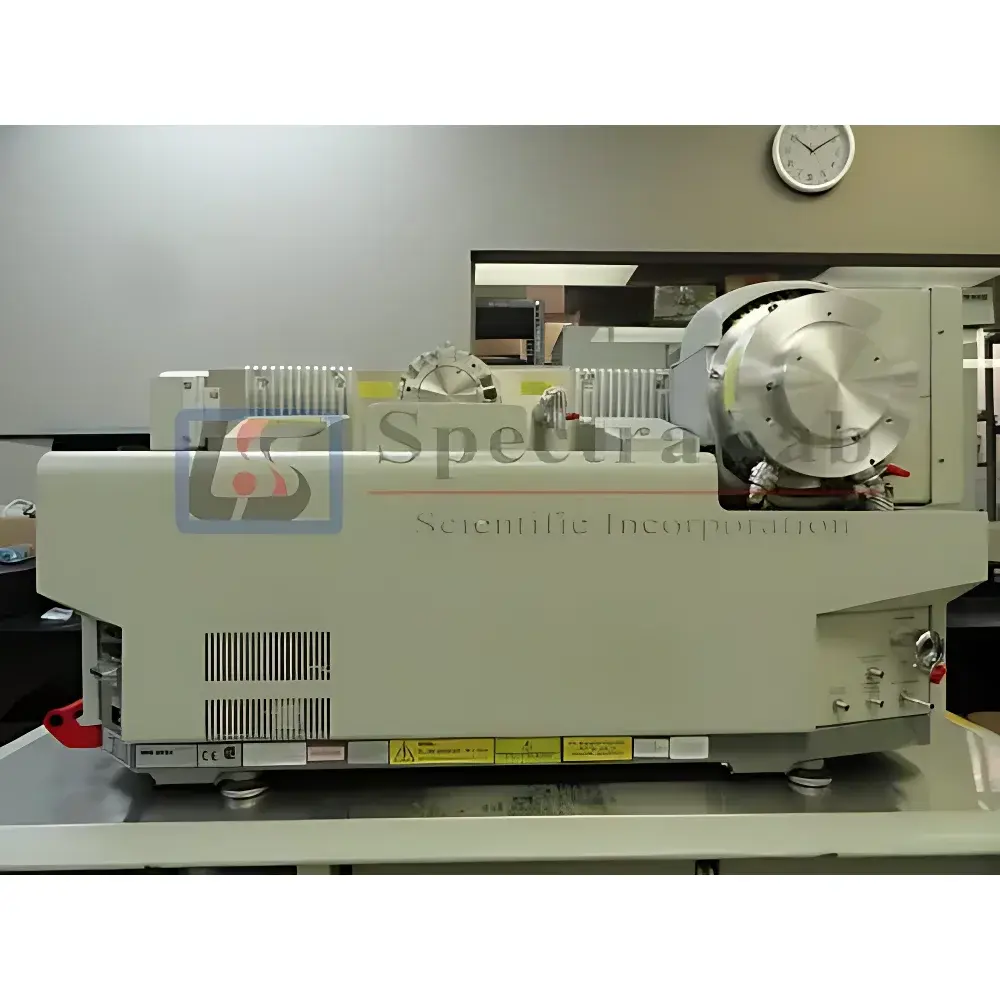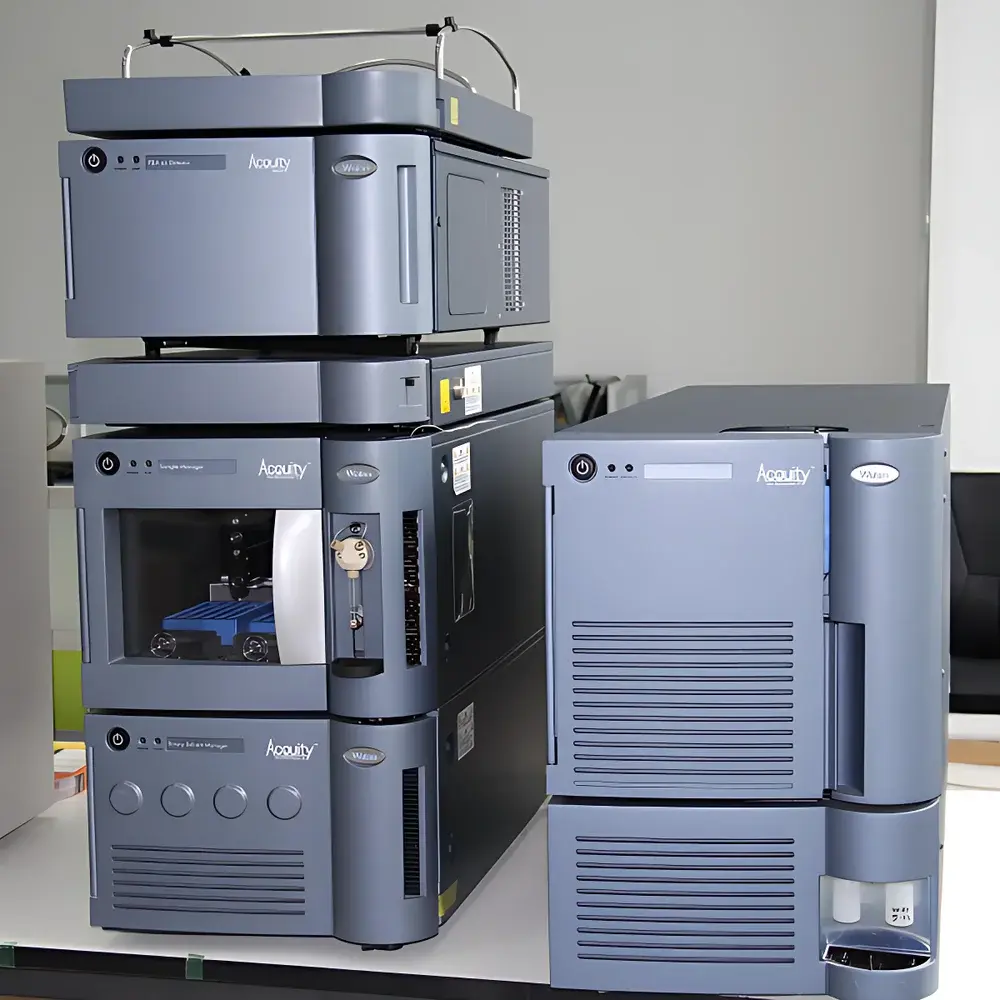
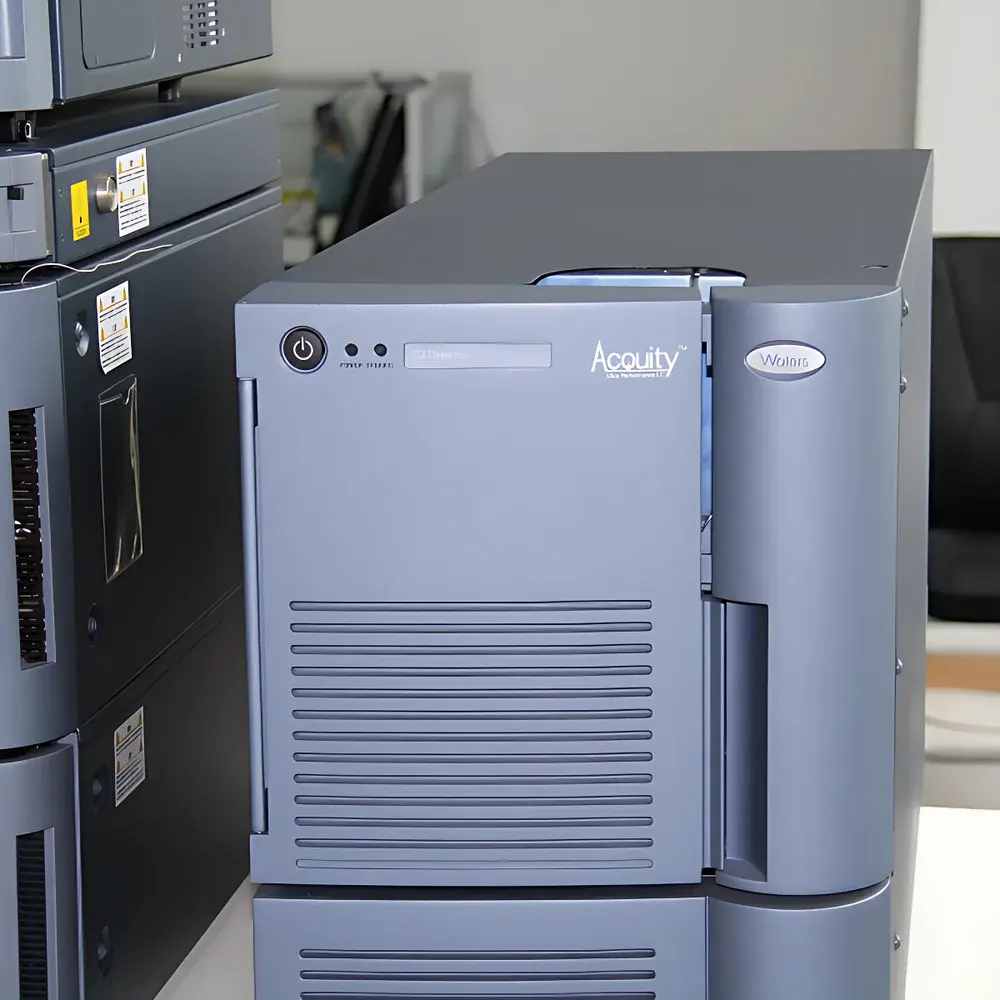
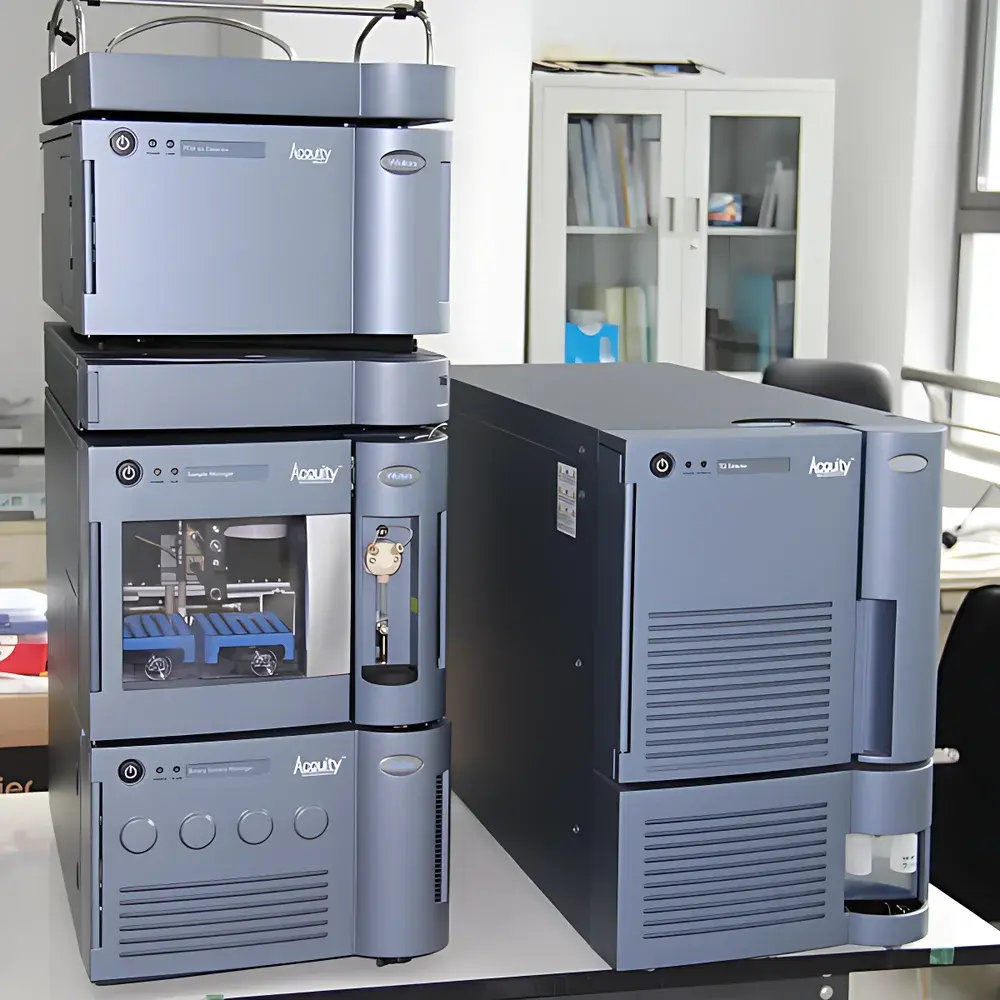
Waters TQD Triple Quadrupole Mass Spectrometer
| Brand | Waters |
|---|---|
| Origin | USA |
| Model | TQD |
| Mass Range | m/z 10–2000 |
| Ionization Sources | ESI & APCI |
| Scan Modes | Full Scan, SIM, MRM |
| MRM Transition Rate | Up to 1000 transitions/sec |
| Dynamic Range | 10⁶–10⁷ |
| Detection Limit | Low pmol/L (ESI) |
| Software | MassLynx v4.2 or later |
| Compliance | ASTM D7598, USP <1225>, FDA 21 CFR Part 11 (with audit trail enabled) |
Overview
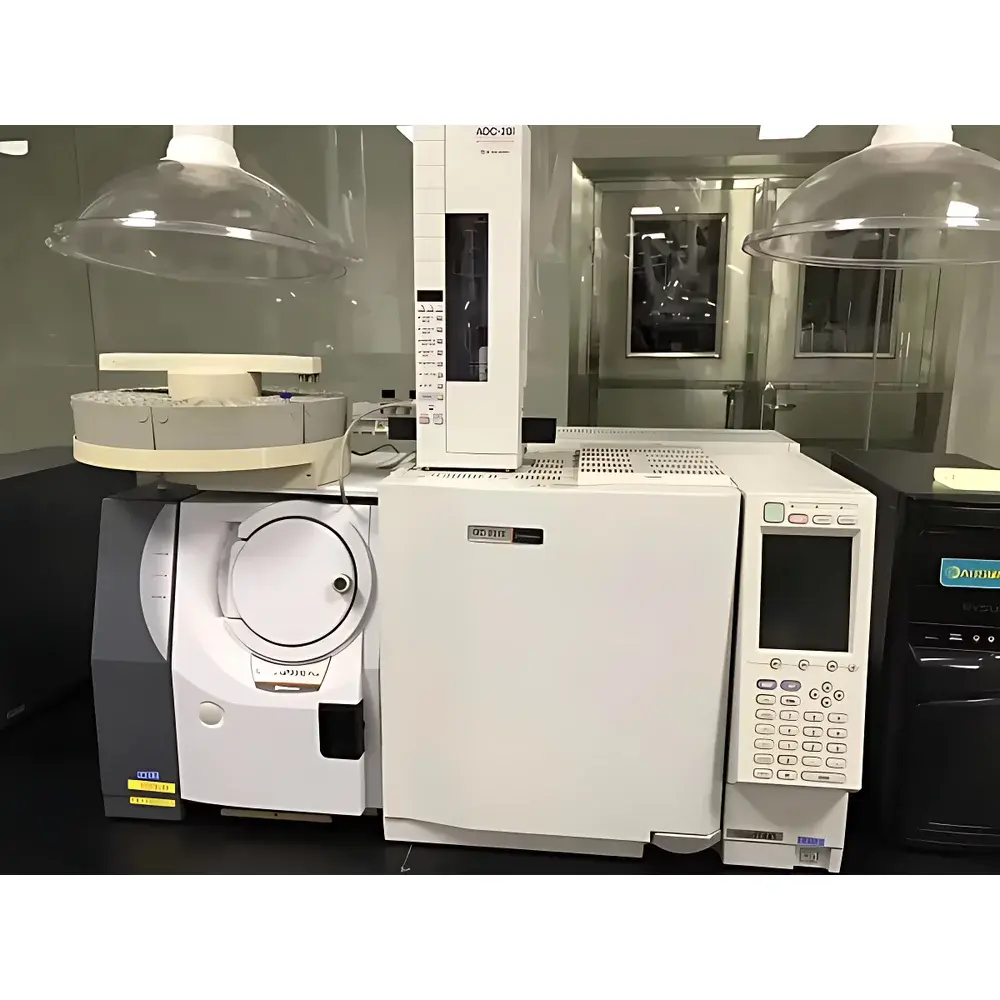
The Waters TQD Triple Quadrupole Mass Spectrometer is a robust, high-performance benchtop tandem mass spectrometer engineered for quantitative trace analysis in regulated and research laboratories. Based on the well-established triple quadrupole (QqQ) architecture, the TQD operates via collision-induced dissociation (CID) in the pressurized RF-only Q2 collision cell, enabling highly selective MS/MS and multiple reaction monitoring (MRM) workflows. Its design emphasizes reproducibility, ruggedness, and seamless integration with Waters Alliance and ACQUITY UPLC systems—making it a proven platform for LC-MS/MS applications in pharmaceutical QC, environmental residue testing, food safety screening, and clinical bioanalysis. Unlike high-resolution instruments, the TQD prioritizes sensitivity, linear dynamic range, and analytical throughput over exact mass resolution—ideal for targeted quantitation where precision, regulatory traceability, and method robustness are paramount.
Key Features
- Triple quadrupole mass analyzer with independently controlled Q1 (mass selection), Q2 (CID collision cell with nitrogen gas), and Q3 (mass filtering/detection) stages
- Dual ionization capability: Electrospray Ionization (ESI) for polar, thermally labile, and high-molecular-weight compounds; Atmospheric Pressure Chemical Ionization (APCI) for moderately polar and volatile analytes
- MRM acquisition at up to 1000 transitions per second—enabling simultaneous quantitation of >100 analytes in a single chromatographic run
- Optimized ion optics and detector design delivering sub-picomole sensitivity and signal stability across extended duty cycles
- Integrated vacuum system with dual-stage turbomolecular pumping, ensuring rapid pump-down and long-term operational stability
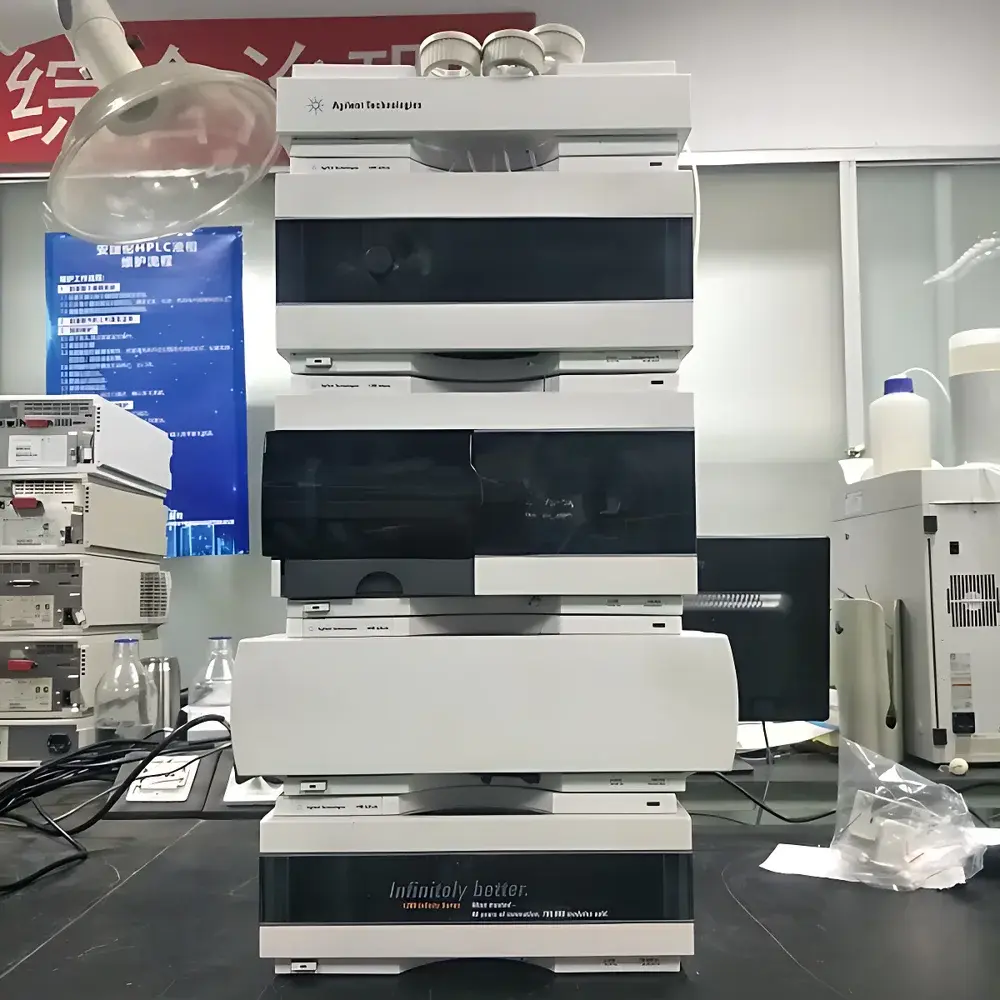
- Modular front-end compatibility with Waters 2695/2795 HPLC, Alliance e2695, and ACQUITY UPLC systems—including automated valve switching and real-time data synchronization
Sample Compatibility & Compliance
The TQD accepts liquid samples introduced via standard LC interfaces (e.g., electrospray, APCI, or Z-spray sources) and supports direct infusion for rapid method development. It is routinely deployed in laboratories adhering to GLP, GMP, and ISO/IEC 17025 requirements. When configured with MassLynx software v4.2+ and appropriate system validation packages, the TQD meets critical regulatory expectations including ASTM D7598 (petroleum hydrocarbon analysis), USP <1225> (validation of compendial procedures), and FDA 21 CFR Part 11 (electronic records and signatures)—provided audit trail, user access controls, and electronic signature workflows are implemented and verified. Instrument qualification (IQ/OQ/PQ) documentation is available upon request and aligns with vendor-recommended protocols.
Software & Data Management
Data acquisition, processing, and reporting are managed through Waters MassLynx software (v4.1 or later). MassLynx provides validated tools for method setup (including retention time alignment, dwell time optimization, and collision energy ramping), peak integration (with customizable baseline algorithms), calibration curve fitting (linear, quadratic, weighted least-squares), and report generation compliant with laboratory SOPs. Raw data files (.raw) are stored in a structured, non-proprietary format supporting third-party reprocessing. Audit trail functionality—recording all user actions, parameter changes, and data modifications—is fully configurable and exportable for internal review or regulatory inspection. Integration with Empower CDS is not native but achievable via ASCII export or custom scripting for enterprise-level LIMS linkage.
Applications
The TQD excels in targeted quantitative workflows requiring high specificity and low detection limits. In pharmaceutical development, it supports pharmacokinetic (PK) studies, impurity profiling, and stability-indicating assays per ICH Q2(R2). Environmental labs use it for EPA Method 1694 (pharmaceuticals and personal care products in water) and EU Water Framework Directive priority substance monitoring. Food safety applications include multi-residue pesticide screening (EN 15662), mycotoxin quantitation (e.g., aflatoxins, ochratoxin A), and veterinary drug residue analysis (EU Commission Decision 2002/657/EC). Clinical toxicology labs deploy it for therapeutic drug monitoring (TDM) and endogenous biomarker quantification (e.g., cortisol, vitamin D metabolites) in plasma and urine matrices.
FAQ
Is the TQD compatible with modern UPLC systems?
Yes—the TQD interfaces directly with ACQUITY UPLC systems using standard Z-spray or ESCi sources. Retention time reproducibility and peak capacity are preserved when gradient delay volumes are minimized and dwell time is calibrated.
What level of maintenance support is available for a used TQD unit?
All refurbished TQD units undergo full functional verification, including vacuum integrity checks, mass calibration (per NIST-traceable standards), ion source cleaning, and detector gain optimization. Optional extended service contracts include remote diagnostics, priority parts dispatch, and annual preventive maintenance visits.
Can MassLynx software be upgraded to support current operating systems?
MassLynx v4.2 supports Windows 10 (64-bit) and is validated for use on virtualized environments under specific hypervisor configurations. Migration to newer versions requires hardware compatibility assessment and may necessitate controller board updates.
Does the TQD meet current FDA data integrity expectations?
When deployed with enabled audit trail, role-based permissions, electronic signatures, and secure data storage practices—and validated per laboratory-specific protocols—the TQD satisfies core principles of ALCOA+ (Attributable, Legible, Contemporaneous, Original, Accurate, Complete, Consistent, Enduring, Available) as interpreted in FDA guidance documents.
What consumables and spare parts are typically required for routine operation?
Common consumables include ESI/APCI source components (capillaries, cones, skimmer plates), collision gas (high-purity nitrogen), calibration solutions (e.g., sodium formate clusters), and detector replacement kits. All are commercially available through Waters-authorized distributors or certified third-party suppliers.