
X-imaging Smart Plasmid Construction and Extraction Automation System
| Brand | X-imaging |
|---|---|
| Origin | Shanghai, China |
| Manufacturer Type | Original Equipment Manufacturer (OEM) |
| Country of Origin | China |
| Model | Smart Plasmid Construction and Extraction Automation System |
| Pricing | Available upon request |
Overview
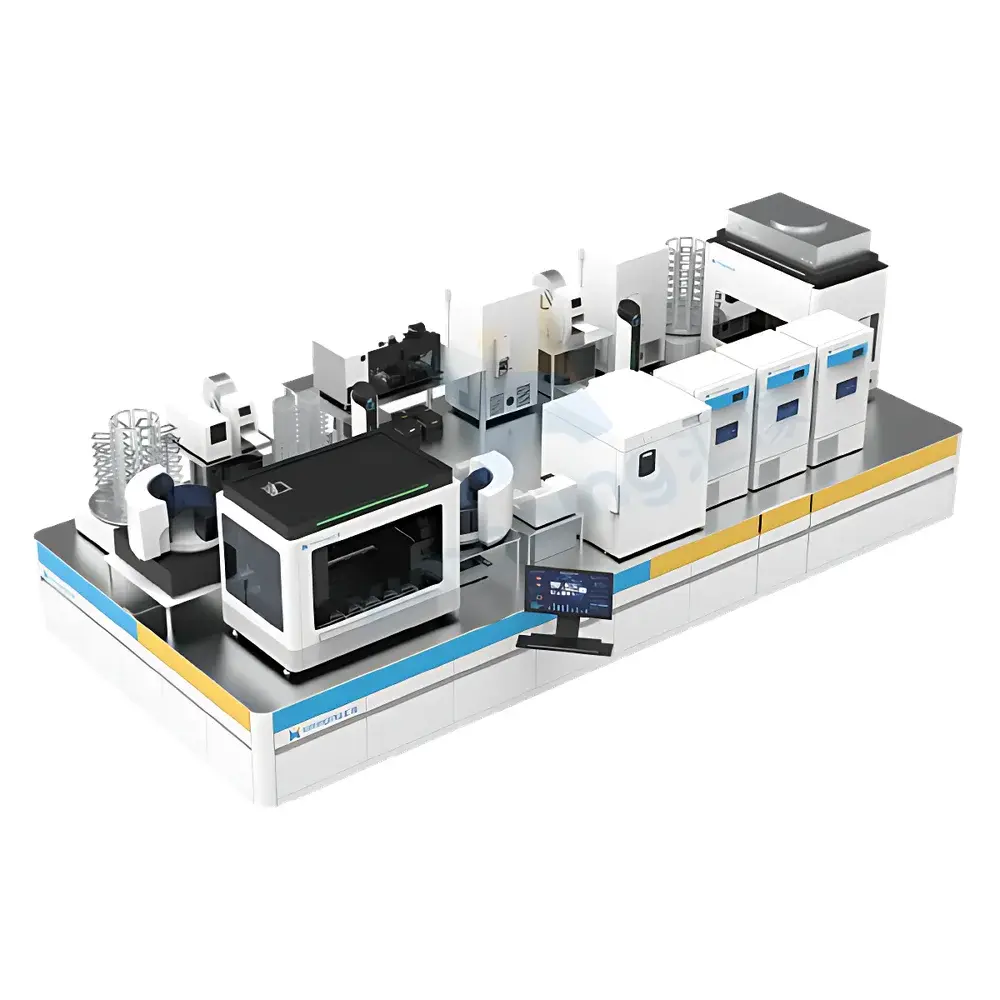
The X-imaging Smart Plasmid Construction and Extraction Automation System is an integrated, closed-loop laboratory platform engineered for end-to-end automation of plasmid-based molecular cloning workflows. Built upon modular robotics architecture and standardized liquid handling principles, the system implements a sequence of precisely orchestrated unit operations—including PCR amplification, ligation, bacterial transformation (via electroporation or heat shock), agar plate dispensing and coating, colony isolation, static and shaking incubation, single-colony picking, alkaline lysis-based plasmid purification, and spectrophotometric/fluorometric QC—within a single, unified hardware ecosystem. Its core measurement and control logic adheres to fundamental molecular biology protocols defined by ISO 15190:2020 (medical laboratories — requirements for safety) and aligns with GLP-compliant experimental traceability frameworks. The system operates under positive-pressure HEPA-filtered airflow (ISO Class 5 equivalent) combined with UV-C irradiation cycles between runs, minimizing aerosol-mediated cross-contamination and enabling reproducible, low-bioburden processing of sensitive nucleic acid constructs.
Key Features
- High-Throughput Colony Picking: Equipped with 10 µm/pixel resolution imaging optics and AI-driven morphology classification algorithms, achieving >98% single-colony identification accuracy across diverse E. coli strains and growth conditions.
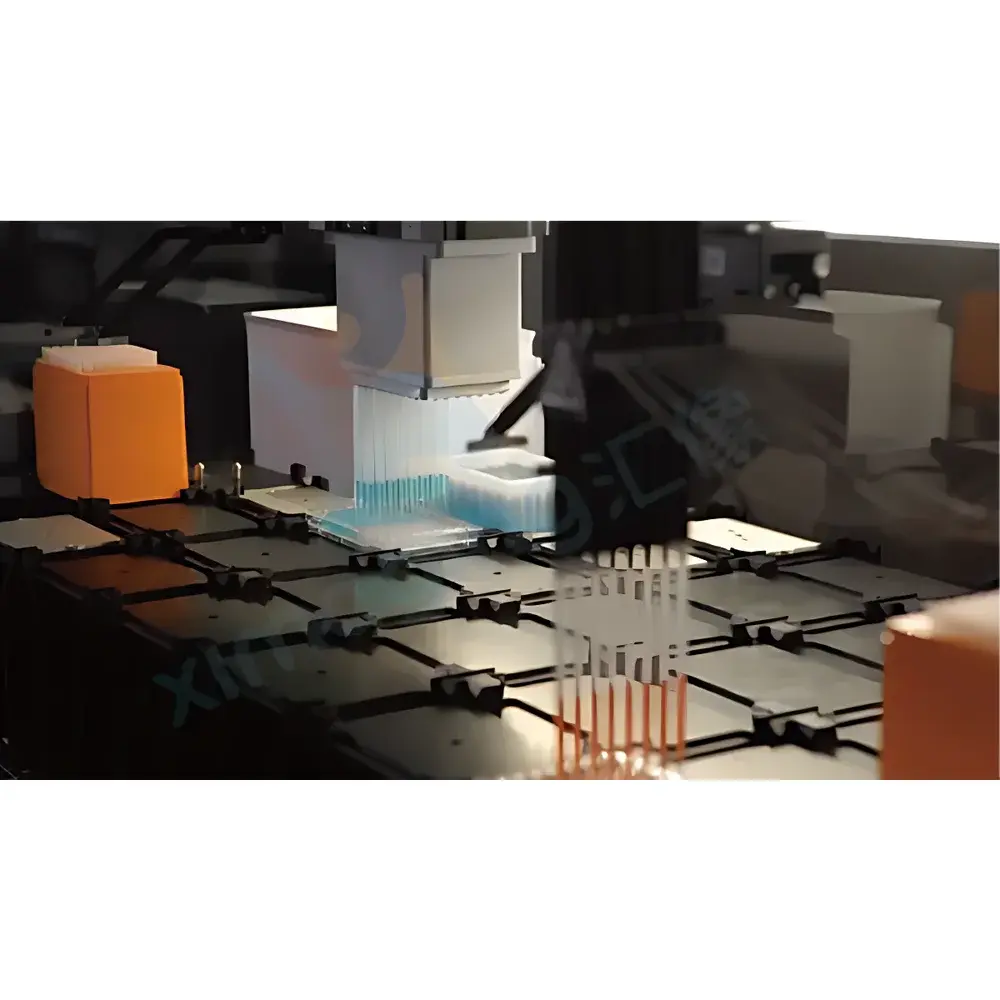
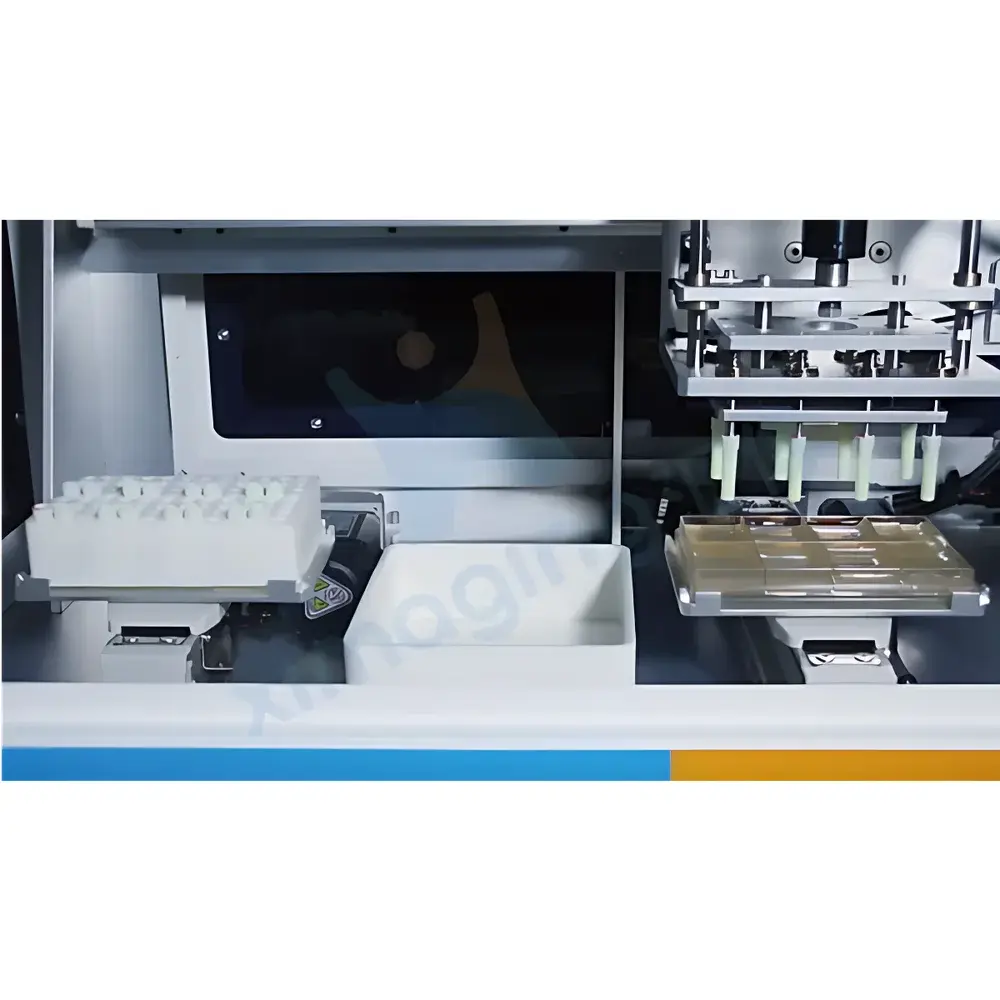
- Integrated Liquid Handling Precision: Dual-channel positive-displacement pipetting modules calibrated per ISO 8655-6, supporting volume ranges from 1 µL to 1,000 µL with CV ≤ 2.5% at 10 µL and ≤ 1.0% at 100 µL.
- Contamination-Controlled Environment: Enclosed laminar flow chamber with real-time HEPA integrity monitoring, programmable UV-C sterilization cycles (254 nm, ≥30 mJ/cm² dose), and disposable, pre-sterilized consumables certified to ISO 11137.
- Full Workflow Traceability: Electronic Lab Notebook (ELN) integration logs all instrument actions—including thermal cycling profiles, transformation parameters, pick coordinates, lysis buffer lot numbers, and A260/A280 ratios—with immutable timestamps and user authentication (21 CFR Part 11–compliant audit trail).
- Regulatory-Ready Reporting: Automated generation of GLP-aligned summary reports including plasmid yield (µg/mL), purity (A260/A280 ≥ 1.8), supercoiled fraction (via capillary electrophoresis module option), and full chain-of-custody metadata for FDA IND/BLA or EMA CTA submissions.
Sample Compatibility & Compliance
The system supports standard cloning vectors (pUC, pET, pGEX families), BACs, and CRISPR plasmid backbones in DH5α, TOP10, BL21(DE3), and electrocompetent strains. All wetted surfaces contact only USP Class VI-certified polymers; consumables include sterile, nuclease-free 96-well PCR plates, deep-well blocks, agar-coated Petri dishes, and silica-membrane spin columns validated per ISO 13485:2016. The platform meets ISO/IEC 17025:2017 requirements for testing laboratories and incorporates built-in calibration verification routines aligned with ASTM E2500-13 (good practice for specification and qualification of pharmaceutical manufacturing equipment).
Software & Data Management
Control software runs on a validated Windows 10 IoT Enterprise OS image with role-based access control (RBAC), encrypted local storage, and optional TLS 1.2–secured API endpoints for LIMS/SAP integration. Method templates are version-controlled and digitally signed; raw image data, thermal logs, and ELN entries are archived in vendor-agnostic HDF5 format. Audit trails capture operator ID, timestamp, parameter changes, and error recovery events—fully compliant with 21 CFR Part 11 Subpart B (electronic records and signatures) and EU Annex 11 (computerized systems). Optional cloud backup adheres to GDPR Article 32 technical safeguards.
Applications
This system is deployed in regulated R&D environments requiring high-fidelity plasmid production for: therapeutic mRNA vector manufacturing (e.g., lipid nanoparticle formulation support); AAV and lentiviral vector backbone construction; CRISPR gRNA library generation; synthetic biology chassis optimization (e.g., yeast, Bacillus subtilis); agricultural trait plasmid screening (e.g., herbicide resistance cassettes); and industrial enzyme expression strain development. Its reproducibility profile supports DOE-based process characterization per ICH Q5D and facilitates comparability studies during tech transfer.
FAQ
Does the system support both heat-shock and electroporation-based transformations?
Yes—integrated thermal cyclers deliver precise 42°C/90-sec heat shock protocols, while optional electroporation modules provide programmable voltage (1.0–2.5 kV), capacitance (10–25 µF), and resistance (200–1,000 Ω) settings per cuvette batch.
Can third-party plasmid purification kits be used?
The system is validated for use with proprietary X-imaging silica-membrane kits; however, open protocol mode allows custom method loading for select commercial kits meeting dimensional and centrifugation torque specifications.
Is remote monitoring supported?
Real-time status dashboards, email/SMS alerts for critical events (e.g., door open, UV lamp failure), and secure VNC-based remote diagnostics are available via optional enterprise license.
What regulatory documentation is provided?
Each shipment includes IQ/OQ documentation packages, risk assessment (ISO 14971), cybersecurity validation report (IEC 62443-3-2), and a Certificate of Conformance to ISO 9001:2015 and ISO 13485:2016.
Related Products




