
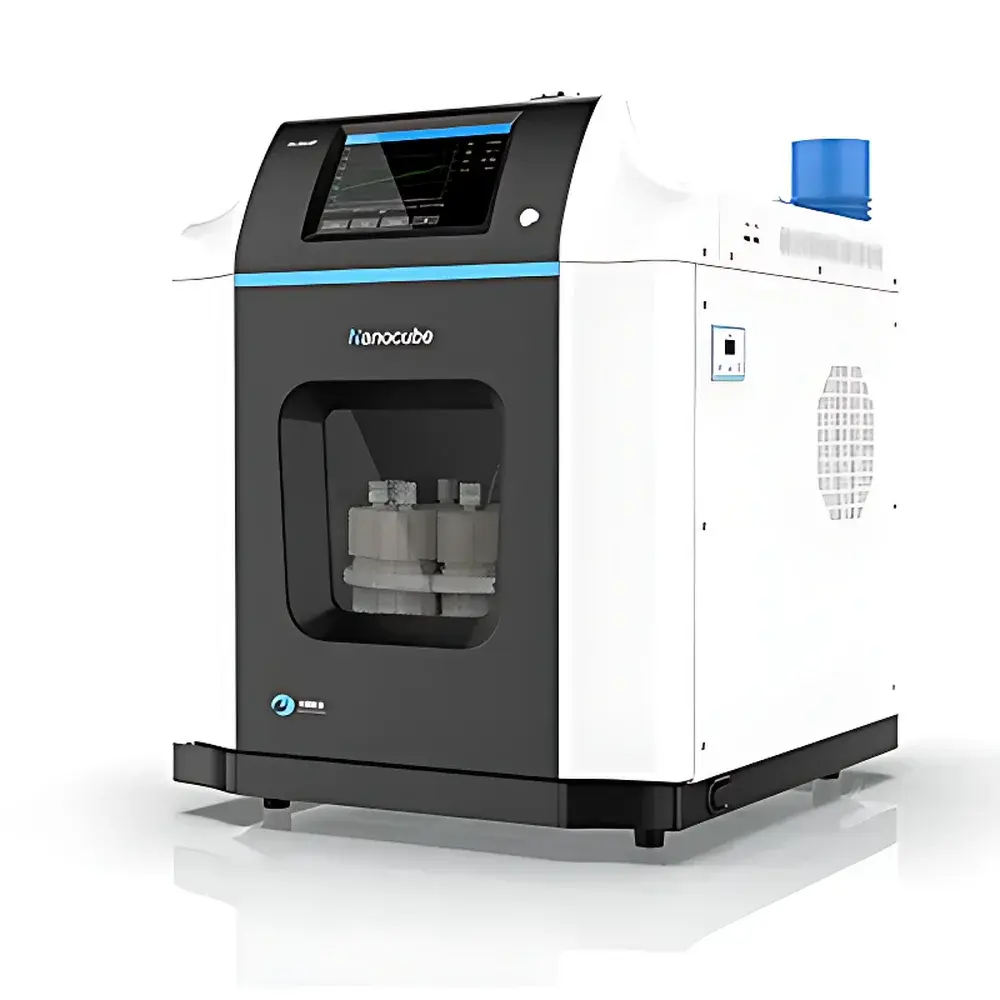
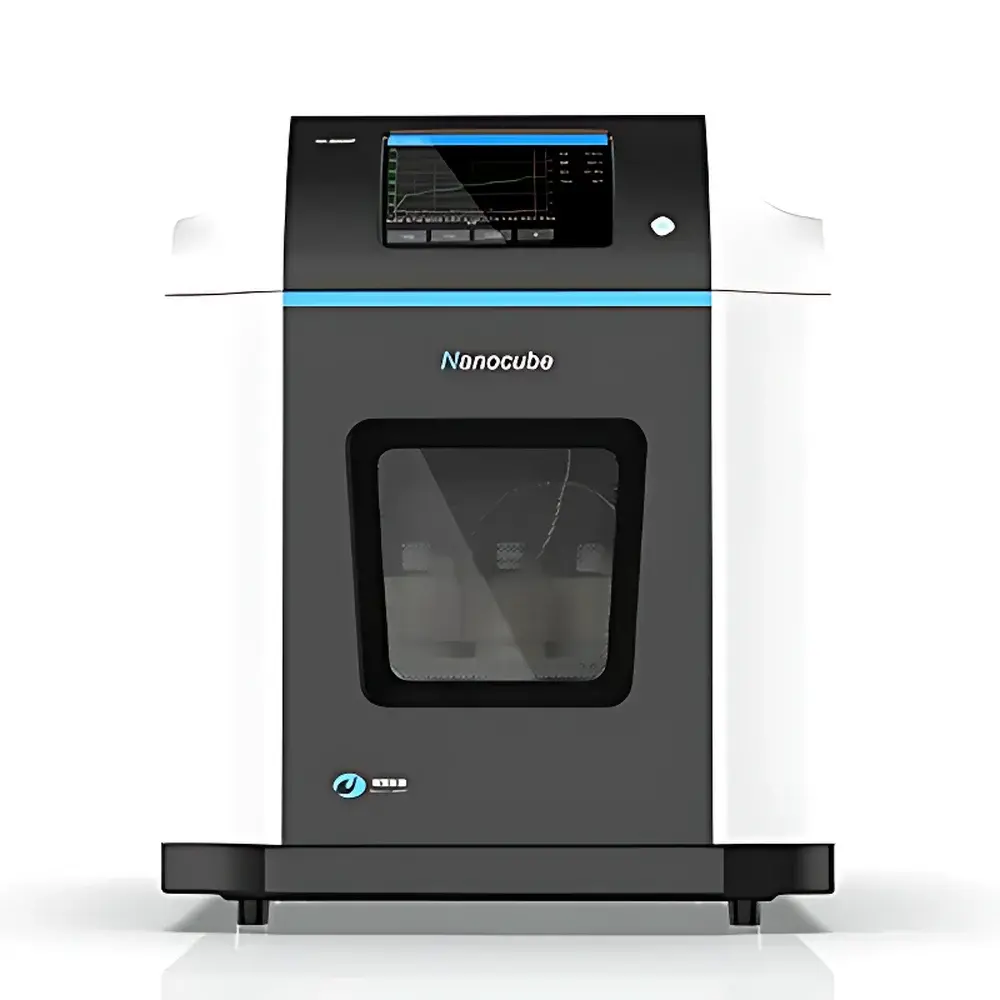
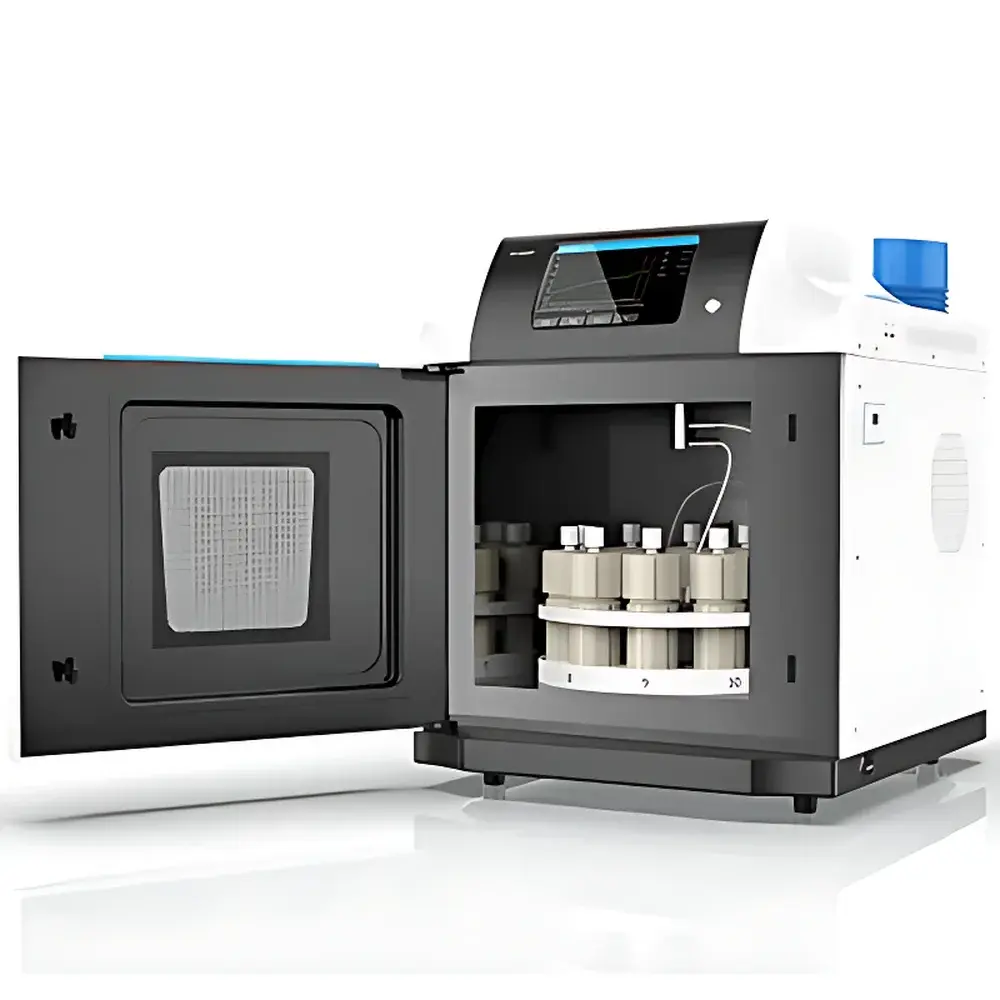
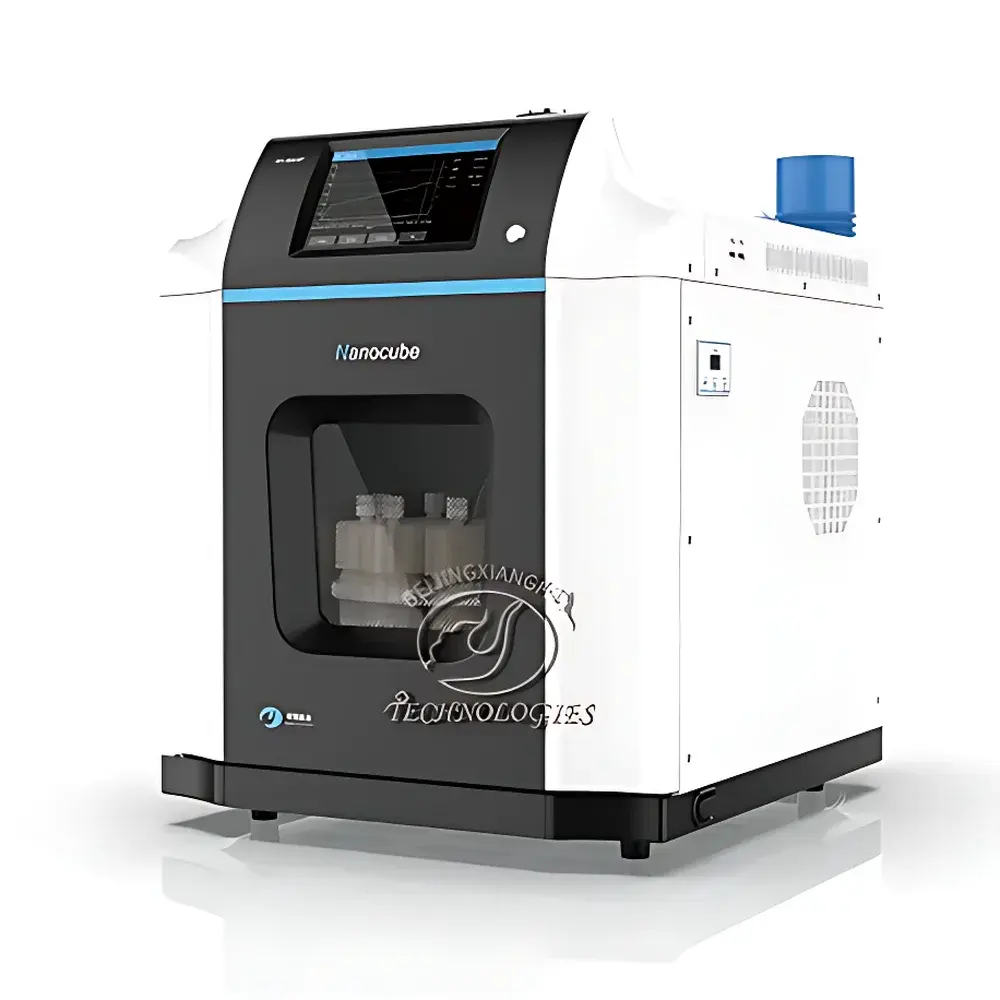
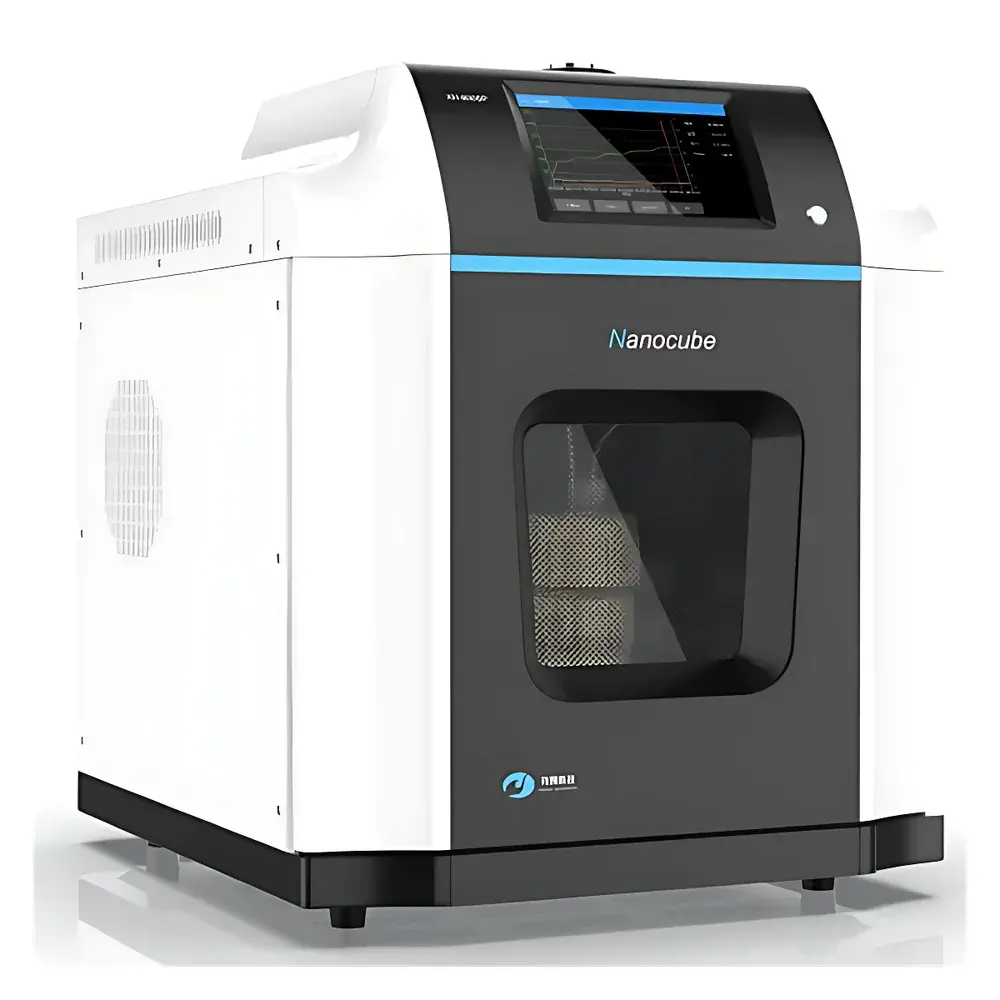
XH-800SP Nanocube Multi-Mode Microwave Hydrothermal Parallel Synthesizer
| Brand | Xianghu |
|---|---|
| Origin | Beijing, China |
| Manufacturer Type | Original Equipment Manufacturer (OEM) |
| Instrument Category | Multi-Mode Microwave Synthesizer |
| Temperature Range | 0–300 °C (ambient pressure), 0–260 °C (high pressure) |
| Pressure Range | 0–6 MPa (max working), 10 MPa (burst rating) |
| Microwave Power Output | 0–1000 W, continuously adjustable with PID frequency modulation |
| Microwave Frequency | 2450 MHz |
| Stirring Method | Magnetic stirring (single- or multi-vessel, 360° coaxial rotation + individual magnetic stir bars) |
| Reaction Volumes | High-pressure vessels — 100 mL, 250 mL, 500 mL |
| Cavity Volume | 45 L, austenitic stainless steel (non-magnetic), PTFE-coated interior |
| Touch Interface | 8.0″ capacitive LCD (1920×1200), Android OS, quad-core 1.2 GHz CPU, 2 GB RAM, 16 GB storage |
| Real-time Monitoring | Pt1000 contact sensor (±0.1 °C measurement accuracy, ±1 °C control accuracy) |
| Safety Compliance | Microwave leakage <5 mW/cm² (per GB 10436 & IEC 61000-3-2) |
Overview
The XH-800SP Nanocube Multi-Mode Microwave Hydrothermal Parallel Synthesizer is an engineered platform for controlled, reproducible synthesis under both ambient and elevated pressure–temperature conditions. It operates on the principle of dielectric heating via 2450 MHz microwave irradiation, enabling rapid, volumetric energy deposition into reaction mixtures—distinct from conventional conductive heating. Its dual-mode architecture integrates sealed high-pressure hydrothermal synthesis (up to 6 MPa / 260 °C) with open-vessel solvent-based reactions (up to 300 °C), supporting a broad operational envelope for solid-state chemistry, nanomaterial nucleation, crystallization kinetics, and catalytic process development. The 45 L industrial-grade cavity—fabricated from non-magnetic austenitic stainless steel with multi-layer PTFE coating—ensures uniform field distribution, corrosion resistance, and long-term thermal stability. Unlike single-mode cavities limited to small sample volumes, the Nanocube’s multi-mode design accommodates parallel processing across up to ten independent reaction vessels while maintaining stringent thermal and pressure control.
Key Features
- Multi-condition synthesis capability: seamless switching between ambient-pressure reflux, sealed high-pressure hydrothermal, and solvent-free microwave-assisted reactions
- Intelligent ARM-based control system running Android OS with 8.0″ high-resolution capacitive touchscreen, real-time video capture (12 MP camera), and synchronized temperature–pressure curve logging
- Pt1000 contact temperature sensing with ±0.1 °C measurement precision and ±1 °C closed-loop control accuracy; pressure monitoring at ±0.01 MPa resolution
- Dual-axis agitation: coaxial 360° rotating turntable combined with individual magnetic stir bars in each vessel—effective for heterogeneous, precipitating, or viscous systems
- Safety-engineered pressure management: rupture-disc–based passive overpressure relief (designed to vent radially without compromising vessel integrity), dual-stage pressure cutoff logic, and automatic microwave shutoff upon sensor fault detection
- Robust thermal management: high-capacity acid-resistant centrifugal exhaust fan (5 m³/min), post-reaction forced-air cooling with auto-alert at ≤40 °C, and thermally insulated cavity door with microswitch interlock
Sample Compatibility & Compliance
The Nanocube supports a wide range of chemistries including metal–organic framework (MOF) crystallization, transition-metal oxide nanoparticle synthesis (e.g., TiO₂, Fe₃O₄), perovskite precursor formation, and hydrothermal carbonization. Vessels are constructed with PEEK-composite outer jackets (rated to 10 MPa burst pressure) and chemically inert PTFE inner liners—compatible with strong acids (HF excluded), alkalis, and organic solvents under elevated conditions. The instrument complies with ISO 9001 quality management requirements and meets Chinese national electromagnetic safety standards (GB 10436) for laboratory microwave devices. While not pre-certified to FDA 21 CFR Part 11 or EU GMP Annex 11, its audit-ready data logging (time-stamped, user-ID–tagged, tamper-evident USB export) supports GLP-aligned workflows in academic and industrial R&D laboratories.
Software & Data Management
The embedded Android interface allows creation of up to 20-step programmable reaction protocols, including ramp-hold-cool sequences, power-scheduled profiles, and conditional triggers (e.g., “hold at 180 °C until pressure stabilizes at 4.2 MPa”). All sensor data—including temperature, pressure, microwave power, stir speed, and video—are time-synchronized and stored internally or exported via USB to standard CSV/AVI formats. No proprietary software installation is required for playback: raw datasets and video logs are natively viewable on Windows, macOS, or Linux platforms using common media and spreadsheet applications. Metadata fields include operator ID, timestamp, vessel ID, and environmental notes—facilitating traceability in multi-user lab environments.
Applications
- Nanomaterial synthesis: rapid, size-controlled preparation of quantum dots, layered double hydroxides (LDHs), and mesoporous silica under reproducible kinetic conditions
- Inorganic crystal growth: hydrothermal synthesis of zeolites, phosphors (e.g., YAG:Ce), and piezoelectric ceramics with reduced reaction times vs. conventional autoclaves
- Catalyst development: microwave-accelerated immobilization of Pd, Ni, or Co nanoparticles on carbon or metal oxide supports
- Biomass conversion: solvent-free or aqueous-phase depolymerization of lignin or cellulose derivatives
- Method optimization: parallel screening of reaction parameters (T, P, time, stoichiometry) across 1–10 vessels with identical microwave exposure history
FAQ
What safety certifications does the XH-800SP hold?
It is certified to ISO 9001 and complies with GB 10436 for microwave radiation safety (<5 mW/cm² leakage). Structural pressure components meet ASME BPVC Section VIII Division 1 design principles, though formal third-party pressure vessel certification is not included.
Can the instrument be integrated into a LIMS or ELN environment?
Yes—CSV-formatted reaction logs and metadata are fully compatible with common laboratory informatics systems. No API or direct database connection is provided, but batch-exported files support automated ingestion via scripting or middleware.
Is remote monitoring or control supported?
Local wireless (Wi-Fi) connectivity enables screen mirroring and file transfer, but no cloud-based remote access or control is implemented for security and regulatory reasons.
What maintenance is required beyond annual calibration?
Routine inspection of door seal integrity, turntable bearing lubrication, and PTFE liner wear is recommended every 200 operating hours. Magnetron output verification is advised biannually using calibrated calorimetric load testing.
Are custom vessel geometries or materials available?
Standard configurations use PTFE/PEEK composites. Custom quartz or zirconia liners may be fabricated upon request, subject to pressure–temperature derating and lead-time validation.
Related Products



