
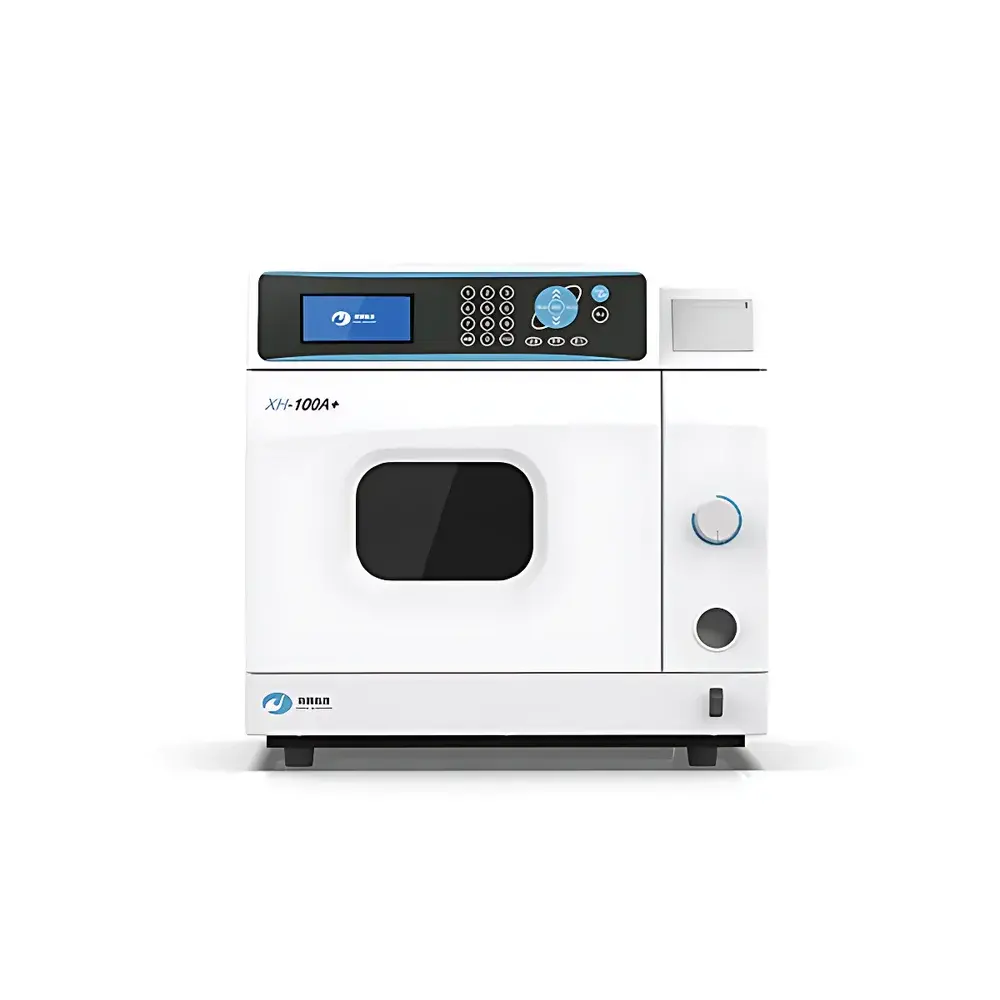
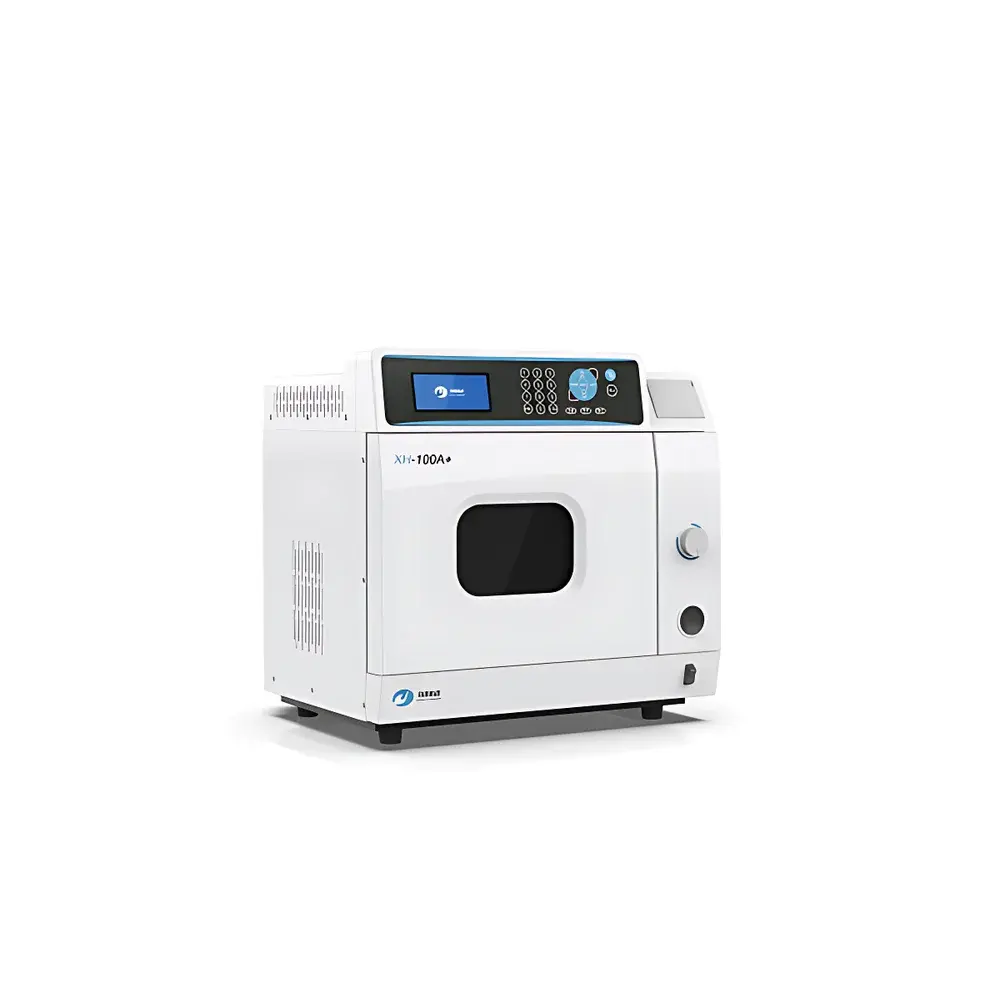
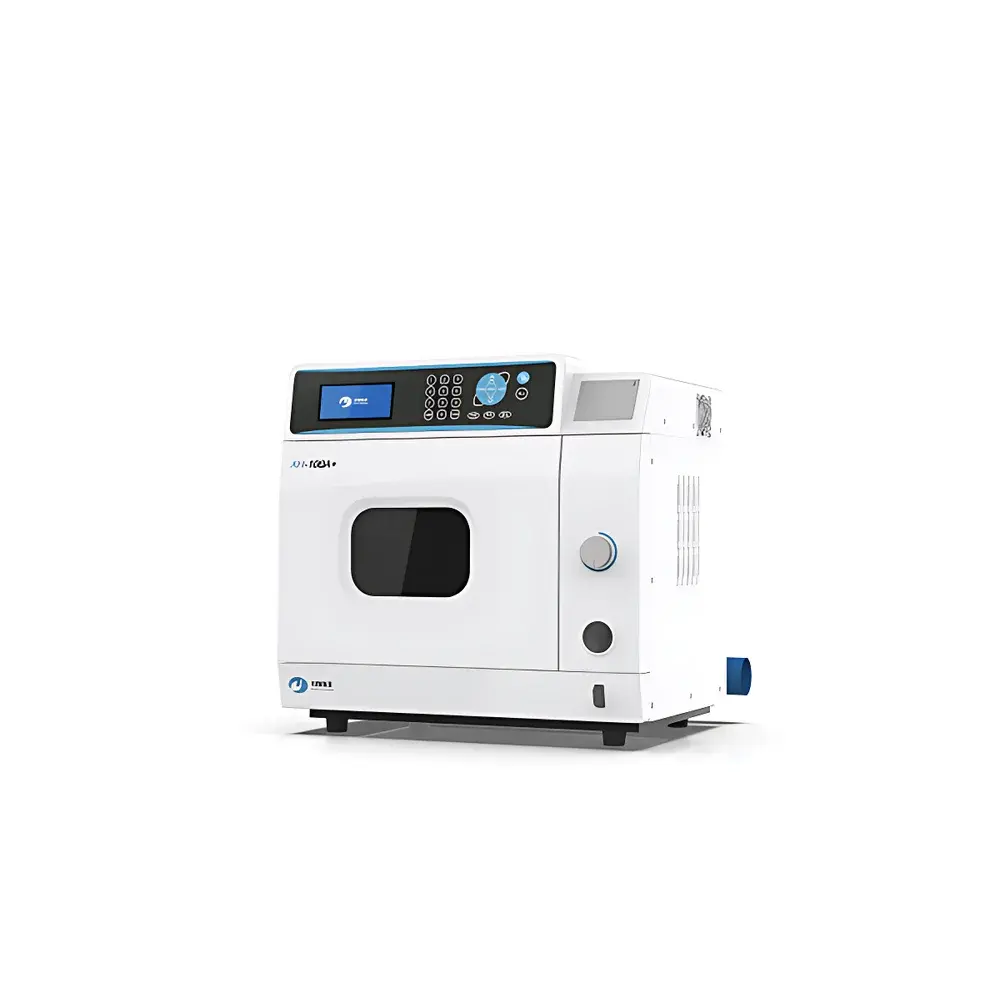
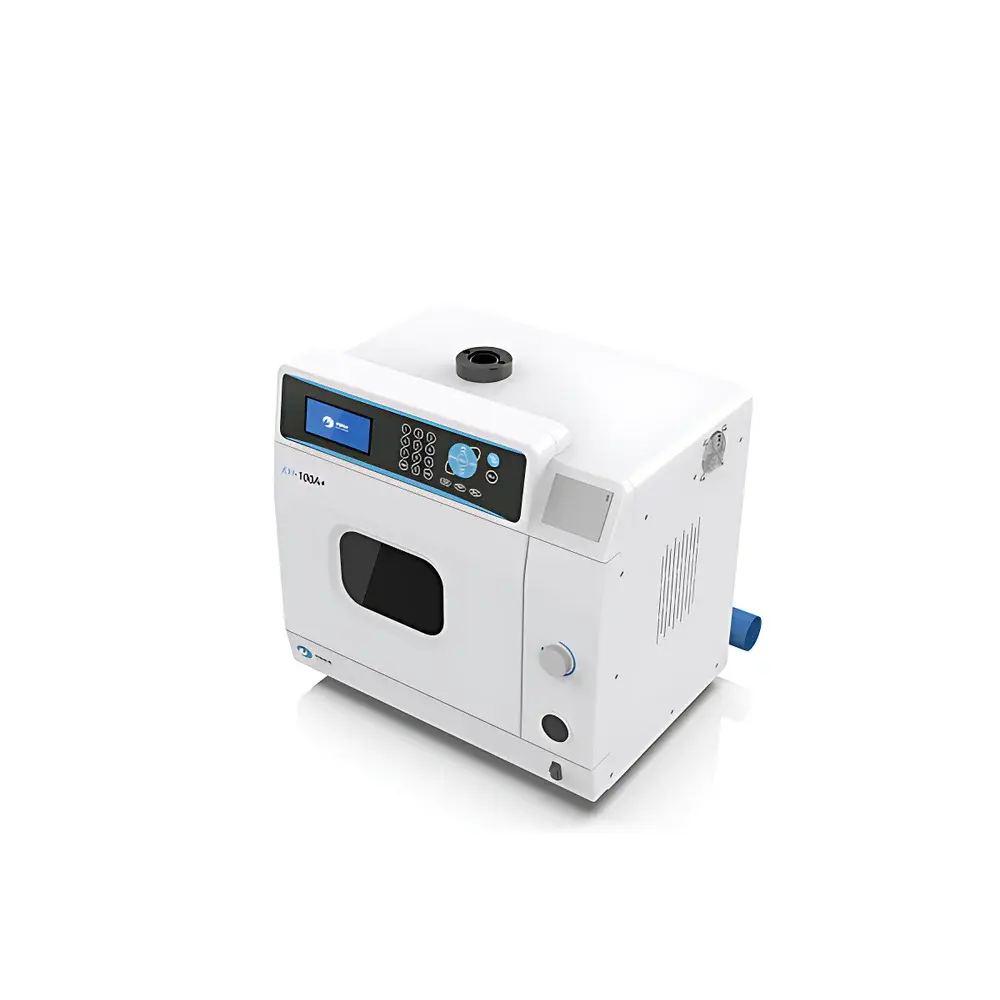
Xianghu XH-100A+ Microwave-Assisted Synthesis and Extraction System
| Brand | Xianghu |
|---|---|
| Origin | Beijing, China |
| Manufacturer Type | Direct Manufacturer |
| Product Origin | Domestic (China) |
| Model | XH-100A+ |
| Price Range | USD 140–7,200 (based on configuration) |
| Temperature Range | 0–300 °C |
| Maximum Pressure | Not rated for pressurized operation (atmospheric-only) |
| Microwave Power Output | 0–1000 W (adjustable, continuous) |
| Magnetron Frequency | 2450 MHz |
| Stirring Mechanism | Magnetic stirring (integrated) |
| Reaction Vessel Capacity | 10–1500 mL (compatible with standard borosilicate glass or quartz vessels) |
Overview
The Xianghu XH-100A+ Microwave-Assisted Synthesis and Extraction System is an atmospheric-pressure, benchtop microwave reactor engineered for reproducible, energy-efficient chemical synthesis, catalytic reactions, and solvent-based extraction in academic, industrial R&D, and quality control laboratories. Unlike sealed-vessel high-pressure microwave synthesizers, the XH-100A+ operates under ambient pressure conditions—making it suitable for open-vessel reflux, distillation-integrated reactions, and temperature-sensitive extractions where pressure containment is unnecessary or undesirable. Its core architecture employs a 2450 MHz magnetron source coupled with a mode-stirred cavity and real-time infrared temperature monitoring to deliver uniform, controllable microwave energy absorption across heterogeneous reaction mixtures. The system is designed for rapid thermal ramping, precise endpoint temperature regulation, and consistent power delivery—enabling accelerated reaction kinetics without thermal runaway or localized superheating.
Key Features
- Continuous microwave power control from 0 to 1000 W, enabling fine-tuned energy input for optimization of reaction selectivity and yield.
- Real-time non-contact IR temperature sensing (0–300 °C range) with ±1 °C accuracy, integrated directly above the reaction vessel for representative bulk-phase measurement.
- Dual-mode magnetic stirring: adjustable speed (0–1200 rpm) with automatic synchronization to microwave activation to ensure homogeneity during heating.
- Modular reaction chamber accommodating vessels from 10 mL micro-tubes to 1500 mL round-bottom flasks—compatible with standard borosilicate glass, quartz, and PTFE-lined containers.
- Intuitive touchscreen interface with pre-programmed method templates (e.g., “Solid-Liquid Extraction”, “Catalyst Screening”, “Solvent Reflux”) and user-defined protocol storage (up to 50 methods).
- Passive cooling ventilation system with thermal cutoff protection at 320 °C and overcurrent circuit interruption to meet IEC 61010-1 safety requirements.
Sample Compatibility & Compliance
The XH-100A+ supports a broad range of sample types—including solid catalysts, powdered reagents, liquid-phase organic solvents (e.g., ethanol, ethyl acetate, DMF), aqueous suspensions, and botanical matrices—without requiring specialized pressure-rated vessels. It complies with CE marking directives (2014/30/EU EMC and 2014/35/EU LVD) and conforms to ISO/IEC 17025-relevant operational traceability when used with calibrated IR sensors and validated protocols. While not certified for GLP/GMP production environments, its data logging capability (time-stamped temperature/power profiles) supports audit-ready documentation for method development and comparative studies per ASTM E2915-22 (Standard Guide for Evaluating Microwave-Assisted Chemical Reactions).
Software & Data Management
The embedded firmware records all operational parameters—including time, setpoint temperature, actual IR-measured temperature, applied microwave power (% and W), stirring speed, and elapsed run duration—with 1-second resolution. Export is supported via USB 2.0 to CSV format for post-acquisition analysis in MATLAB, OriginLab, or Excel. No cloud connectivity or remote access is implemented; data remains local to preserve laboratory IT security policies. Audit trail functionality includes operator ID entry (optional alphanumeric tag), method version stamping, and tamper-evident file naming (e.g., “XH100A+_EXTR_20240522_142833.csv”), aligning with basic FDA 21 CFR Part 11 principles for non-GxP research use.
Applications
- Rapid screening of heterogeneous catalysts (e.g., Pd/C, Ni nanoparticles) in C–C coupling or hydrogenation reactions under reflux conditions.
- Green extraction of phytochemicals (e.g., polyphenols, flavonoids, essential oils) from plant biomass using ethanol/water mixtures—reducing extraction time from hours to minutes.
- Synthesis of metal–organic frameworks (MOFs) and covalent organic frameworks (COFs) via solvothermal routes adapted to open-vessel protocols.
- Accelerated aging studies of polymer additives or stabilizers under controlled thermal-microwave stress.
- Method development for ISO 1833-16 (determination of cellulose in textiles) and AOAC 999.08 (microwave-assisted fat extraction) adaptations.
FAQ
Can the XH-100A+ be used for high-pressure reactions?
No. It is explicitly designed for atmospheric-pressure operation only. Do not attempt to seal reaction vessels or exceed ambient pressure—no pressure sensor, safety interlock, or reinforced cavity is provided.
Is quartz vessel compatibility confirmed?
Yes. Quartz vessels (e.g., QZ-50, QZ-250) are fully supported and recommended for UV-transparent or high-temperature (>200 °C) applications where borosilicate may soften.
Does the system support external temperature probes?
No. Temperature feedback relies solely on the built-in IR sensor. Immersion probes are incompatible due to cavity geometry and microwave interference risks.
What maintenance is required for the magnetron?
The magnetron is sealed and maintenance-free under normal operating conditions. Lifetime expectancy exceeds 5,000 hours at ≤80% nominal power; replacement requires factory service.
How is method reproducibility ensured across different operators?
By enforcing standardized vessel geometry, fill volume (recommended 30–70% capacity), and stir bar size—documented in the user manual’s “Reproducibility Protocol” appendix (Section 4.2).



