
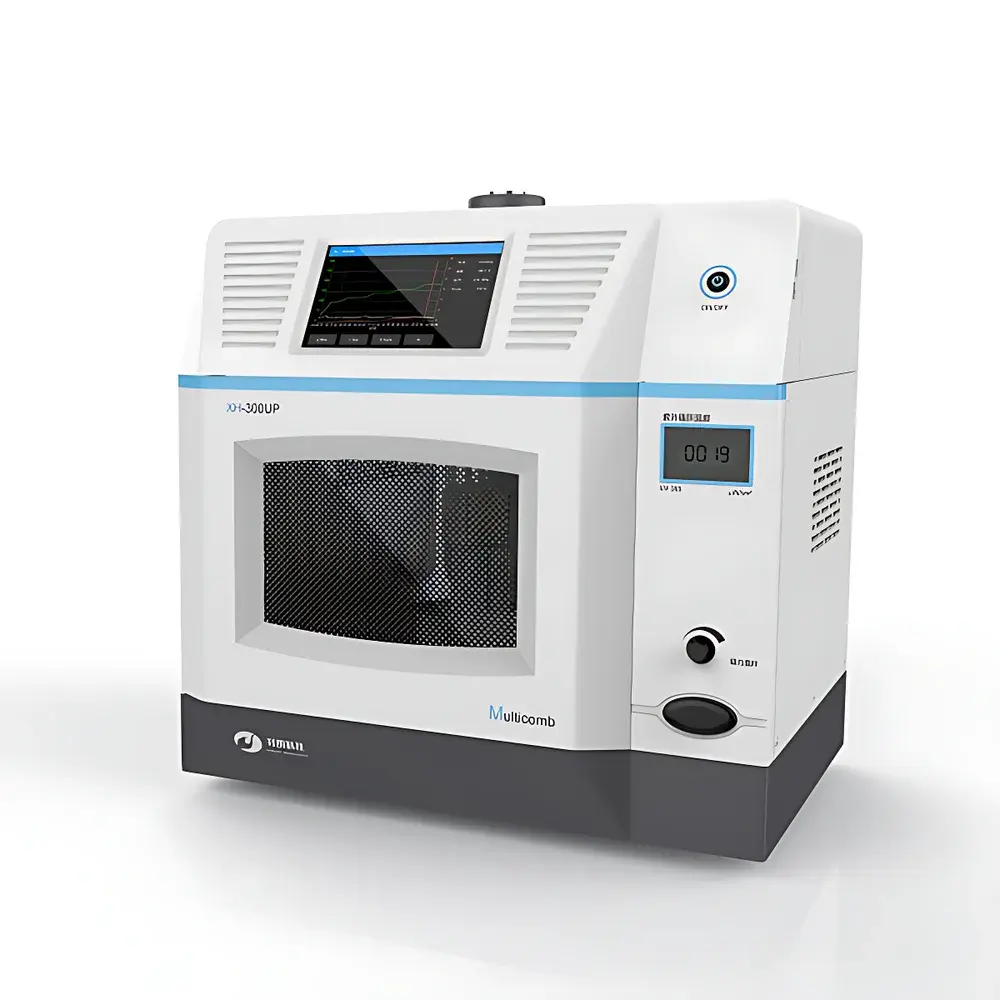
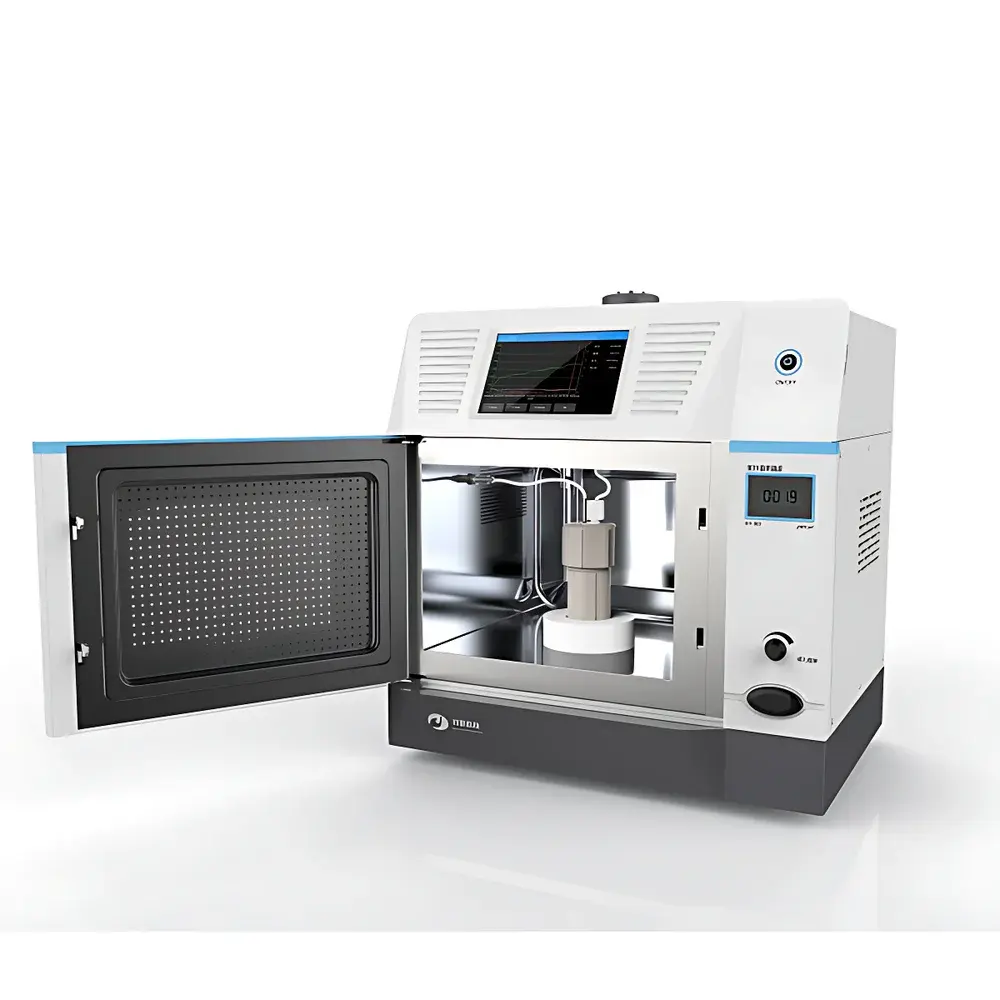
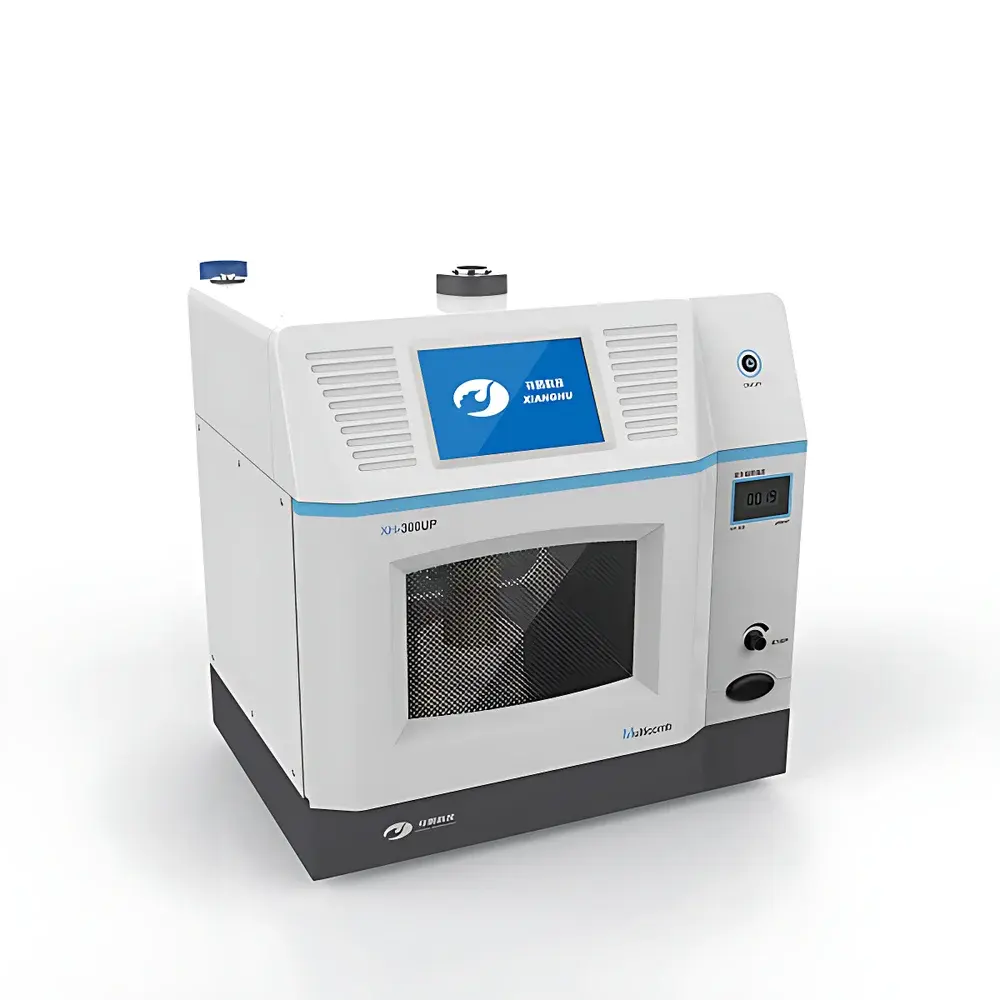
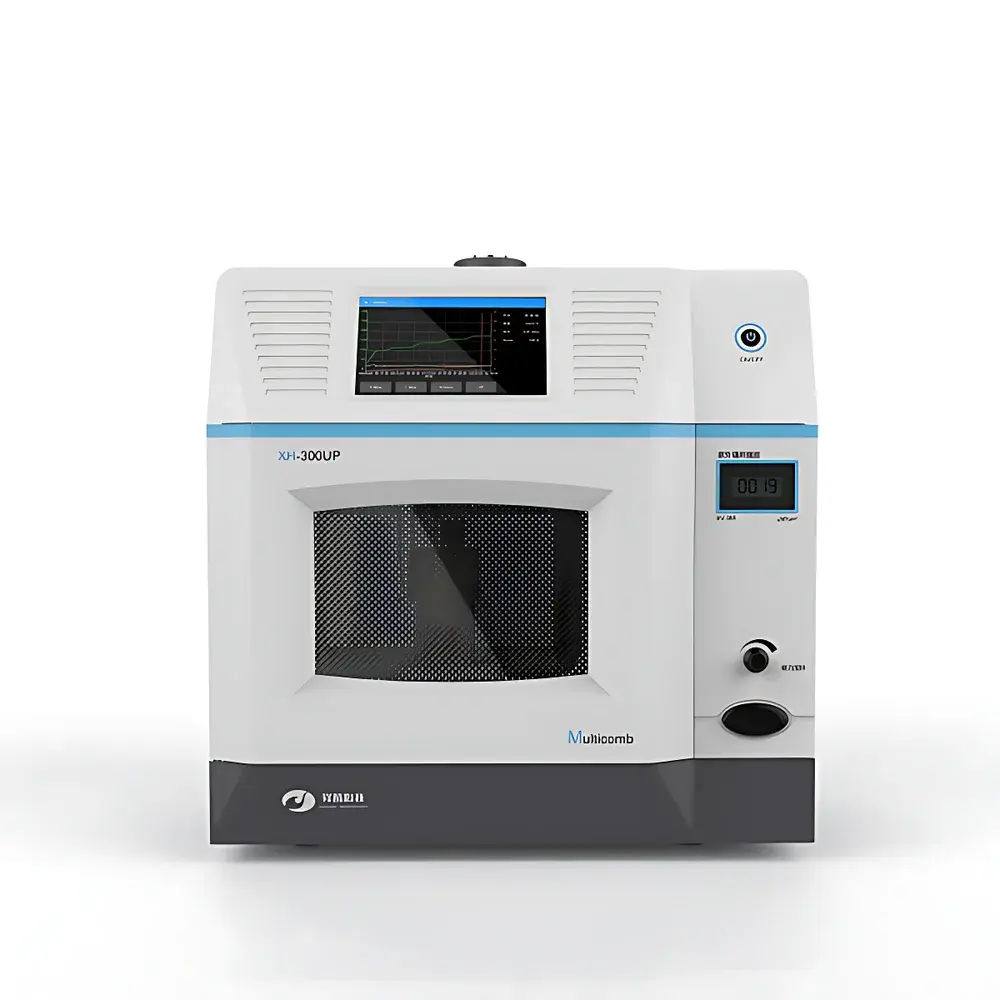
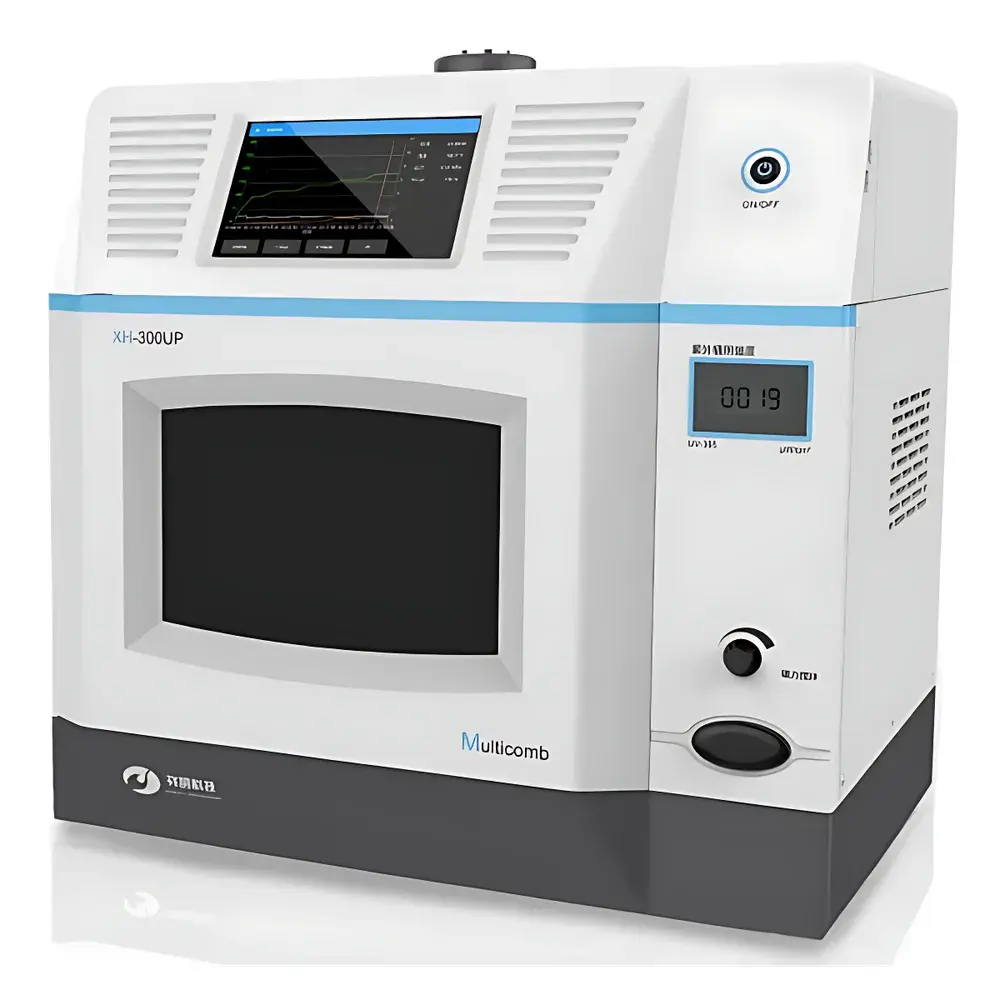
Xianghu XH-300UP Multicomb Microwave-Ultrasound-UV Integrated Synthesis Reactor
| Brand | Xianghu |
|---|---|
| Origin | Beijing, China |
| Manufacturer Type | Direct Manufacturer |
| Instrument Category | Multi-Mode Microwave Synthesis System |
| Temperature Range | 0–300 °C |
| Pressure Range | 0–6 MPa (Max Working Pressure: 6 MPa) |
| Microwave Power | 0–1000 W (Continuously Adjustable) |
| Magnetron Frequency | 2450 MHz |
| Stirring | High-Strength Magnetic Stirring System |
| Reaction Volume | 1 L |
| Ultrasonic Power | 0–1500 W (Continuously Adjustable) |
| Ultrasonic Frequency | 25 ± 1 kHz |
| UV Wavelength | 365 nm |
| UV Lamp Power | 250 W |
| UV Irradiance Range | 0.1–1.999 × 10⁵ μW/cm² |
| UV Out-of-Band Radiation (365 nm) | < 0.02% |
| Temperature Sensor | PT1000 Contact Probe (Sampling Rate: 150–200 Hz |
| Accuracy | ±0.1 °C |
| Control Accuracy | ±1 °C) |
| Pressure Sensor Accuracy | ±0.01 MPa |
| Cavity Material | Austenitic Non-Magnetic Stainless Steel (One-Piece Formed) |
| Max Camera Resolution | 12 MP |
| Display | 8-inch Color Touchscreen |
| Data Storage | Unlimited Reaction Protocols (10-Stage Programmable), USB Export for Temp/Pressure/Power/Time Curves & Video |
Overview
The Xianghu XH-300UP Multicomb Microwave-Ultrasound-UV Integrated Synthesis Reactor is an advanced multimodal platform engineered for precision-controlled chemical synthesis under synergistic energy inputs. It integrates three independent, co-regulated physical activation modalities—microwave dielectric heating (2450 MHz), high-intensity ultrasonic cavitation (25 ± 1 kHz), and near-UV photonic excitation (365 nm)—within a single, unified reaction chamber architecture. Unlike sequential or externally coupled systems, the XH-300UP enables true concurrent operation: microwave energy heats bulk reaction media volumetrically; ultrasound generates localized transient hotspots (>5000 K) and microturbulence via acoustic cavitation; and UV photons drive photochemical bond cleavage or radical initiation—particularly effective in TiO₂-mediated oxidations, photocatalytic C–H functionalizations, and polymerization kinetics. This tri-modal synergy reduces activation barriers, shortens reaction times by up to 70% versus conventional reflux, and improves selectivity in heterocycle formation, cross-coupling, and nanomaterial nucleation. The system operates under closed-vessel conditions with real-time monitoring of thermodynamic state variables—temperature (0–300 °C), pressure (0–6 MPa), irradiance (0.1–1.999 × 10⁵ μW/cm²), and acoustic power—making it suitable for method development compliant with ICH Q5, Q7, and ASTM E2875-22 guidelines for process analytical technology (PAT).
Key Features
- Triple-energy integration: Independently adjustable microwave (0–1000 W), ultrasonic (0–1500 W), and UV (250 W, 365 nm) modules with synchronized temporal control.
- High-fidelity process monitoring: PT1000 contact sensor (±0.1 °C accuracy, 150–200 readings/sec) and piezoresistive pressure transducer (±0.01 MPa) enable closed-loop temperature–pressure dual control.
- Adaptive ultrasonic subsystem: Auto-frequency tracking transducer maintains optimal acoustic coupling despite viscosity or phase changes; titanium alloy probes (Φ8 mm and Φ18 mm) support scalable vessel volumes (10–1500 mL).
- Robust reaction cavity: One-piece austenitic stainless steel resonator (non-magnetic, corrosion-resistant) with industrial-grade door seal meeting IEC 61000-4-3 EMC and EN 61000-3-2 harmonic emission standards.
- Programmable reaction logic: Up to 10-stage protocols with independent setpoints for microwave power, ultrasonic duty cycle, UV intensity, ramp rate, hold time, and safety limits.
- Visual process analytics: 12-megapixel real-time camera with on-screen overlay of thermal/pressure curves and irradiance values; video and CSV data export via USB 2.0.
Sample Compatibility & Compliance
The XH-300UP accommodates diverse sample types—including heterogeneous slurries (e.g., Pd/C-catalyzed Suzuki couplings), viscous ionic liquids, nanoparticle dispersions, and air-sensitive organometallics—via interchangeable reactor configurations: open reflux (with condenser/dropping funnel ports), sealed high-pressure vessels (100 mL PEEK/PTFE, rated to 6 MPa), and medium-pressure variants (250 mL, 4 MPa). All wetted parts comply with USP Class VI biocompatibility requirements. The instrument’s firmware implements audit-trail functionality per FDA 21 CFR Part 11 (electronic signatures, user-level access control, immutable parameter logs), and its quality management system is certified to ISO 9001:2015. Design validation includes electromagnetic leakage testing ( 15 °C/sec), and pressure relief verification per ASME BPVC Section VIII.
Software & Data Management
The embedded Linux-based control interface features an 8-inch capacitive touchscreen with intuitive drag-and-drop protocol builder. Each saved method includes metadata tags (user ID, timestamp, version), raw sensor streams (time-synchronized temperature/pressure/UV/US waveforms), and annotated video clips. Data exports as CSV (for MATLAB/Origin analysis) or MP4 (for publication-ready documentation). USB storage supports encrypted backup and GLP-compliant archiving. Firmware updates are delivered via signed OTA packages; all calibration coefficients are digitally signed and tamper-evident. The system supports optional network connectivity (Ethernet/Wi-Fi) for remote monitoring via secure HTTPS API—compatible with LabArchives ELN and Thermo Fisher SampleManager LIMS integrations.
Applications
- Accelerated discovery chemistry: Rapid screening of catalysts (Ni, Cu, Pd) in C–N, C–O, and C–S bond formations under microwave–UV cooperative activation.
- Nanomaterial synthesis: Controlled nucleation of metal–organic frameworks (MOFs), quantum dots (CdSe, CsPbBr₃), and plasmonic nanoparticles with narrow size distribution (PDI < 0.15).
- Green chemistry process intensification: Solvent-free esterifications, transesterifications, and amidations achieving >95% yield in ≤15 min at 120 °C/1.2 MPa.
- Pharmaceutical intermediate synthesis: Stereoselective epoxidations and asymmetric dihydroxylations under chiral photocatalyst (e.g., Ru(bpy)₃²⁺) + ultrasound enhancement.
- Materials crosslinking: UV-initiated thiol–ene polymerizations accelerated by microstreaming-induced monomer mixing, reducing gel time by 4× vs static UV exposure.
FAQ
What safety certifications does the XH-300UP hold?
The instrument complies with IEC 61010-1 (Laboratory Equipment Safety), IEC 61000-4-3 (EMC immunity), and EN 61326-1 (EMC emissions). Its pressure containment design follows ASME BPVC Section VIII Division 1, and full-system leakage testing meets IEEE C95.1 RF exposure limits.
Can the system operate unattended for extended periods?
Yes—continuous operation up to 99 hours is supported with automated fault detection (e.g., temperature deviation >±3 °C, pressure drift >0.1 MPa/min), emergency venting, and email/SMS alerts via optional IoT gateway.
Is method transfer between XH-300UP units reproducible?
Inter-unit variability is <±2.3% for identical protocols (n=5, k = 2), verified using NIST-traceable glycerol calibration standards and certified reference materials (CRM 1643e for UV irradiance).
Does the software support 21 CFR Part 11 compliance?
Yes—audit trail logging, electronic signatures, role-based permissions, and data integrity checks (SHA-256 hashing of exported files) are enabled by default and configurable via administrator mode.
What maintenance is required for long-term reliability?
Annual recalibration of PT1000 and pressure sensors is recommended; ultrasonic transducers require no routine servicing but benefit from quarterly impedance sweep verification. PTFE liners and O-rings are consumables with typical service life of 200–300 cycles.



