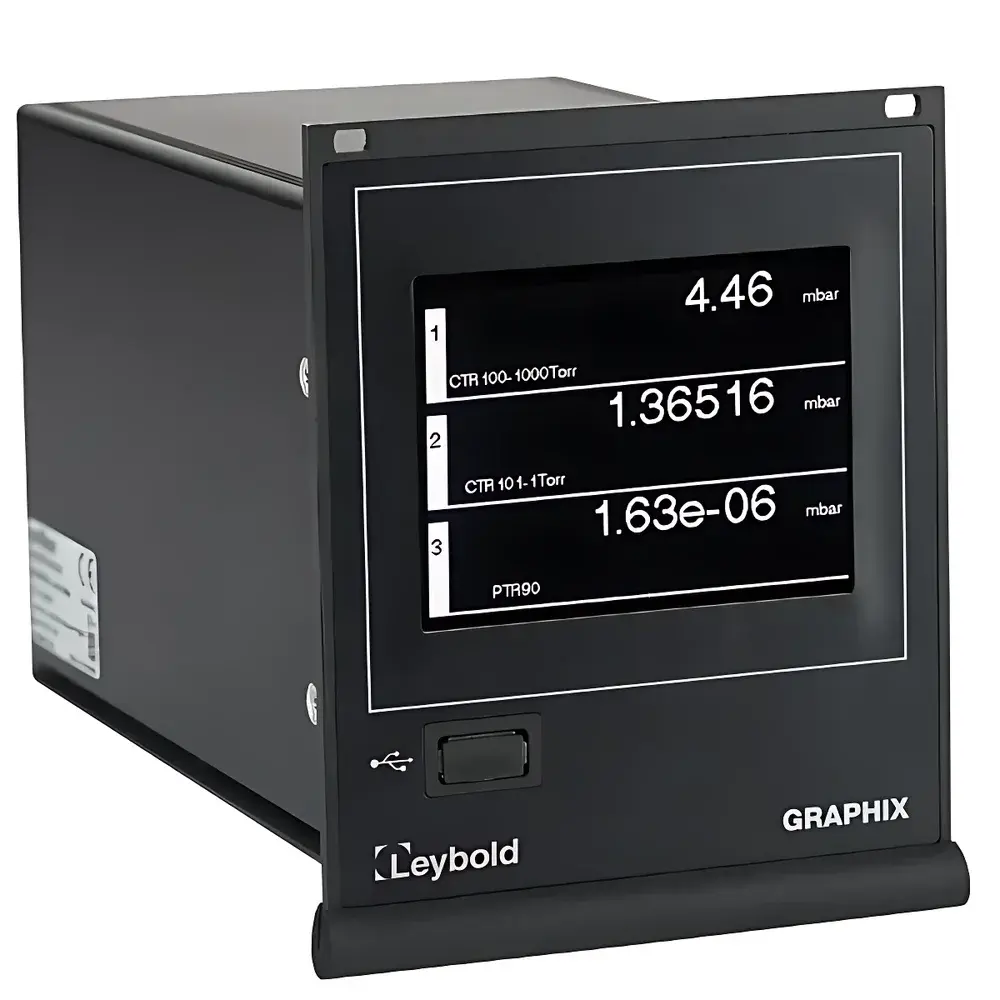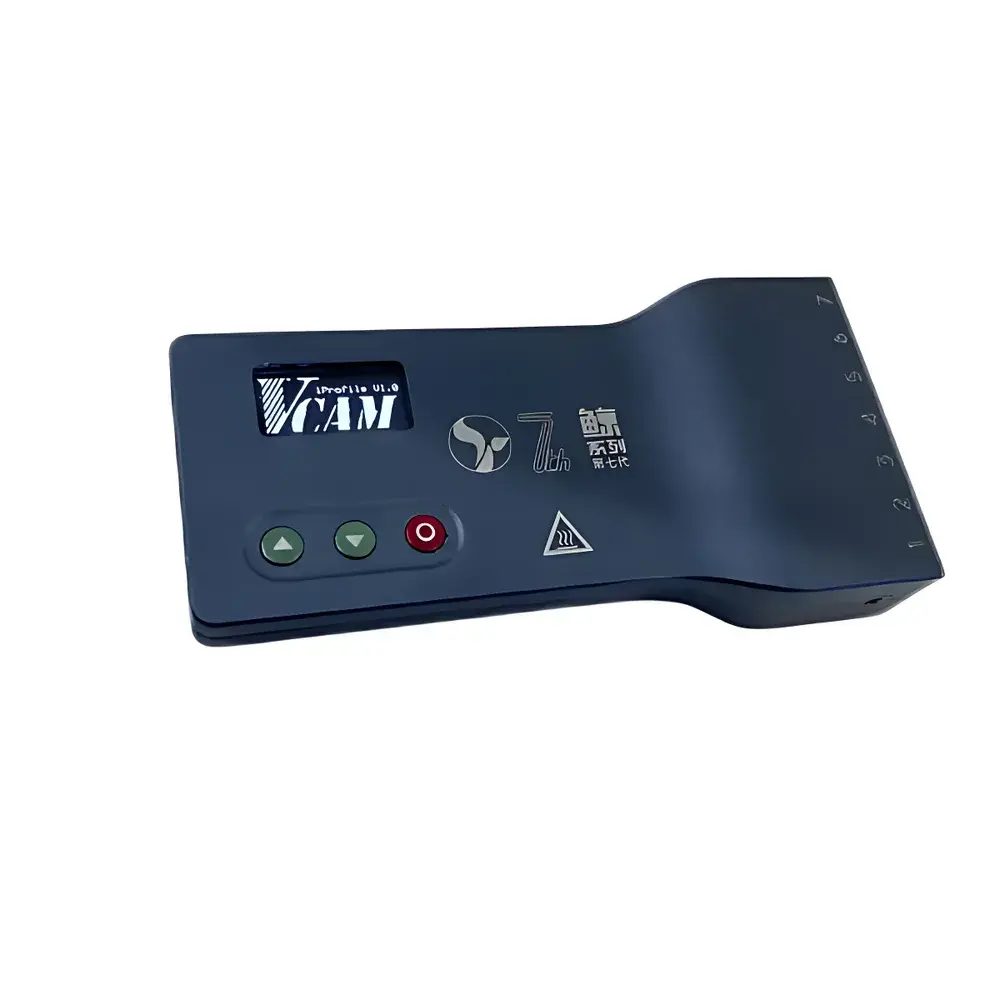
Xiatech T1000S 10-Channel Synchronized Precision Resistance Thermometer
| Brand | Xiatech |
|---|---|
| Origin | Shaanxi, China |
| Model | T1000S |
| Temperature Measurement Principle | Resistance-based (RTD/SPRT compatible) |
| Measurement Method | Contact |
| Temperature Range | −200 °C to +850 °C |
| Resolution | 0.001 °C |
| Accuracy | ±0.01 °C (full scale) |
| Long-term Stability | <5 mK/year |
| Channels | 10 simultaneous |
| Sampling Interval | 1 s per channel |
| Units | °C / °F / K / Ω |
| Built-in Standard | ITS-90 |
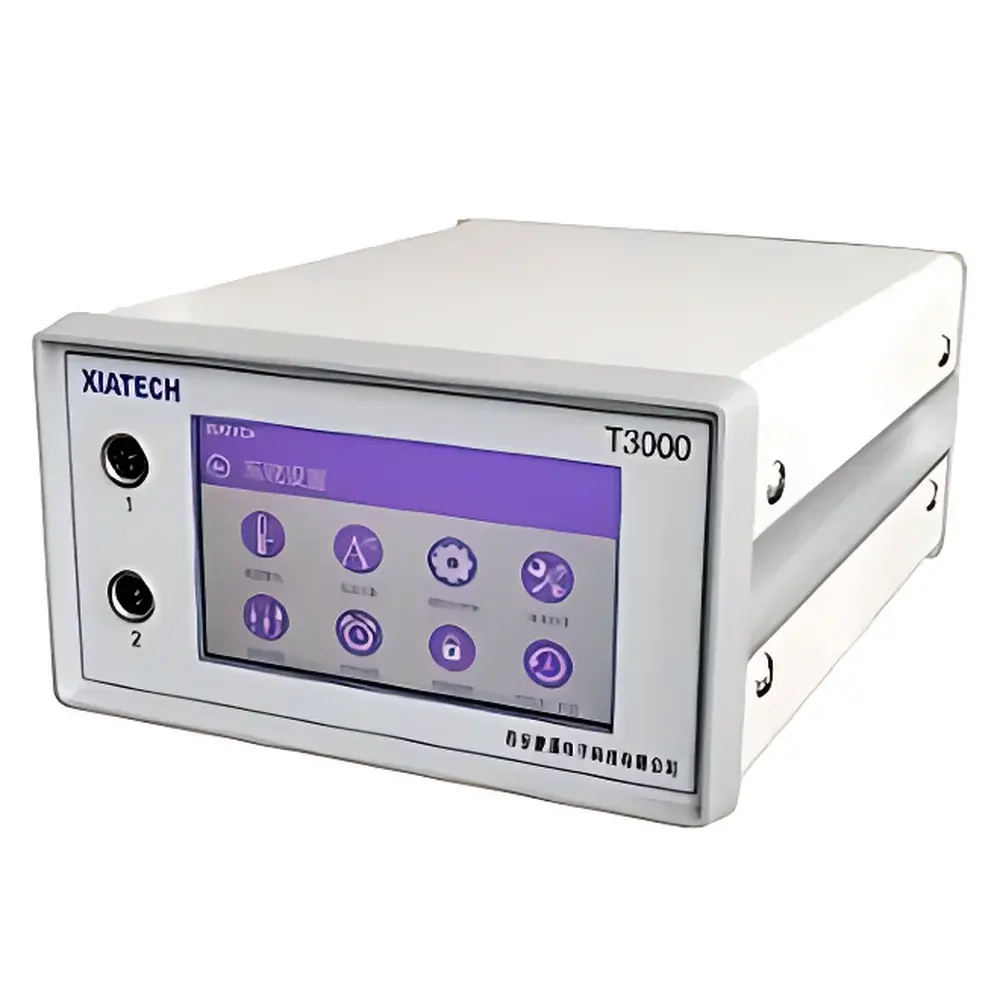
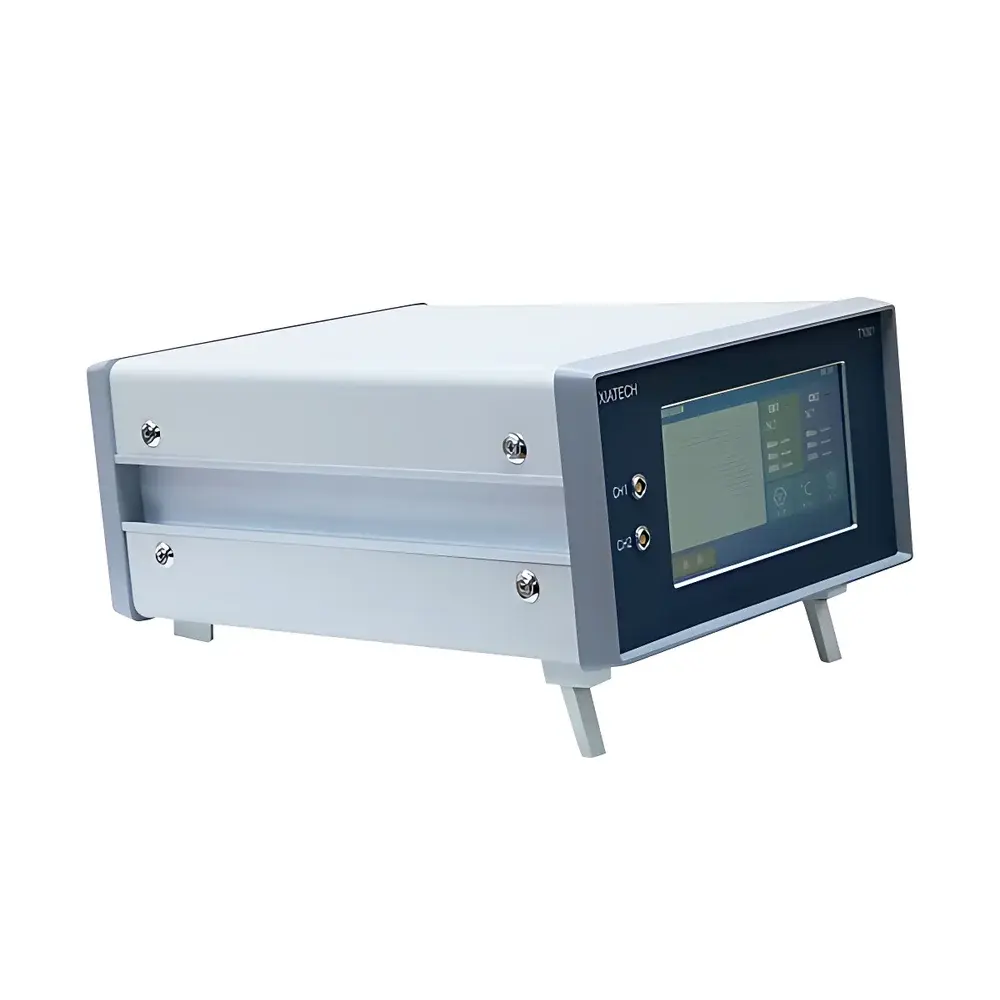
| Display | 7-inch capacitive touchscreen |
| Interface | USB |
| Probe Connector | 5-pin straight plug |
| Power Supply | 110/220 VAC, 50/60 Hz |
| Dimensions (L×W×H) | 365 × 260 × 160 mm |
| Operating Environment | 0–40 °C, ≤65% RH |
Overview
The Xiatech T1000S is a high-precision, 10-channel synchronized resistance thermometer engineered for metrological-grade temperature measurement in research laboratories and industrial calibration environments. It operates on the fundamental principle of electrical resistance thermometry—leveraging the predictable, monotonic relationship between platinum resistance (e.g., Pt100, Pt1000, or SPRT sensors) and thermodynamic temperature—as defined by the International Temperature Scale of 1990 (ITS-90). Unlike conventional digital thermometers, the T1000S performs true simultaneous acquisition across all ten channels with sub-millikelvin resolution, eliminating time-skew errors inherent in multiplexed scanning systems. Its design targets applications demanding traceable, stable, and reproducible temperature data—such as thermophysical property characterization, cryogenic system validation, furnace uniformity mapping, and reference-standard intercomparison.
Key Features
- True 10-channel synchronization: All channels sampled concurrently at 1-second intervals—no sequential delay—ensuring temporal coherence for dynamic thermal profiling and multi-point equilibrium studies.
- Metrological-grade accuracy: Certified accuracy of ±0.01 °C across the full −200 °C to +850 °C range when used with calibrated platinum resistance thermometers (PRTs) traceable to national standards.
- ITS-90 embedded computation: Onboard ITS-90 interpolation algorithms (including Callendar-Van Dusen and rational function coefficients) convert raw resistance readings directly into temperature values without external software or manual lookup tables.
- High-resolution display & intuitive interface: A 7-inch capacitive touchscreen provides real-time visualization of all ten channels—including live trend plots, statistical summaries (min/max/mean/std dev), and unit switching (°C, °F, K, Ω) with one tap.
- Long-term stability assurance: Drift <5 mK/year under controlled operating conditions—validated via internal self-calibration routines and supported by annual recalibration recommendations aligned with ISO/IEC 17025 practices.
- Robust hardware architecture: Industrial-grade enclosure (365 × 260 × 160 mm), EMI-shielded analog front-end, and 5-pin low-thermal-EMF connectors minimize noise and parasitic thermoelectric effects during precision contact measurements.
Sample Compatibility & Compliance
The T1000S is compatible with standard 2-, 3-, and 4-wire platinum resistance thermometers (PRTs), including Class A and Class B RTDs per IEC 60751, as well as standard platinum resistance thermometers (SPRTs) compliant with ASTM E1137 and ISO 6336-2. It supports probe configurations for cryogenic immersion, surface contact, and high-temperature sheathed applications (up to 850 °C with appropriate sensor selection). The instrument meets electromagnetic compatibility requirements per EN 61326-1 (industrial environment) and safety standards per IEC 61010-1. While not certified for intrinsic safety, it is routinely deployed in GLP-compliant labs and supports audit-ready documentation workflows when paired with traceable calibration certificates.
Software & Data Management
Data export is performed via USB mass-storage mode—no proprietary drivers required. Raw resistance and converted temperature values are saved in CSV format with timestamp, channel ID, and unit metadata. The device includes built-in statistical functions (mean, standard deviation, min/max over user-defined intervals) and alarm thresholds configurable per channel. For integration into larger QA/QC systems, the T1000S complies with basic SCPI-like command syntax over USB CDC ACM, enabling scripting in Python, LabVIEW, or MATLAB. Though it does not implement FDA 21 CFR Part 11 electronic signature controls natively, its deterministic output, timestamp integrity, and absence of editable internal logs support alignment with GMP/GLP data integrity principles when operated within validated procedural frameworks.
Applications
- Cryogenic temperature mapping in superconducting magnet systems and dilution refrigerators (−200 °C to −269 °C)
- Thermal validation of environmental chambers, autoclaves, and stability ovens (−70 °C to +180 °C)
- Calibration of secondary temperature standards against fixed points (e.g., gallium, indium, zinc)
- Multi-point monitoring of exothermic/endothermic reactions in calorimetry and reaction kinetics studies
- Thermophysical property measurement (e.g., thermal conductivity, specific heat) requiring spatially resolved, time-synchronized temperature inputs
- Reference-grade temperature monitoring in metrology labs accredited to ISO/IEC 17025
FAQ
What types of temperature sensors are supported?
The T1000S accepts standard 2-, 3-, and 4-wire platinum resistance thermometers (Pt100, Pt1000, SPRTs) with nominal resistances from 10 Ω to 10 kΩ. Sensor-specific Callendar-Van Dusen or ITS-90 coefficients can be entered manually or loaded from calibration reports.
Is the device suitable for use in hazardous areas?
No. The T1000S is designed for laboratory and industrial control room environments only. It lacks ATEX, IECEx, or UL hazardous location certification.
How is traceability maintained during operation?
Traceability is maintained through ITS-90 firmware implementation and compatibility with NIST-traceable PRT calibrations. Users must retain valid calibration certificates for connected probes; the instrument itself does not store calibration history but records all raw resistance data for retrospective analysis.
Can measurement data be logged continuously for extended periods?
Yes. Continuous logging is limited only by available USB storage capacity. With a 32 GB USB drive, >1 million 10-channel samples (≈11.5 days at 1 Hz) can be stored in CSV format with millisecond timestamps.
Does the T1000S support remote control via Ethernet or Wi-Fi?
No. Communication is exclusively via USB 2.0 (CDC ACM class). Network connectivity requires an external USB-to-Ethernet adapter configured at the host PC level—not supported natively by the device firmware.