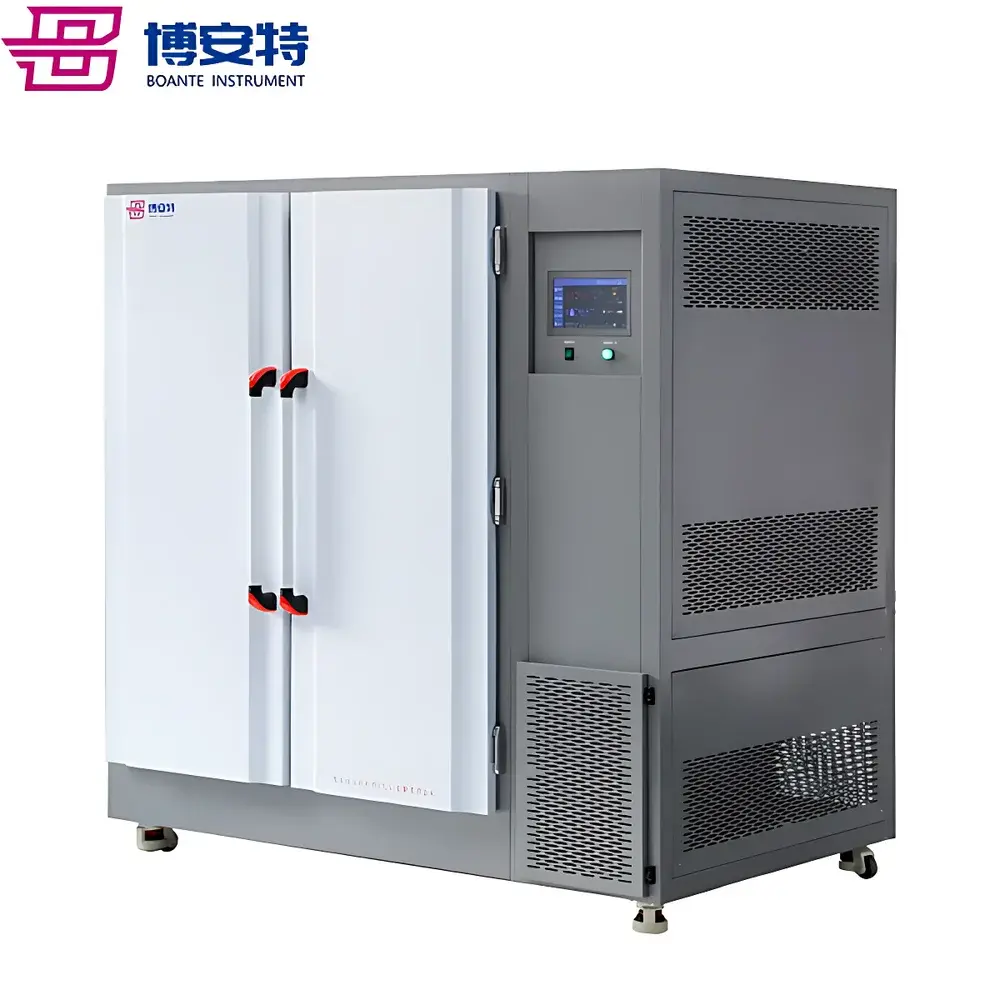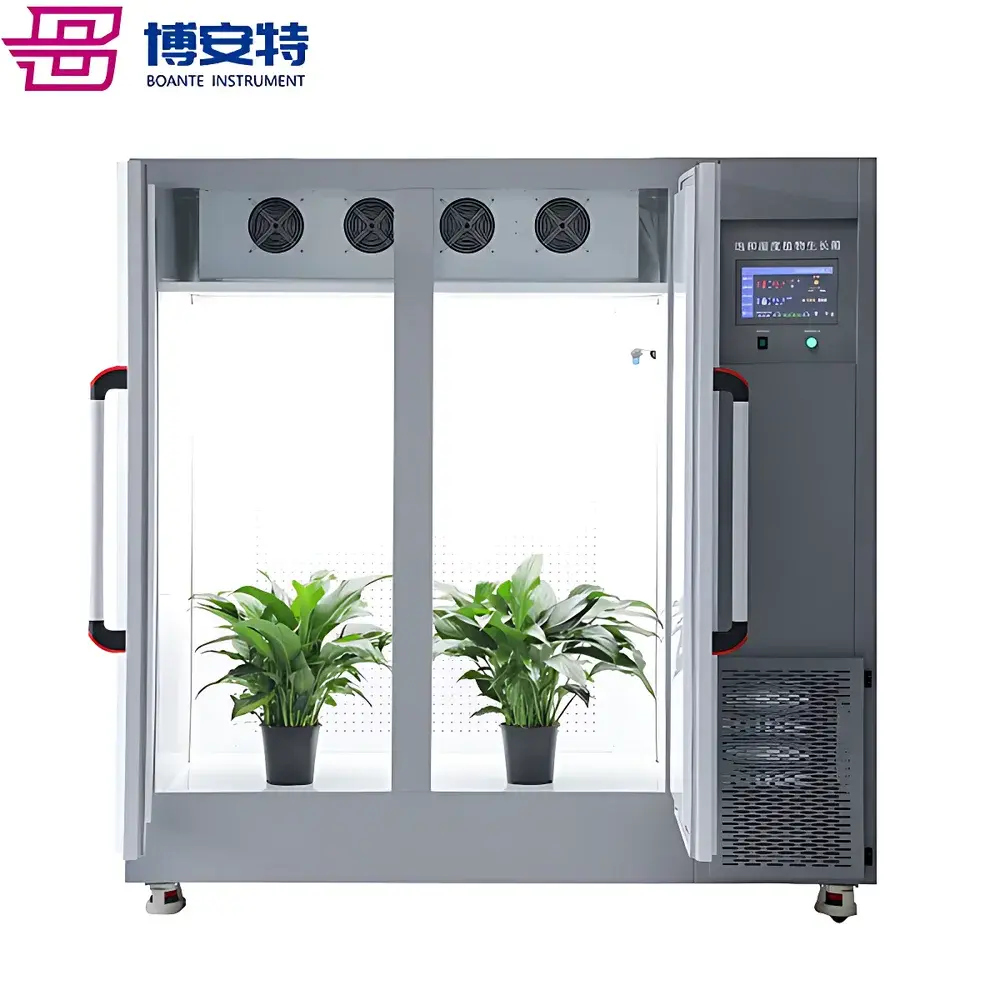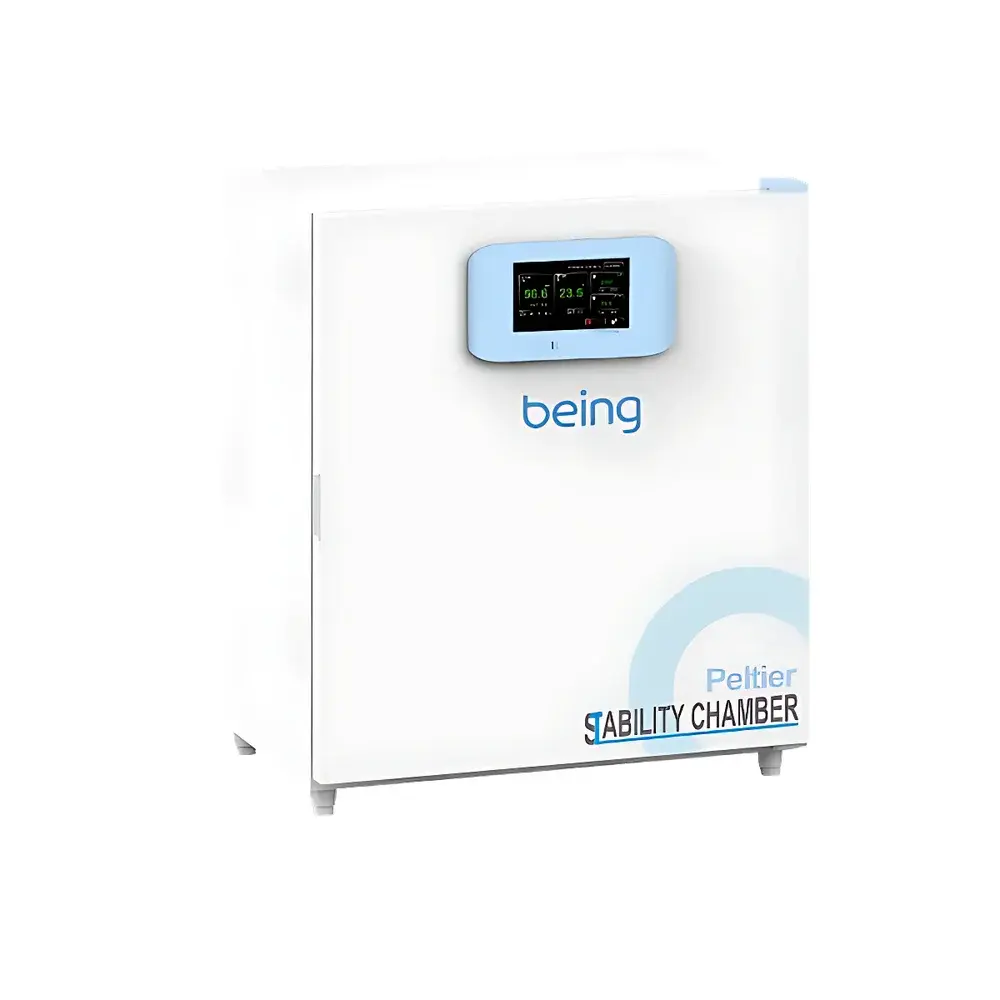
Yiheng BEHM-250 Peltier-Cooled Pharmaceutical Stability Chamber
| Brand | Yiheng |
|---|---|
| Origin | Jiangsu, China |
| Manufacturer Type | Direct Manufacturer |
| Country of Origin | China |
| Model | BEHM-250 |
| Quotation | Upon Request |
| Cooling Method | Thermoelectric (Peltier) |
| Temperature Range | 10–65 °C |
| Temperature Accuracy | ±0.2 °C |
| Temperature Uniformity | ≤±0.5 °C (@ 37 °C) |
| Internal Dimensions (W×D×H) | 600×510×820 mm |
| External Dimensions (W×D×H) | 790×745×1085 mm |
Overview
The Yiheng BEHM-250 Peltier-Cooled Pharmaceutical Stability Chamber is an ISO/ICH-compliant environmental test system engineered for long-term, accelerated, and photostability testing of active pharmaceutical ingredients (APIs) and finished dosage forms under strictly controlled temperature, humidity, and light conditions. Designed in accordance with ICH Q1A(R3), Q1B, and Q5C guidelines—and validated to meet current Good Manufacturing Practice (cGMP) requirements per FDA 21 CFR Part 211 and EU Annex 1—the chamber employs solid-state thermoelectric (Peltier) cooling technology to deliver precise, low-noise, maintenance-free thermal regulation without refrigerants or compressors. Unlike conventional vapor-compression systems, the Peltier architecture enables bidirectional thermal control (heating and cooling) within a single integrated module, eliminating mechanical wear, oil contamination risks, and condensation-induced humidity instability. Its thermally optimized cavity, combined with high-fidelity capacitive humidity sensing and programmable multi-spectral illumination, ensures metrological traceability and experimental reproducibility across stability protocols mandated by regulatory submissions.
Key Features
- Thermoelectric (Peltier) cooling system delivering >85% lower energy consumption versus compressor-based alternatives, with zero refrigerant emissions and no oil-lubricated moving parts
- Microprocessor-based touch controller with dual-language interface (English/Chinese), real-time trend graphing, PID auto-tuning, and 8 programmable cycles (24 segments per cycle; max segment duration: 99 h 59 min)
- Stainless steel 304 interior chamber with radius-rounded corners and seamless welds—designed for cleanroom-compatible cleaning validation and residue-free decontamination
- High-density polyurethane foam insulation with integral foaming process, minimizing thermal bridging and reducing standby heat loss by ≥40% compared to segmented insulation designs
- Dual independent alarm system: primary digital limit control + redundant mechanical overtemperature cutoff, compliant with IEC 61000-6-2 and EN 61000-6-4 electromagnetic compatibility standards
- Multi-level user access control with three permission tiers (Administrator, Operator, Guest), password-protected parameter locking, electronic signature logging, and full audit trail generation per FDA 21 CFR Part 11 requirements
Sample Compatibility & Compliance
The BEHM-250 accommodates standard ISO 8573-1-compliant sample trays and stacked shelf configurations (adjustable height), supporting vials, blister packs, sachets, and ampoules up to 50 mm in height. Its internal volume (250 L net) and uniform airflow design—validated via ASME PTC 19.3TW-compliant thermal mapping—ensure ≤±0.5 °C spatial deviation at 37 °C (mean load condition). Humidity control (20–95% RH, ±3% RH accuracy) utilizes a drift-compensated capacitive sensor rated for continuous operation up to 85 °C, eliminating wet-bulb maintenance and calibration drift. All lighting options—including optional ICH Q1B-compliant UV-A (320–400 nm) and visible-spectrum (400–800 nm) lamp arrays—are calibrated using NIST-traceable irradiance meters and support per-shelf intensity modulation (0–100% linear control). Full system qualification documentation (IQ/OQ/PQ templates) and GMP-aligned validation support packages are provided.
Software & Data Management
Data integrity is enforced through embedded 256-bit AES encryption, time-stamped electronic signatures, and immutable audit trails recording all parameter changes, alarm events, and user logins. The controller supports native USB mass storage export (CSV/Excel), RS485 Modbus RTU integration for SCADA/MES connectivity, and optional cloud-enabled remote monitoring via secure TLS 1.2 API endpoints. Optional add-ons include FDA 21 CFR Part 11-compliant electronic signature modules, third-party certified irradiance loggers (calibrated to CIE S 026/E:2018), and standalone paperless chart recorders meeting EU Annex 11 data retention mandates. All firmware revisions undergo formal change control per ISO 13485:2016 and include version-locked configuration backups.
Applications
- ICH Q1A(R3)-aligned long-term (25 °C/60% RH) and accelerated (40 °C/75% RH) stability studies for registration dossiers
- Photostability stress testing per ICH Q1B, including Option 1 (UV+VIS), Option 2 (UV only), and Option 3 (VIS only) exposure profiles
- High-humidity challenge testing (e.g., 40 °C/93% RH) for hygroscopic formulation assessment
- Forced degradation studies under controlled thermal-hygrometric stress to identify degradation pathways
- Reference standard storage under ICH Q5C-specified conditions (5 °C ± 3 °C) when configured with extended low-temperature firmware
- GMP-grade environmental monitoring for stability storage rooms (as a qualified secondary reference unit)
FAQ
Does the BEHM-250 comply with FDA 21 CFR Part 11 for electronic records and signatures?
Yes—the system includes configurable electronic signature workflows, audit trail logging with immutable timestamps, and role-based access controls aligned with Part 11 Subpart B requirements.
Can humidity be maintained reliably at 95% RH across the full temperature range?
Humidity control is validated from 20–95% RH at temperatures between 15–45 °C; at extremes (10 °C or 65 °C), maximum achievable RH is reduced due to dew point constraints.
Is third-party irradiance calibration supported for photostability testing?
Yes—optional NIST-traceable UV-VIS irradiance probes and factory-calibrated lamp spectral power distribution (SPD) reports are available upon request.
What validation documentation is supplied with the chamber?
Standard delivery includes IQ/OQ protocol templates, as-found/as-left calibration certificates for temperature/humidity sensors, and a complete risk assessment report per ISO 14971.
How is data security ensured during remote monitoring or network integration?
All network interfaces implement TLS 1.2 encryption, device authentication via X.509 certificates, and firewall-aware port configuration—fully auditable under ISO/IEC 27001 information security frameworks.