
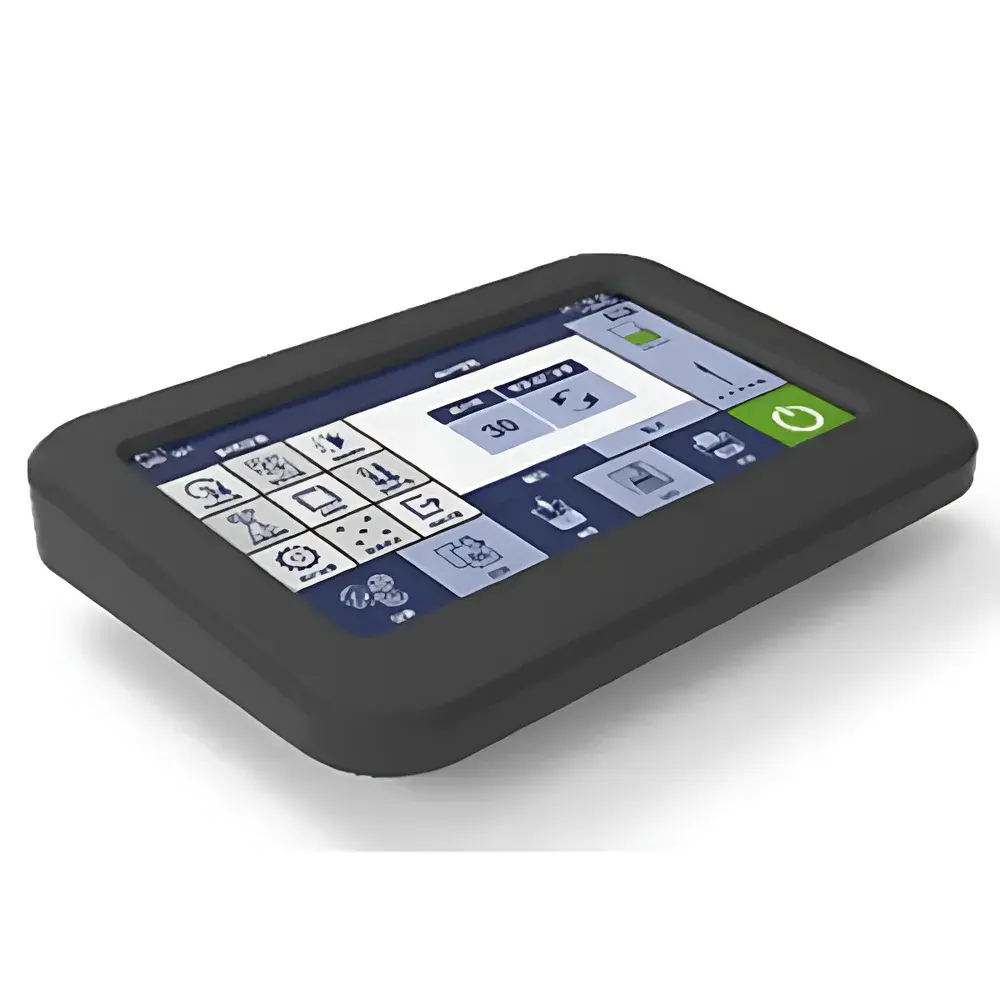
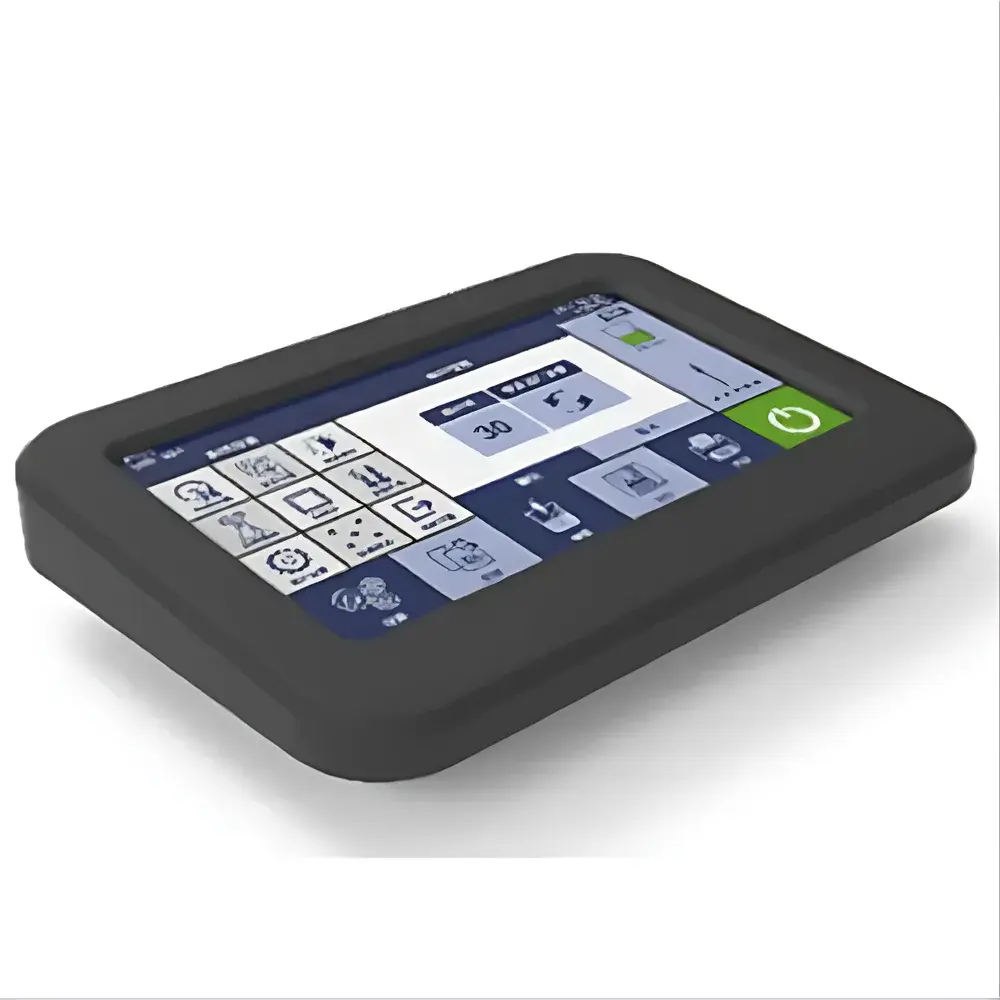
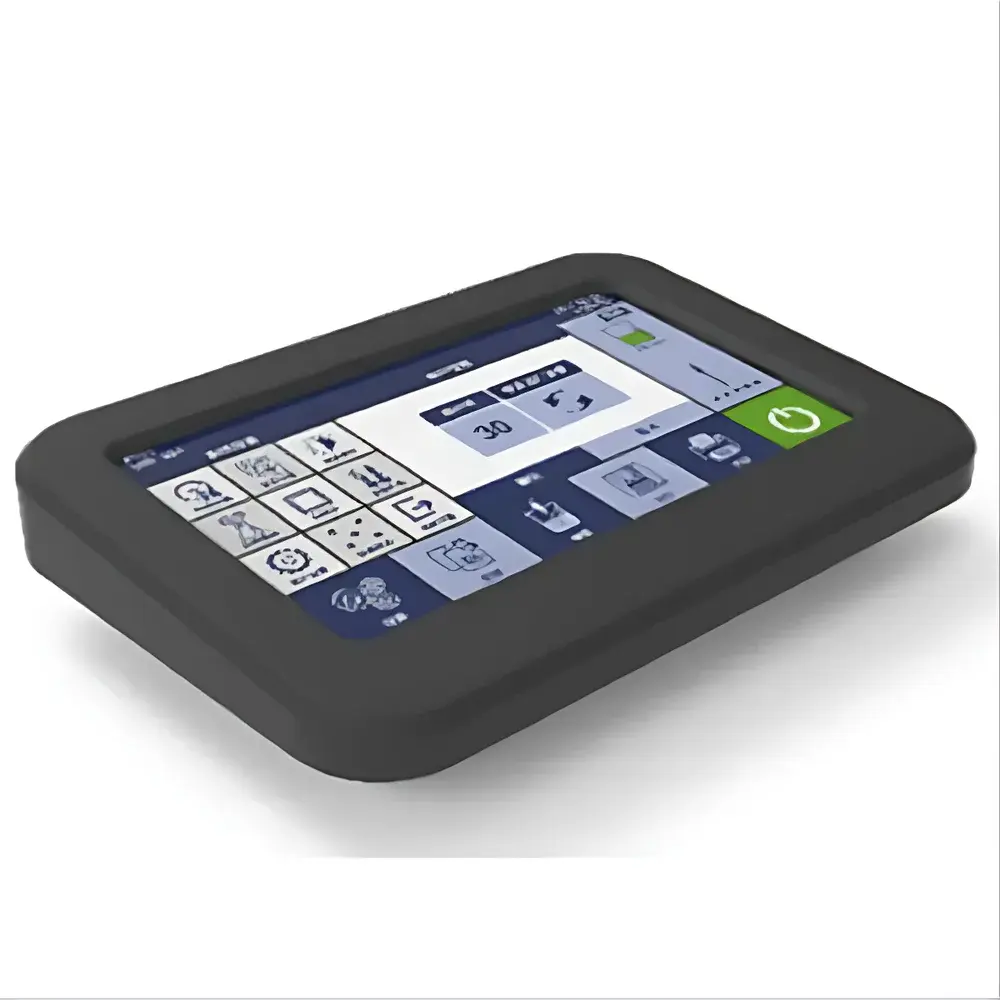
Yoke i-403 Portable Multi-Parameter Water Quality Analyzer
| Brand | Yoke |
|---|---|
| Origin | Shanghai, China |
| Model | i-403 |
| Measurement Parameters | pH (0.00–14.00), Conductivity (0.000 µS/cm–200 mS/cm), Dissolved Oxygen (0.00–99.00 mg/L), Temperature (−5.0–55.0 °C) |
| Accuracy | pH ±0.01, Conductivity ±0.5% FS, DO ±0.2 mg/L |
| Repeatability | pH ≤±0.01, Conductivity ≤±0.2% FS, DO ≤±0.1 mg/L |
| Detection Limits | Conductivity 0.01 µS/cm, DO 0.01 mg/L |
| Display | 7-inch color capacitive touchscreen |
| Compliance | IP54 rated enclosure, GMP-compliant data handling with audit trail support |
Overview
The Yoke i-403 Portable Multi-Parameter Water Quality Analyzer is an integrated field and laboratory instrument engineered for simultaneous, high-fidelity measurement of critical water quality parameters—including pH, oxidation-reduction potential (mV), conductivity, resistivity, total dissolved solids (TDS), salinity, dissolved oxygen (DO) concentration and saturation, and temperature. Unlike single-parameter handheld meters, the i-403 employs calibrated electrochemical sensor modules operating on standardized potentiometric (pH/mV), conductimetric (conductivity/resistivity/TDS/salinity), and Clark-type polarographic (dissolved oxygen) principles. Its architecture supports both spot-check deployment in environmental monitoring campaigns and routine benchtop use in QA/QC laboratories. Designed to meet the operational rigor of regulatory field work and GLP-aligned lab environments, the i-403 delivers traceable measurements with built-in temperature compensation algorithms (automatic and manual modes), electrode diagnostics, and real-time status feedback—ensuring measurement integrity across variable ambient conditions.
Key Features
- 7-inch full-color capacitive touchscreen interface with glove-compatible responsiveness, UV-resistant tempered glass, and automatic screen dimming to conserve battery life during extended deployments.
- Multi-language OS (English/Chinese) with adjustable brightness, configurable time/date stamping, and selectable temperature units (°C/°F).
- pH module supports dual-resolution selection (0.01 or 0.1 pH), auto-buffer recognition (15 preloaded standards across 3 groups), and user-defined 1–3 point calibration with real-time slope calculation and electrode health assessment.
- Dissolved oxygen module integrates a thermistor-compensated Clark cell capable of concurrent temperature and DO measurement; supports timed, continuous, and hold-mode acquisition.
- Conductivity system accommodates electrode constants of 0.01, 0.1, and 1.0 cm⁻¹—enabling accurate low-conductivity (<20 µS/cm) and high-salinity (up to 200 mS/cm) applications without range switching artifacts.
- IP54-rated housing ensures protection against dust ingress and water splashes during outdoor sampling, transport, or humid lab conditions.
Sample Compatibility & Compliance
The i-403 is validated for aqueous matrices including freshwater, wastewater effluents, surface runoff, drinking water, aquaculture systems, and industrial process streams. It complies with foundational metrological requirements outlined in ISO 7888 (conductivity), ISO 5814 (electrochemical DO), and ASTM D1293 (pH of water). Data management functions—including timestamped storage, statistical summary (min/max/mean/stdev), selective deletion, and export-ready formatting—support adherence to GMP documentation practices. Audit-trail-capable firmware logging satisfies basic 21 CFR Part 11 readiness for regulated labs performing environmental compliance testing. All sensor modules undergo factory calibration traceable to NIST-certified reference standards.
Software & Data Management
Measurements are stored internally with metadata (operator ID, location tag, calibration history, sensor serial numbers) and can be exported via USB to CSV or PDF formats for LIMS integration. The device implements non-volatile memory with power-loss recovery, preventing data corruption during unexpected shutdowns. Firmware updates are performed via secure USB load, with version rollback capability. Built-in self-diagnostics report electrode impedance, membrane integrity (for DO probe), and calibration drift trends—enabling predictive maintenance scheduling. No cloud connectivity or proprietary software installation is required; all configuration and reporting occur natively on-device.
Applications
- Regulatory environmental monitoring: EPA Method 150.1 (conductivity), 365.1 (pH), and 360.1 (DO) field screening.
- Wastewater treatment plant process control: Aeration basin DO profiling, influent/effluent pH and conductivity trending.
- Drinking water distribution system verification: Residual disinfectant compatibility checks via redox (mV) and corrosion potential assessment.
- Aquaculture and hydroponics: Real-time DO saturation mapping and nutrient solution conductivity monitoring.
- Academic and teaching laboratories: Multi-parameter water chemistry experiments with reproducible, student-accessible interface design.
FAQ
What electrode constants are supported for conductivity measurement?
The i-403 accepts conductivity cells with cell constants of 0.01 cm⁻¹, 0.1 cm⁻¹, and 1.0 cm⁻¹. Selection is manually configured to match probe specifications and sample conductivity range.
Does the instrument support GLP-compliant data archiving?
Yes—each measurement record includes operator ID, timestamp, calibration verification status, and sensor identification. Internal storage retains up to 2,000 records with full audit trail functionality.
Can the DO probe be used in seawater or high-salinity media?
The standard Clark-type DO sensor requires salinity compensation; the i-403 applies automatic correction using user-entered salinity values or measured conductivity-derived estimates per ISO 5814 Annex B.
Is external PC software required for data export?
No—data export is performed directly via USB flash drive in native CSV format. No driver installation or vendor-specific application is needed.
How is temperature compensation handled across parameters?
All modules implement automatic temperature compensation using integrated Pt1000 thermistors. Manual offset adjustment is available for specialized applications requiring fixed-temperature reference conditions.
Related Products







