
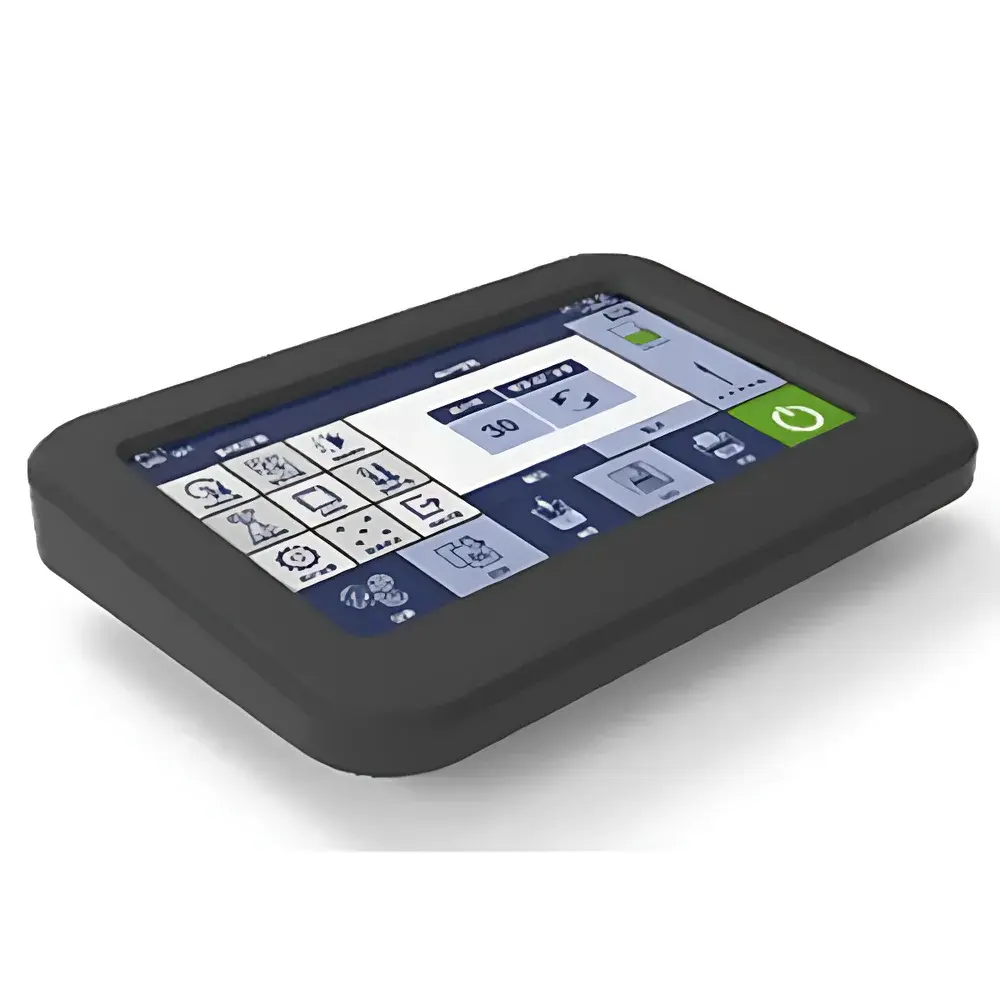
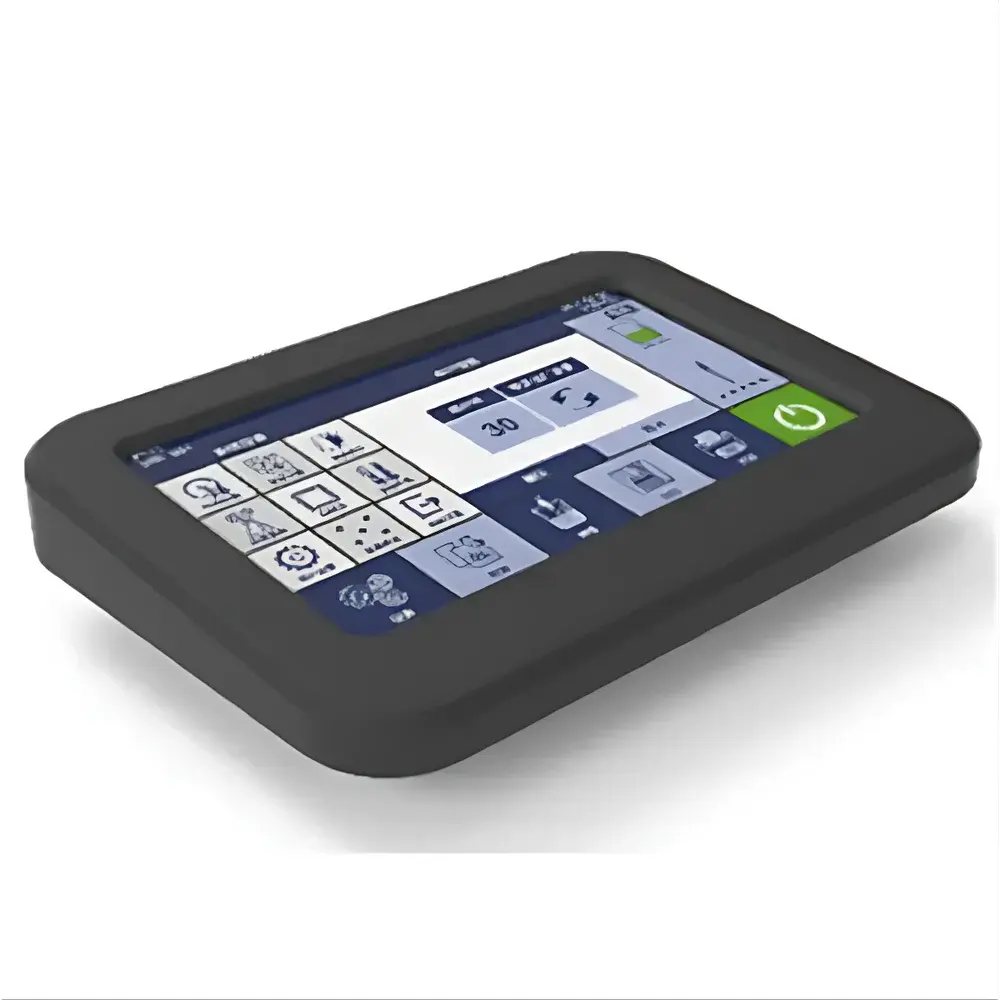
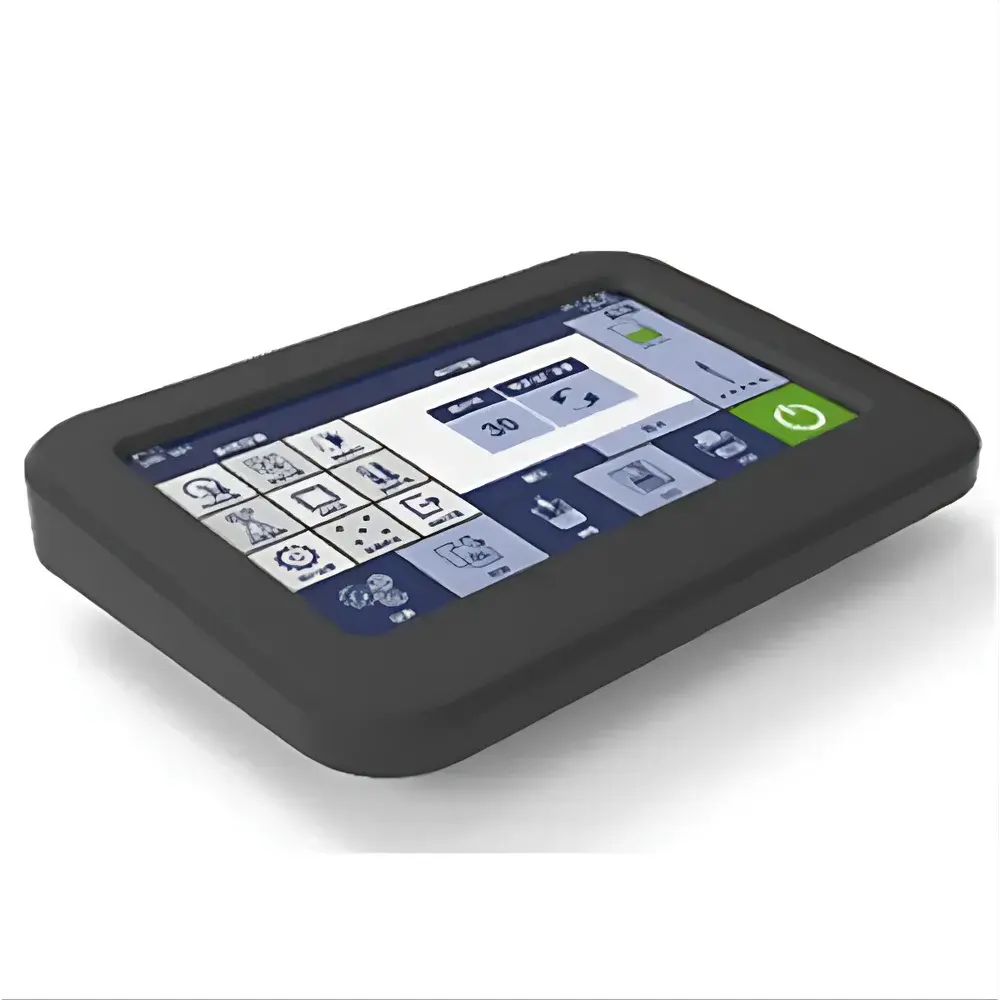
Yoke i-701 Portable Ion Analyzer
| Brand | Yoke |
|---|---|
| Origin | Shanghai, China |
| Model | i-701 |
| Instrument Type | Portable |
| Measurement Principle | Potentiometric (Ion-Selective Electrode, ISE) |
| pH Range | –2.00 to 20.00 pH/pX |
| mV Range | –1999.9 to +1999.9 mV |
| pH Resolution | 0.01 pH (selectable down to 0.001 pH) |
| mV Resolution | 0.1 mV (selectable down to 0.01 mV) |
| Accuracy | pH ±0.01 pH |
| Repeatability | ≤±0.5% |
| Detection Limit | 0.01 mg/L |
| Temperature Compensation | Automatic & Manual |
| IP Rating | IP54 |
| Compliance | GMP-aligned data integrity features |
Overview
The Yoke i-701 Portable Ion Analyzer is a field-deployable, potentiometric measurement system engineered for precise, on-site quantification of ionic species in aqueous environmental and process water samples. Utilizing ion-selective electrode (ISE) technology, the instrument measures activity-based potentials generated at the interface between sample solution and membrane-specific electrodes—enabling direct determination of key ions including H⁺ (pH), Ag⁺, Na⁺, K⁺, NH₄⁺, Cl⁻, and F⁻. Designed for regulatory-conscientious laboratories and field technicians, the i-701 operates under thermodynamically grounded Nernst equation principles, with built-in temperature compensation algorithms that correct for thermal drift across the full operational range (0–50 °C). Its architecture integrates electrochemical signal conditioning, low-noise analog-to-digital conversion, and real-time calibration validation—ensuring traceable, repeatable results compliant with foundational water quality standards such as ISO 10523 (pH), ISO 14911 (ion chromatography reference methodology), and ASTM D1293 (electrochemical pH measurement).
Key Features
- 7-inch high-brightness color capacitive touchscreen with glove-compatible responsiveness, UV-resistant tempered glass, and automatic screen dimming to conserve battery life during extended deployments.
- Modular electrode mounting system: compact, self-standing bracket compatible with standard BNC and mini-DIN ISE probes—optimized for single-hand operation in confined or outdoor sampling locations.
- Multi-resolution measurement modes: user-selectable pH precision (0.001 / 0.01 / 0.1 pH) and mV resolution (0.01 / 0.1 / 1 mV) to match analytical requirements without sacrificing speed or signal fidelity.
- Comprehensive ion quantification suite: supports direct concentration reading (mg/L, g/L, mol/L, pX), standard addition, sample addition, and Gran plot analysis—each method validated per IUPAC technical guidelines for electrochemical titrimetry.
- Embedded dual-language OS (English/Chinese), adjustable display brightness, configurable time/date stamping, and scalable temperature units (°C/°F/K) for international deployment flexibility.
- Robust data governance framework: timestamped audit trail, auto-saved measurement logs, statistical summary (mean, SD, CV%), selective record deletion, and export-ready CSV output—designed to support GLP/GMP documentation workflows.
Sample Compatibility & Compliance
The i-701 is validated for use with natural waters (surface, groundwater, wastewater effluents), drinking water distribution systems, aquaculture ponds, and industrial process streams. It accommodates standard liquid-filled, double-junction, and solid-state ISEs meeting DIN 19262 and ASTM D6652 specifications. The instrument’s IP54 ingress protection rating ensures reliable operation in humid, dusty, or splash-prone environments—including riverbanks, treatment plant galleries, and mobile lab vehicles. All firmware and calibration routines adhere to ALCOA+ data integrity principles: attributable, legible, contemporaneous, original, accurate, complete, consistent, enduring, and available. While not pre-certified for FDA 21 CFR Part 11, its audit-trail functionality and password-protected configuration settings provide a foundation for internal validation against regulated QC/QA protocols.
Software & Data Management
Data acquisition and post-processing occur entirely onboard—no external PC dependency required. Each measurement entry includes embedded metadata: operator ID (optional), electrode serial number, calibration status flag, ambient temperature, and electrode slope (% recovery). Internal memory retains ≥5,000 records with cyclic overwrite protection. Export is supported via USB-C interface to standard mass-storage devices; no proprietary drivers required. Firmware updates are delivered via signed .bin files with SHA-256 checksum verification. System diagnostics report electrode impedance, junction potential stability, and reference electrode drift—enabling predictive maintenance scheduling per ISO/IEC 17025 Clause 6.4.2.
Applications
- Regulatory monitoring of chloride and fluoride in municipal drinking water per WHO Guidelines for Drinking-water Quality (4th ed.) and EPA Method 300.0.
- Ammonium tracking in wastewater nitrification basins using NH₄⁺-selective electrodes calibrated per ISO 14911 Annex B.
- pH and sodium profiling in desalination pre-treatment loops to assess scaling potential (Langelier Saturation Index calculations).
- Field verification of ion exchange resin breakthrough using rapid Cl⁻ or NO₃⁻ scans.
- Educational laboratory instruction in electroanalytical chemistry, emphasizing Nernstian response validation and selectivity coefficient determination (log Kijpot).
FAQ
Does the i-701 support automatic buffer recognition for pH calibration?
Yes—the instrument identifies common pH buffers (4.01, 6.86, 7.00, 9.18, 10.01) by measured potential and temperature, prompting appropriate calibration points without manual selection.
Can custom ion calibration curves be stored and recalled?
Yes—up to 10 user-defined ISE calibration profiles may be saved, each with slope, intercept, linear range, and expiration date tagging.
Is the device compatible with third-party ISEs?
It accepts any BNC-terminated or mini-DIN ISE conforming to ISE output voltage ranges (±1999.9 mV) and impedance < 10⁹ Ω.
How is data integrity maintained during power loss?
The i-701 implements non-volatile flash memory with write-caching and CRC-32 error checking—ensuring no partial record corruption during unexpected shutdown.
What maintenance intervals are recommended for optimal accuracy?
Electrode performance should be verified daily via slope check; reference electrolyte replenishment every 30 days; full recalibration prior to critical measurements or after electrode replacement.







