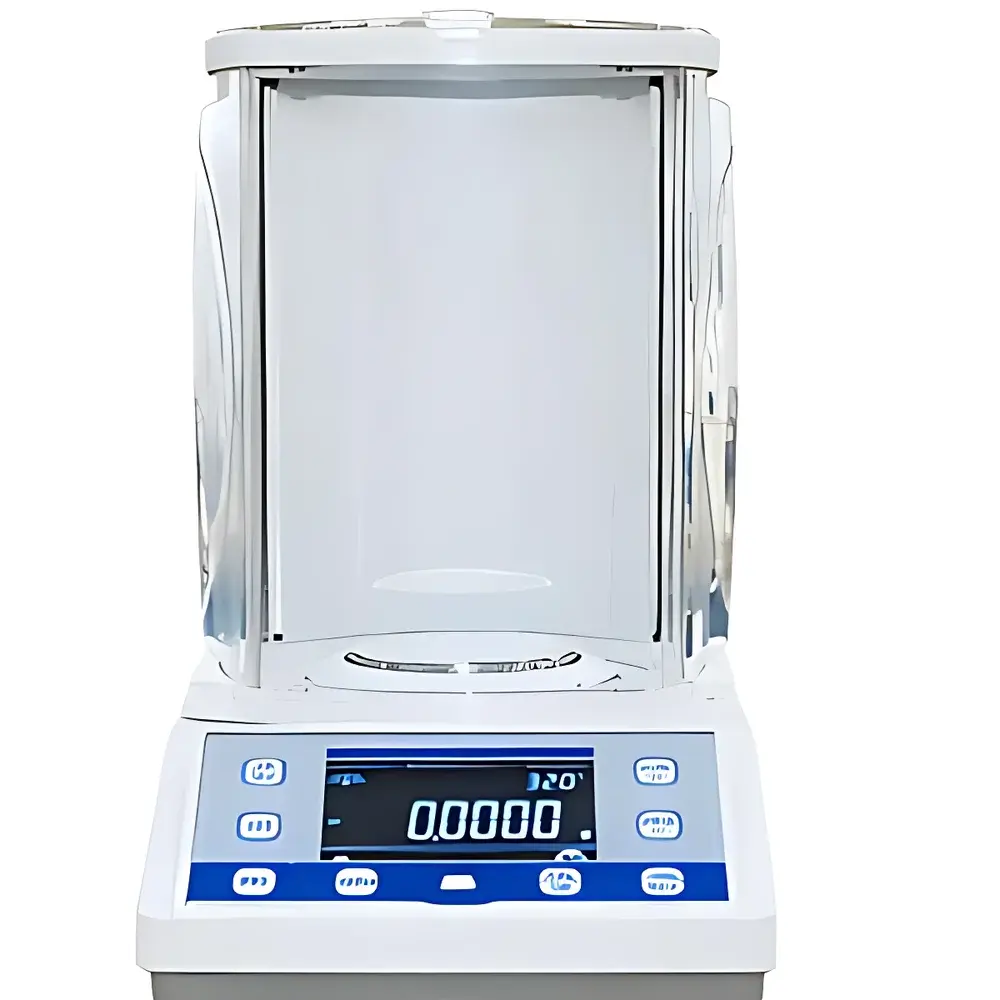
Yoke GC-C203 Precision Balance
| Brand | Yoke |
|---|---|
| Origin | Shanghai, China |
| Manufacturer Type | Authorized Distributor |
| Country of Origin | China |
| Model | GC-C203 |
| Instrument Type | Precision Balance |
| Capacity | 200 g |
| Readability | 0.001 g (1 mg) |
| Internal Calibration | Yes |
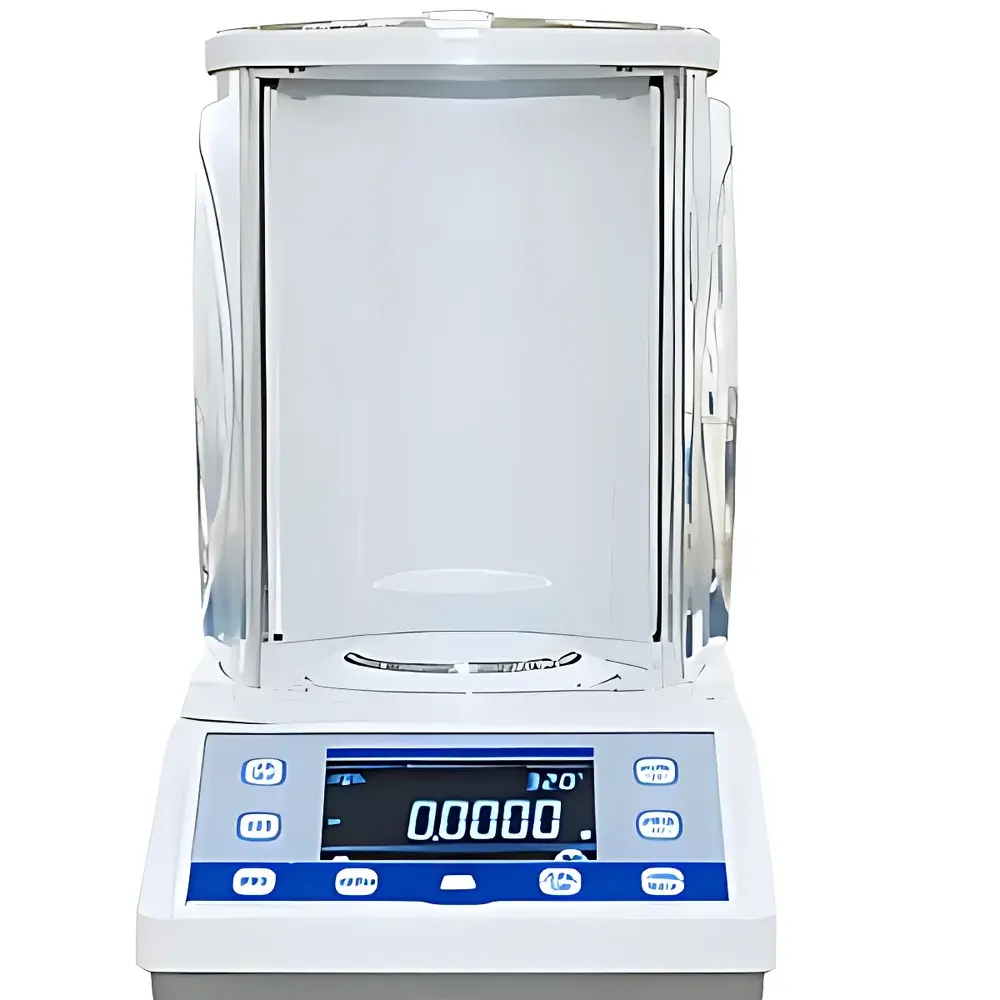
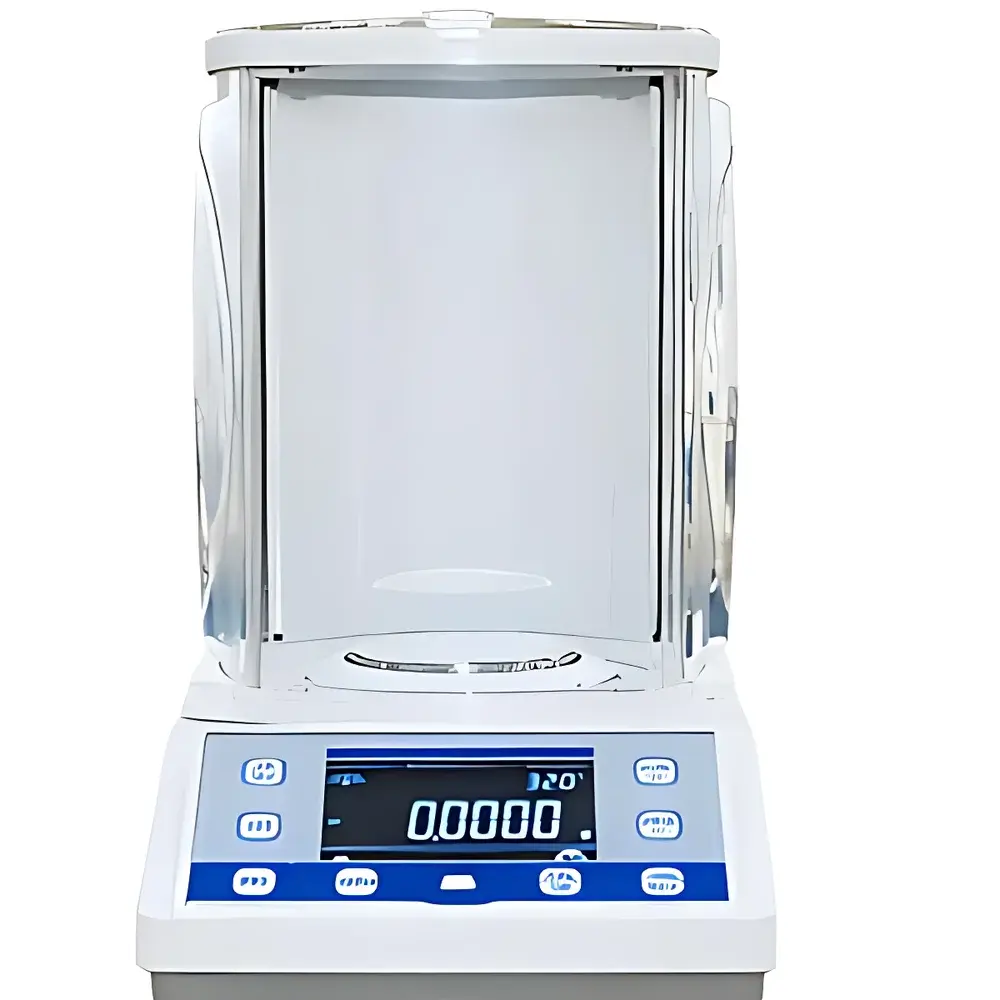
| Display | Backlit BTN black-matrix LCD |
| Weighing Functions | Counting, Percentage Weighing, Dual-Range Mode, Unit Conversion (g, oz, ct, etc.) |
| Construction | Sealed draft shield enclosure |
| Sensor Technology | Electromagnetic force compensation sensor with CNC-machined components |
| Microprocessor | ARM32-bit embedded controller |
| Signal Processing | Digital filtering and adaptive data smoothing algorithms |
| PCB Assembly | SMT (Surface Mount Technology) |
| Compliance | Designed to meet ISO 9001 manufacturing standards |
Overview
The Yoke GC-C203 Precision Balance is an entry-level analytical-grade weighing instrument engineered for laboratories requiring reliable 1 mg readability across a 200 g capacity range. It operates on electromagnetic force compensation (EMFC) principle — where the downward gravitational force exerted by a sample is counterbalanced by a precisely regulated electromagnetic field, generating a proportional current signal that is digitized and processed in real time. This architecture ensures high reproducibility, minimal drift, and immunity to mechanical wear associated with traditional strain-gauge or load-cell mechanisms. Designed for routine quality control, educational labs, and preparatory workflows in pharmaceutical, chemical, and materials science environments, the GC-C203 delivers consistent performance under standard ambient conditions (20–25 °C, <70% RH, non-condensing). Its sealed draft shield minimizes air-current interference without compromising ergonomics or accessibility during multi-step weighing procedures.
Key Features
- Electromagnetic force compensation sensor fabricated using CNC-machined precision components for long-term stability and thermal resilience
- ARM32-bit embedded microcontroller enabling rapid stabilization (<3 s typical), low-noise signal acquisition, and deterministic response to dynamic loading
- Digital filtering algorithms dynamically adjust response time versus noise rejection based on load magnitude and environmental perturbation
- Backlit BTN black-matrix LCD display with 18 mm character height ensures legibility under variable lighting, including low-intensity lab settings
- Integrated internal calibration system activated manually or scheduled automatically — eliminates dependency on external weights and reduces operator-induced error
- SMT-assembled printed circuit board enhances thermal uniformity, solder joint integrity, and resistance to vibration-induced failure
- Multi-function operation modes: piece counting (with sample size input), percentage weighing relative to reference mass, dual-range mode for enhanced resolution at low loads, and seamless unit conversion among grams, ounces, carats, and grains
Sample Compatibility & Compliance
The GC-C203 accommodates standard laboratory vessels including weighing boats, crucibles, vials, and petri dishes up to Ø120 mm diameter within its draft shield chamber. Its open-bottom design allows compatibility with magnetic stirrers or temperature-controlled platforms when used outside the shield. While not certified to OIML R76 or NIST Handbook 44 for legal-for-trade applications, the balance conforms to ISO 9001 production protocols and supports Good Laboratory Practice (GLP) and Good Manufacturing Practice (GMP) workflows through traceable calibration records and configurable print/log outputs. When interfaced with compliant third-party data management software, it can generate timestamped, user-attributed weighing logs meeting FDA 21 CFR Part 11 requirements for electronic records and signatures.
Software & Data Management
The GC-C203 features an RS-232 serial interface (DB9 male) compatible with Windows, macOS, and Linux systems. It transmits stable weight values in ASCII format at user-selectable baud rates (9600–115200 bps), supporting direct integration into LIMS, ELN, or custom scripting environments (e.g., Python PySerial, LabVIEW VIs). Optional Yoke Balance Utility software provides basic data capture, statistical analysis (mean, SD, CV%), and CSV export. For regulated environments, validated drivers are available to enable audit-trail-enabled logging with user authentication, change history, and electronic signature support — aligning with ALCOA+ data integrity principles.
Applications
- Quantitative reagent dispensing in analytical chemistry and formulation development
- Weight-based yield calculation in synthesis and purification workflows
- Content uniformity testing for solid-dosage forms per USP <905>
- Calibration verification of pipettes and volumetric glassware using gravimetric methods (ASTM E542, ISO 8655-6)
- Teaching fundamental metrology concepts — uncertainty propagation, repeatability assessment, and calibration hierarchy — in undergraduate physics and chemistry labs
- Inventory management and raw material reconciliation in small-scale manufacturing units
FAQ
What is the minimum sample weight recommended for accurate measurement at 1 mg readability?
For optimal uncertainty performance, the minimum weighable quantity (MWQ) is typically defined as 10× the readability — i.e., ≥10 mg — assuming proper environmental control and calibrated operation.
Does the GC-C203 support external calibration with certified weights?
Yes — although internal calibration is standard, the balance accepts external calibration via Class M2 or better weights following the procedure outlined in the operator manual.
Can the draft shield be removed for oversized samples?
No — the shield is integral to mechanical and electromagnetic shielding; removal compromises accuracy and voids calibration validity.
Is the RS-232 interface optically isolated?
No — galvanic isolation is not implemented; use of an industrial-grade RS-232 isolator is recommended in electrically noisy environments.
What maintenance intervals are recommended for sustained accuracy?
Daily zero check, weekly internal calibration, and annual verification against traceable standards are advised per ISO/IEC 17025 guidance for non-automatic weighing instruments.