
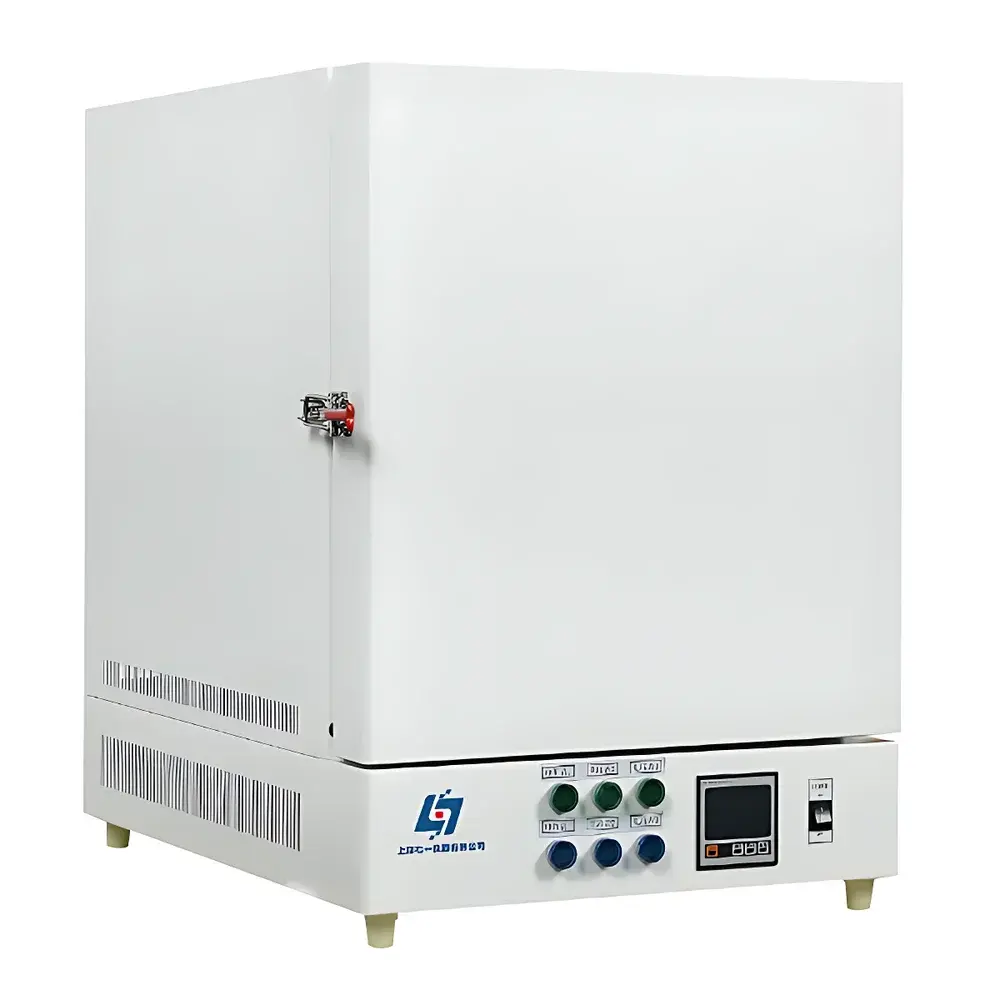
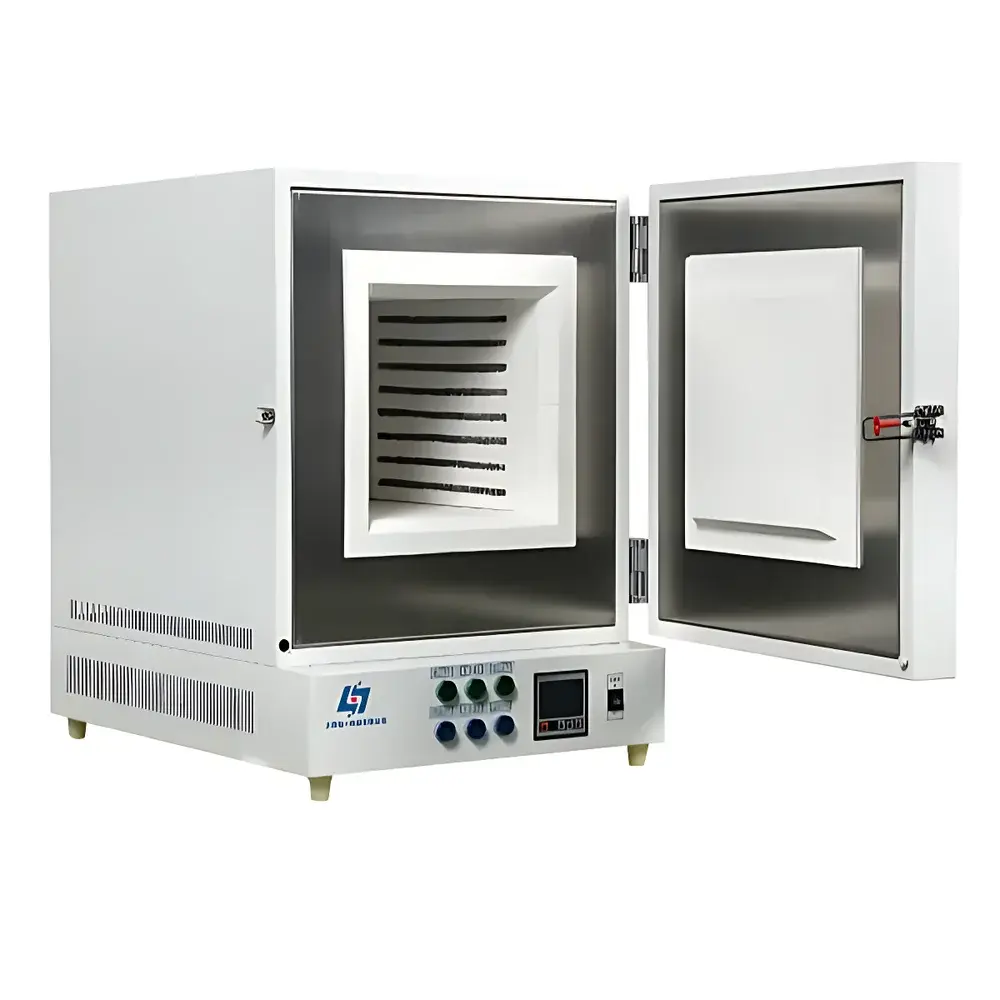
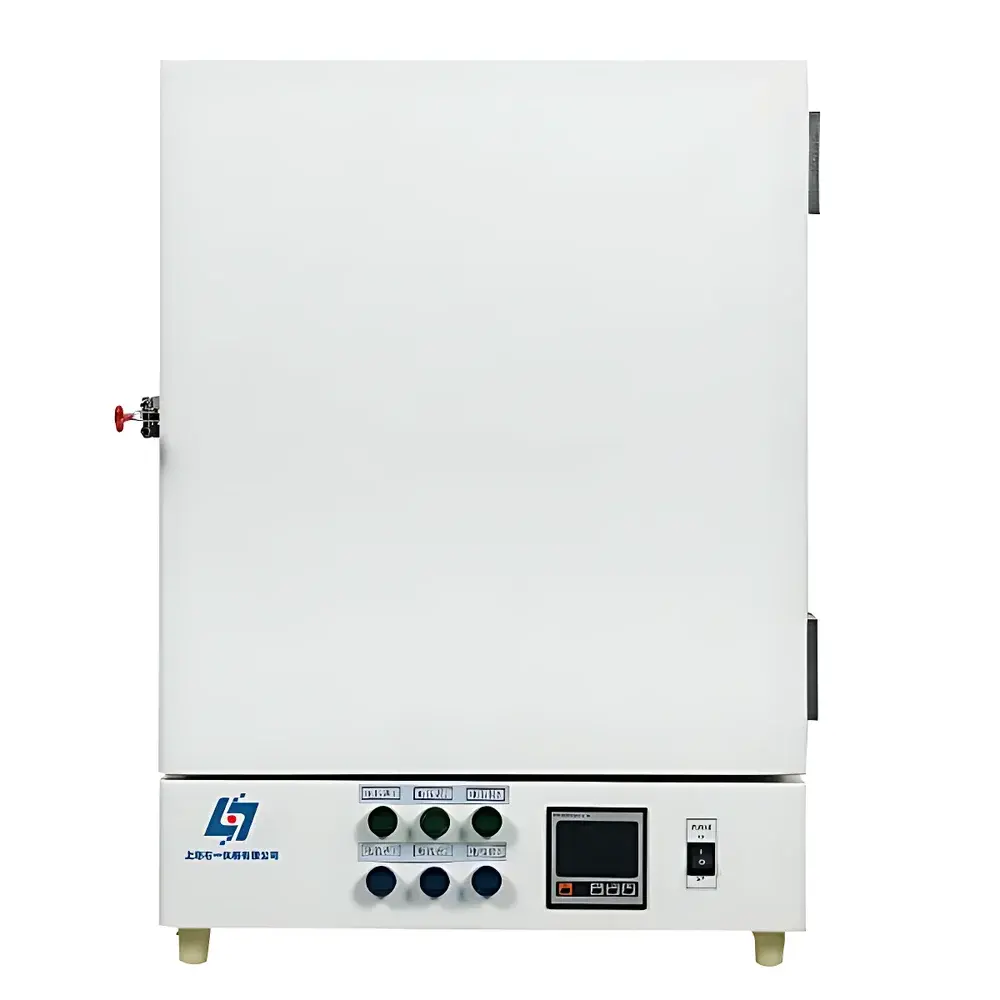
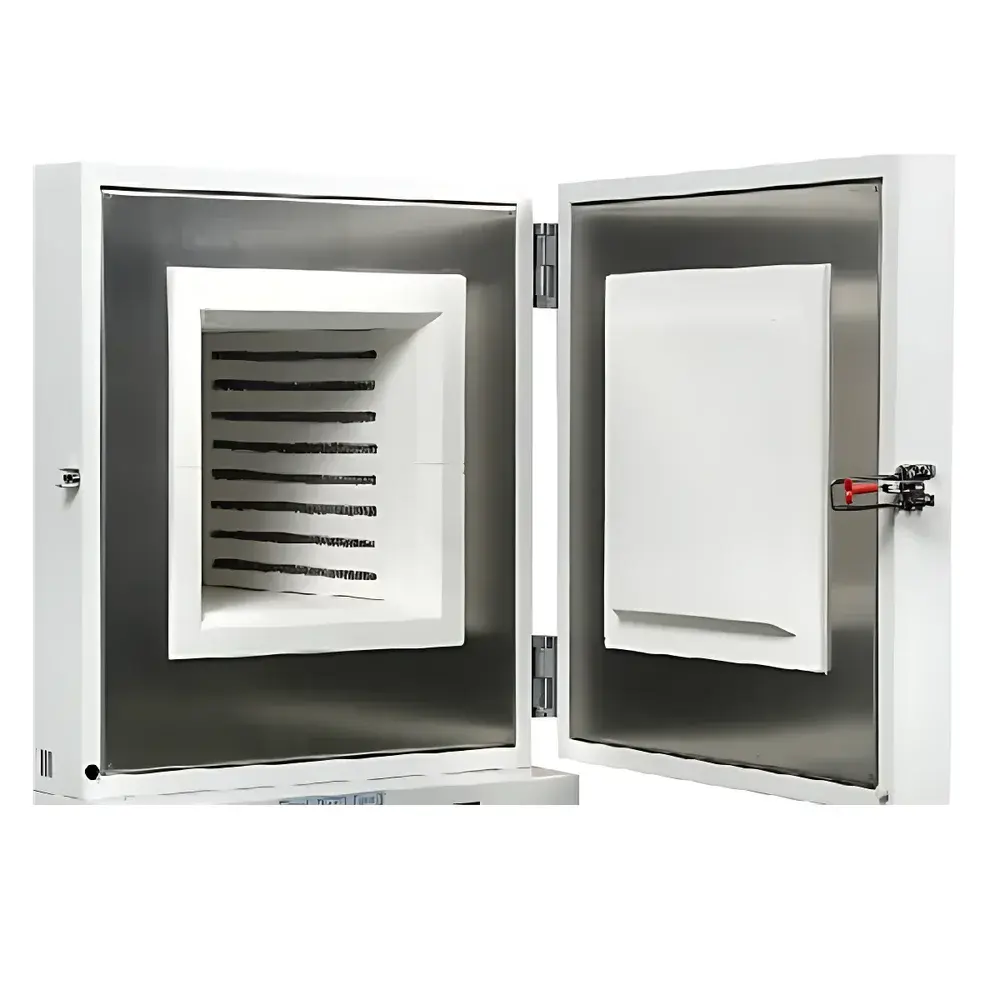
Yoyi SX2-12-10A 1000°C Ceramic Fiber Muffle Furnace (Box-Type Laboratory Furnace, 30 L Capacity)
| Brand | Yoyi |
|---|---|
| Origin | Shanghai, China |
| Manufacturer Type | Direct Manufacturer |
| Instrument Type | Box-Type Muffle Furnace |
| Max Temperature | 1000°C |
| Temperature Control Accuracy | ±1°C |
| Rated Power | 12 kW |
| Heating Element | Ni-Cr Resistance Wire |
| Internal Chamber Dimensions (L×W×H) | 300 × 500 × 200 mm |
| Nominal Volume | 30 L |
Overview
The Yoyi SX2-12-10A is a high-performance, ceramic fiber–insulated box-type muffle furnace engineered for precision thermal processing in research laboratories, materials science facilities, and industrial quality control environments. Operating on resistive heating principles via high-purity nickel-chromium (Ni-Cr) alloy wire elements, it delivers stable, uniform temperature distribution across its 30 L chamber—enabling reproducible heat treatment protocols up to 1000°C. Unlike traditional brick-lined furnaces, its lightweight ceramic fiber insulation (alumina-silica based, ≥1260°C rated) minimizes thermal mass and maximizes energy efficiency—reducing power consumption by approximately 60% compared to conventional refractory brick designs. The furnace complies with fundamental safety and electromagnetic compatibility requirements per IEC 61000-6-3 and IEC 61000-6-4, and its structural design supports routine use under GLP-aligned laboratory workflows.
Key Features
- Lightweight ceramic fiber furnace chamber (density ≈ 220 kg/m³), offering rapid thermal response: typical time-to-1000°C is ≤35 minutes from ambient, ~2× faster than comparable brick-lined units.
- Double-layer insulated construction: outer cold-rolled steel shell (phosphated + electrostatic epoxy coating) with internal ceramic fiber board lining (≥1260°C continuous service rating) ensures surface temperature remains ≤50°C at 1000°C operating point—even after one hour of steady-state operation.
- Microprocessor-based PID temperature controller with LCD menu interface; supports real-time display of setpoint, actual chamber temperature, and programmed hold time—alongside dual-stage overtemperature protection (hardware cutoff + software alarm).
- Comprehensive electrical safety architecture: integrated overcurrent, overvoltage, ground-fault leakage detection, and short-circuit protection compliant with IEC 61000-4-5 surge immunity standards.
- Non-volatile memory retention: automatically saves all user-defined parameters (setpoints, ramp rates, soak durations) during unexpected power interruption; resumes operation upon restoration without manual reconfiguration.
- Robust mechanical design: reinforced door sealing mechanism with high-temperature ceramic fiber gasket ensures minimal heat loss and consistent atmosphere integrity during extended thermal cycles.
Sample Compatibility & Compliance
The SX2-12-10A accommodates a broad range of sample forms—including crucibles (alumina, quartz, stainless steel), ceramic tiles, metal powders, catalyst pellets, and sintered compacts—within its 300 × 500 × 200 mm usable workspace. Its muffle configuration isolates samples from direct contact with heating elements and combustion byproducts, making it suitable for ashing, calcination, sintering, annealing, and oxidation studies per ASTM E119, ISO 8501-1, and USP heavy metals testing protocols. While not intrinsically rated for inert or reducing atmospheres, optional N₂ purging kits (sold separately) enable controlled low-oxygen processing. The unit meets CE marking requirements for laboratory electrical equipment (2014/35/EU Low Voltage Directive and 2014/30/EU EMC Directive) and is compatible with ISO/IEC 17025-accredited lab documentation practices.
Software & Data Management
Standard operation requires no external software—temperature profiles are configured directly via the front-panel LCD interface. Optional RS485 serial communication module (model YOYI-RS485-01, sold separately) enables integration with SCADA systems or custom LabVIEW/Python-based data acquisition platforms. When paired with supplied Windows-compatible communication software, users can log temperature vs. time datasets at 1-second resolution, generate CSV reports, and implement multi-step programmable ramps (up to 30 segments). Audit trail functionality—including operator ID tagging, parameter change timestamps, and system event logs—is available when used with validated third-party electronic lab notebook (ELN) systems compliant with FDA 21 CFR Part 11 requirements.
Applications
- Thermal analysis pre-treatment: ash content determination (AOAC 942.05, ISO 2171), loss-on-ignition (LOI) assays, and residue quantification in geological, environmental, and food samples.
- Materials synthesis: solid-state reaction of oxide precursors, ceramic glaze development, ferrite sintering, and powder metallurgy densification.
- Heat treatment validation: stress-relief annealing of tool steels, tempering verification, and microstructural homogenization of alloy specimens prior to SEM/EDS analysis.
- Quality assurance workflows: binder burnout in investment casting molds, pre-firing of dental porcelain substrates, and thermal stability screening of battery cathode materials (e.g., LiCoO₂, NMC).
- Research-grade thermal cycling: controlled oxidation kinetics studies, phase transformation mapping (e.g., anatase → rutile), and crystallization behavior of amorphous oxides.
FAQ
What is the maximum recommended continuous operating temperature?
The SX2-12-10A is rated for continuous operation at 1000°C. Sustained use above this temperature will accelerate degradation of the Ni-Cr heating elements and ceramic fiber insulation.
Can this furnace be used under vacuum or inert gas conditions?
No—it is not sealed or rated for pressure differentials. For inert-atmosphere processing, an externally plumbed purge system with flow-controlled N₂ or Ar is required; consult technical support for compatible flange and port modification options.
Is calibration certificate included with shipment?
A factory-as-tested temperature uniformity report (measured at three points within the chamber at 500°C and 1000°C) is provided. NIST-traceable calibration certification is available as a value-added service upon request.
What maintenance intervals are recommended?
Inspect door gasket integrity and element alignment every 200 operating hours; replace ceramic fiber gasket annually under normal usage. Clean interior surfaces with dry, non-abrasive cloth only—no solvents or water contact.
Does the unit comply with UL or CSA safety standards?
It meets CE requirements for laboratory equipment. UL/CSA certification is not currently held but may be pursued for specific OEM integrations under contract manufacturing agreements.



