
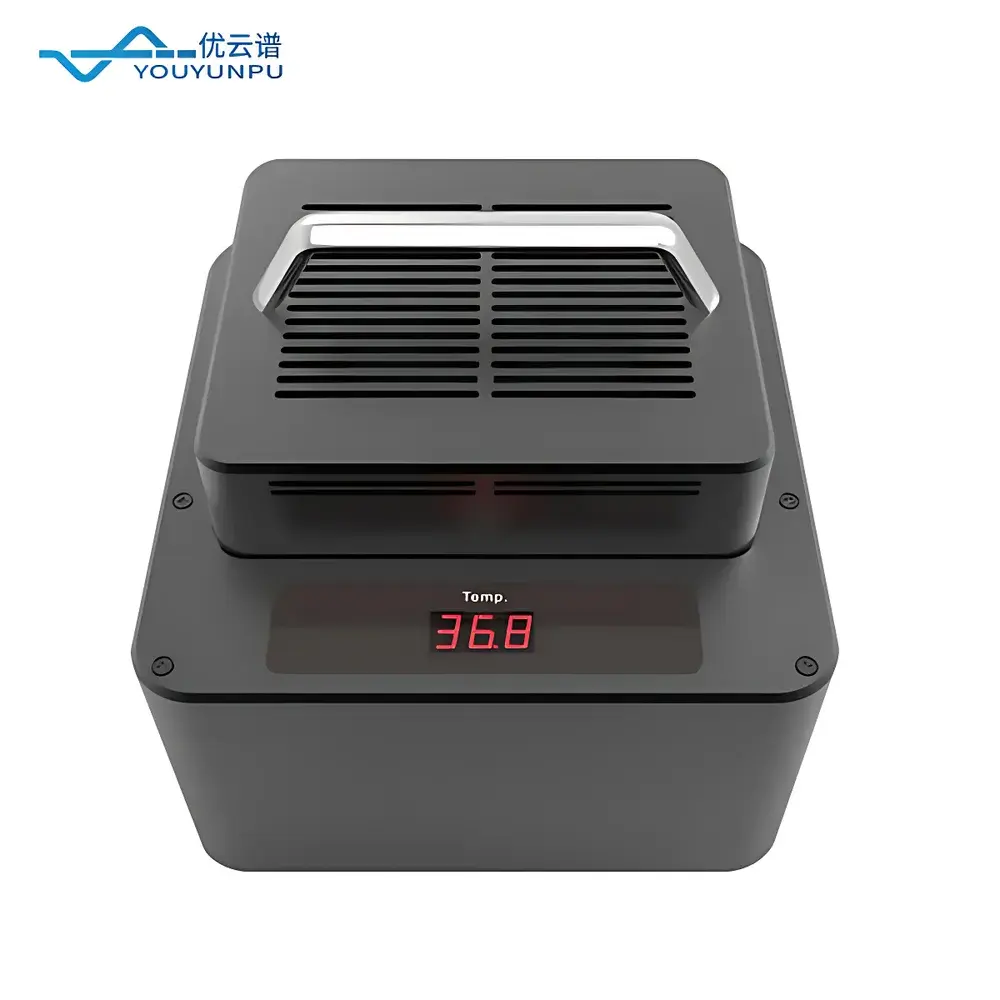
YP-TGX Neuronal Cell Culture System with Programmable Optogenetic Stimulation
| Brand | Youyunpu |
|---|---|
| Origin | Shandong, China |
| Manufacturer Type | Direct Manufacturer |
| Model | YP-TGX |
| Price | USD 21,000 (FOB Qingdao) |
| Temperature Control Range | 20–40 °C (adjustable in 0.1 °C increments) |
| Temperature Uniformity | ±0.3 °C across 24-well plate footprint |
| Humidity Control Range | 50–95% RH (non-condensing) |
| Chamber Capacity | Optimized for standard 24-well cell culture plates |
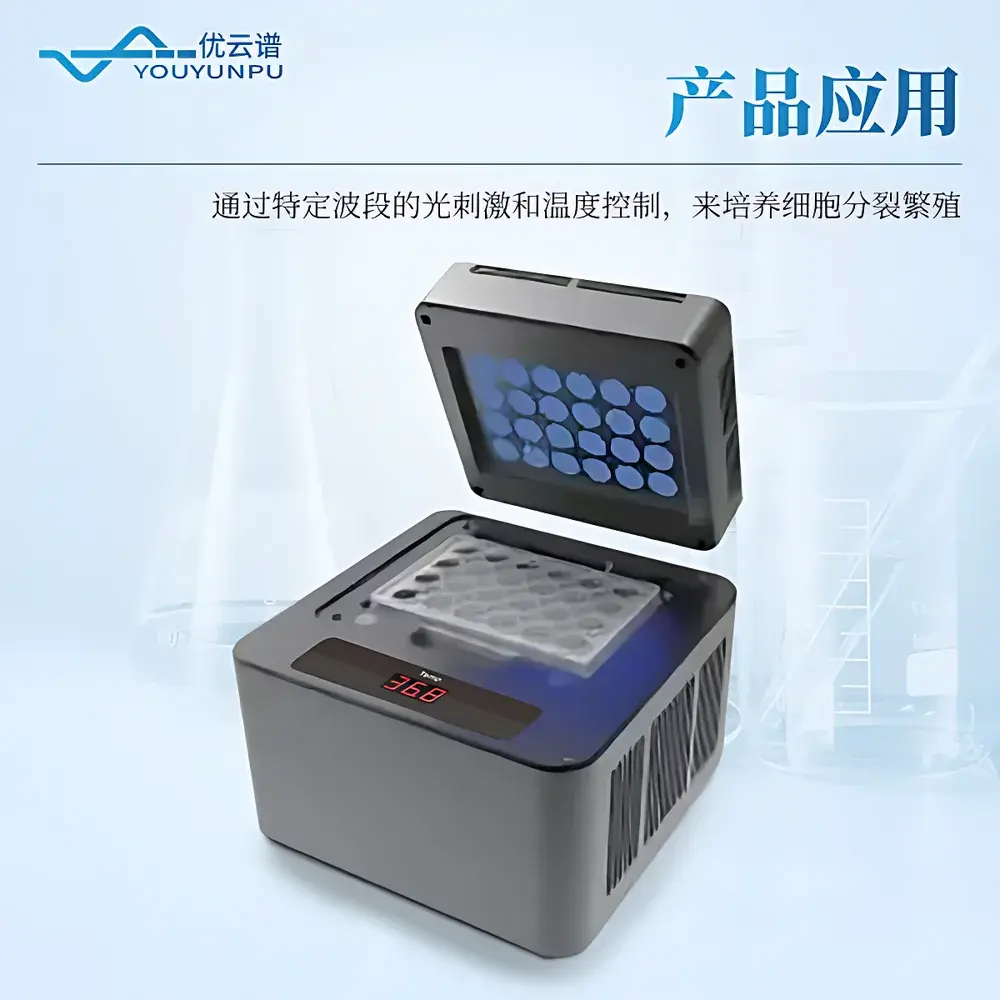
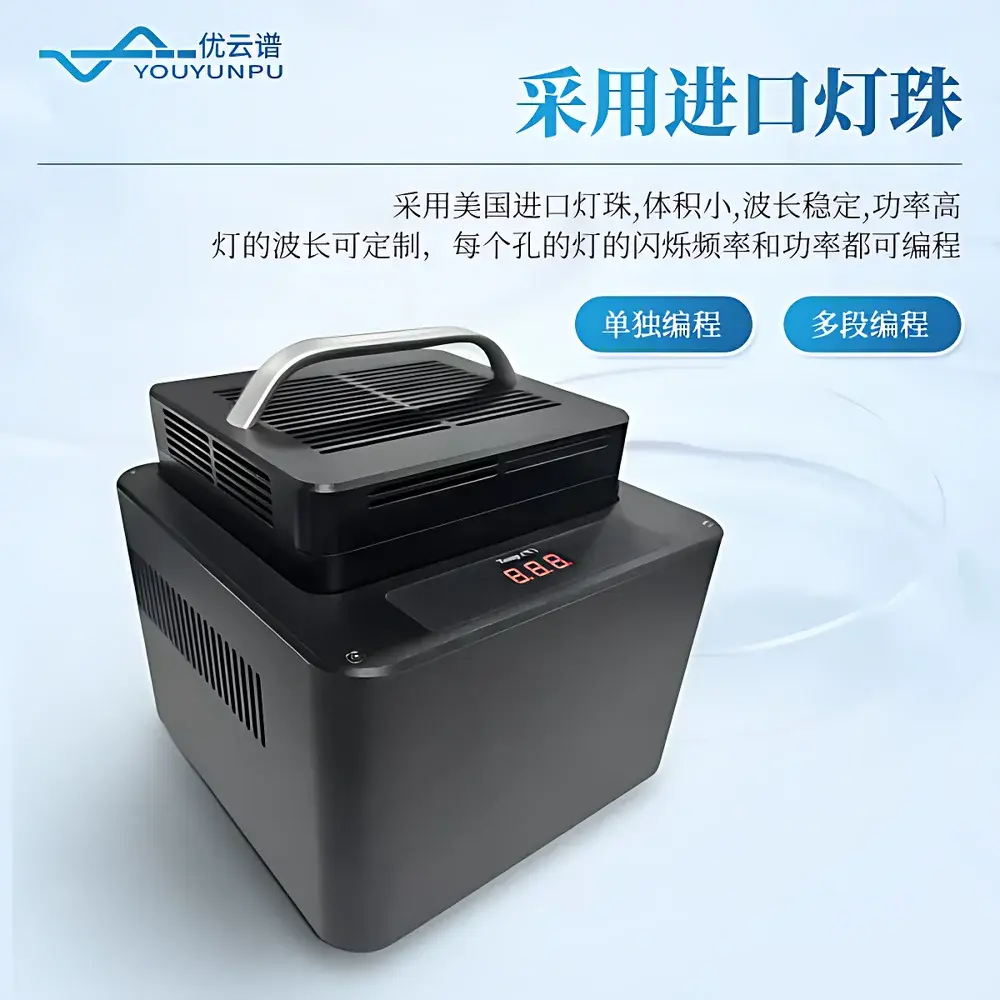
| Optical Stimulation | Independent per-well LED control (405–630 nm selectable), 0.1–100 Hz pulse frequency, 0.1–20 mW/mm² irradiance, multi-segment temporal programming |
| Cooling/Heating Method | Peltier-based thermoelectric modules with PID feedback control |
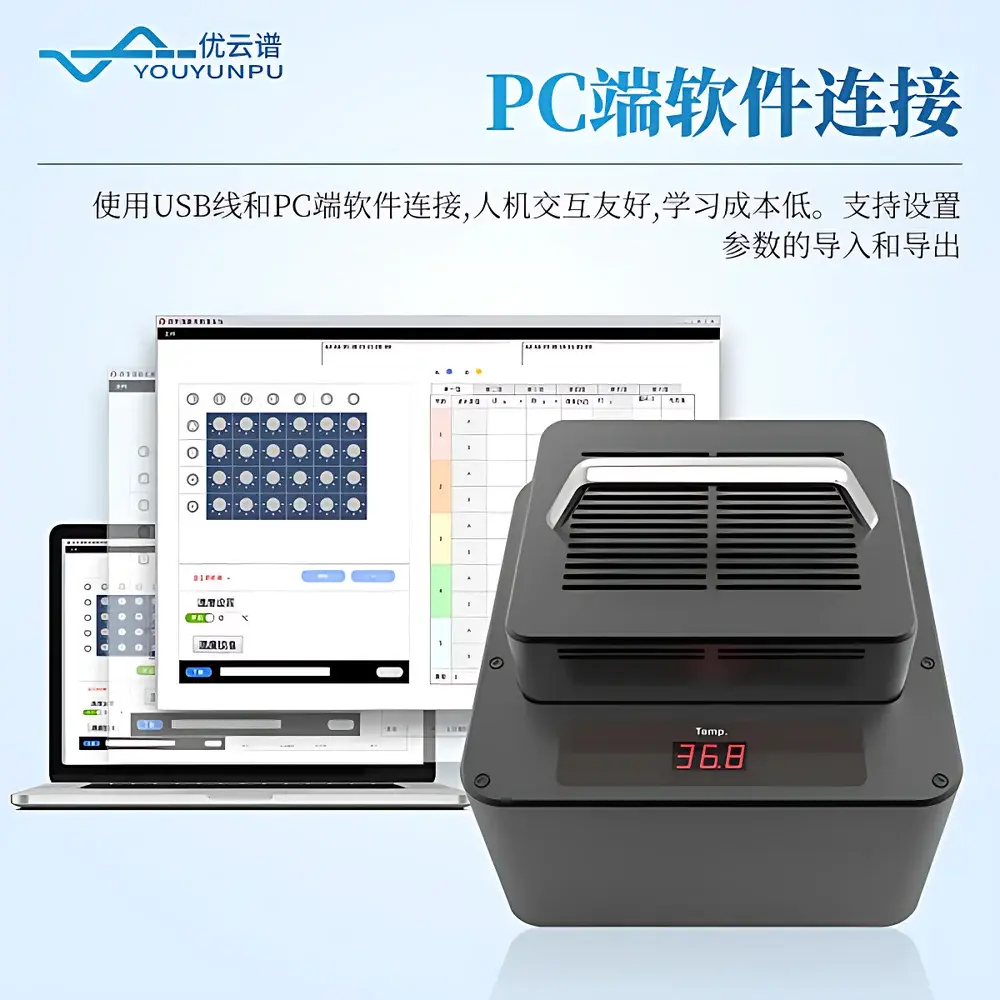
| Interface | USB 2.0, Windows-compatible software with audit trail and parameter import/export |
Overview
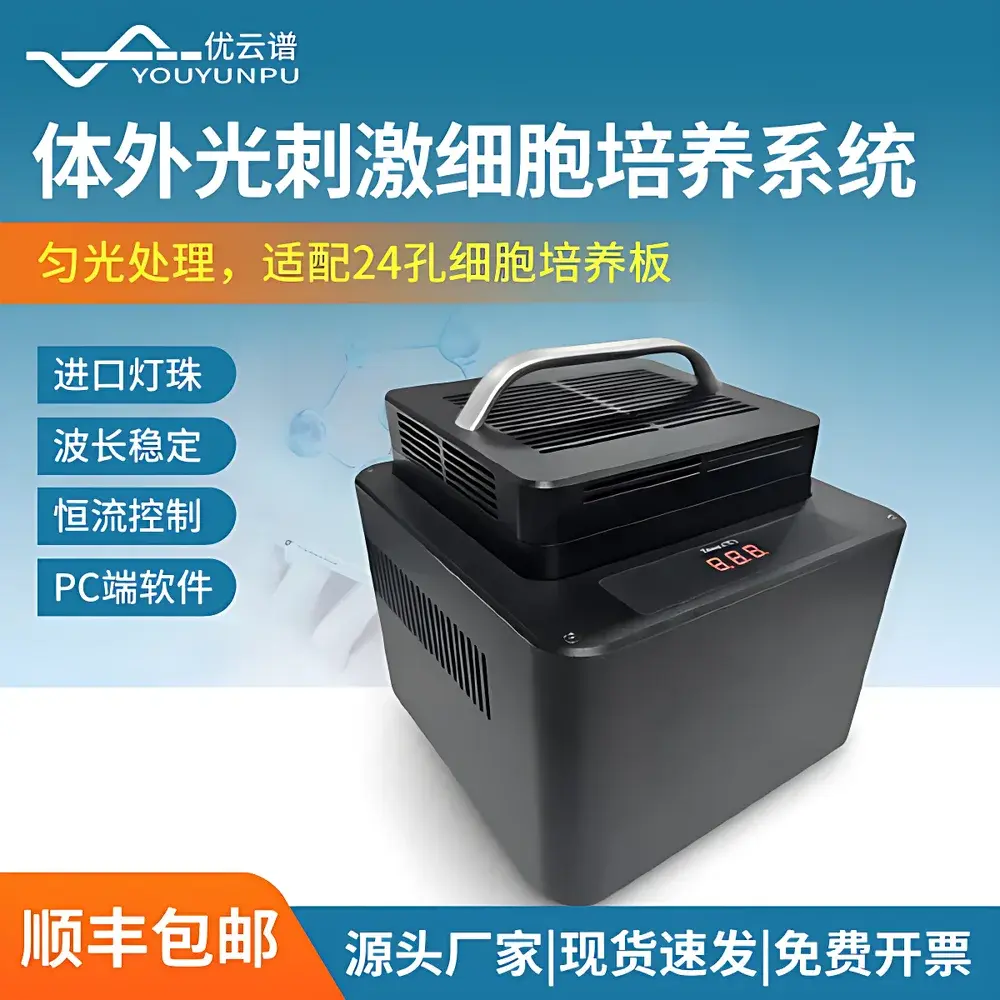
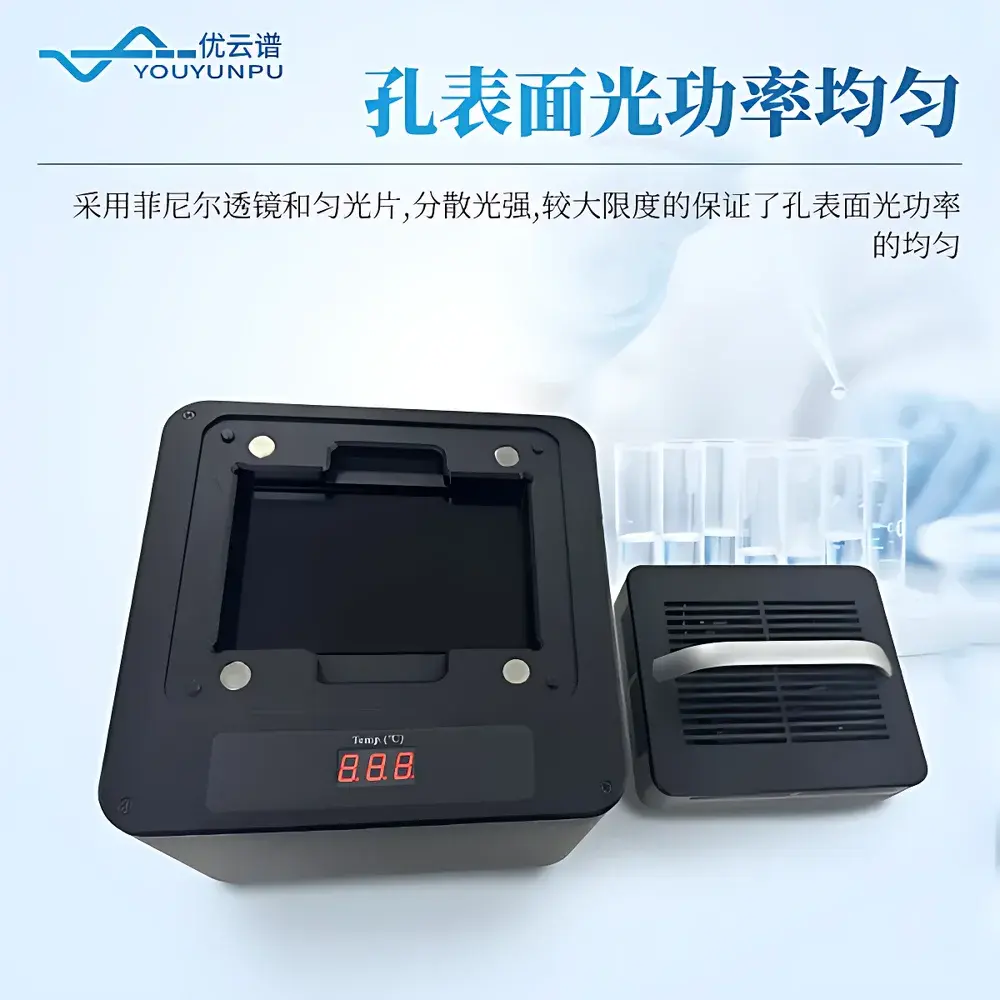
The YP-TGX Neuronal Cell Culture System is an integrated incubator platform engineered for precise, reproducible optogenetic stimulation of primary neurons and neural progenitor cells under physiologically relevant culture conditions. Unlike conventional CO₂ incubators or standalone LED arrays, the YP-TGX combines tightly regulated thermal and humidified microenvironment control with spatially resolved, wavelength-tunable photostimulation—enabling real-time interrogation of light-gated ion channels (e.g., ChR2, NpHR, C1V1) in adherent 24-well formats. Its core architecture implements Couette-type thermal management via solid-state Peltier elements and closed-loop PID regulation, ensuring minimal thermal drift during extended stimulation protocols (up to 72 h). The optical subsystem employs high-stability, surface-mount LEDs with narrow spectral bandwidths (FWHM < 15 nm), collimated through Fresnel lens arrays and diffused via engineered homogenizing films to achieve ≤±8% irradiance variation across individual well surfaces—critical for eliminating well-to-well response heterogeneity in calcium imaging or electrophysiological readouts.
Key Features
- Per-well independent optical control: Each of the 24 wells features a dedicated LED driver enabling simultaneous yet distinct wavelength selection, pulse frequency (0.1–100 Hz), duty cycle, and irradiance (0.1–20 mW/mm²), supporting complex temporal stimulation paradigms including burst trains and ramped intensity profiles.
- High-fidelity thermal regulation: Dual-mode Peltier modules provide rapid heating and cooling (≥1.2 °C/min ramp rate) with ±0.3 °C uniformity across the full 24-well plate area, verified by NIST-traceable thermistor mapping at ISO 13485-certified calibration intervals.
- Humidity stabilization without water reservoirs: A membrane-based humidification system maintains 50–95% RH with <±2% deviation over 72 h, eliminating condensation risk on optical windows and culture vessel lids—essential for long-term live-cell microscopy compatibility.
- Regulatory-ready software architecture: PC-based control suite includes user-level access controls, electronic signature support, change history logging, and exportable CSV/JSON parameter sets compliant with GLP documentation requirements.
- Modular mechanical design: Standard ANSI/SLAS-compliant footprint allows integration into automated liquid handling workflows; removable optical deck enables sterilization via 70% ethanol wipe-down or UV-C exposure (254 nm, 30 min).
Sample Compatibility & Compliance
The YP-TGX accommodates standard tissue-culture-treated 24-well polystyrene or glass-bottom plates (Corning, Falcon, Greiner Bio-One), including coated substrates for primary cortical or hippocampal neuron adhesion (e.g., poly-D-lysine/laminin). It supports co-culture configurations with astrocytes or microglia under identical optostimulus conditions. All materials in contact with the incubation chamber meet USP Class VI biocompatibility standards. The system operates within IEC 61000-6-3 EMC emission limits and complies with IEC 61010-1 safety requirements for laboratory equipment. Firmware and software adhere to ALCOA+ data integrity principles, with optional 21 CFR Part 11 compliance packages available upon request for regulated neuropharmacology labs.
Software & Data Management
The YP-TGX Control Suite (v3.2+) runs natively on Windows 10/11 (64-bit) and provides intuitive graphical timeline programming for multi-phase stimulation sequences—each phase defined by wavelength, irradiance, frequency, duration, and inter-phase delay. Real-time monitoring displays live temperature/humidity traces and LED status per well. All experimental parameters—including timestamps, operator ID, and hardware firmware revision—are embedded in exported data files. Audit trails record all configuration changes with IP address, timestamp, and user credentials. Raw log files are stored in encrypted SQLite format with SHA-256 checksum validation to ensure forensic traceability during regulatory audits.
Applications
- Optogenetic screening of synaptic plasticity mechanisms in iPSC-derived neuronal networks
- Time-resolved assessment of light-activated GPCR signaling kinetics (e.g., Opto-α1AR, Opto-β2AR)
- High-content phenotyping of channelopathy models (e.g., SCN1A, KCNQ2 mutations) under controlled photostimulus stress
- Validation of novel opsins in primary rodent or human neurons under physiological O₂ and pH conditions
- Co-stimulation studies combining patterned light with pharmacological agents (e.g., TTX, APV, CNQX) in multi-well format
FAQ
Does the YP-TGX support synchronization with external electrophysiology or imaging systems?
Yes—TTL-compatible trigger outputs (5 V, 10 ns rise time) are provided for precise alignment with patch-clamp amplifiers or sCMOS camera acquisition clocks.
Can irradiance be calibrated per well using a NIST-traceable sensor?
Yes—the system includes a removable calibration port compatible with Thorlabs S120VC or equivalent photodiode sensors; calibration coefficients are stored per LED channel in non-volatile memory.
Is remote operation supported over LAN or VPN?
Local network control is supported via TCP/IP API (Python/Matlab SDK included); secure remote access requires customer-provided firewall configuration and is not enabled by default for data security compliance.
What maintenance is required for long-term stability?
Annual recalibration of thermal/humidity sensors and LED output verification is recommended; no consumables or lamp replacements are needed due to solid-state LED architecture with >20,000 h L70 lifetime.
How is contamination prevented during extended experiments?
The chamber incorporates HEPA-filtered internal recirculation (ISO 5 class airflow), copper-alloy interior surfaces, and programmable UV-C decontamination cycles (254 nm, 15 min) activated between runs.




