
YSKD Dry Powder Insufflator for Intratracheal Administration in Mice and Rats
| Brand | YSKD |
|---|---|
| Origin | Beijing, China |
| Manufacturer Type | Direct Manufacturer |
| Product Category | Domestic |
| Model | YSKD-DPI-MR |
| Price Range | USD 1,400 – 2,800 |
Overview
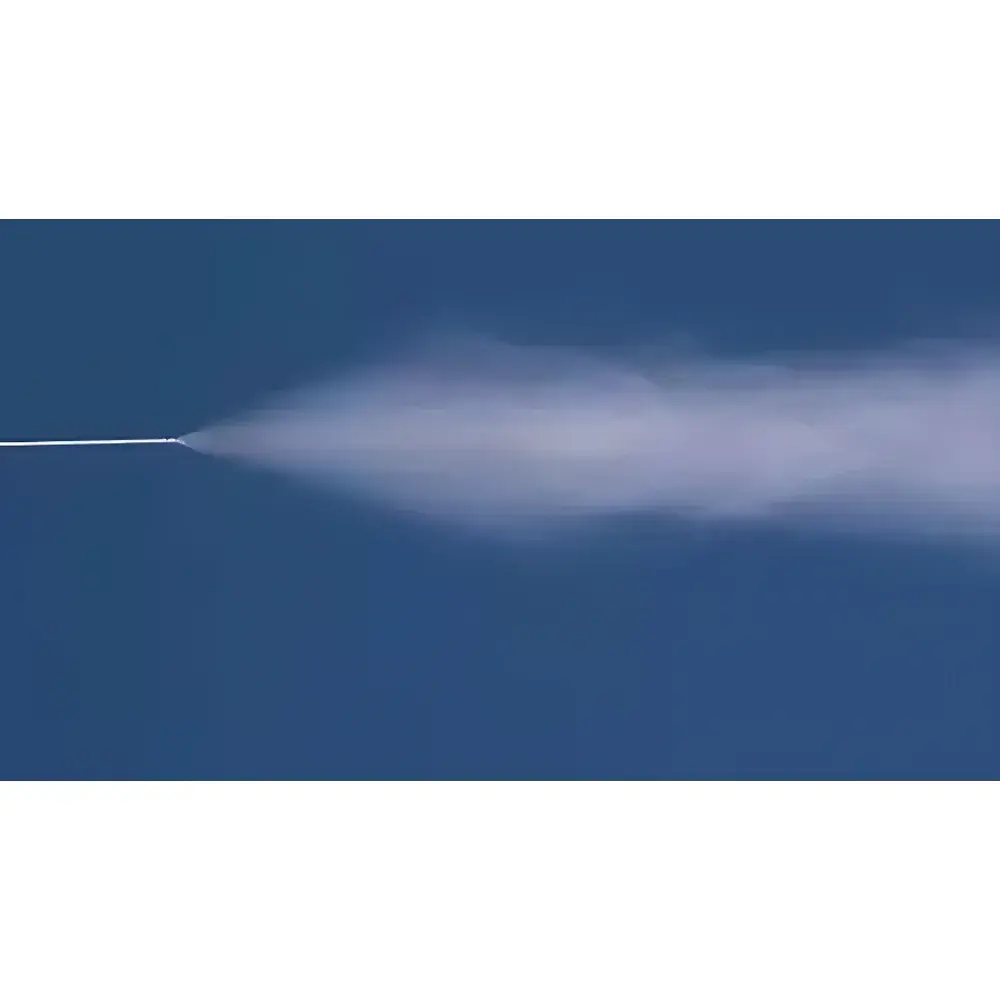
The YSKD Dry Powder Insufflator for Intratracheal Administration in Mice and Rats is a precision-engineered exposure device designed for controlled, minimally invasive delivery of dry powder or nebulized liquid test substances directly into the tracheobronchial tree of rodent models. Unlike conventional intratracheal instillation (e.g., bolus liquid drop), this system utilizes a calibrated insufflation mechanism coupled with real-time laryngoscopic visualization to achieve targeted, reproducible deposition in the lower respiratory tract. The device operates on the principle of transient positive-pressure pulsed delivery—generating brief, low-velocity airflow pulses that carry aerosolized or micronized particulates deep into the pulmonary parenchyma while minimizing upper airway deposition and pharyngeal aspiration. It is engineered for use under terminal or non-terminal anesthesia protocols compliant with IACUC and AAALAC International guidelines, supporting GLP-aligned preclinical inhalation toxicology and pharmacokinetic studies.
Key Features
- Integrated high-resolution rigid laryngoscope with LED illumination and 3× optical magnification for real-time visualization of vocal folds and tracheal orifice during intubation
- Calibrated dry powder insufflation module with adjustable pulse duration (50–200 ms) and pressure range (0.5–2.5 psi), enabling precise mass-controlled delivery (0.1–5 mg per dose)
- Dual-mode operation: compatible with both dry powder formulations (e.g., lactose-blended APIs, nanostructured particles) and nebulized liquids (via optional ultrasonic nebulizer interface)
- Ergonomic restraint platform with adjustable head tilt, thoracic stabilization, and integrated bite block to minimize animal movement and ensure consistent airway alignment
- Modular, autoclavable stainless-steel cannula set (0.4 mm ID for mice; 0.6 mm ID for rats) with tapered tip geometry optimized for atraumatic tracheal entry
- Compliance with ISO 17025 traceable calibration documentation for pressure and timing modules, supporting audit readiness in regulated environments
Sample Compatibility & Compliance
The YSKD-DPI-MR accommodates a broad spectrum of test materials including micronized pharmaceutical powders (D50: 1–10 µm), engineered nanomaterials, environmental particulates (e.g., PM2.5 surrogates), and vaccine adjuvants. All wetted components are constructed from medical-grade 316L stainless steel and borosilicate glass, ensuring chemical compatibility with organic solvents, aqueous suspensions, and low-pH formulations. The system supports adherence to OECD Test Guidelines 412 (Subacute Inhalation Toxicity) and 413 (Chronic Inhalation Toxicity) when used with validated dosing protocols. Device operation and data recording workflows are structured to align with FDA 21 CFR Part 11 requirements for electronic records and signatures, particularly when paired with optional time-stamped video capture and digital log export.
Software & Data Management
While the core insufflator operates via hardware-based analog controls for reliability and regulatory simplicity, an optional USB-connected control module enables integration with third-party acquisition software (e.g., LabChart, MATLAB, or custom Python scripts). This module logs timestamped parameters—including pulse count, peak pressure, and total delivered mass—into CSV-formatted files with ISO 8601 timestamps. Audit trails include operator ID (via encrypted login), session start/stop times, and version-stamped firmware identifiers. All exported data retain full traceability to individual animal IDs and study protocols, facilitating integration into LIMS or electronic lab notebook (ELN) systems used in contract research organizations (CROs) and pharmaceutical development labs.
Applications
This system is routinely deployed in academic and industrial settings for: inhalation toxicology assessment of airborne pollutants and nanomaterials; preclinical evaluation of inhaled therapeutics (e.g., corticosteroids, bronchodilators, mRNA-lipid nanoparticle vaccines); mechanistic studies of alveolar macrophage activation and epithelial barrier function; development and validation of pulmonary drug delivery platforms; and comparative biodistribution analysis across administration routes (intratracheal vs. oropharyngeal vs. whole-body inhalation). Its precision and repeatability make it especially valuable for dose-response characterization where regional lung deposition uniformity directly impacts endpoint interpretation—such as histopathological scoring, BALF cytokine profiling, or qPCR-based gene expression analysis in dissected lobes.
FAQ
What species and weight ranges are supported?
The system is validated for C57BL/6 and CD-1 mice (18–30 g) and Sprague-Dawley or Wistar rats (200–350 g). Cannula sizing and restraint geometry are optimized for these cohorts; custom adaptations for transgenic or obese models require prior engineering consultation.
Can the device be used for repeated-dose studies?
Yes—when combined with aseptic technique and post-procedure analgesia protocols, the system supports up to 14 consecutive daily administrations without significant airway injury, as confirmed by histopathology in peer-reviewed validation studies.
Is training or SOP documentation provided?
YSKD supplies a comprehensive user manual with step-by-step illustrated procedures, IACUC protocol templates, troubleshooting matrices, and video-based operator certification modules. On-site or remote technical training is available upon request.
How is dose accuracy verified experimentally?
Users are advised to perform gravimetric verification using pre- and post-dose microbalance measurements of the loaded powder capsule, cross-referenced against cascade impactor deposition profiles (e.g., Next Generation Impactor) for aerodynamic particle size distribution confirmation.




