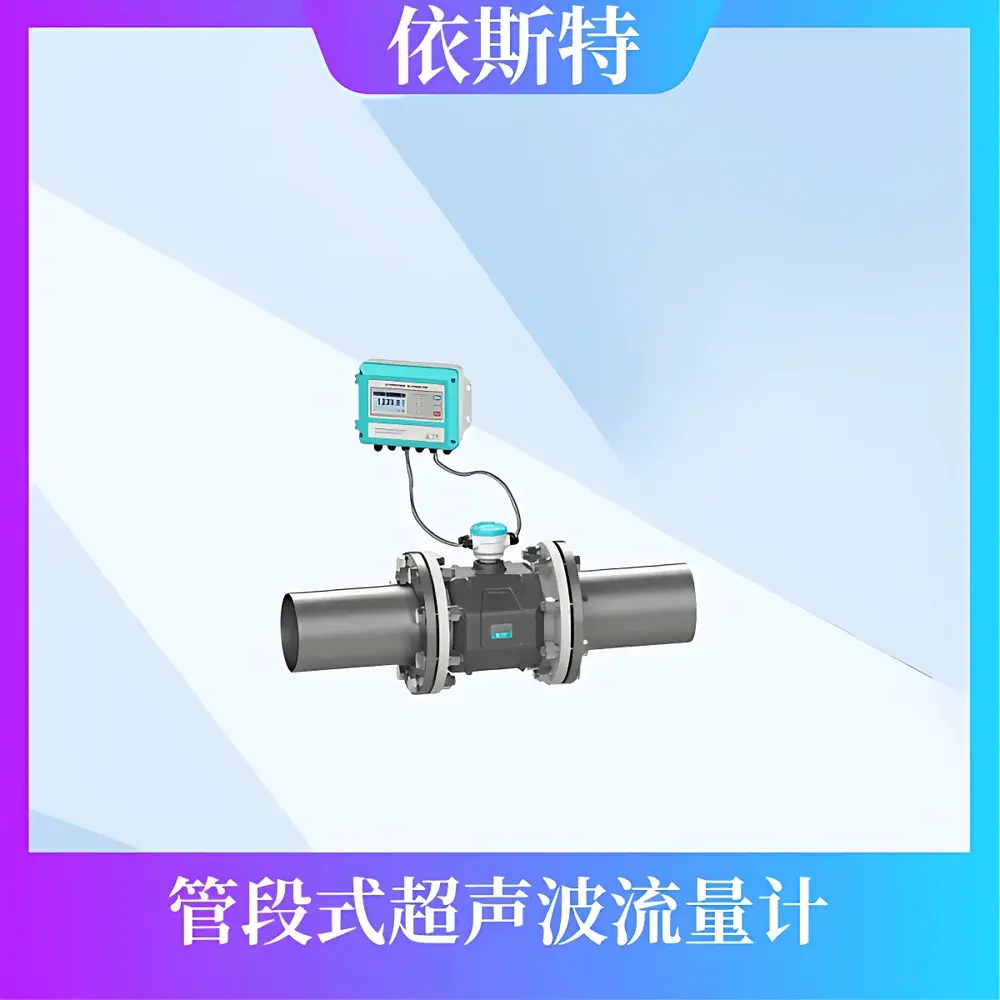
YST Ultrasonic Flow Meter YST305D40YF013
| Brand | YST (Dalian Yist) |
|---|---|
| Origin | Liaoning, China |
| Model | YST305D40YF013 |
| Flow Principle | Transit-Time Ultrasonic (Single-Path) |
| Flow Range | 0 to ±12 m/s |
| Accuracy | ±0.5% of reading (±0.01–12 m/s) |
| Repeatability | 0.15% |
| Pipe Diameter Range | 200–5000 mm |
| Analog Output | 4–20 mA (750 Ω load) |
| Pulse Output | 0–9999 Hz (adjustable) |
| Relay Output | SPST, max 1 Hz |
| Communication | RS485, Modbus RTU protocol |
| Power Supply | 24 VDC |
| Operating Temperature | Host: −40 to +60 °C |
| Sensor | −40 to +80 °C |
| Relative Humidity | ≤95%, non-condensing |
Overview
The YST Ultrasonic Flow Meter YST305D40YF013 is a transit-time single-path ultrasonic flow measurement instrument engineered for continuous, non-intrusive volumetric flow monitoring of clean or mildly heterogeneous liquids in full-bore industrial and municipal piping systems. Unlike Doppler-based ultrasonic meters, this model relies on precise time-of-flight differential measurement between upstream and downstream ultrasonic signals propagated across the pipe cross-section. The resulting time delta—directly proportional to the axial flow velocity—is processed using temperature-compensated algorithms to deliver high-fidelity flow velocity and integrated volumetric flow data. Designed for permanent installation in pressurized pipelines, the YST305D40YF013 operates under stable hydraulic conditions where the pipe remains fully filled and free of air pockets or excessive particulate accumulation. Its core architecture adheres to fundamental principles outlined in ISO 6416 (ultrasonic flowmeters for liquids) and supports traceable calibration practices aligned with ISO/IEC 17025-compliant laboratories.
Key Features
- Non-invasive clamp-on installation: No pipe cutting, welding, or process shutdown required—ideal for retrofit applications in operational infrastructure.
- High-stability transit-time measurement: Dual transducer configuration with automatic signal gain control ensures robust performance across varying liquid acoustic properties (e.g., water, glycol solutions, mild chemical effluents).
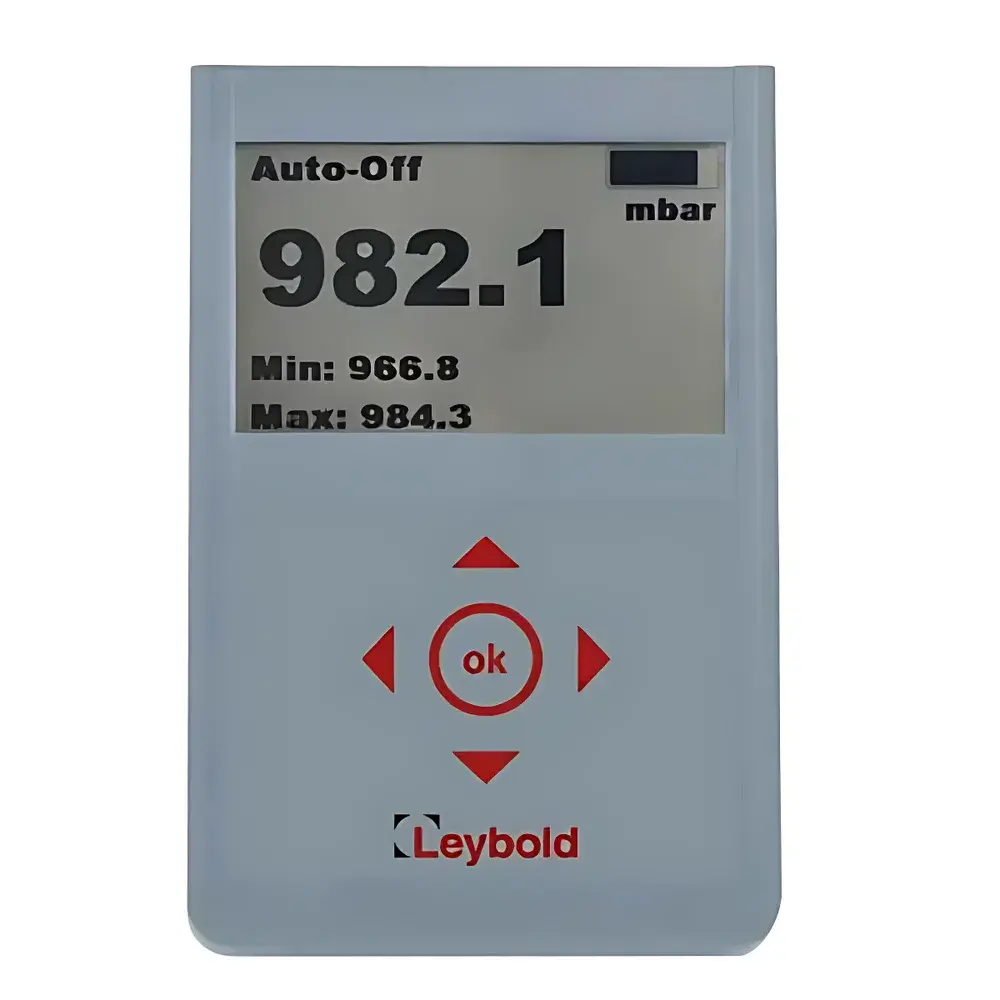
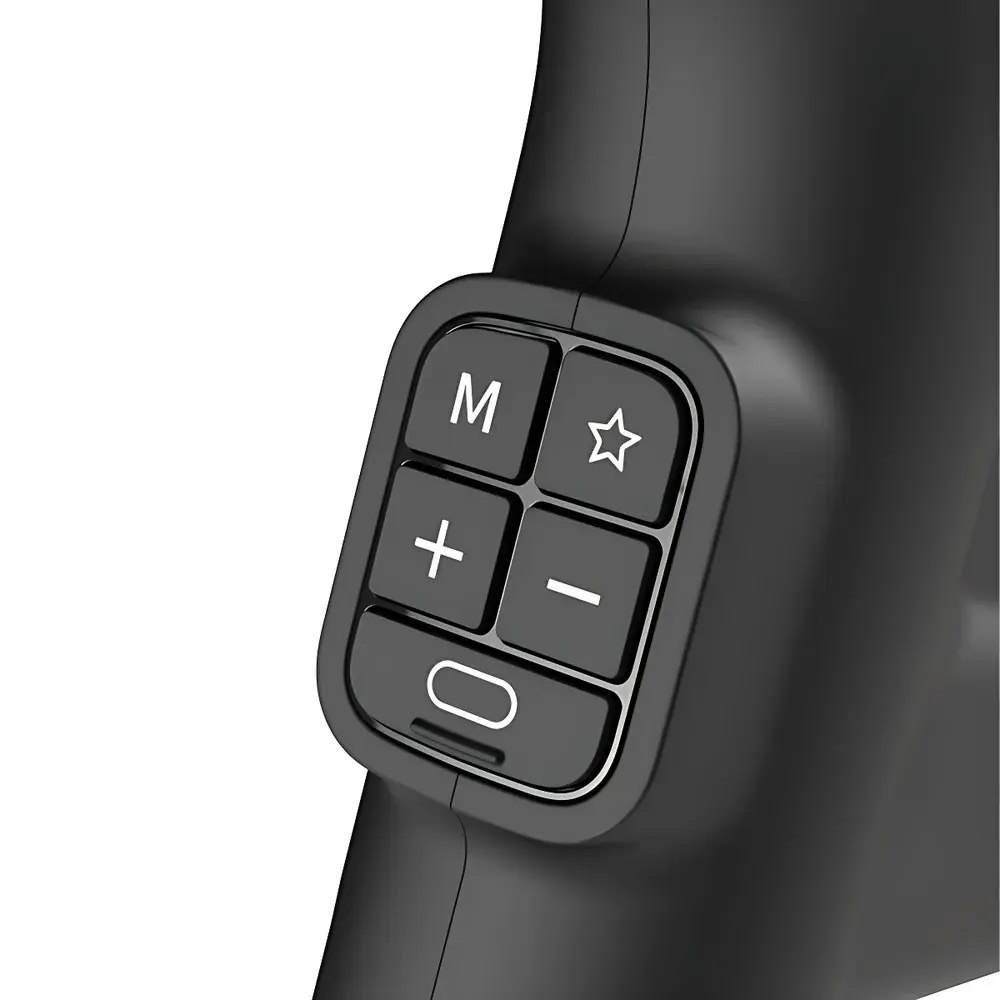
- Integrated local interface: 2.8-inch TFT LCD display with four tactile keys enables real-time viewing of instantaneous, daily, monthly, and annual cumulative flow totals—including forward, reverse, and net flow modes.
- Industrial-grade electronics: Multi-layer PCB design minimizes interconnect points and enhances long-term reliability under thermal cycling and vibration stress typical in pump stations and chemical plants.
- EMI-resilient signal transmission: Shielded twisted-pair cabling and galvanically isolated analog/pulse outputs mitigate electromagnetic interference from variable-frequency drives, motors, and high-current busbars.
- Wide operating envelope: Sensor-rated up to +80 °C and host electronics rated down to −40 °C support deployment in outdoor metering kiosks, underground valve chambers, and unheated industrial enclosures.
Sample Compatibility & Compliance
The YST305D40YF013 is validated for use with homogeneous or low-turbidity liquids exhibiting sound speed stability within ±5% of water (1480 m/s at 20 °C). It demonstrates operational tolerance to suspended solids <500 ppm and gas entrainment <1% by volume—making it suitable for municipal potable water distribution, cooling water circuits, condensate return lines, and treated wastewater conveyance. While not certified for custody transfer per OIML R137 or API MPMS Ch. 5.8, the device meets functional requirements for internal process monitoring, energy management (ISO 50001), and preventive maintenance logging. Its Modbus RTU implementation complies with EIA/TIA-485-A electrical specifications and supports integration into SCADA, DCS, and PLC-based control architectures without protocol translation hardware.
Software & Data Management
Data acquisition and configuration are performed locally via the onboard keypad and display; no proprietary software or PC connection is required for basic commissioning. For centralized deployment, the RS485 interface enables polling of real-time flow velocity, totalized volume, signal quality indicators (e.g., signal-to-noise ratio, transit time stability), and diagnostic flags (e.g., low signal strength, temperature out-of-range) using standard Modbus function codes (03h, 04h, 06h). The unit supports configurable pulse output scaling for mechanical counter interfacing and relay-triggered alarm events (e.g., flow rate deviation >±10% setpoint). Audit-ready operation is facilitated through deterministic timestamping of all relay state changes and analog output saturation events—consistent with GLP-aligned data integrity expectations for non-regulated industrial environments.
Applications
- Municipal water utilities: Real-time district metering area (DMA) flow profiling, leak detection baseline establishment, and pump station efficiency optimization.
- Power generation: Condenser cooling water flow verification, closed-loop feedwater circulation monitoring, and auxiliary system balance analysis.
- Chemical manufacturing: Batch reactor feed verification, heat exchanger duty validation, and recirculation loop flow consistency checks.
- Food & beverage processing: CIP line flow verification, syrup dilution ratio control, and chilled water allocation tracking.
- Building management systems: HVAC chilled/hot water submetering, tenant-level consumption reporting, and LEED EA credit documentation.
FAQ
What pipe materials are compatible with this flow meter?
Cast iron, ductile iron, carbon steel, stainless steel, PVC, and GRP pipes are supported—provided wall thickness and acoustic impedance allow sufficient ultrasonic energy transmission. Lined or insulated pipes require evaluation of lining material attenuation and insulation thickness prior to installation.
Does the device require periodic recalibration?
No factory recalibration is mandated under normal operating conditions. However, field verification using portable ultrasonic reference meters or geometric pipe parameter revalidation is recommended annually—or after mechanical impact, sensor repositioning, or significant fluid property changes.
Can it measure bidirectional flow?
Yes. The transit-time algorithm inherently detects flow direction based on sign reversal of the time-difference signal, enabling accurate forward/reverse/net flow computation without hardware modification.
Is it suitable for drinking water applications compliant with NSF/ANSI 61?
The wetted components (transducer face and coupling compound) are not NSF-certified. For potable water applications requiring regulatory compliance, users must verify third-party certification of installed transducers and couplants separately.
How is sensor alignment verified during installation?
The meter provides real-time signal quality metrics—including path signal amplitude, transit time standard deviation, and signal-to-noise ratio—displayed on the LCD. Optimal transducer placement is achieved when SNR exceeds 12 dB and transit time jitter remains below ±0.1 µs over 10-second intervals.