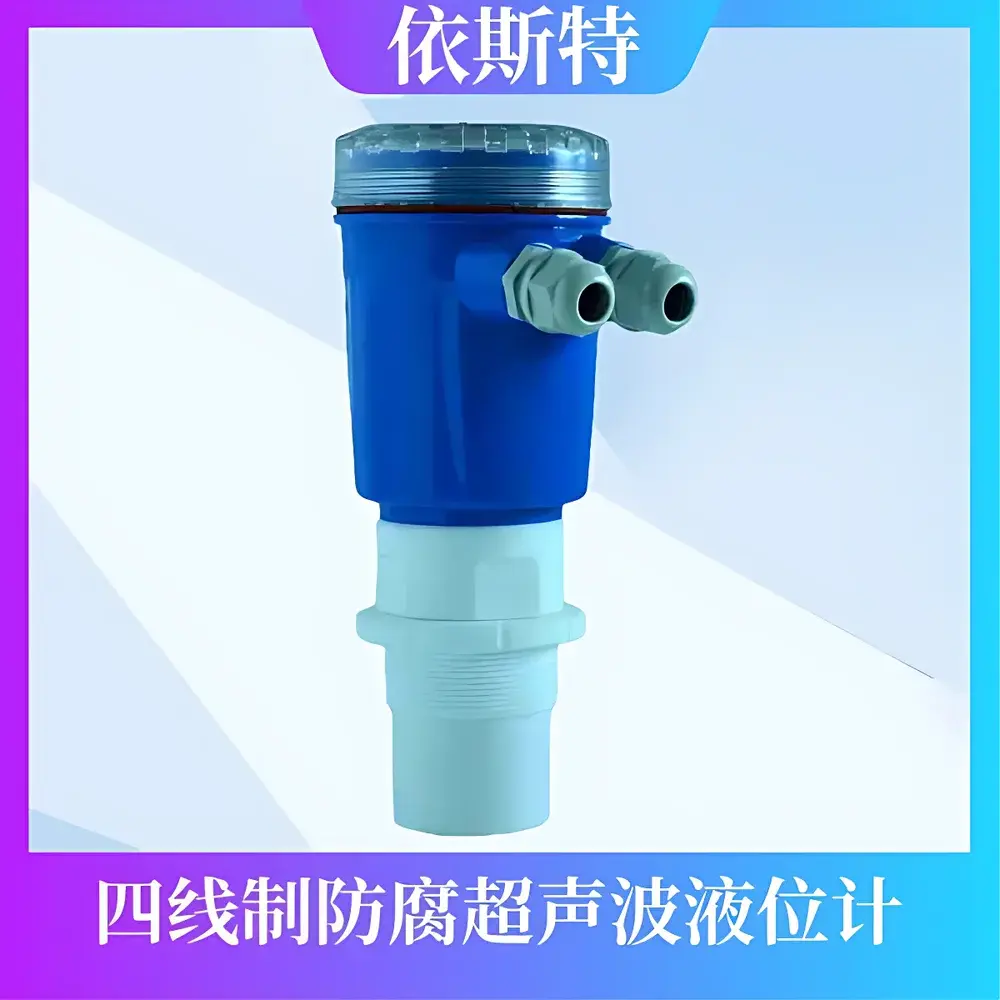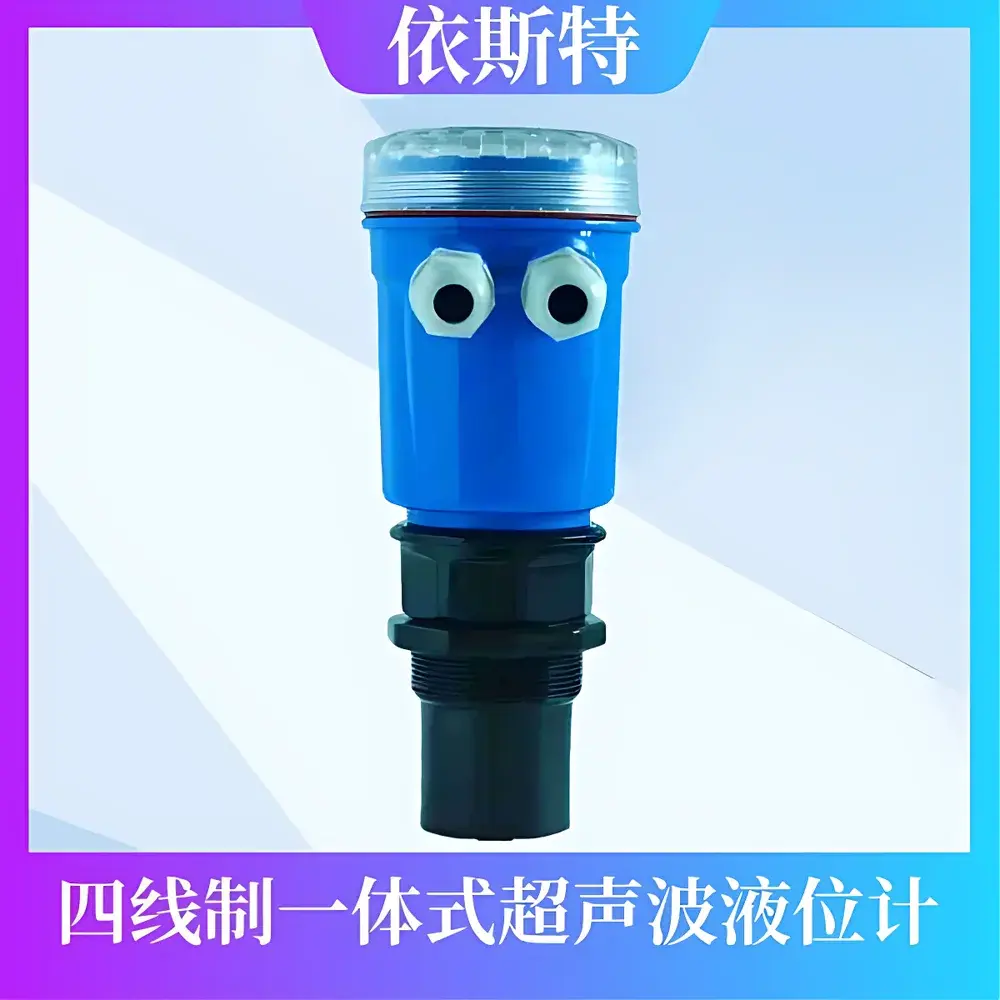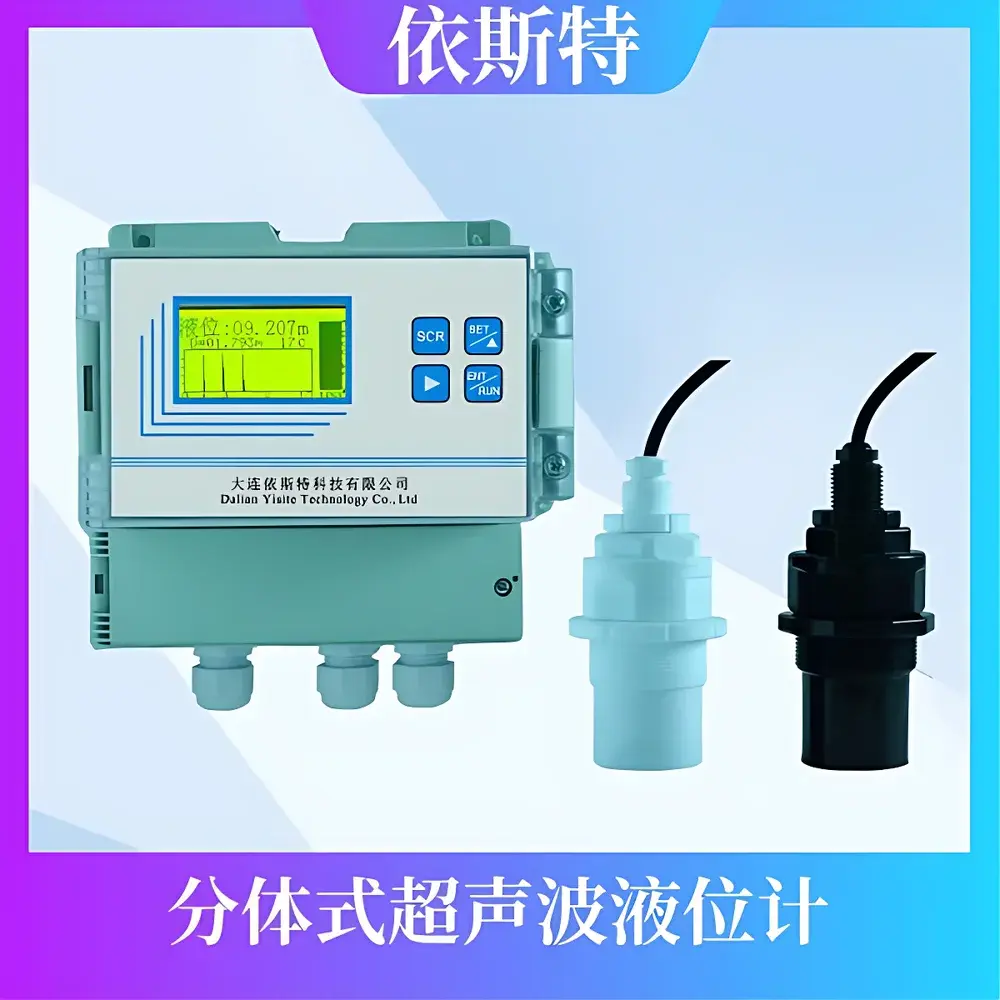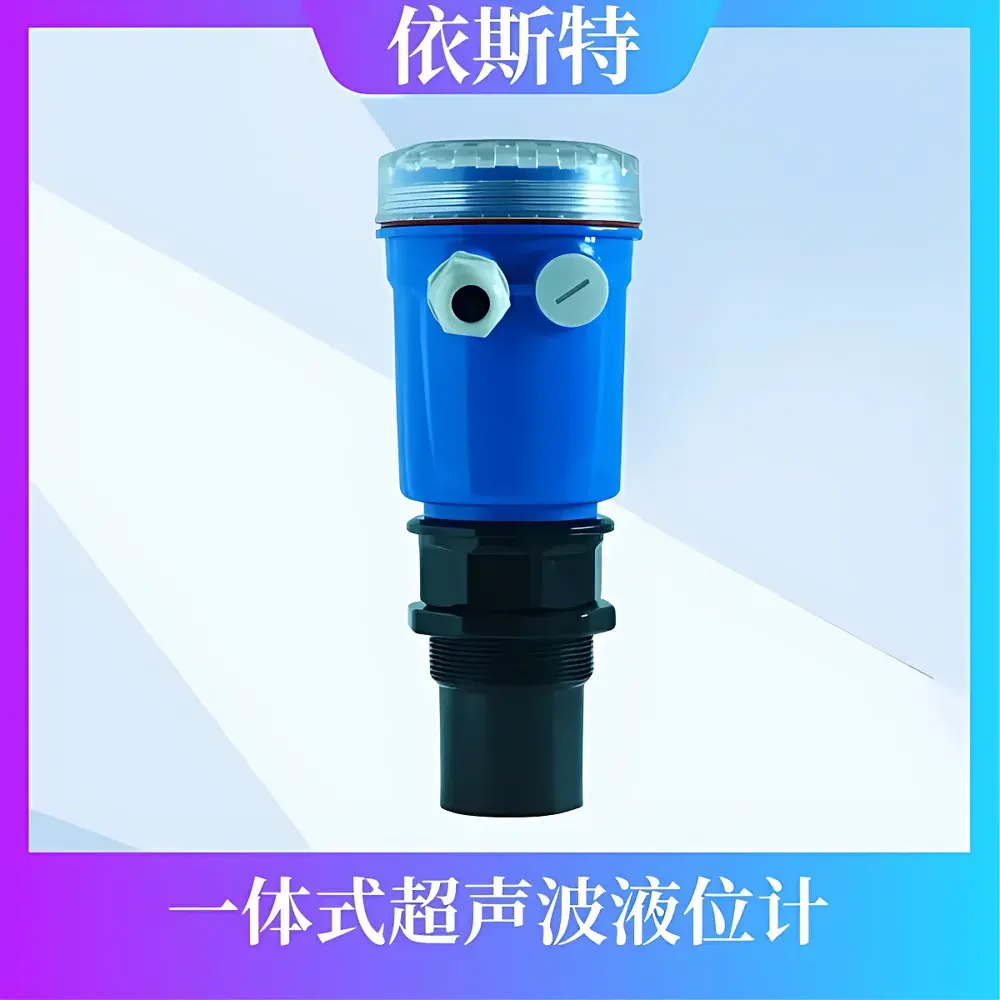
YST820CY10 Integrated & Separated Ultrasonic Level Meter by YST (Dalian Yist Instrument Co., Ltd.)
| Brand | YST (Dalian Yist Instrument Co., Ltd.) |
|---|---|
| Origin | Liaoning, China |
| Model | YST820CY10 |
| Measurement Range | 0.2–10 m |
| Accuracy | ±0.5% FS |
| Resolution | 1 mm |
| Operating Temperature (Body) | −20°C to +60°C |
| Operating Temperature (Transducer) | −40°C to +80°C |
| Output Signals | 4–20 mA analog, RS485 digital (Modbus RTU protocol) |
| Power Supply | AC 220 V ±10% / 50–60 Hz or DC 24 V ±15% (selectable) |
| Enclosure Rating | IP65 (body), IP67 (transducer) |
| Display | 4–6-digit LCD, unit switching between m/cm and m³/L |
Overview
The YST820CY10 Integrated & Separated Ultrasonic Level Meter is an industrial-grade non-contact level sensing instrument engineered for continuous, reliable monitoring of liquid surfaces in open channels, tanks, sumps, and reservoirs. It operates on the principle of time-of-flight ultrasonic pulse echo measurement: a transducer emits high-frequency acoustic pulses (typically 20–50 kHz) toward the liquid surface; the elapsed time between emission and reception of the reflected echo is converted into distance using the speed of sound in air—dynamically compensated via an integrated temperature sensor. This physics-based approach eliminates mechanical wear, avoids process contamination, and ensures immunity to variations in liquid conductivity, density, color, or opacity. Designed for deployment in municipal water/wastewater infrastructure, chemical storage, and industrial process tanks, the YST820CY10 delivers stable performance under ambient conditions ranging from −40°C to +80°C at the transducer and supports dual mounting configurations—integrated (transducer and electronics housed together) or separated (remote transducer connected via shielded cable)—to accommodate spatial constraints, hazardous zones, or thermal isolation requirements.
Key Features
- Temperature-Compensated Acoustic Measurement: Built-in Pt1000-class temperature sensor continuously monitors ambient air temperature near the transducer, enabling real-time correction of sound velocity (331.4 + 0.6T m/s), thereby maintaining measurement fidelity across wide thermal gradients.
- Dual Configuration Flexibility: Supports both integrated and separated installation modes—ideal for retrofitting existing infrastructure or deploying in environments where electronics must be located away from extreme temperatures, vibration, or corrosive atmospheres.
- Robust Environmental Protection: Transducer rated IP67 (dust-tight and submersible up to 1 m for 30 min); housing rated IP65 (dust-tight and protected against low-pressure water jets), suitable for outdoor, humid, or dusty industrial settings without additional enclosures.
- Multi-Protocol Signal Output: Simultaneous 4–20 mA analog output (HART-compatible wiring) and RS485 serial interface compliant with Modbus RTU protocol (addressable, 9600–115200 bps), enabling direct integration into PLCs, DCS systems, SCADA platforms, and IIoT gateways without signal converters.
- Intuitive Local Interface: Backlit 4–6-digit LCD display with configurable units (m, cm, m³, L), real-time level value, status indicators (e.g., signal strength, temperature, error codes), and menu-driven parameter setup via three tactile buttons—no PC or proprietary software required for basic commissioning.
Sample Compatibility & Compliance
The YST820CY10 is compatible with a broad spectrum of liquids—including potable water, raw sewage, activated sludge, acidic/alkaline effluents, oil-water emulsions, and viscous industrial solutions—provided the surface exhibits sufficient acoustic reflectivity (minimum 20 dB return signal). It is not recommended for highly foaming, vacuum, or steam-saturated environments where ultrasonic attenuation exceeds system dynamic range. While not certified to IEC 61508 (SIL) or ATEX/IECEx for safety-critical or explosive atmospheres, its design adheres to electromagnetic compatibility (EMC) principles aligned with IEC 61326-1 (industrial environment), and its analog/digital outputs meet functional safety data integrity expectations for non-SIL applications. The device supports configuration logging and change history tracking—a prerequisite for GLP/GMP-aligned operational records when deployed in regulated water quality monitoring per ISO 5667-3 or EPA Method 1604.
Software & Data Management
No proprietary desktop software is required for operation; however, optional configuration utilities (Windows/Linux) are available for advanced diagnostics, firmware updates, and batch parameter export/import via USB-to-RS485 adapter. All configuration changes—including damping time, measurement mode (level/distance/volume), zero/span calibration, and Modbus slave ID—are stored in non-volatile memory with write-cycle protection. The device implements timestamped event logging (power cycles, communication timeouts, signal loss) accessible via Modbus register map. While local data storage is limited to real-time values and alarms, integration with external historian systems (e.g., Ignition SCADA, Siemens Desigo CC, or cloud-based platforms such as Azure IoT Hub) enables long-term trend analysis, predictive maintenance scheduling, and regulatory reporting compliance (e.g., EPA NPDES discharge monitoring).
Applications
- Municipal Wastewater Treatment: Continuous level monitoring in influent channels, equalization basins, aeration tanks, and final clarifiers—where foam suppression algorithms and echo averaging mitigate false readings caused by turbulent or aerated surfaces.
- Chemical Storage & Handling: Non-invasive level control of corrosive or hazardous liquids (e.g., HCl, NaOH, H₂SO₄) in FRP or stainless-steel tanks; IP67-rated transducer resists chemical vapor exposure without requiring costly isolation membranes or purge systems.
- Drinking Water Distribution: Secondary pump station sump monitoring, elevated tank level supervision, and booster pump interlock logic—supporting automatic refill initiation and dry-run prevention per ANSI/AWWA standards.
- Industrial Process Tanks: Batch-level verification in food & beverage mixing vessels, pharmaceutical CIP rinse tanks, and metalworking coolant reservoirs—leveraging unit-switching capability for volume-based dosing control.
FAQ
What is the minimum measurable distance, and how is blind zone managed?
The transducer’s inherent blind zone is approximately 0.2 m. Measurements below this threshold are invalid due to near-field acoustic interference; the device automatically suppresses erroneous echoes and displays “LO” or holds last valid value.
Can the YST820CY10 operate reliably in environments with heavy condensation or dust accumulation on the transducer face?
Yes—the transducer lens is hydrophobic-coated and designed for periodic manual cleaning; built-in self-diagnostic checks detect signal attenuation >80% and trigger a “CLEAN SENSOR” warning on the display.
Is field calibration possible without factory tools?
Yes—zero and span adjustments can be performed using known reference levels (e.g., calibrated tape measure or sight glass) via the local keypad; no external calibration source or software is required.
Does the device support HART communication over the 4–20 mA loop?
No—while the 4–20 mA output is electrically compatible with HART-enabled receivers, the YST820CY10 does not embed HART digital superimposition; full digital communication requires RS485/Modbus.
What is the expected service life under continuous operation in outdoor conditions?
With proper mounting (shade/shelter from direct UV exposure) and biannual visual inspection/cleaning, field experience indicates >8 years of uninterrupted operation; mean time between failures (MTBF) exceeds 60,000 hours per IEC 61508 Annex B methodology.
Related Products