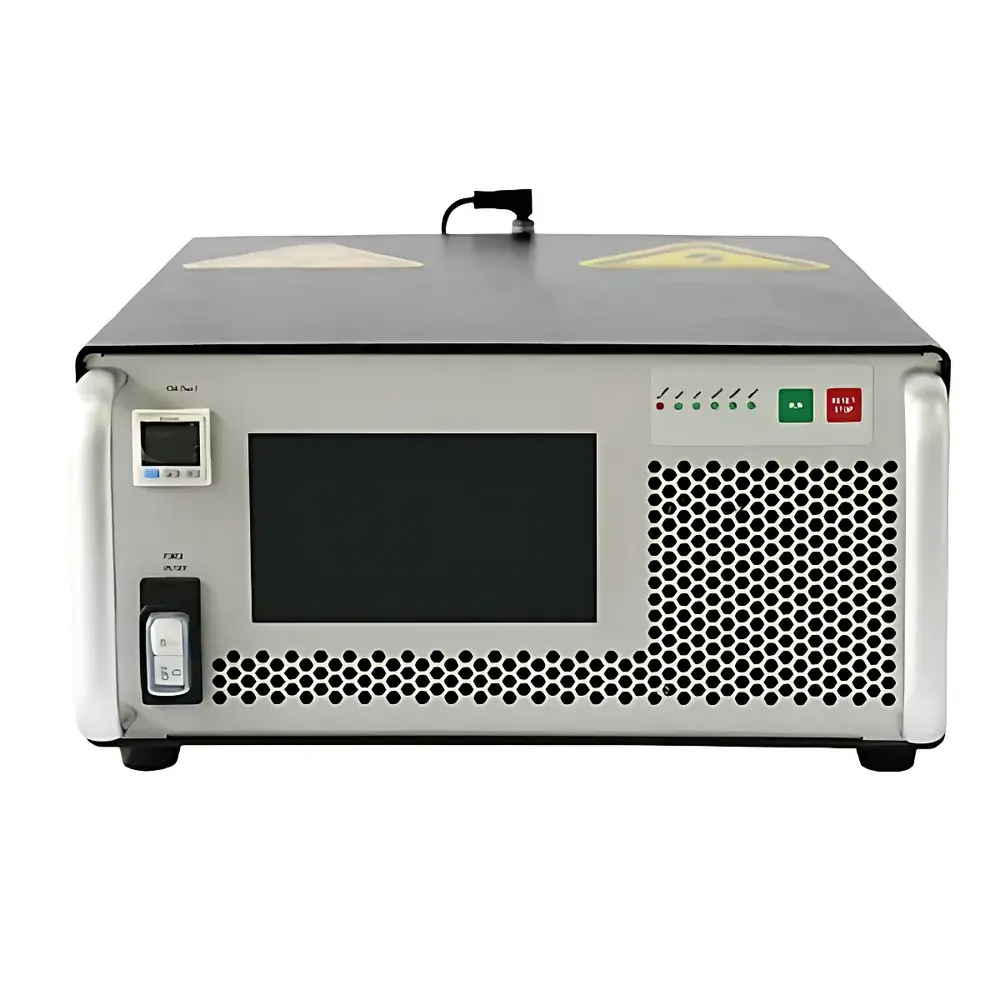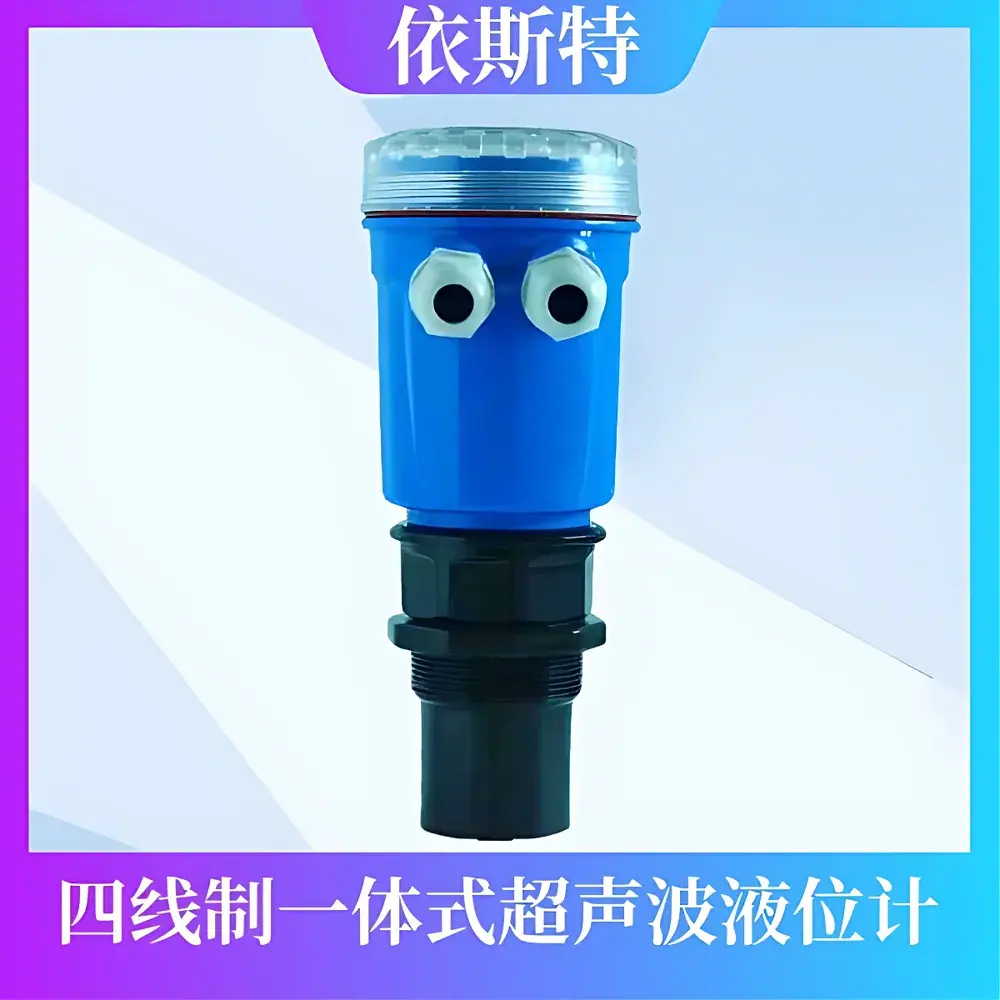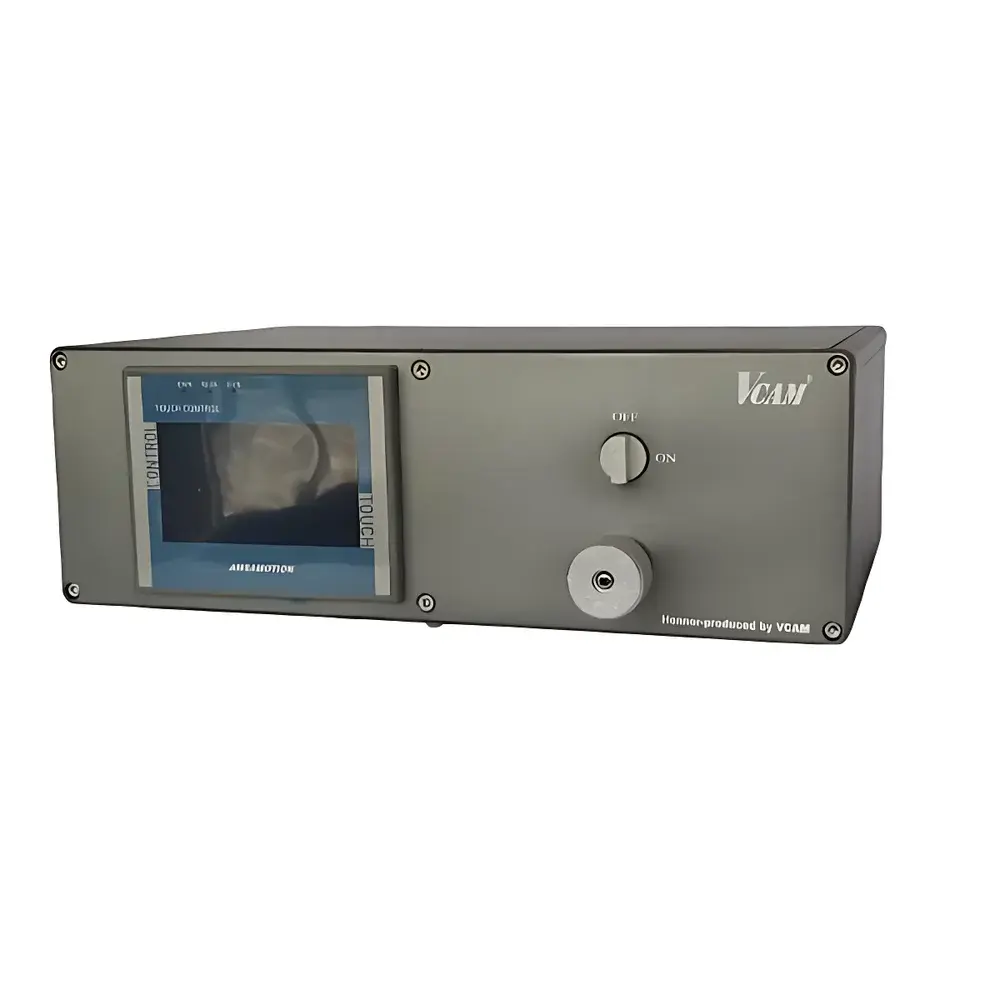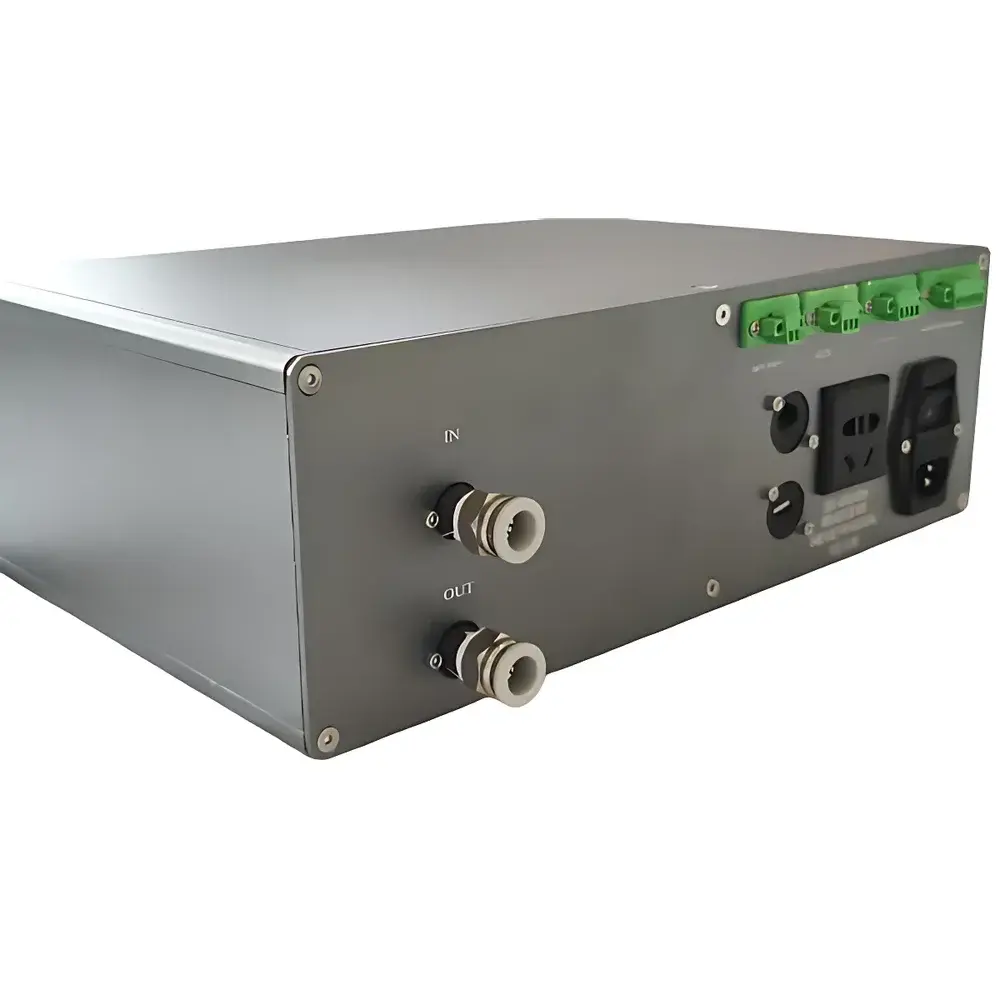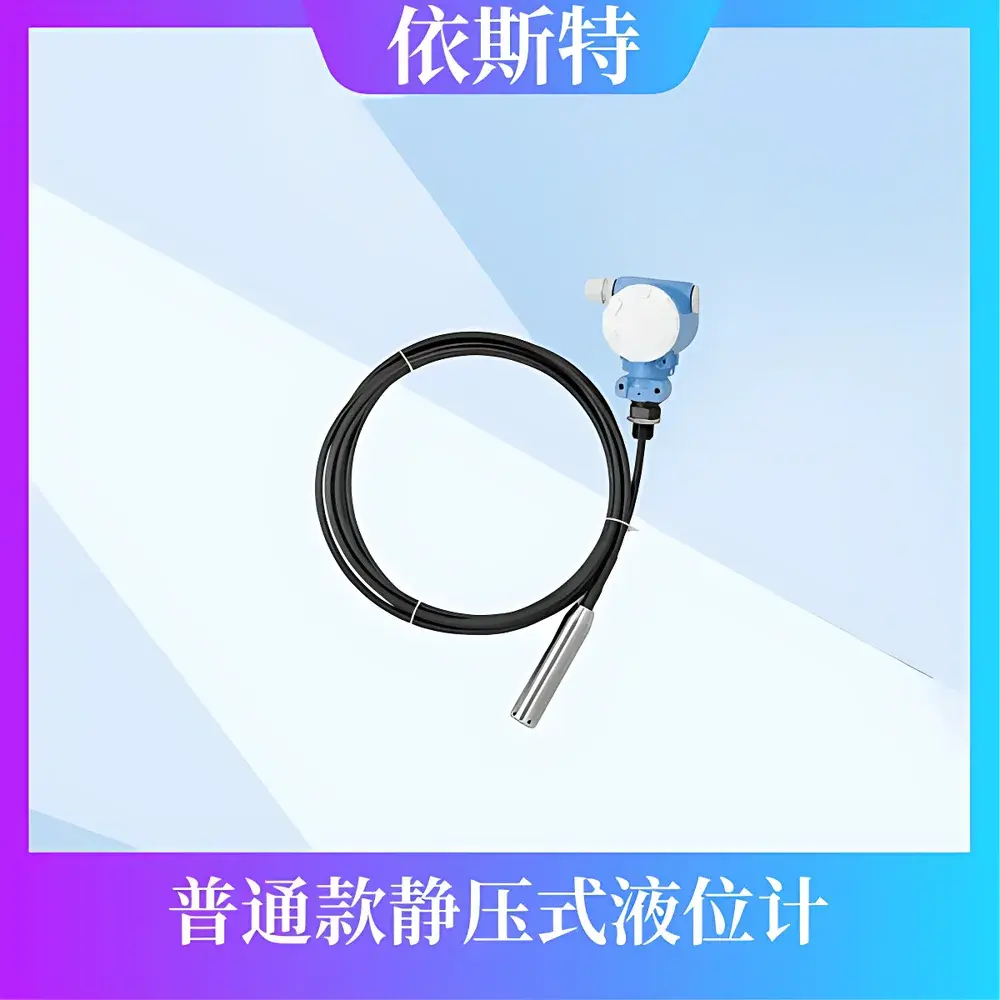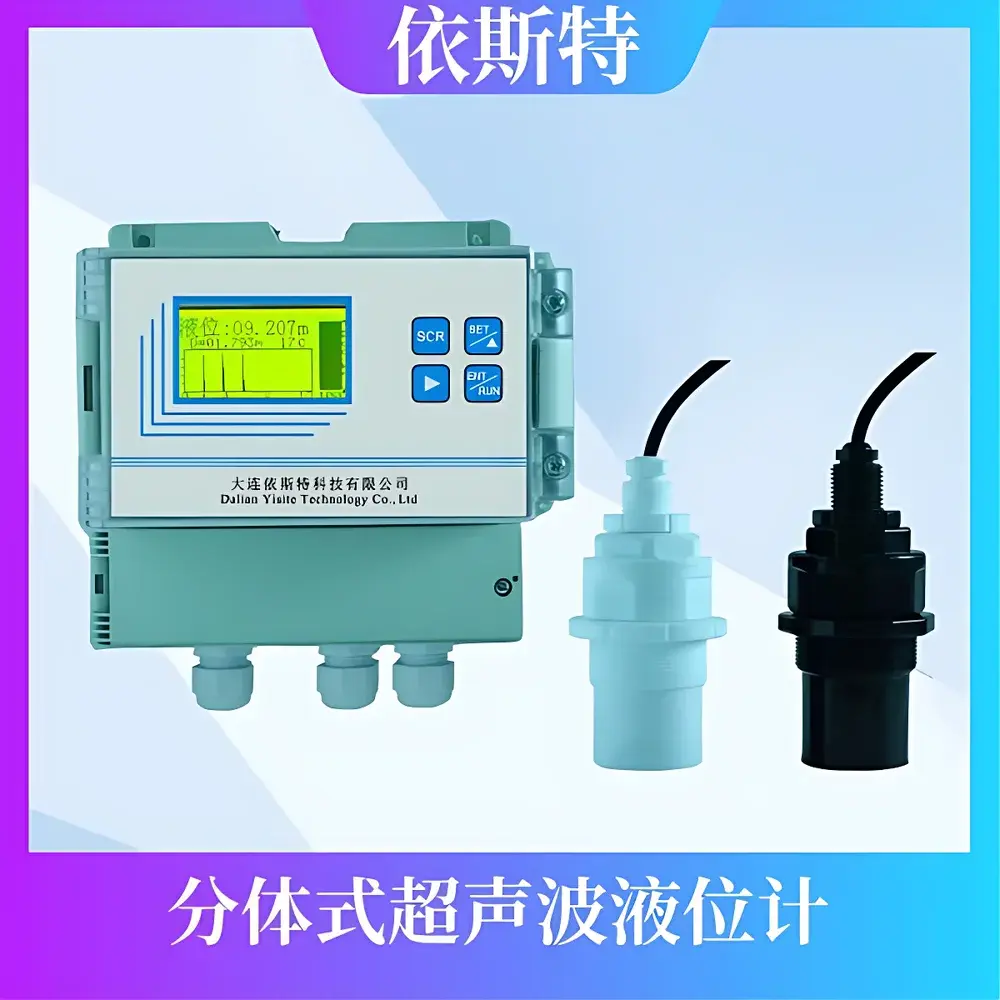
YST940F-1CY10 Split-Type High-Precision Ultrasonic Level Meter
| Brand | YST (Dalian Yist) |
|---|---|
| Origin | Liaoning, China |
| Model | YST940F-1CY10 |
| Measurement Range | 0.25–60 m (liquids), 0.5–30 m (solids) |
| Accuracy | ±0.2% FS |
| Operating Frequency | 40 kHz / 20 kHz auto-switching |
| Ambient Temperature | −40 °C to +85 °C |
| Relative Humidity | 0–90% RH (non-condensing) |
| IP Rating | Probe IP68, Transmitter IP66 |
| Output | 4–20 mA analog, RS485 (Modbus RTU) |
| Power Supply | AC 220 V ±10%, 50/60 Hz or DC 24 V |
| Standard Cable | 10 m polyurethane-shielded cable (optional: 15 m / 30 m) |
| Display | 4-digit LED, real-time level and status indication |
Overview
The YST940F-1CY10 Split-Type High-Precision Ultrasonic Level Meter is an industrial-grade non-contact level measurement instrument engineered for reliability in demanding process environments. It operates on the time-of-flight (ToF) principle: the probe emits high-frequency ultrasonic pulses (40 kHz for liquid applications; 20 kHz for solids), which propagate through air, reflect off the surface of the medium—whether liquid, slurry, or bulk solid—and return to the transducer. The transmitter calculates distance based on the elapsed time between emission and echo reception, compensating in real time for ambient temperature variations using an integrated temperature sensor. This compensation ensures consistent sound velocity calibration across the full operating temperature range (−40 °C to +85 °C), a critical factor for metrological stability in outdoor or unconditioned installations. Designed for continuous monitoring in open channels, tanks, sumps, digesters, and silos, the YST940F-1CY10 eliminates mechanical wear, chemical corrosion, and process contamination risks associated with contact-based technologies such as float switches, pressure transmitters, or guided wave radar.
Key Features
- Split architecture: Physically separates the ultrasonic probe (IP68-rated) from the transmitter unit (IP66-rated), enabling optimal placement—probe mounted directly above the medium in harsh conditions (e.g., corrosive vapors, high humidity, elevated temperatures), while the transmitter resides in a controlled environment (e.g., control room, cabinet, or sheltered panel).
- Dual-frequency auto-switching: Dynamically selects 40 kHz for high-resolution liquid level measurement (down to 0.25 m) or 20 kHz for improved penetration and signal return in dusty, vapor-laden, or low-dielectric solid applications (minimum 0.5 m).
- Real-time temperature compensation: Built-in Pt1000-class temperature sensor corrects for local air temperature-induced deviations in speed of sound, maintaining accuracy within ±0.2% of full scale across the entire operational thermal envelope.
- Robust environmental resilience: Probe housing constructed from UV-stabilized PTFE-coated aluminum and stainless steel fasteners; resistant to hydrolysis, oxidation, and common industrial chemicals including dilute acids, alkalis, and organic solvents.
- Industrial signal interoperability: Simultaneous dual-output capability—4–20 mA HART-compatible analog output (2-wire or 4-wire configurable) and isolated RS485 serial interface compliant with Modbus RTU protocol—enables seamless integration into PLCs, DCS, SCADA, and IIoT edge gateways.
Sample Compatibility & Compliance
The YST940F-1CY10 is validated for use with non-vacuum, non-pressurized media including water, wastewater, sewage, brine, crude oil, diesel, edible oils, syrups, granular plastics, limestone, fly ash, and activated sludge. It is not intended for use in vacuum vessels, steam-saturated atmospheres, or highly turbulent surfaces without stilling wells. While not certified to IEC 61508 SIL or ATEX/IECEx standards, its design adheres to electromagnetic compatibility requirements per IEC 61326-1 (industrial environment), and its analog output conforms to NAMUR NE43 fault signaling conventions. For regulated industries, the device supports audit-ready operation when deployed with external data loggers meeting FDA 21 CFR Part 11 requirements for electronic records and signatures.
Software & Data Management
Configuration and diagnostics are performed locally via the front-panel 4-digit LED display and tactile membrane keys—no PC or proprietary software required. All parameters—including damping time, empty/ full distance, output scaling, damping filter, and Modbus slave ID—are adjustable onsite. Optional PC-based configuration utility (Windows only) provides extended diagnostics, waveform visualization, echo profile logging, and firmware update capability. Data integrity is preserved through non-volatile EEPROM storage; configuration remains retained during power loss. For centralized monitoring, the Modbus RTU interface allows polling of up to 247 devices on a single RS485 bus at baud rates up to 115.2 kbps, supporting standard register mapping for level, temperature, signal strength, and diagnostic flags.
Applications
- Municipal wastewater treatment: Continuous level monitoring in primary clarifiers, aeration basins, and sludge thickeners—resisting biofilm accumulation and H₂S-induced corrosion.
- Chemical storage & dosing: Non-invasive level control of caustic soda, sulfuric acid, and chlorine solutions in atmospheric tanks where material compatibility and explosion safety preclude contact sensors.
- Food & beverage processing: Hygienic-level inventory management of viscous liquids (e.g., corn syrup, molasses, vegetable oils) without risk of product adulteration or cleaning-in-place (CIP) interference.
- Power generation & mining: Sump level supervision in coal handling systems and ash pond containment structures, operating reliably under dust, vibration, and wide diurnal temperature swings.
- Smart infrastructure: Integration into cloud-connected water network platforms for predictive maintenance, leak detection, and demand forecasting via MQTT or OPC UA bridges.
FAQ
What is the minimum measurable distance for liquids?
The device achieves stable detection at 0.25 m for liquid surfaces under standard atmospheric conditions (20 °C, 50% RH) with moderate surface turbulence.
Can the probe be submerged or installed underwater?
No—the probe is rated IP68 for temporary immersion resistance but is designed for aerial mounting only; submersion will impair acoustic coupling and void warranty.
Is calibration required after installation?
Factory calibration is traceable to NIST-equivalent reference standards; field recalibration is not necessary unless physical repositioning alters the zero-reference plane—verified via dry-air distance check.
How does the device handle foam or heavy vapor layers?
Foam attenuates ultrasonic energy; for persistent foam, a stilling well or guided wave radar alternative is recommended. Heavy condensate or steam requires a heated probe housing option (not standard).
What is the expected service life under continuous operation?
With proper installation and periodic inspection (biannual visual check of probe face cleanliness and cable integrity), the probe exhibits >10-year functional longevity; transmitter electronics are rated for >80,000 hours MTBF.