
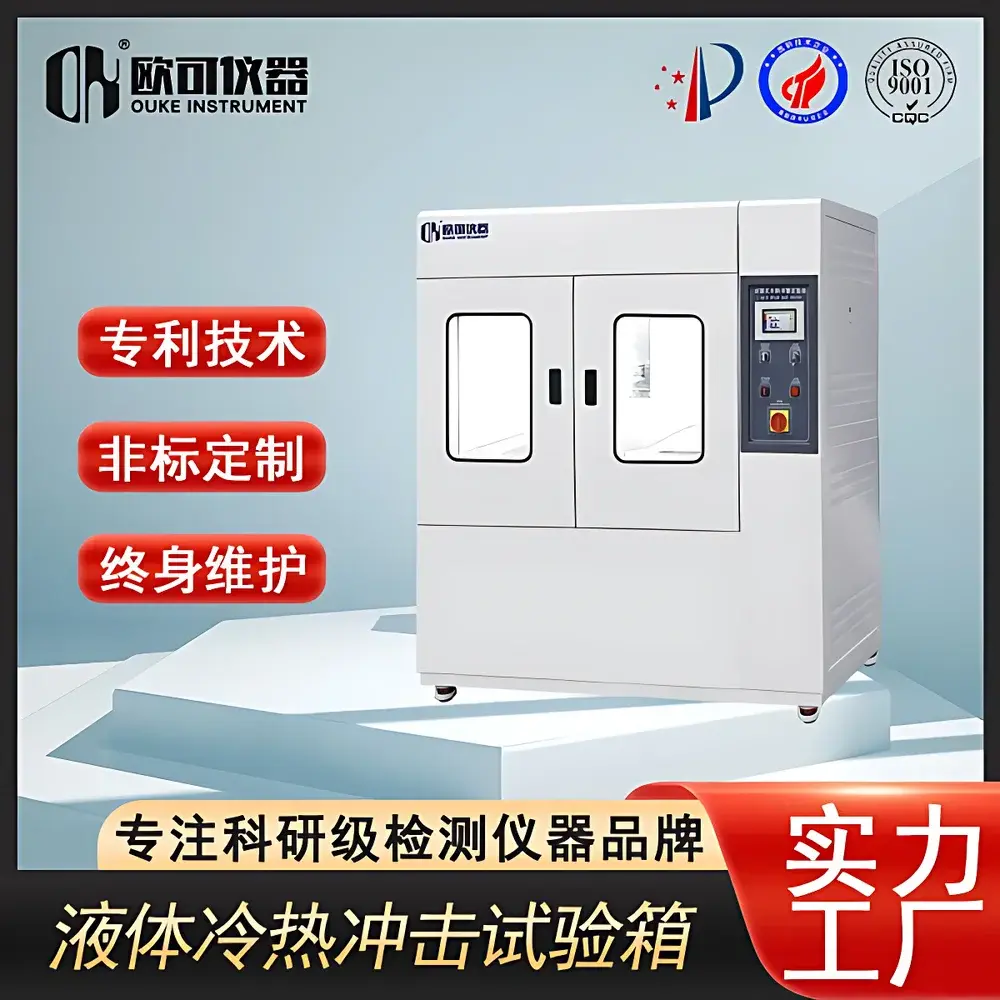
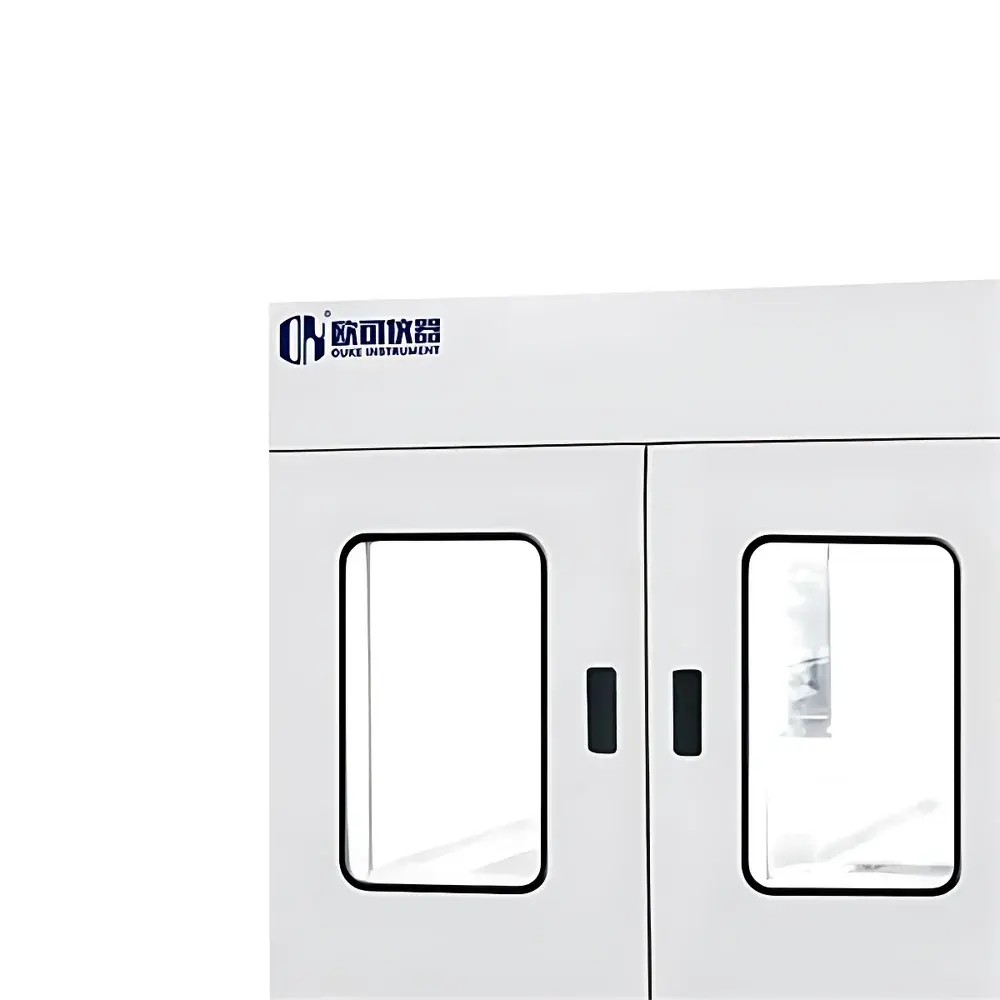
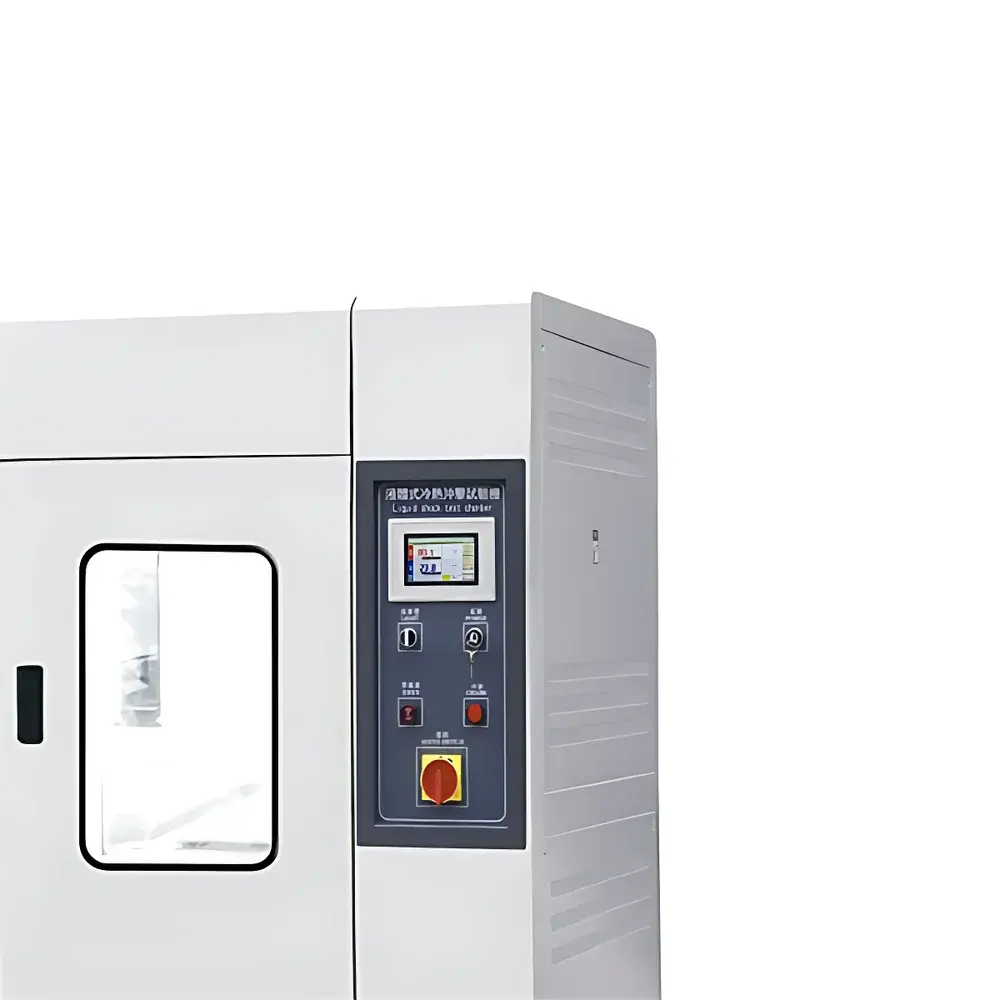
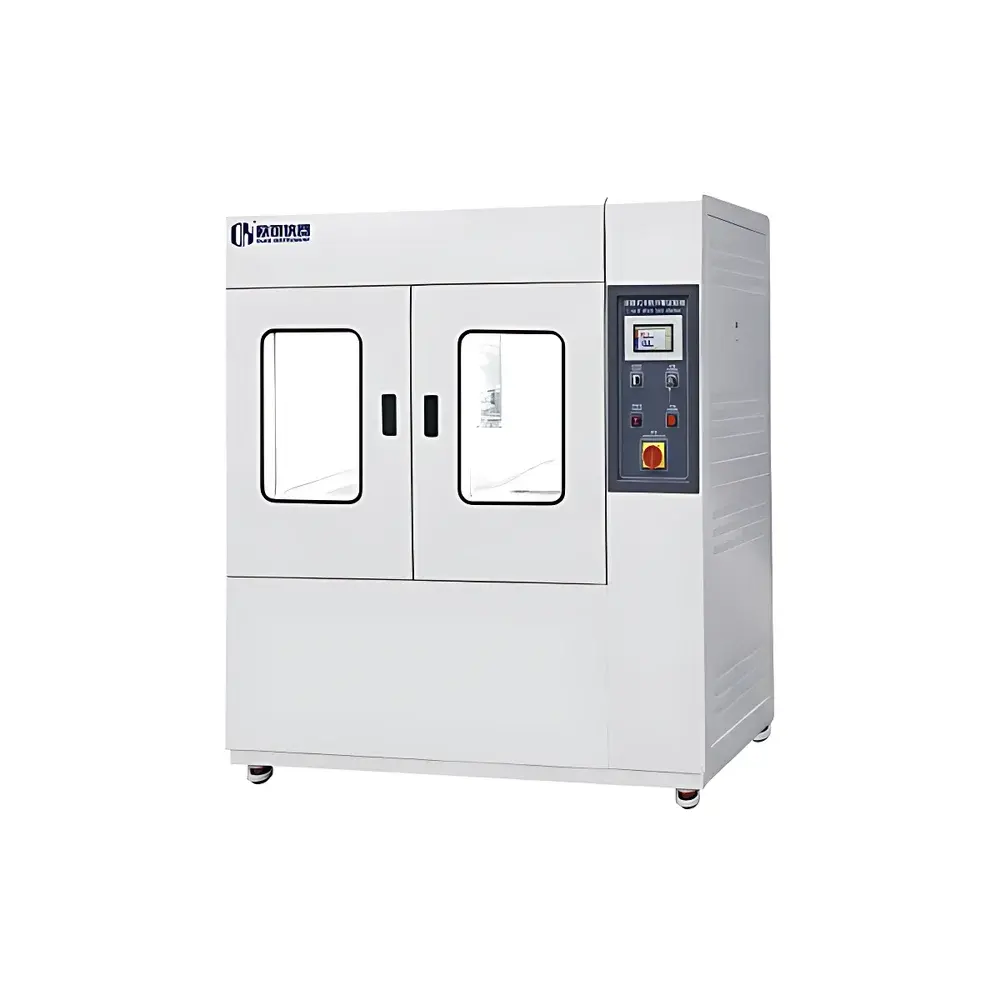
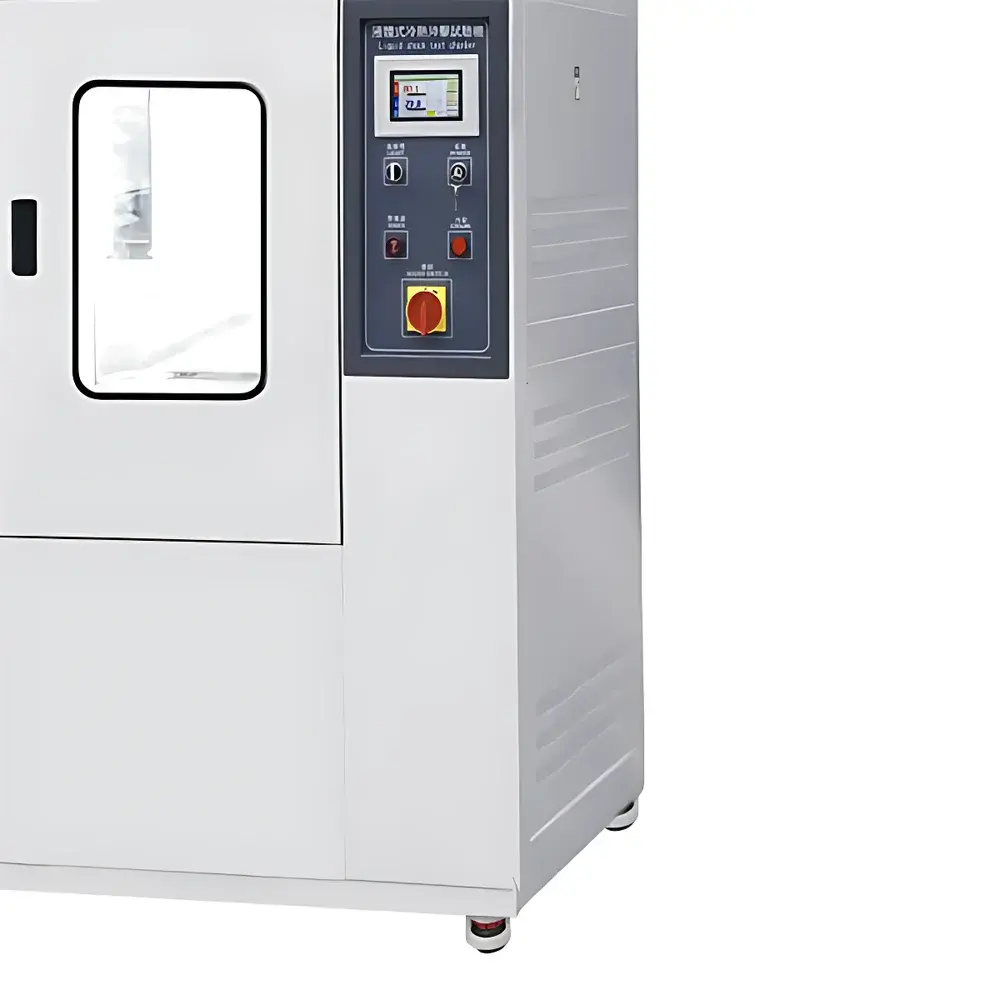
OK-YT-03 Liquid-Mediated Thermal Shock Test Chamber
| Brand | OK Instruments |
|---|---|
| Origin | Guangdong, China |
| Manufacturer Type | OEM/ODM Producer |
| Model | OK-YT-03 |
| High-Temperature Range | +150 °C |
| Low-Temperature Range | −50 °C |
| Thermal Shock Range | −50 °C to +150 °C |
| Temperature Stability | ±2 °C |
| Heating Rate | ≥30 °C/min (liquid immersion) |
| Cooling Rate | ≥30 °C/min (liquid immersion) |
| Basket Transfer Time | <10 s |
Overview
The OK-YT-03 Liquid-Mediated Thermal Shock Test Chamber is an engineered environmental reliability system designed for accelerated thermal stress evaluation using direct liquid immersion. Unlike gas-based (three-chamber) thermal shock systems that rely on convective air transfer, the OK-YT-03 employs dual independent fluid baths—typically high-viscosity silicone oil for the hot zone and anhydrous ethanol or low-freezing-point synthetic coolant for the cold zone—to achieve rapid, reproducible thermal transitions. Its operational principle is rooted in conductive heat transfer: when a test specimen is immersed in a thermally stabilized liquid medium, thermal equilibrium is attained orders of magnitude faster than in gaseous environments due to the significantly higher thermal conductivity and volumetric heat capacity of liquids. This enables controlled, high-magnitude thermal cycling with transition rates exceeding 30 °C/min—critical for inducing interfacial stresses at material boundaries, solder joints, die attach layers, and composite interfaces.
Key Features
- Dual-bath architecture with independently controlled high-temperature (+150 °C max) and low-temperature (−50 °C min) liquid reservoirs
- Motorized or pneumatic basket transfer mechanism with ≤10-second inter-bath transit time
- Thermal stability maintained within ±2 °C across both baths during dwell periods
- High-efficiency immersion heating and cascade refrigeration circuits optimized for rapid fluid temperature recovery
- Integrated safety interlocks including liquid-level monitoring, over-temperature cutoff, emergency basket lift, and vapor detection (for ethanol-based operation)
- Stainless-steel fluid tanks with corrosion-resistant coatings and optional filtration recirculation loops
- Compliance-ready design supporting audit trails, parameter logging, and user-access control per GLP/GMP requirements
Sample Compatibility & Compliance
The OK-YT-03 is intended for specimens capable of withstanding direct contact with non-aqueous thermal media—or those encapsulated in inert, hermetically sealed housings. Typical applications include PCB assemblies, BGA packages, MEMS sensors, aerospace avionics modules, automotive ECUs, and battery management systems (subject to cell-level containment validation). It conforms to the thermal shock test protocols specified in IEC 60068-2-14 (Test N), MIL-STD-810H Method 503.7 and 510.7, GJB 150.5A, JESD22-A104D (Temperature Cycling), and EIA-364-32. While not intrinsically compliant with UL or ATEX standards, the chamber may be integrated into certified test laboratories operating under ISO/IEC 17025-accredited quality management systems. Users must verify material compatibility with silicone oil (e.g., elastomer swelling) and ethanol (e.g., plasticizer extraction) prior to qualification testing.
Software & Data Management
The chamber is equipped with an embedded industrial controller running OK’s proprietary TSCore™ firmware, supporting real-time monitoring of bath temperatures, basket position, cycle count, dwell duration, and thermal ramp profiles. All operational parameters—including setpoints, ramp rates, dwell times, and fault logs—are timestamped and exportable in CSV or XML format. Optional PC-based software provides graphical cycle visualization, statistical process control (SPC) charting, and automated report generation aligned with FDA 21 CFR Part 11 requirements (electronic signatures, audit trail, data integrity controls). Remote access via secure HTTPS interface enables centralized fleet management across multi-site validation labs.
Applications
- Failure mode analysis of solder joint fatigue and intermetallic growth in high-reliability electronics
- Qualification testing of satellite payload components subjected to orbital thermal cycling
- Accelerated life testing of electric vehicle battery modules under simulated charge/discharge thermal transients
- Evaluation of adhesive bond integrity in multi-material aerospace structures (e.g., carbon fiber–aluminum hybrids)
- Screening of optoelectronic packaging (e.g., VCSEL arrays, photodiode housings) for hermetic seal degradation
- Material science research on thermal ratcheting behavior in shape-memory alloys and polymer nanocomposites
FAQ
What types of thermal fluids are compatible with the OK-YT-03?
Silicone oil (viscosity grade 100–350 cSt) is standard for the hot bath; anhydrous ethanol, propylene glycol–water mixtures, or custom low-temperature synthetic coolants may be used in the cold bath—subject to flash point, viscosity, and chemical compatibility verification.
Can the chamber accommodate samples with active power input during testing?
Yes—optional feedthrough ports (IP65-rated) support external power, signal, and thermocouple connections; however, electrical isolation and dielectric strength of the fluid medium must be validated for each application.
Is maintenance of liquid media included in routine service?
Fluid filtration, moisture content testing (Karl Fischer titration), and periodic replacement are required per usage intensity; OK Instruments provides scheduled maintenance kits and fluid analysis services.
How does the OK-YT-03 differ from three-chamber air-based thermal shock systems?
It achieves significantly higher thermal transition rates (>30 °C/min vs. 10–25 °C/min), shorter dwell stabilization times (<30 s vs. 2–5 min), and superior thermal uniformity—but imposes stricter sample compatibility and fluid handling requirements.
Does the system support programmable dwell asymmetry (e.g., longer hot dwell than cold)?
Yes—cycle profiles allow independent definition of hot-dwell duration, cold-dwell duration, ramp rate limits, and total cycle count, with up to 999-step sequence programming capability.
Related Products



