
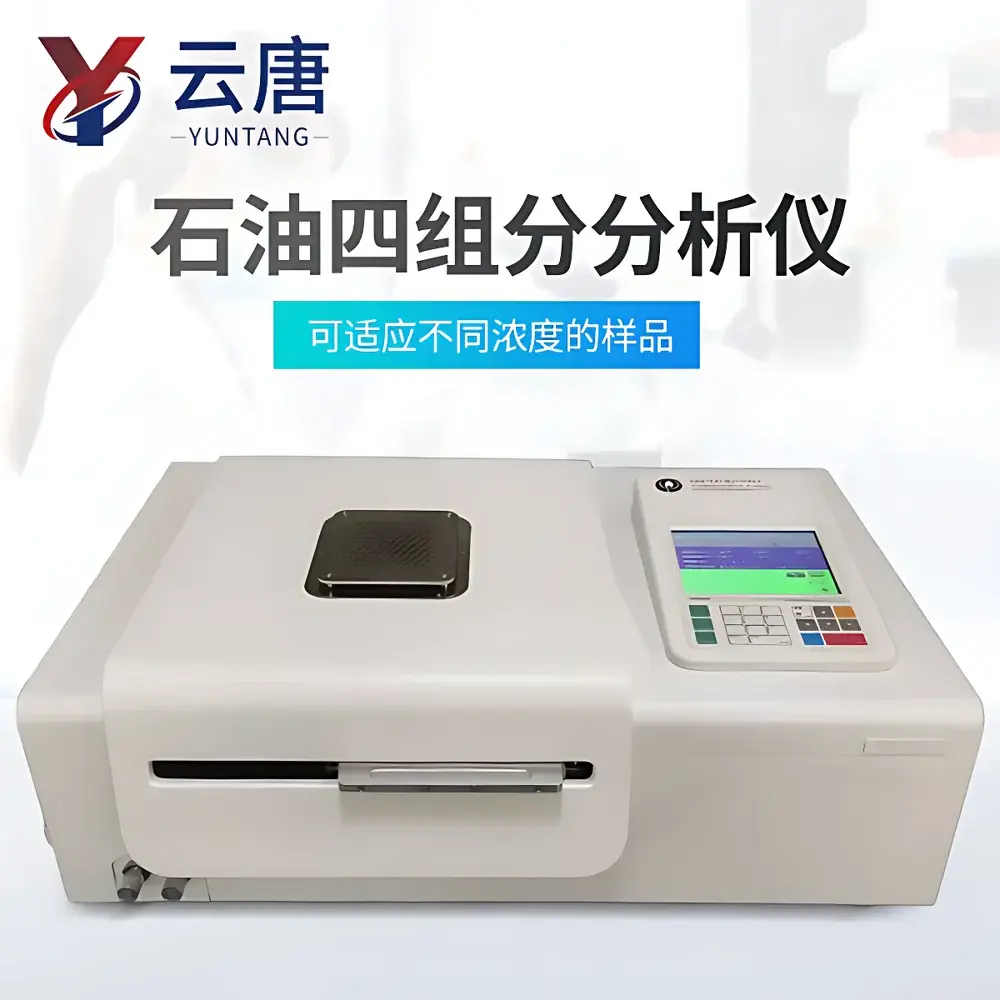
Yuntang YT-GCB12 SARA Analyzer with Rod Thin-Layer Chromatography and Flame Ionization Detection
| Brand | Yuntang |
|---|---|
| Origin | Shandong, China |
| Manufacturer Type | Direct Manufacturer |
| Country of Origin | China |
| Model | YT-GCB12 |
| Price | USD 38,500 (FOB Qingdao) |
| Detection Principle | Rod TLC-FID (Thin-Layer Chromatography coupled with Flame Ionization Detection) |
| Standards Compliance | SY/T 6338–1997, SH/T 0753–2005, SY/T 5119–2016, SN/T 3118–2012, Q/SH3210 0065–2012, NB/SH/T 0509–2010 |
| FID Stability Time | <60 s |
| Detection Limit | <1 × 10⁻¹¹ g/s |
| Linear Dynamic Range | 10⁷ |
| Linearity | ±0.1% |
| Signal Output Range | 0–1000 mV (4 gain settings: 10⁻⁸ to 10⁻¹¹ V·s) |
| Scan Speed | 50–520 mm/min (user-defined) |
| fixed modes | 30 s/rod, 40 s/rod |
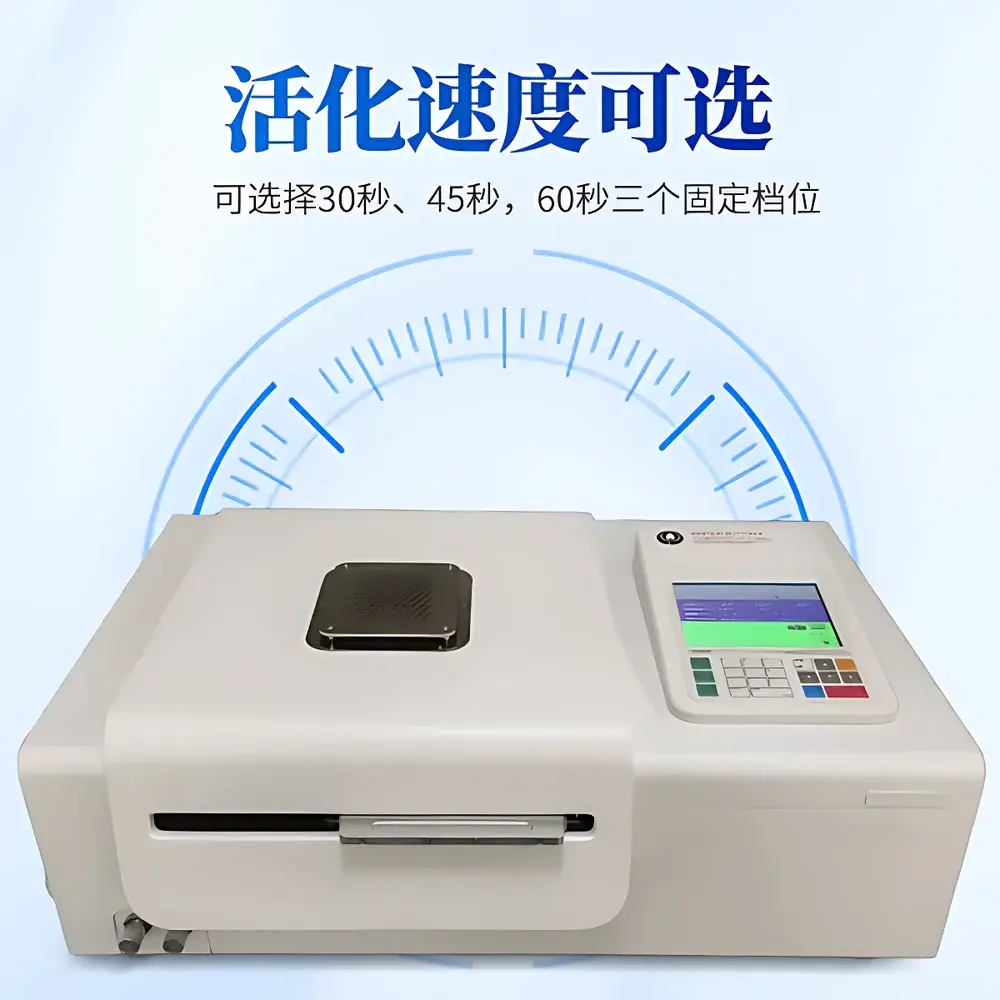
| Activation Time Options | 30 s / 45 s / 60 s |
| Sample Loading Capacity | 0.1–40 µg per rod |
| Rod Specifications | Two interchangeable formats — Ø0.9 mm × 153 mm (coating length 130 mm) and Ø1.0 mm × 163 mm (coating length 140 mm) |
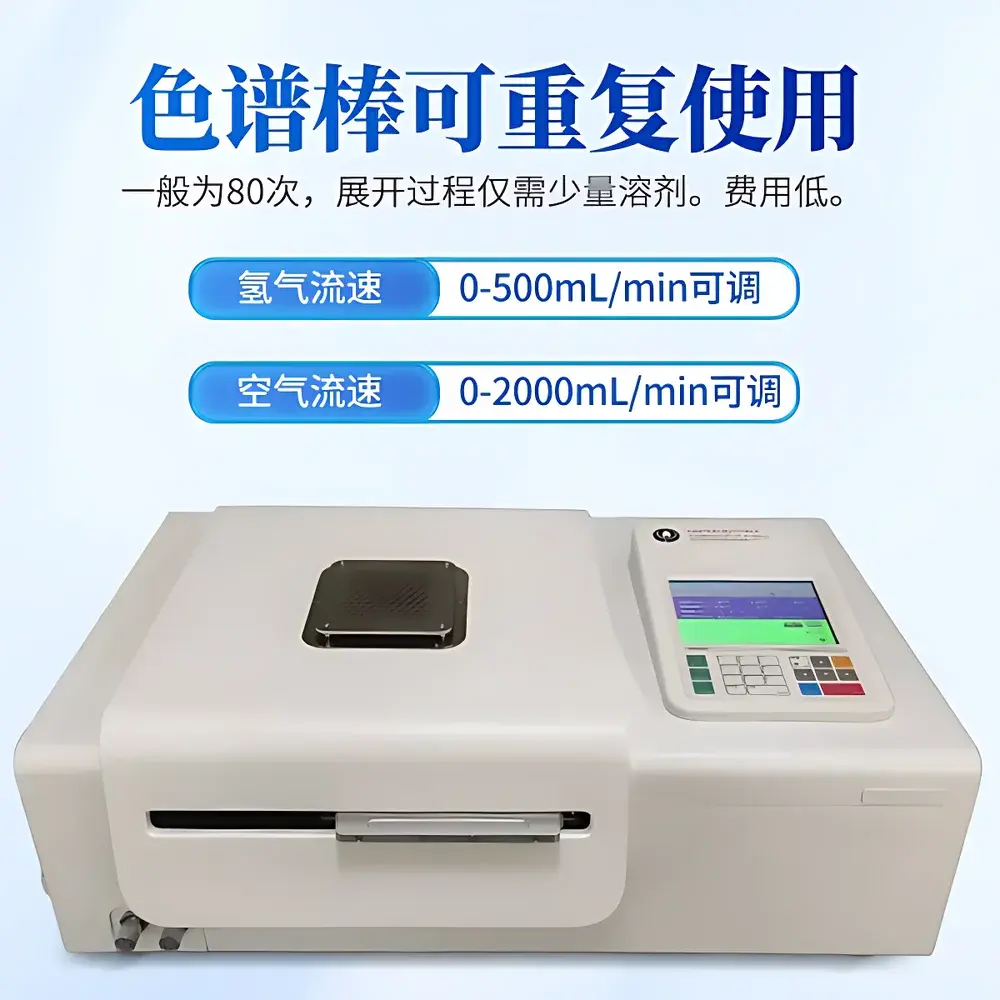
| reusability | 80–100 cycles |
| Max. Rod Load | 1–10 rods per run |
| Humidity Control | 30–60% RH (auto-regulated year-round) |
| Temperature Control (Development Chamber) | 10–40 °C (active cooling/heating) |
| Data Acquisition Rate | 10 / 25 / 50 Hz |
| I/O Interface | Dedicated robotic arm I/O port for integration into automated lab environments |
| Communication | RS-232 & USB |
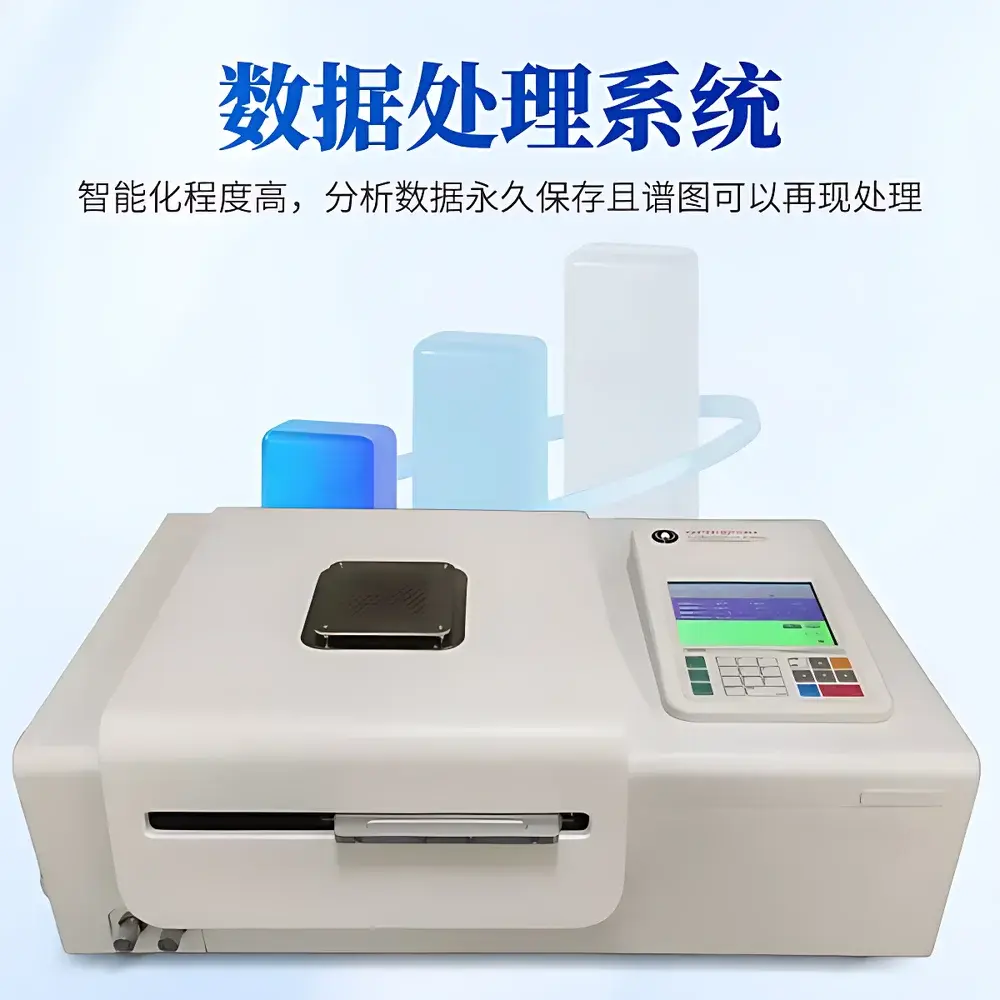
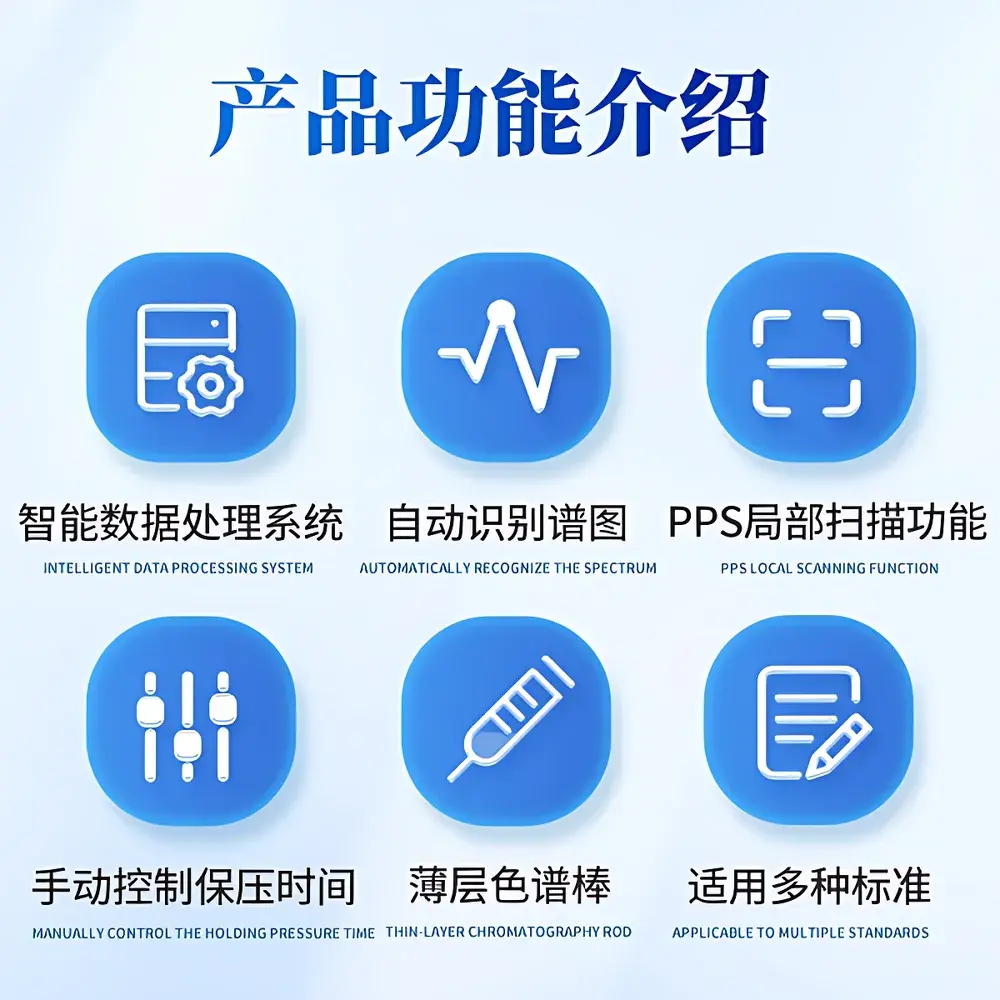
| Software Features | Automatic peak recognition (tailing, front/back shoulders, serrated, solvent), baseline tracking, adaptive peak width/slope adjustment, manual integration, post-run reprocessing, multi-method quantitation (area normalization, corrected normalization, internal/external standard, group-based, exponential), Excel/Word report export |
| Accessories | Integrated air generator (0–2 L/min, 0–0.4 MPa), H₂ generator (0–310 mL/min, 0.02–0.4 MPa), motorized development station with UV lamp (365 nm), 8-inch color touchscreen |
Overview
The Yuntang YT-GCB12 SARA Analyzer is a fully integrated, benchtop rod thin-layer chromatography–flame ionization detection (TLC-FID) system engineered for precise, reproducible quantification of saturated hydrocarbons, aromatics, resins, and asphaltenes (SARA) in petroleum-derived samples—including crude oils, bitumens, vacuum residues, lubricant base stocks, and heavy fuel oils. Unlike conventional column-based GC or HPLC methods, the YT-GCB12 leverages the unique separation efficiency of planar adsorption chromatography on reusable silica or alumina-coated rods, followed by direct, non-destructive flame ionization detection. This approach eliminates derivatization, avoids column degradation, and delivers robust resolution of complex, high-molecular-weight, non-volatile fractions that are inaccessible to gas-phase techniques. The system operates under strictly controlled environmental conditions—temperature-regulated (10–40 °C) and humidity-stabilized (30–60% RH)—ensuring inter-laboratory repeatability and compliance with ASTM-aligned petroleum testing protocols.
Key Features
- Fully automated mechanical handling: Robotic arm performs solvent development, rod transfer, FID scanning, and post-analysis rod regeneration—reducing manual steps from 9–12 to just 2–3 per batch.
- Dual-format rod compatibility: Supports both Ø0.9 mm × 153 mm and Ø1.0 mm × 163 mm rods with 130 mm or 140 mm active coating lengths, enabling method flexibility across SY/T, SH/T, and SN/T standards.
- High-sensitivity FID detector: Sub-pg/s detection limit (<1 × 10⁻¹¹ g/s), 10⁷ linear dynamic range, and ±0.1% linearity ensure accurate quantitation across trace resins and bulk saturates within a single run.
- Intelligent signal acquisition: Adjustable scan speed (50–520 mm/min), 4-gain signal amplification (10⁻⁸ to 10⁻¹¹ V·s), and real-time baseline correction minimize drift-induced integration errors.
- Integrated environmental control: Active heating/cooling and closed-loop humidity regulation maintain ISO 17025-relevant stability during development—critical for reproducible Rf values and peak resolution.
- Automated development station: Includes UV lamp (365 nm), touch-enabled interface, auto-fill/auto-drain solvent reservoirs with corrosion-resistant level sensors, and programmable dwell times per solvent system.
Sample Compatibility & Compliance
The YT-GCB12 is validated for analysis of viscous, thermally labile, and non-volatile petroleum matrices without pre-fractionation or solvent exchange. It accommodates undiluted bitumen, oxidized asphalt, spent catalyst extracts, and whole-crude samples diluted in toluene or chloroform. All operational parameters align with internationally recognized petroleum testing standards, including SY/T 6338–1997 (rock extract and crude oil SARA), SH/T 0753–2005 (lubricant base oil chemical families), SY/T 5119–2016 (geochemical organic matter profiling), SN/T 3118–2012 (fuel oil asphaltene content), and NB/SH/T 0509–2010 (asphalt four-component determination). The system’s hardware architecture and software audit trail support GLP-compliant data integrity requirements, with timestamped raw signal files, user-access logs, and full parameter traceability—facilitating FDA 21 CFR Part 11 readiness when deployed with validated electronic signatures.
Software & Data Management
The proprietary ChromaView™ acquisition and analysis suite provides comprehensive chromatographic data lifecycle management. It features automatic peak classification (tailing, shoulder, solvent front), adaptive baseline reconstruction, and intelligent peak boundary assignment based on second-derivative inflection points. Users may apply area normalization, internal standard correction, or group-based quantitation—each method fully documented in the exported report. All raw scans, processed integrations, and metadata are stored in vendor-neutral .csv and .tdms formats. Historical runs are indexed by sample ID, operator, date/time, and instrument configuration, enabling retrospective reprocessing with updated calibration curves or integration algorithms. Export modules generate directly editable reports in Microsoft Excel and Word, compliant with laboratory information management system (LIMS) ingestion protocols.
Applications
- Refinery feedstock characterization: Quantify SARA distribution in vacuum residua to predict coker yield, fouling propensity, and hydrotreating hydrogen consumption.
- Asphalt performance grading: Correlate resin/asphaltene ratios with penetration, softening point, and rheological aging behavior per EN 13108 and AASHTO M 320.
- Lubricant formulation QC: Monitor aromatic depletion and saturate enrichment in Group II/III base oils following hydroprocessing.
- Geochemical screening: Assess thermal maturity and biodegradation extent in source rock extracts via aromatic-to-saturate ratios.
- Fuel oil specification compliance: Verify asphaltene limits in marine distillates and residual fuels per ISO 8217 Annex B.
- R&D method development: Screen novel solvent systems or adsorbent chemistries using the system’s programmable development kinetics and rod-swapping capability.
FAQ
What sample preparation is required prior to analysis?
Samples must be dissolved in high-purity toluene (or chloroform for polar fractions) at concentrations yielding 0.1–40 µg total analyte per rod. No filtration or centrifugation is needed unless particulates exceed 0.45 µm.
Can the system quantify individual PAHs or heteroatom-containing species?
No—the YT-GCB12 resolves compound classes (SARA), not individual molecules. For speciated PAH or NSO-compound analysis, GC×GC-TOFMS or LC-APCI-HRMS is recommended.
How is calibration performed?
Calibration uses certified reference materials traceable to NIST SRM 1634c (used crankcase oil) or in-house matrix-matched standards. Response factors are determined per component class and updated automatically during batch processing.
Is remote monitoring supported?
Yes—via Ethernet-connected PC with ChromaView™ Remote Access module, allowing real-time status viewing, queue management, and alarm notifications without local login.
What maintenance intervals are recommended for the FID and robotic subsystem?
FID jet cleaning every 200 runs; ceramic rod holder inspection every 500 cycles; robotic arm lubrication and positional calibration annually—or after 1,000 rod transfers—per the included PM checklist.





