
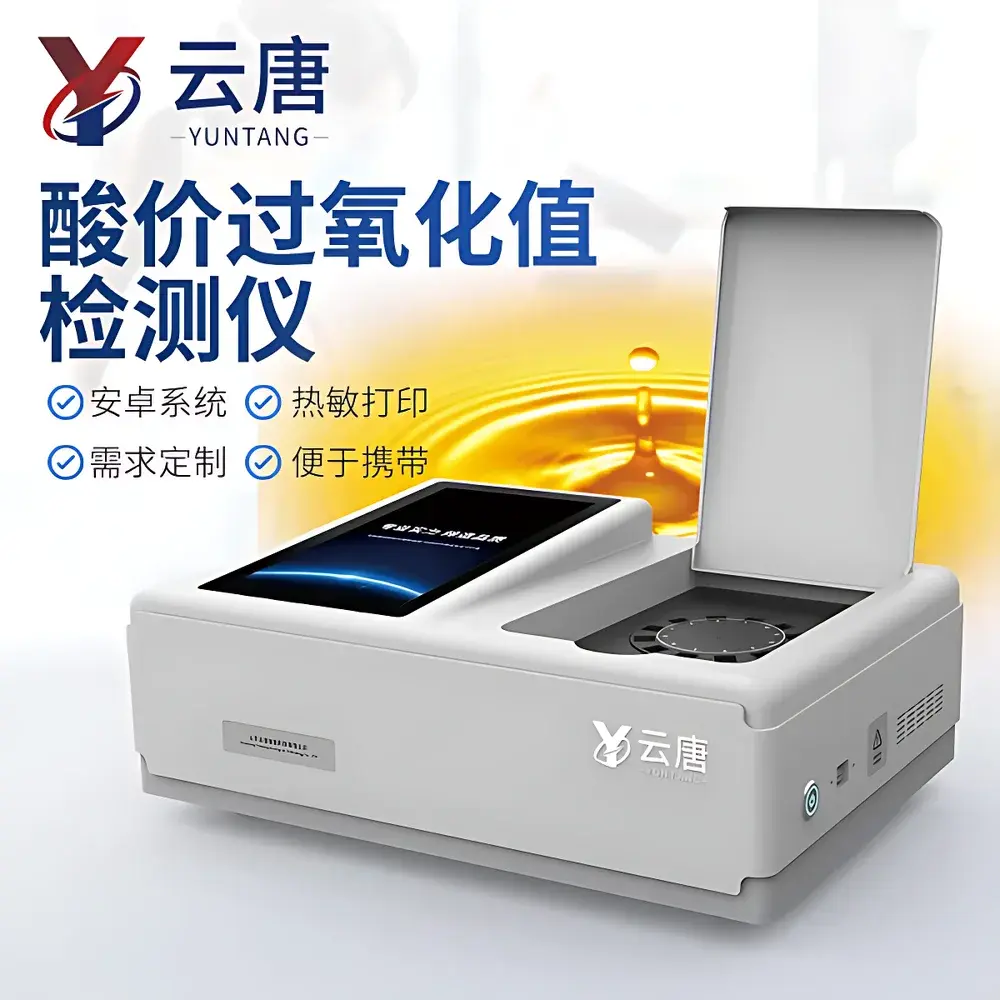
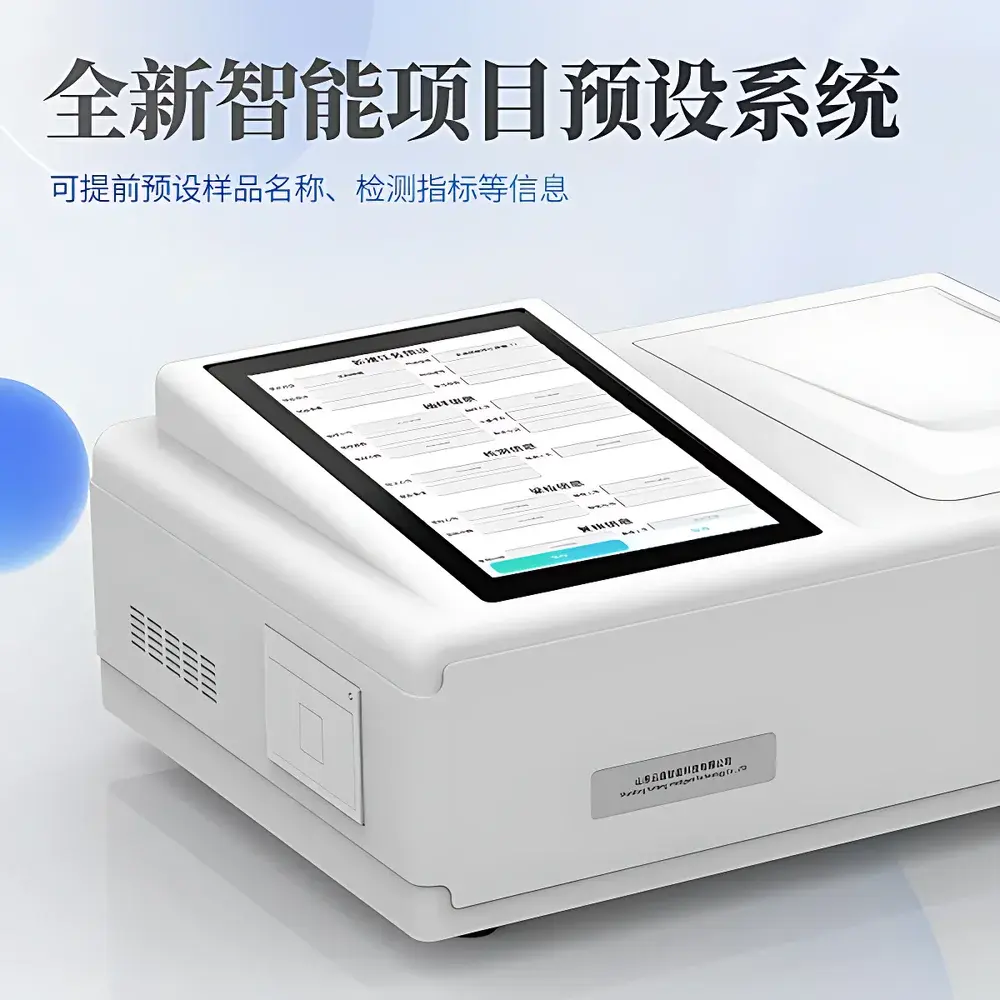
Yuntang YT-GZT Integrated Edible Oil Quality Analyzer for Acid Value and Peroxide Value Testing
| Brand | Yuntang |
|---|---|
| Origin | Shandong, China |
| Manufacturer Type | Direct Manufacturer |
| Regional Category | Domestic (China) |
| Model | YT-GZT |
| Price Range | USD 350 – 1,250 |
Overview
The Yuntang YT-GZT Integrated Edible Oil Quality Analyzer is a benchtop, multi-parameter spectrophotometric instrument engineered for rapid, on-site quantification of acid value (AV) and peroxide value (PV) in edible oils and lipid-containing food matrices. It operates on the principle of standardized colorimetric reaction kinetics—specifically, AV determination via titration-based endpoint detection using pH-sensitive chromogenic reagents, and PV measurement through iodometric oxidation followed by absorbance quantification at defined wavelengths (410 nm, 520 nm, 590 nm, and 630 nm). Designed for compliance with national and international reference methods—including GB 5009.227–2016 (China), AOAC Official Method 965.33, and ISO 3960:2017—the YT-GZT delivers reproducible results within 8–12 minutes per sample without requiring solvent extraction or laboratory-grade fume hoods. Its integrated architecture eliminates external PC dependency, enabling autonomous operation in decentralized environments such as production floors, regulatory inspection sites, school kitchens, and distribution hubs.
Key Features
- Benchtop all-in-one design integrating spectrophotometric detection, digital data management, and wireless communication modules into a single rugged chassis.
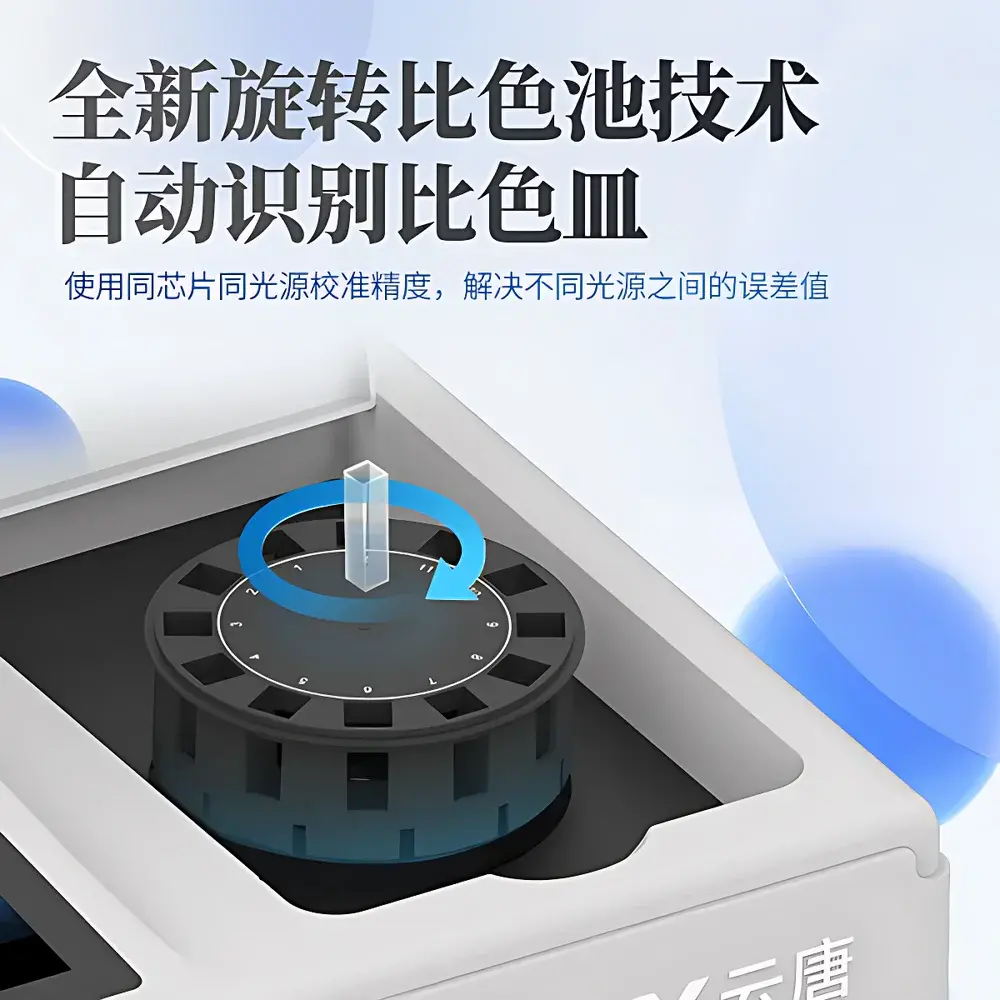
- 12-channel precision rotating cuvette carousel with synchronized optical calibration across all channels (inter-channel variability ≤ 0.1%, Patent ZL202022821055.2).
- Quad-wavelength cold LED light source per channel (410/520/590/630 nm), enhanced by patented optical path switching technology supporting up to 64 discrete wavelengths for method flexibility.
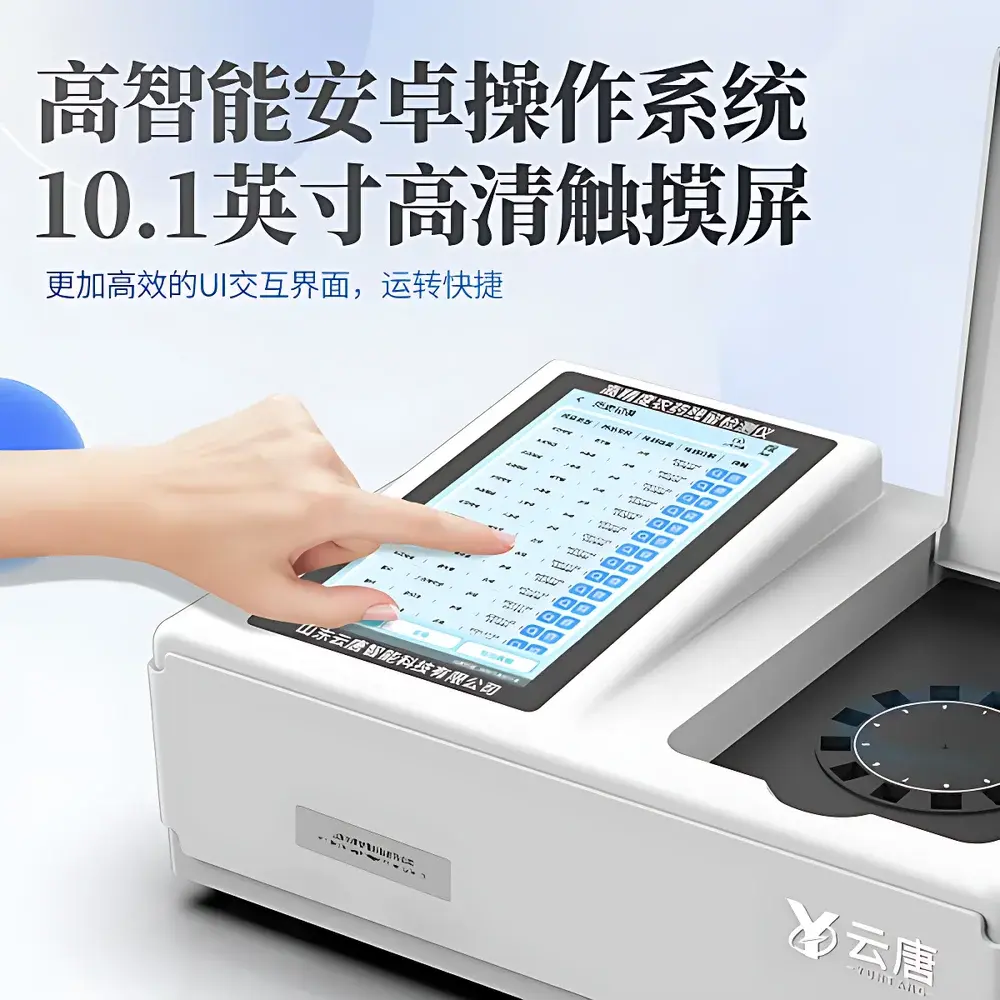
- 10.1-inch vertical capacitive touchscreen running Android OS (ARM Cortex-A7, RK3288 quad-core @ 1.88 GHz), enabling intuitive workflow navigation and real-time parameter configuration.
- On-device calibration routine with automatic storage of spectral reference data in Android SP memory—ensuring long-term photometric stability and traceability.
- Dual power options: AC mains input or DC 12 V operation compatible with vehicle power systems and optional 6 Ah rechargeable Li-ion battery (battery level displayed in real time).
- Remote firmware and assay protocol updates via OTA (over-the-air), eliminating need for physical return or service visits.
Sample Compatibility & Compliance
The YT-GZT supports direct analysis of refined and unrefined edible oils—including soybean, peanut, sunflower, rice bran, and lard—as well as processed meat products, fried snacks, and prepackaged foods where lipid oxidation or hydrolytic rancidity is a critical quality indicator. Sample preparation requires only minimal homogenization and dilution according to embedded SOPs. All quantitative outputs align with statutory limits defined in GB 2716–2018 (edible oil safety standards), GB 5009.227–2016 (peroxide value), and GB 5009.229–2016 (acid value). Instrument validation documentation supports GLP-compliant recordkeeping, including full audit trails for calibration events, user logins, result modifications, and report generation—meeting foundational requirements for FDA 21 CFR Part 11 readiness when deployed in regulated food manufacturing settings.
Software & Data Management
The embedded software suite provides end-to-end digital workflow control. It features a unified dashboard aggregating weekly/monthly pass-fail statistics, bar-chart visualizations of compliance trends, and drill-down access to individual test records. A relational database structure organizes over 14 metadata categories—including sample origin, batch ID, analyst credentials, regulatory standard references, calibration logs, and curve-fitting parameters—ensuring contextual integrity and forensic traceability. The built-in limit-check engine automatically cross-references measured AV/PV values against jurisdiction-specific thresholds (e.g., China’s ≤ 3.0 mg KOH/g for AV in refined oils; ≤ 0.25 meq/kg for PV in virgin olive oil) and displays unambiguous compliance status. Data export is supported in native Excel (.xlsx) format via USB drive, while encrypted Wi-Fi, 4G APN, Bluetooth, and Ethernet (RJ45) interfaces enable secure transmission to central LIMS or regional food safety surveillance platforms.
Applications
This analyzer serves as a frontline tool for quality assurance teams in edible oil refineries, contract food manufacturers, and third-party testing laboratories performing routine shelf-life monitoring and incoming raw material verification. Regulatory agencies utilize it for rapid field screening during routine inspections and outbreak investigations. Institutional users—including university dining services, hospital nutrition departments, and school meal program coordinators—leverage its portability and ease of use for daily lot acceptance testing. The expandable assay library (currently supporting 60+ food safety parameters) allows future integration of tests for carbonyl value, p-anisidine value, malondialdehyde, and heavy metals—without hardware modification.
FAQ
What standards does the YT-GZT comply with for acid value and peroxide value testing?
It adheres to GB 5009.229–2016 (acid value) and GB 5009.227–2016 (peroxide value), aligned with AOAC 965.33 and ISO 3960:2017 methodologies.
Can the instrument operate independently without a computer?
Yes—full functionality, including calibration, sample registration, result interpretation, reporting, and data export, is self-contained within the onboard Android system.
Is remote software update capability available globally?
Yes, firmware and assay protocols are delivered securely via encrypted OTA channels; no physical intervention or local IT infrastructure is required.
How is data security and user accountability maintained?
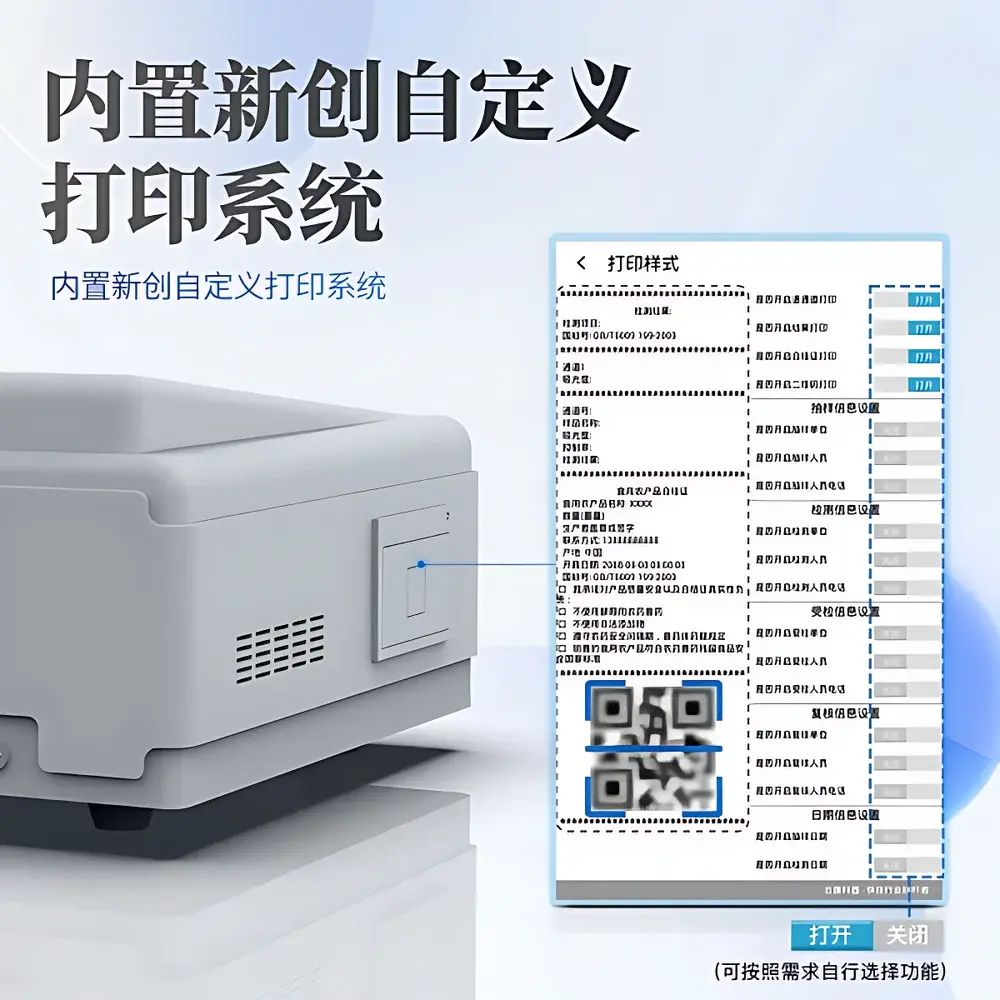
Role-based login authentication, immutable audit logs, encrypted local storage, and configurable report templates ensure compliance with basic data governance expectations for food safety documentation.
What power sources are supported for mobile deployment?
AC adapter (100–240 V), 12 V DC input (e.g., vehicle socket), and optional internal 6 Ah Li-ion battery with real-time state-of-charge display.
Related Products




