
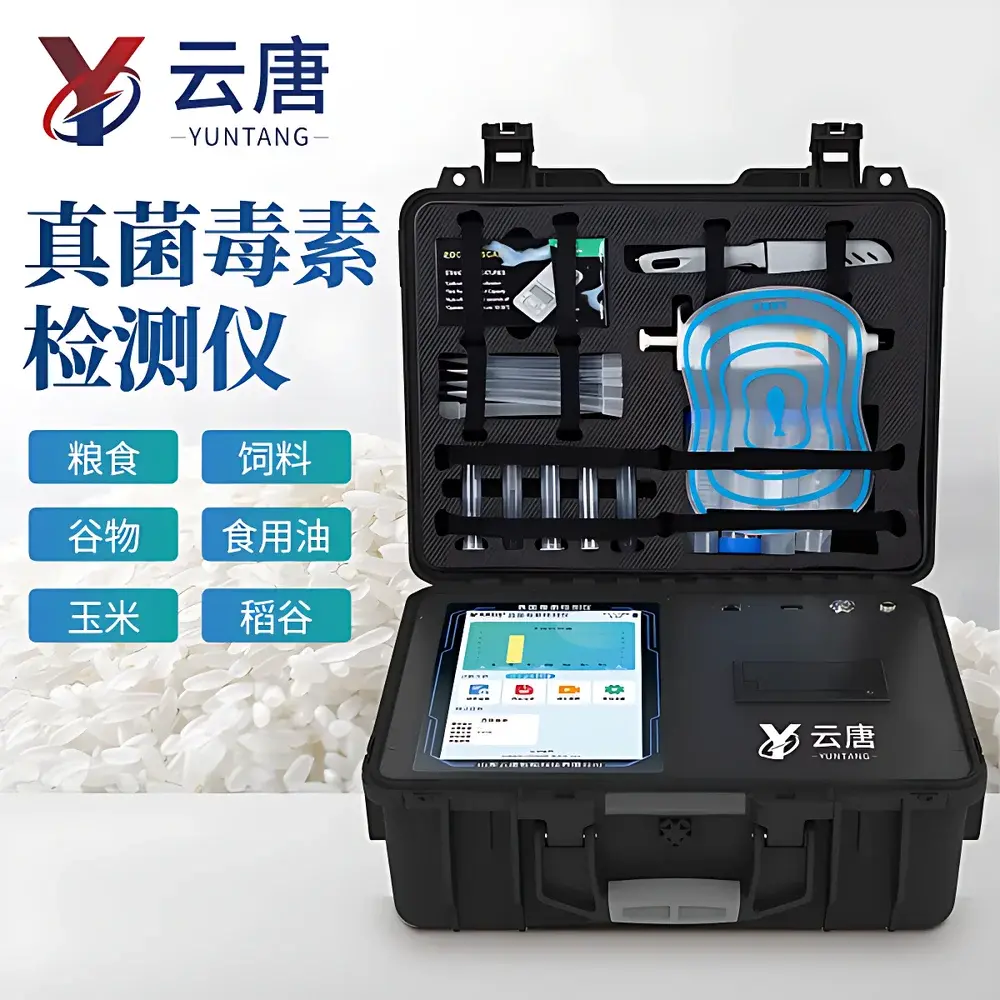
Yuntang YT-L01G Dual-Target Mycotoxin and Heavy Metal Rapid Detection System for Grains and Feed
| Brand | Yuntang |
|---|---|
| Origin | Shandong, China |
| Manufacturer Type | OEM Manufacturer |
| Country of Origin | China |
| Model | YT-L01G |
| Instrument Category | Integrated Immunoassay & Colorimetric Rapid Screening Platform |
| Detection Principle | Competitive Inhibition Immunochromatography (for mycotoxins) + Digital Colorimetric Analysis (for heavy metals) |
| Display | 10.1" Android-based touchscreen (ARM Cortex-A7, RK3288 quad-core, 1.88 GHz) |
| Power Supply | AC/DC dual-mode |
| Dimensions | 43 × 35 × 20 cm |
| Net Weight | 5.1 kg |
| Data Storage | >200,000 records with Excel export, user-access control, audit-trail-capable login system |
| Connectivity | Wi-Fi, RJ45 Ethernet, USB 2.0, optional A4 thermal printer interface |
| Regulatory Alignment | Designed to support GLP-compliant workflows |
Overview
The Yuntang YT-L01G Dual-Target Mycotoxin and Heavy Metal Rapid Detection System is an integrated, field-deployable analytical platform engineered for simultaneous qualitative and semi-quantitative screening of regulated mycotoxins and priority heavy metals in grain, feed, and processed food matrices. It operates on two complementary detection principles: competitive inhibition immunochromatography for mycotoxin analysis (including aflatoxin B1, M1, total aflatoxins, zearalenone, deoxynivalenol, T-2 toxin, ochratoxin A, and fumonisins), and digital colorimetric quantification—based on standardized chromogenic reagent reactions—for cadmium, lead, arsenic, and mercury. Unlike laboratory-based HPLC-MS or ICP-MS systems, the YT-L01G delivers actionable results within 10–15 minutes per sample, making it suitable for high-throughput pre-screening at intake points, storage facilities, feed mills, and regulatory checkpoints. Its architecture adheres to the functional design principles outlined in AOAC Official Method 2019.01 (for rapid immunoassay validation) and aligns with the performance criteria defined in EU Commission Regulation (EC) No 401/2006 for mycotoxin sampling and analysis.
Key Features
- 10.1-inch capacitive touchscreen running a hardened Android OS (v8.1+), powered by an RK3288 quad-core ARM Cortex-A7 processor (1.88 GHz), enabling responsive multi-tasking across assay modules.
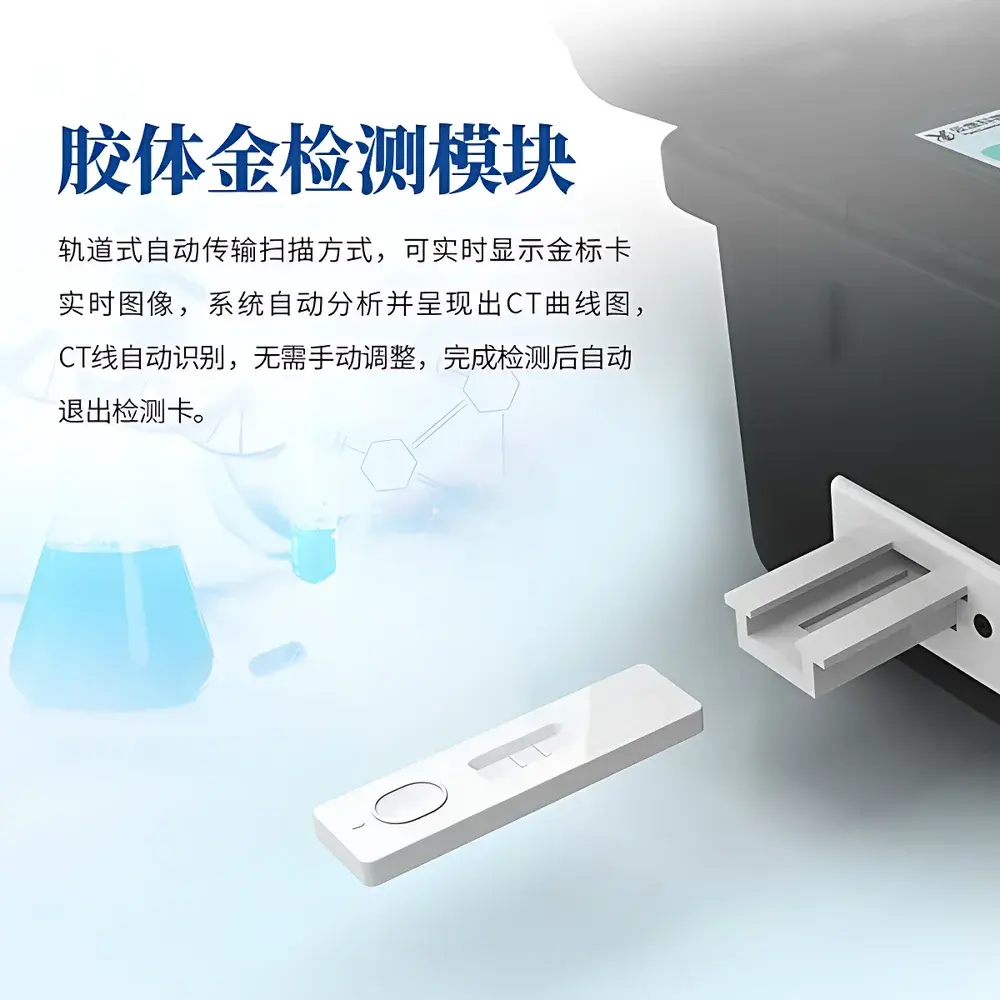
- Dual-modality detection engine: automated track-driven colloidal gold strip scanning with real-time CT-line imaging and algorithmic peak identification; plus RGB-sensor-based colorimetric reflectance measurement calibrated against NIST-traceable reference standards.
- Modular hardware design supports interchangeable assay cartridges and open-format lateral flow strips—fully compatible with third-party CE-marked and AOAC-PT validated immunochromatographic test kits.
- Onboard data aggregation dashboard visualizes weekly/monthly testing statistics—including pass/fail rates, contamination frequency distribution, and trend charts—with auto-generated bar graphs directly rendered on-device.
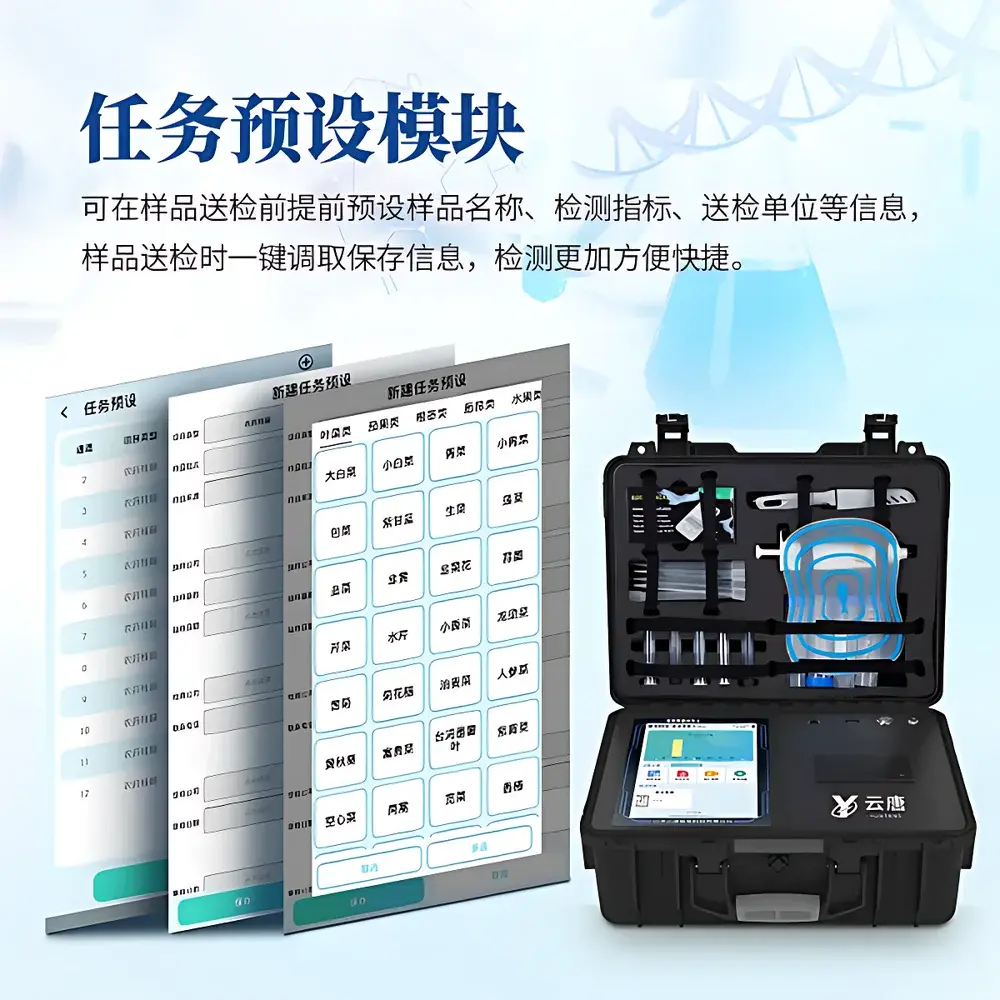
- Pre-configurable test templates allow batch assignment of sample IDs, analyte targets, lot numbers, and submitting entities prior to physical sample arrival—reducing transcription errors and accelerating throughput.
- Embedded secure database stores >200,000 test records with timestamped metadata, operator ID, GPS-tagged location (when enabled), and full audit trail; supports encrypted USB export in .xlsx format.
- Firmware update capability via OTA (over-the-air) or local network push—enabling remote, instrument-specific version deployment without hardware return or service interruption.
Sample Compatibility & Compliance
The YT-L01G accepts homogenized extracts from raw and processed commodities including maize, wheat, rice, barley, soybean meal, bran, rice polishings, animal feed formulations, edible oils, and spice blends. Sample preparation follows harmonized extraction protocols referenced in ISO 12407:2022 (mycotoxins) and ISO 20539:2021 (heavy metals in cereals). While not intended as a definitive confirmatory method, the system meets the screening sensitivity thresholds mandated by Codex Alimentarius STAN 193–1995 (aflatoxin limits), EC Regulation 1881/2006 (zearalenone and DON), and China GB 2761–2023. All software logging functions comply with ALCOA+ principles (Attributable, Legible, Contemporaneous, Original, Accurate, Complete, Consistent, Enduring, Available), supporting inspection readiness for GMP, HACCP, and national food safety authority audits.
Software & Data Management
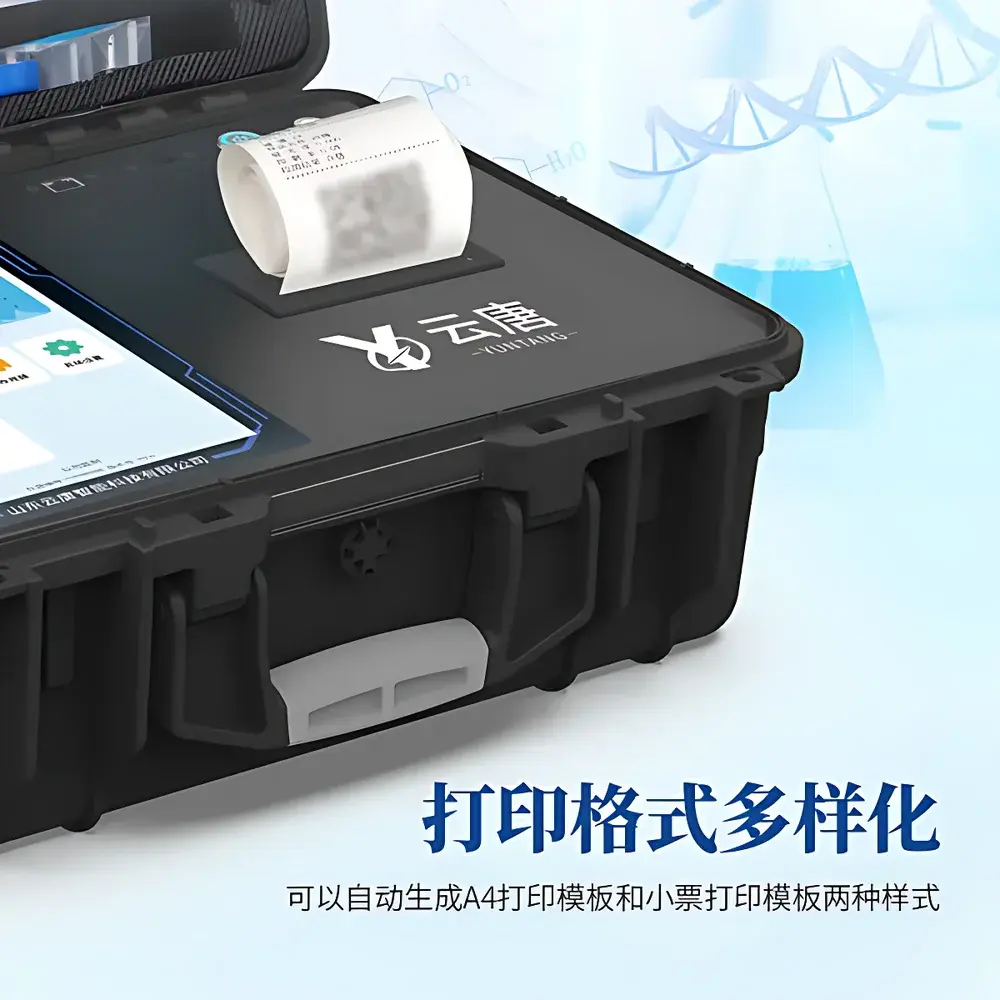
The embedded application provides role-based access control (administrator, analyst, reviewer), configurable report templates (including QR-coded certificates aligned with GB/T 27404–2019), and dual-output printing options: compact thermal receipts or full A4 PDF reports via Wi-Fi/Ethernet-connected printers. Data synchronization supports both local intranet deployment and cloud-based regulatory platforms—enabling real-time aggregation into provincial or national food safety early-warning systems. Exported datasets include structured JSON and CSV payloads compatible with common LIMS environments (e.g., LabWare, Thermo Fisher SampleManager) and are designed to meet metadata schema requirements for FAO’s Global Food Safety Portal ingestion.
Applications
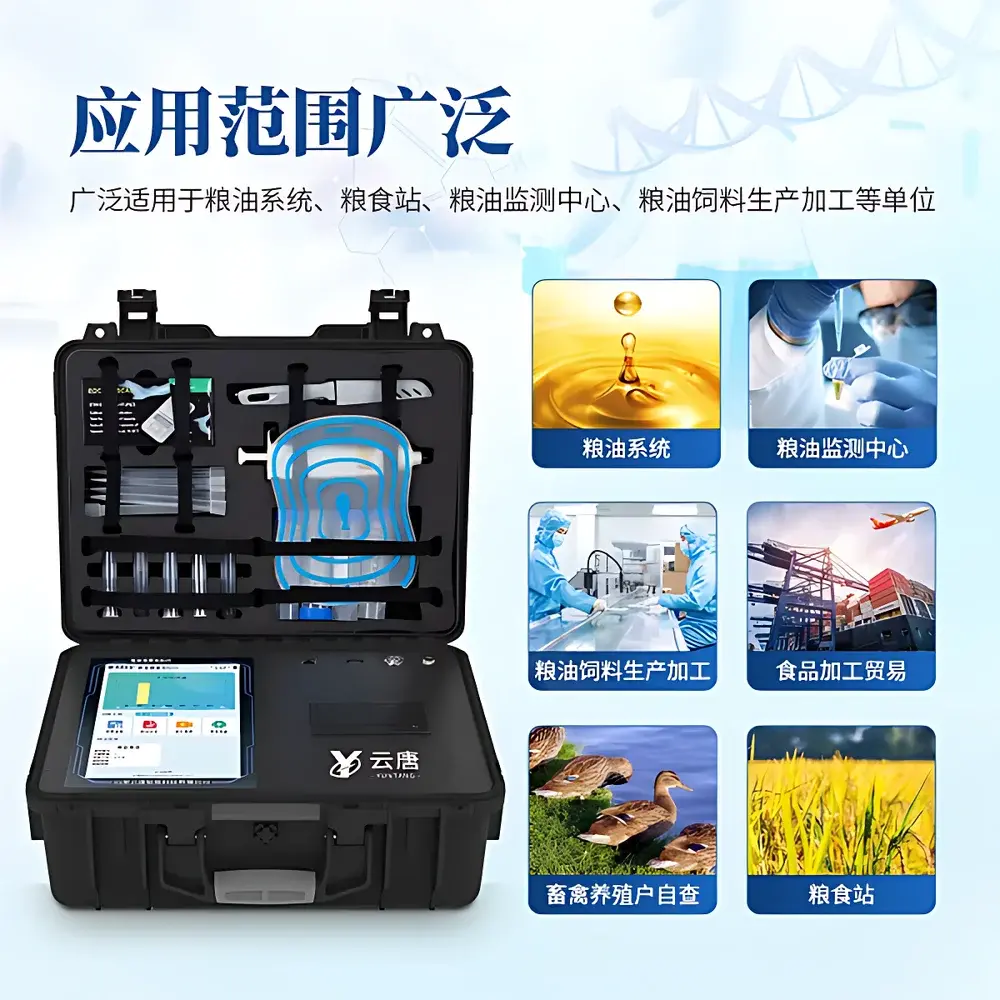
This system serves as a frontline triage tool across multiple operational tiers: incoming raw material verification at grain elevators and feed compounders; routine surveillance in regional grain quality monitoring centers; on-farm self-assessment by livestock producers managing silage and concentrate rations; and rapid response screening during market surveillance campaigns conducted by municipal food and drug administration bureaus. Its portability and battery endurance make it especially valuable for mobile inspection units operating in rural logistics hubs or border inspection posts where fixed laboratory infrastructure is unavailable.
FAQ
Does the YT-L01G provide quantitative results traceable to SI units?
It delivers semi-quantitative concentration estimates calibrated against certified reference materials (CRMs); absolute quantification requires confirmatory analysis by accredited reference laboratories using LC-MS/MS or ICP-MS.
Can the system be validated under ISO/IEC 17025 for use in accredited testing facilities?
Yes—the instrument’s measurement uncertainty profile, linearity range, and repeatability data can be documented per ISO/IEC 17025:2017 Clause 7.7; however, formal accreditation applies to the testing process, not the device itself.
Is remote data transmission compliant with GDPR or China’s PIPL?
Data encryption (AES-256 at rest and TLS 1.3 in transit), anonymization options, and configurable data residency settings enable alignment with both frameworks when deployed behind organizational firewalls or private cloud instances.
What maintenance is required to sustain assay accuracy over time?
Annual optical calibration using manufacturer-provided verification strips and color standards is recommended; no consumable recalibration kits are needed for routine operation.
How does the system handle matrix interference from highly pigmented or fatty samples?
Integrated sample dilution algorithms and adaptive threshold adjustment—based on blank strip signal normalization—mitigate non-specific binding and background drift commonly observed in oilseed or spent grain extracts.





