
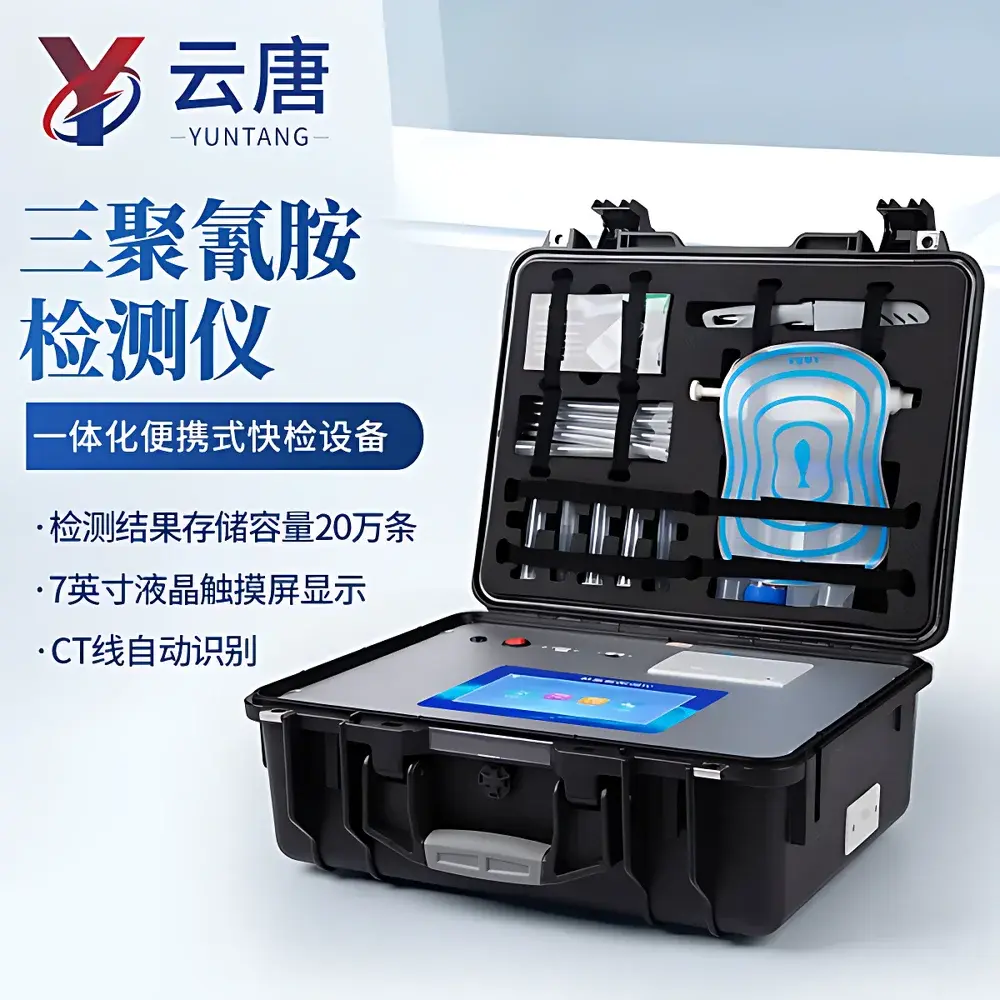

Yuntang YT-SJ12 Colloidal Gold-Based Melamine Rapid Detection Analyzer for Dairy Products
| Brand | Yuntang |
|---|---|
| Origin | Shandong, China |
| Manufacturer Type | Direct Manufacturer |
| Region of Manufacture | Domestic (PRC) |
| Model | YT-SJ12 |
| Price | USD 850 (FOB Qingdao) |
Overview
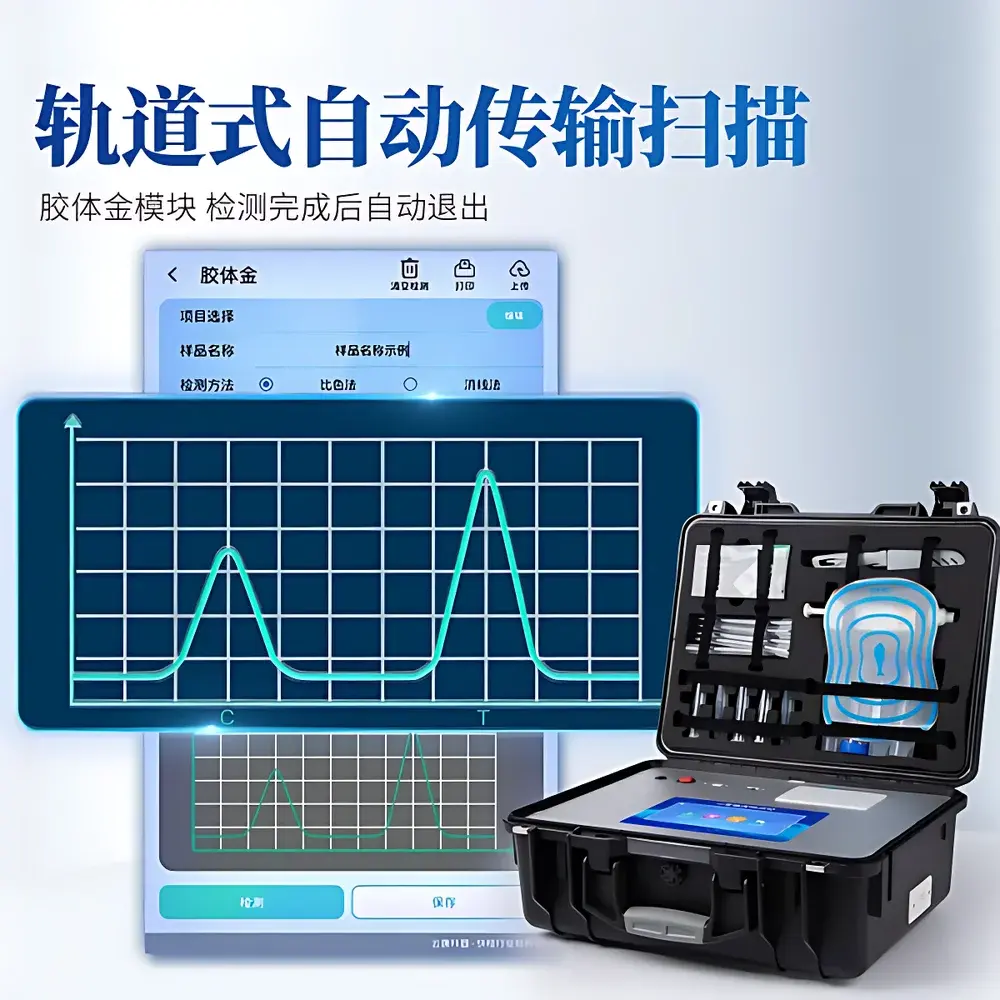
The Yuntang YT-SJ12 is a field-deployable, colloidal gold immunochromatographic assay (CGIA)–based rapid analyzer engineered for the quantitative detection of melamine in dairy matrices—including infant formula, pasteurized milk, yogurt, fermented dairy beverages, and animal feed. It operates on the principle of competitive lateral flow immunoassay, where melamine in the sample competes with immobilized melamine–protein conjugates for binding sites on anti-melamine monoclonal antibodies labeled with colloidal gold nanoparticles. The intensity of the test line (T-line) signal, captured via high-precision optical scanning and quantified using integrated CT-ratio algorithms, is inversely proportional to melamine concentration. Designed to meet the operational demands of food safety surveillance programs, the YT-SJ12 delivers reliable semi-quantitative to quantitative results within 10–15 minutes per test—without requiring laboratory infrastructure, trained analysts, or hazardous reagents.
Key Features
- ARM Cortex-A7 quad-core RK3288 processor (1.88 GHz) ensuring real-time image acquisition, CT-curve fitting, and algorithmic quantification with <1.5% CV inter-assay repeatability.
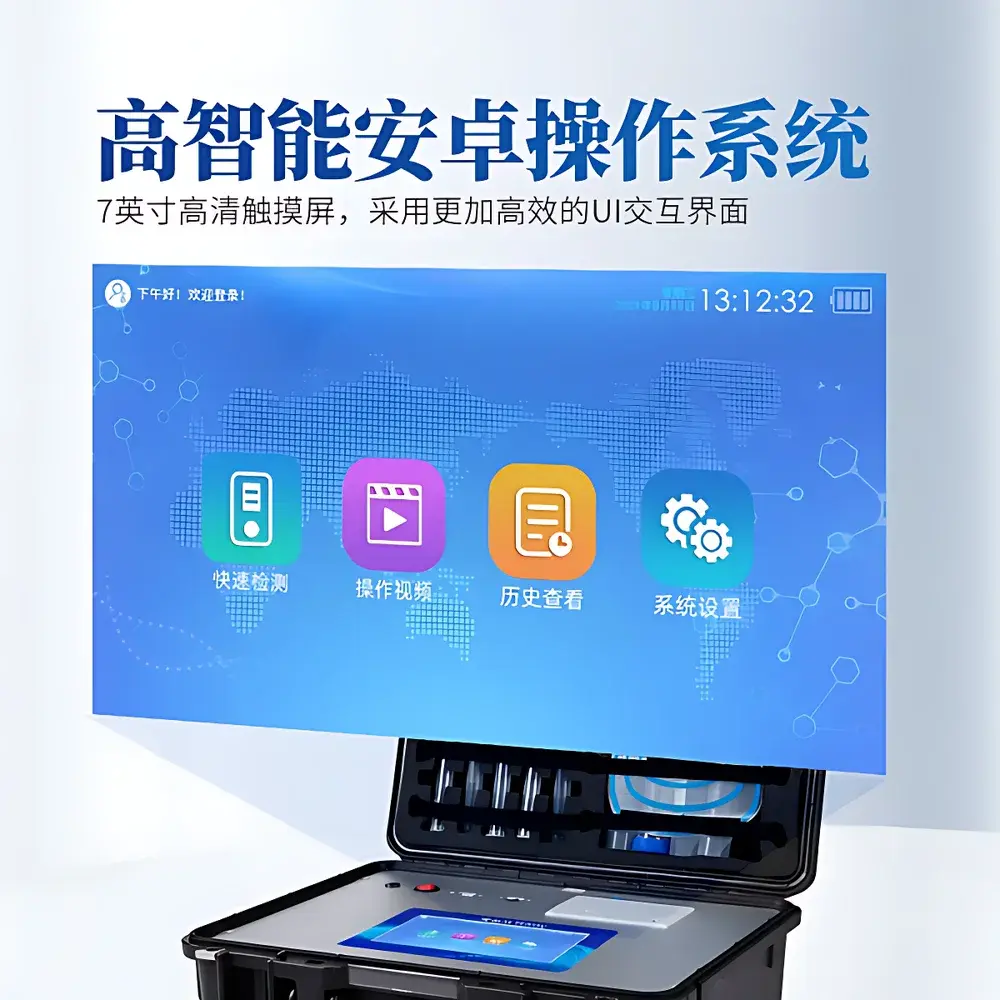
- 7-inch capacitive touch LCD interface with intuitive English-language UI; supports offline operation and bilingual (English/Chinese) firmware switching.
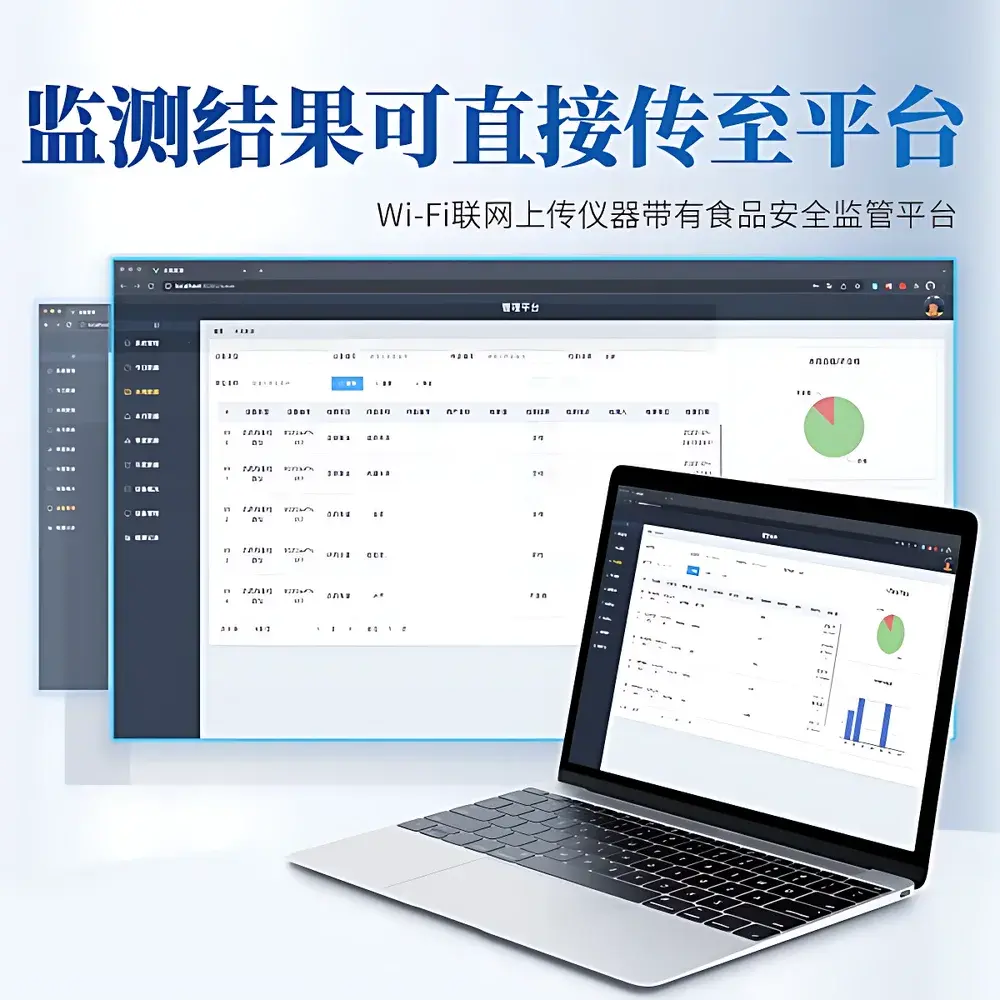
- Multi-mode connectivity: Wi-Fi 802.11 b/g/n, 4G LTE Cat.4, GPRS fallback, and Ethernet port for seamless data synchronization with centralized food safety monitoring platforms.
- Integrated thermal printer with QR-code generation: automatically prints traceable reports containing sample ID, timestamp, operator ID, detection value (mg/kg), pass/fail status against regulatory thresholds, and digital signature.
- Auto-calibrating optical module: adaptive LED illumination with real-time photometric feedback ensures stable light intensity across ambient temperatures (5–40°C) and eliminates thermal drift during extended field use.
- Onboard regulatory database: preloaded with current Chinese GB 2761–2023, EU Commission Regulation (EU) No 2023/135, and Codex Alimentarius GSFA limits; allows user-defined threshold configuration with audit-trail logging.
- Universal CGIA cartridge compatibility: accepts all commercially available melamine-specific colloidal gold test strips (e.g., 3–10 mm width, standard nitrocellulose membrane format) without mechanical or firmware adaptation.
- Dual power architecture: operates on 12 V DC input (vehicle battery compatible) or internal 6 Ah Li-ion rechargeable battery (≥8 hours continuous runtime); meets IEC 60529 IP54 ingress protection for dust/moisture resistance.
Sample Compatibility & Compliance
The YT-SJ12 is validated for use with liquid and powdered dairy products following standardized sample preparation protocols (e.g., solvent extraction with acetonitrile/water, centrifugation, filtration). It accommodates matrix-matched calibration curves and includes built-in correction factors for common interferents such as uric acid, cyanuric acid, and dicyandiamide. Regulatory alignment includes full traceability to GB/T 22388–2008 (Determination of melamine in dairy products by HPLC–MS/MS), and its data export structure conforms to ISO/IEC 17025:2017 documentation requirements for field screening instruments. While not a primary reference method, it satisfies the performance criteria outlined in AOAC Official Method 2008.05 for rapid immunoassay-based melamine screening in food and feed—specifically sensitivity (LOD ≤ 0.5 mg/kg in milk powder), specificity (>98% cross-reactivity exclusivity), and ruggedness under variable environmental conditions.
Software & Data Management
Firmware v3.2+ supports GLP-compliant data handling: all measurements are time-stamped, digitally signed, and stored with immutable metadata (operator ID, GPS coordinates if enabled, instrument serial number, calibration history). Data exports in native .xlsx format via USB 2.0 or cloud API (RESTful JSON over HTTPS) with TLS 1.2 encryption. Local storage retains ≥200,000 records with automatic overwrite protection for flagged non-conforming results. Remote firmware updates are digitally signed and verified via RSA-2048 to prevent unauthorized modification—ensuring compliance with FDA 21 CFR Part 11 Annex 11 principles for electronic records and signatures in regulated environments.
Applications
- Routine raw material verification at dairy processing plants prior to intake.
- On-farm feed testing for ruminant nutrition management and contamination prevention.
- Mobile food safety inspection units deployed by provincial market regulation bureaus (e.g., SAMR provincial branches).
- Border inspection and quarantine laboratories conducting rapid triage of imported dairy consignments.
- Contract testing laboratories offering accredited screening services under CNAS accreditation scope (ISO/IEC 17025).
- Academic research into melamine migration kinetics in dairy-based functional foods and packaging interactions.
FAQ
What regulatory standards does the YT-SJ12 support out-of-the-box?
It ships with default thresholds aligned to GB 2761–2023 (China), EC No 2023/135 (EU), and Codex STAN 193–1995, with annual update packages available via secure firmware channel.
Can the instrument be used without internet connectivity?
Yes—full functionality including calibration, testing, result calculation, printing, and local data storage is retained offline; network connection is required only for cloud sync, remote diagnostics, or regulatory database updates.
Is method validation documentation provided?
Yuntang supplies a comprehensive Instrument Qualification Package (IQP) including installation qualification (IQ), operational qualification (OQ), and performance verification reports per ISO/IEC 17025 Annex B guidelines.
How is measurement traceability ensured?
Each unit undergoes factory calibration using NIST-traceable melamine reference standards (SRM 3280); calibration certificates include uncertainty budgets and are archived in the onboard database with version-controlled timestamps.
What maintenance is required for long-term optical accuracy?
No routine optical recalibration is needed—the system performs automatic photometric self-checks at startup and every 30 minutes during active use; only annual verification with certified test strips is recommended.




